Thank you, Home and Garden Readers | | |
Thank you to the 85 subscribers who completed our survey earlier this winter! We appreciated hearing about your homes and yards, your pets, children, and love of the local plants and animals that we share this beautiful place with. We received many questions that we’ll add to our articles in the coming months. Thank you to many of you for showing your appreciation by sharing this newsletter with friends. We plan to be a resource for our community for a long time to come.
April is Healthy Homes Month, and we are always happy to come and talk to parent groups, book clubs, happy hours, neighborhood groups, and just about anywhere where ten or more people want to come together and learn about creating a healthier home. We offer each participant a safer cleaning kit along with many materials to share. Request a workshop and we’ll find a time and place that works best for you.
| | April is Healthy Homes Month | | |
Spring is in full swing. The warmer, brighter days filled with bird song and floral scents encourage us to open our windows and replace stuffy indoor air with fresh air from outside. And with that one action, you’ve completed one of the Healthy Housing Principles we’re highlighting during Healthy Homes Month this April.
Keep it dry: Moist indoor air can attract pests like rodents, roaches, and mites, and make it easy for mold to grow. These issues can make respiratory symptoms worse and lead to longer-term issues. Keep indoor humidity levels between 30 and 50 percent, which can be measured using an inexpensive, digital hygrometer found at most hardware stores. Remove moisture from windows with a squeegee and towel, use exhaust fans during and for at least 30 minutes after bathing or cooking, fix leaks as soon as you notice them, and clean up spills right away.
Keep it clean: Regular vacuuming and dusting will reduce pests and exposure to contaminants that can collect in house dust. Keep pets clean to reduce your exposure to allergens from their fur and dander and pollen and pesticides they may track in.
Keep it pest-free: Pests and pesticides can worsen asthma symptoms and may lead to other health problems. Reduce these issues by cleaning up crumbs and spills right away and store pet food in air-tight containers to prevent pests.
We don’t recommend the use of most pest killers because exposure can lead to long-term health issues. Another reason is because other animals may eat the dead pests and become sick and die. Rodents specifically can die in areas of the home that are difficult to access, like in between walls, attics, and crawlspaces. Safer alternatives to rodent and other pest removals are available.
Keep it ventilated: Increase ventilation and improve your indoor air quality by opening windows daily. Use exhaust fans while boiling water and bathing, keep doors between rooms open, and create at least an inch of space between furniture and walls to improve air flow.
Keep it safe: Make your home safer for all ages. Install at least one carbon monoxide and smoke detector on every floor of your home and make sure there’s a carbon monoxide detector outside of every bedroom. Never use a gas oven to heat your home or use gasoline-powered equipment or burn charcoal inside. Safely dispose of unwanted medication at a designated drop-box location. Always store hazardous products in their original containers. Place the products in a second, lidded leak-proof container (like a plastic tub) and store it where kids can’t access them and keep an extra eye on children while products are in use. Get rid of hazardous products for free at HazoHouse. To keep kids safe, gate pools and supervise your child the entire time they’re in the bathtub. Remove suffocation hazards, keep hot items out of the reach of children, baby-gate stairs and install window guards.
Keep it contaminant-free: Although, we may do our best to avoid them, we are exposed to toxics on a daily basis, including radon, lead, pesticides, PFAS, volatile organic compounds (VOCs), and secondhand tobacco smoke. Exposure levels to radon gas, asbestos particles, carbon monoxide, and secondhand tobacco smoke are higher indoors than outdoors. Free radon test kits are available through the Washington Department of Health. Smoke and vape outdoors.
Keep it maintained: No matter the age of your space, all living situations require regular maintenance. Problems with mold due to indoor moisture levels are common in Western Washington, and the deterioration of lead-based paints in homes built before 1978 may expose over 1.56 million Washington households to lead. There is no safe level of lead. Lead testing of toys and soil in early care and education programs, drinking water in homes and schools, and blood-levels in children are available.
Keep it temperature controlled: Moisture and mold can become more of an issue if the temperature inside your home isn’t controlled. During the colder months, keep the indoor air temperature between 60-70 degrees F. Condensation and mold can appear on walls if insulation is missing or in poor condition. Replace as needed.
Keep it ready: Be prepared for a natural disaster before it strikes! The Washington Emergency Management Division encourages families to be 2 Weeks Ready in the event of a disaster. Thurston County Emergency Management has local resources and additional information on ways to Get Prepared! Check out our September 2025 Thurston Home and Garden newsletter which has several articles and lots of additional resources on emergency preparedness.
No matter the month, maintaining a healthy home is a great way to improve the health of you and your family. Regular maintenance helps you identify areas around your home that needs to be fixed. The goal is to catch repairs when the problem can be fixed with the tools, skills, and abilities you have. If you find that something needs major repairs, contact a professional. For tenant housing resources, visit www.washingtonlawhelp.org.
| | Go Green and Habitat at Home | | |
For some of us, the lawn is the focus of the yard – a place where feet are bare, picnics encouraged, and play welcomed. Others may use the lawn as a pathway between planting beds, a spot to take a break between tasks, or something to reduce every year as the maintenance gets in the way of other plans.
For many of us, the lawn is simply the yard that came with the place we call home.
Whatever your yard care preference, the Go Green Yard Care Program is here for you! Join this free, online program and choose the yard you want to create based on the resources you have available. The program has information on how to create a lush, green centerpiece, habitat for wildlife, or something low-maintenance in between.
Once in the program, you’ll have access to:
- An online video-based training with supporting resources.
- Seasonal yard care tips and event email reminders.
- Technical advice as needed.
- Natural yard care incentives.
-
Habitat at Home events.
If you long to create habitat for pollinators, birds, and other wildlife, the Habitat at Home program is what you’re looking for! Whether you’re working with a small space or have more yard for nature, this free program offers education and resources to turn your yard into a sanctuary for all.
| | Recycling: Behind the Scenes | | |
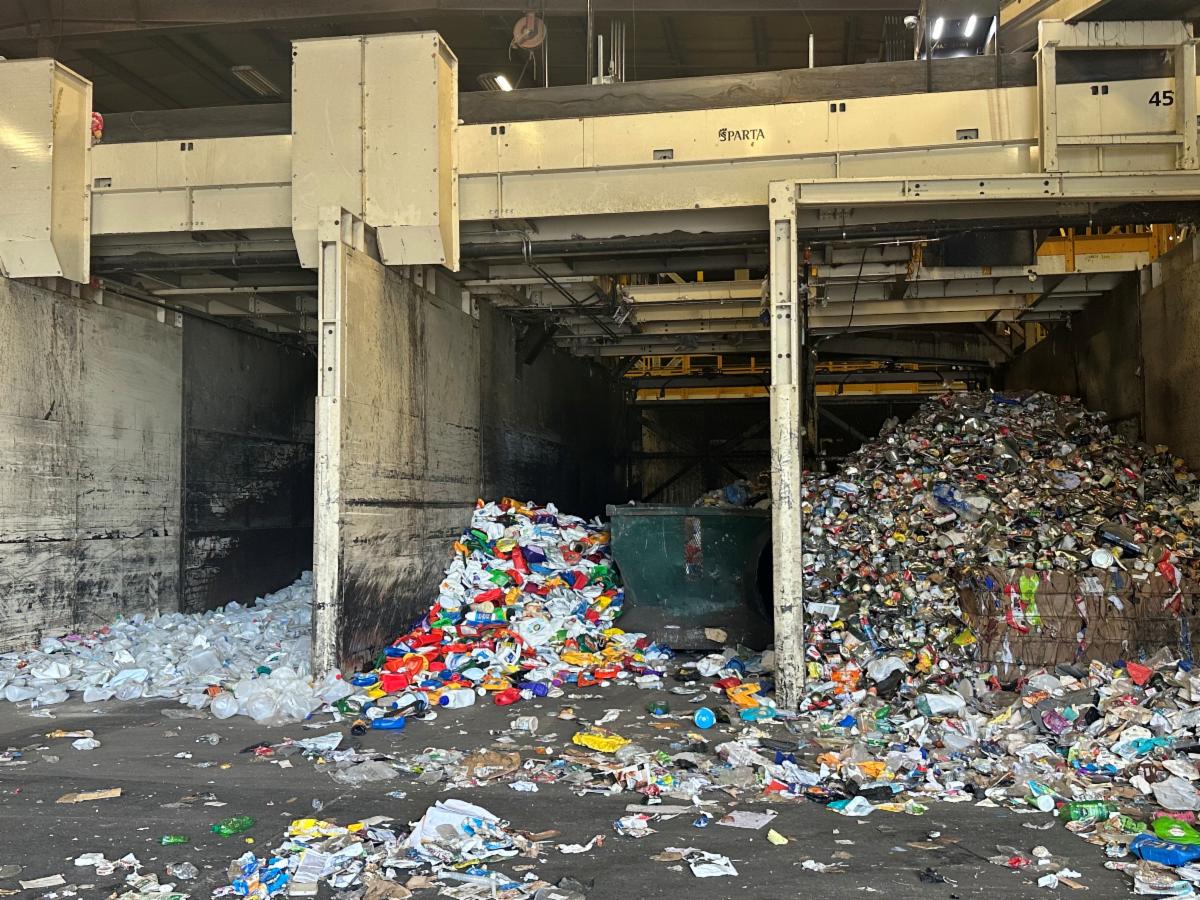
“Is recycling real?” It’s the most common question the recycling and waste reduction team hears when talking with the community. This year, Rethinking Waste is pulling back the curtain on what really happens after your garbage, recycling, and organics leave the curb. Our first stop is Pioneer Recycling in Tacoma, with more behind-the-scenes insights to come in future issues.
After curbside recycling is collected in Thurston County, recycling is transported to Pioneer Recycling. There, materials are sorted using a mix of advanced machinery, like conveyor belts and robots, along with human workers. Paper, cardboard, metal cans, and certain plastics are separated into specific categories. Once sorted, these materials are sold to companies that turn them into new products.
Recycling only works if there is a market for the material. If no one is willing to buy it, it can’t be recycled. That’s why following Thurston County’s recycling guide is so important. Putting the wrong items in your bin can disrupt the entire system.
Pioneer’s equipment is designed to sort specific materials, and unexpected items can cause serious problems. Plastic bags and film are a common issue. They can wrap around machinery, forcing workers to stop the line and remove them by hand. This creates safety risks and leads to costly delays.
Putting the right stuff in your bin might seem like a small thing, but it really matters. It keeps workers safer, helps the system run smoothly, and makes sure more of what you recycle gets turned into something new.
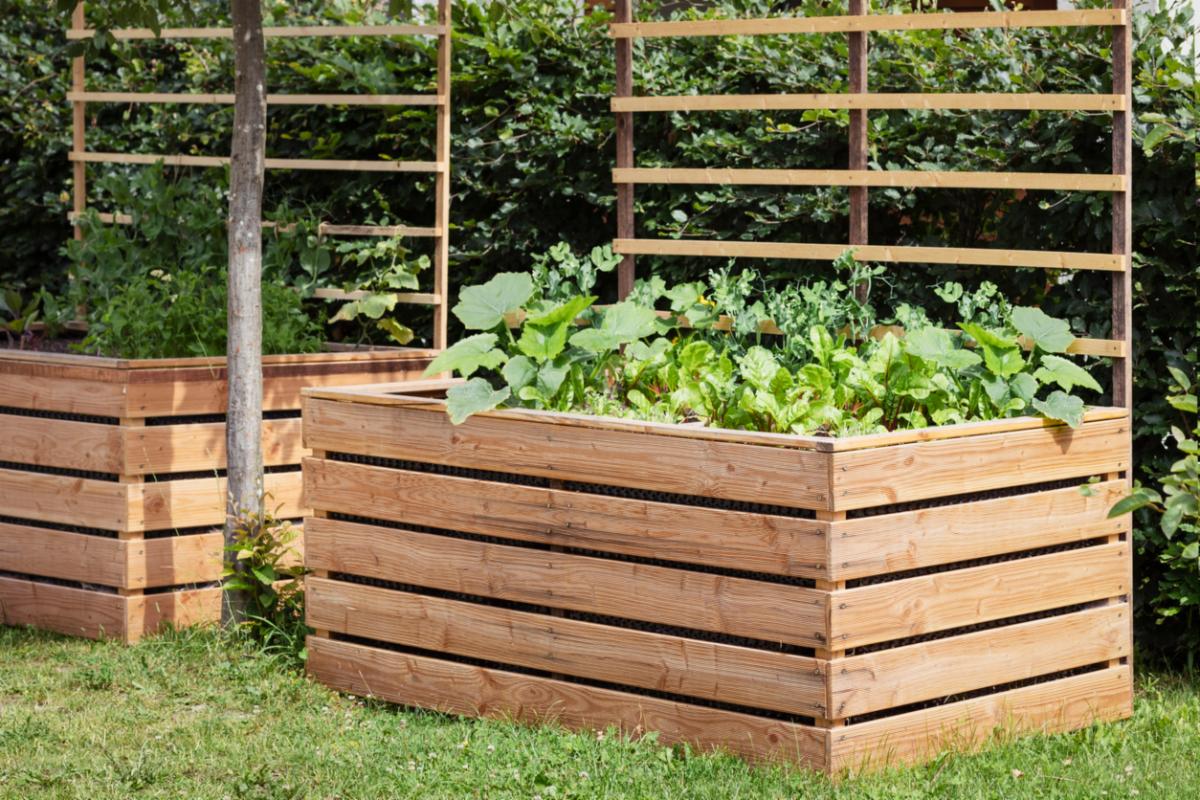
| | Raised Beds versus In-Ground Garden | | If you’re thinking about starting a fruit, vegetable, or herb patch, it is important to think about the health of your soil, how much space you have, how much sunlight your space receives, what types of plants you’d like to grow, and your budget. Consider the advantages and disadvantages between raised garden beds and in-ground garden beds to help you choose which option will work best for you. | | Raised Garden Bed: a container filled with imported soil that is built on top of existing soil. | | |
Advantages:
-
If your in-ground soil is contaminated or poor-quality, raised garden beds are a good option because you can fill them with high-quality soil and compost of your choice.
- Raised beds have better drainage that works well for rainy climates or compacted soil.
- Raised beds are more accessible for those with mobility issues. The raised beds can be built to varying heights depending on your needs.
-
Weeds are less likely to spread and easier to manage.
- Soil in raised beds warms up sooner in the spring so you may be able to start gardening earlier in the season.
Disadvantages:
-
There will be initial costs to buy the building supplies, soil, and compost. Do not use arsenic-treated (CCA) lumber or railroad ties to build your garden beds.
-
Weed seeds can be transported in some soil and compost mixes so make sure to get high-quality soil to fill your raised beds.
- It takes time and some skill to build or assemble the garden beds.
- It may be difficult to change the layout of the garden beds once they are in place.
- May be limited in the types or number of crops you can grow. For example, carrots need a deep garden bed with at least 12 inches of soil to be able to accommodate the root growth.
- Raised beds may dry out quicker in hot weather and need more frequent watering.
| In-ground Garden Beds: where plants are grown directly in the existing soil. | |
Advantages:
- In-ground beds can be less expensive because less supplies are needed to get started.
- You can grow a larger number of plants and also grow crops that require more space to spread out.
-
With more space, crop rotation may be easier.
- In-ground beds retain water, especially if they are mulched and may require less frequent watering during hot weather.
Disadvantages:
-
Not a good option if your native soil is contaminated. Always test your soil before planting to make sure it’s safe to grow food.
- Plants might be more susceptible to pests that live in the soil.
- Weeds can spread more readily into your garden.
| |
Check out these resources to learn more:
| | How does plastic from tea bags get into my drink, and what can I do to avoid them? | |
 | | When you make a cup of tea, you’re expecting to savor a delightful combination of herbs, fruits, spices, or flowers to warm your heart and body. What you probably weren’t expecting was to sip on billions of microplastics and nanoplastics! Microplastics are pieces of plastic that are 5 millimeters or smaller and can be seen with your eyes or under a microscope. Nanoplastics are less than one micron in size (for reference, a human hair is 70 microns in diameter) and can enter the bloodstream and human organs. It’s common for companies to package their tea in bags made from nylon or polyethylene terephthalate (PET) plastic. Even paper tea bags aren’t free from plastic. They can be sealed with thermoplastic fibers and may have a chemical called epichlorohydrin added to prevent the bag from ripping. A study from McGill University concluded that a single bag of tea steeped in boiling water can release more than 11 billion microplastic and 3 billion nanoplastic particles, that are quickly absorbed by human intestine cells. Other recent studies have shown that microplastics have also been found in the human brain, lungs, testicles, liver, heart, stomach, blood, lymph nodes, and placentas.
If you want a safer way to drink your tea:
- Avoid wasteful, single-use tea bags and instead, choose loose-leaf tea you can purchase in bulk.
- Brew your loose-leaf tea in a stainless steel, glass, or ceramic infuser or tea ball, which can be found at most local grocery or home good stores.
If using loose leaf tea isn’t always practical, the Beyond Plastic website has testimonies from three tea companies about what they’ve done to create safer tea bags.
We hope that one day, we can all sip safely without a serving of micro and nanoplastics in every cup!
| | |
Do you have a question for the Thurston Home and Garden editors or a topic you’d like to learn more about? We’d love to hear from you!
Please contact us at 360-867-2674 or send us an email at healthyhomes@co.thurston.wa.us
| | Take the Healthy Homes Assessment | | |
If all this talk about creating a healthier home has you curious about yours, take the City of Fort Collin’s Healthy Homes Assessment. The assessment is free to use, and after you submit your answers, you’ll immediately be provided with a prioritized, personalized list of low or no cost recommendations to improve the health and safety of your living space. The assessment takes about 15 minutes to complete, you get specific recommendations on how to create a healthier home, and you can access your results at any time.
| | Here's where you can find us in the upcoming months! | | |
Olympia Farmers Market
10:00 AM – 3:00 PM
700 Capitol Way N
Olympia, WA 98501
www.olympiafarmersmarket.com
2026 High Season
Thursday – Sunday, April 2 – October 31
2026 Holiday Season
Saturday – Sunday, November 1 – December 20
Tenino Farmers Market
Saturdays, May 2 – September 26
10:00 AM – 3:00 PM
213 Sussex Ave
Tenino, WA 98589
www.teninofarmersmarket.org
Tumwater Farmers Market
Sundays (second and fourth Sunday
each month)
June 14 – September 27
11:00 AM – 3:00 PM
237 Dennis St SE
Tumwater, WA 98501
West Olympia Farmers Market
Saturdays, Late Spring – September 26
10:00 AM – 3:00 PM
1919 Harrison Ave NW
Olympia, WA 98502
wcpnc.org/market/
Yelm Farmers Market
Saturdays, May 2 – September 26
10:00 AM – 3:00 PM
The Yelm Community
Center
301 Second St SE
Yelm, WA 98597
www.yelmfarmersmarket.com
Community Farm Land Trust Fresh From The Farm Guide
SW Washington Food Hub - Harvest Box Program
| |  | | | | |