|
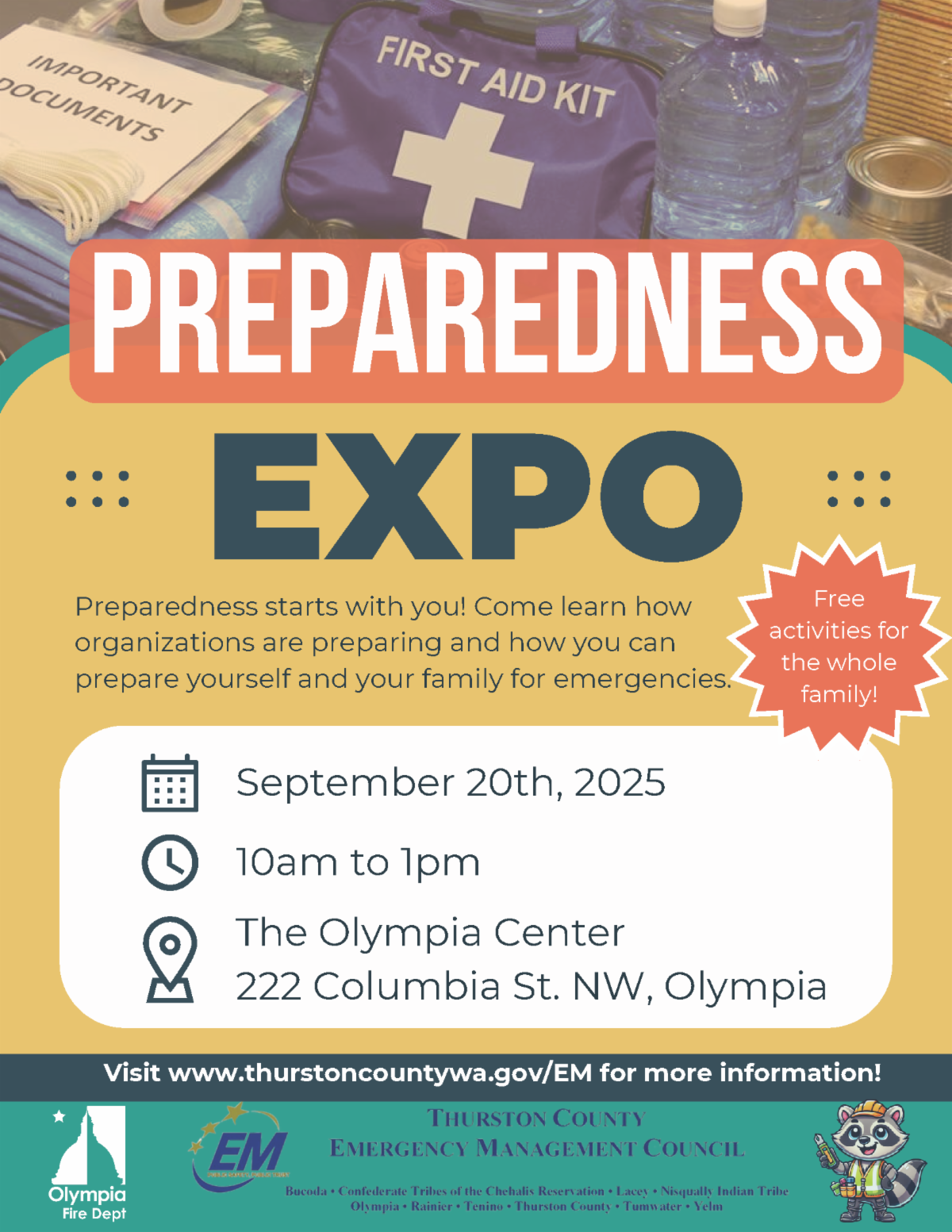
September is emergency preparedness month. If you need help getting started, The Emergency Preparedness Expo is here to help. Join us and gather your supplies before disaster strikes. To be prepared is to be ready for whatever challenges may come, whether floods, fires, earthquakes, pandemics, or any other challenge that tests us, something is sure to disturb our routine. Let’s dare to prepare and make it easier on everyone when it happens.
| | Household Hazardous Products | | |
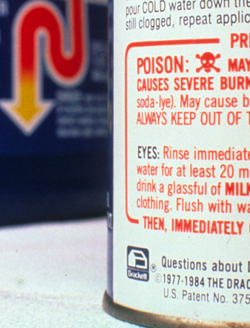
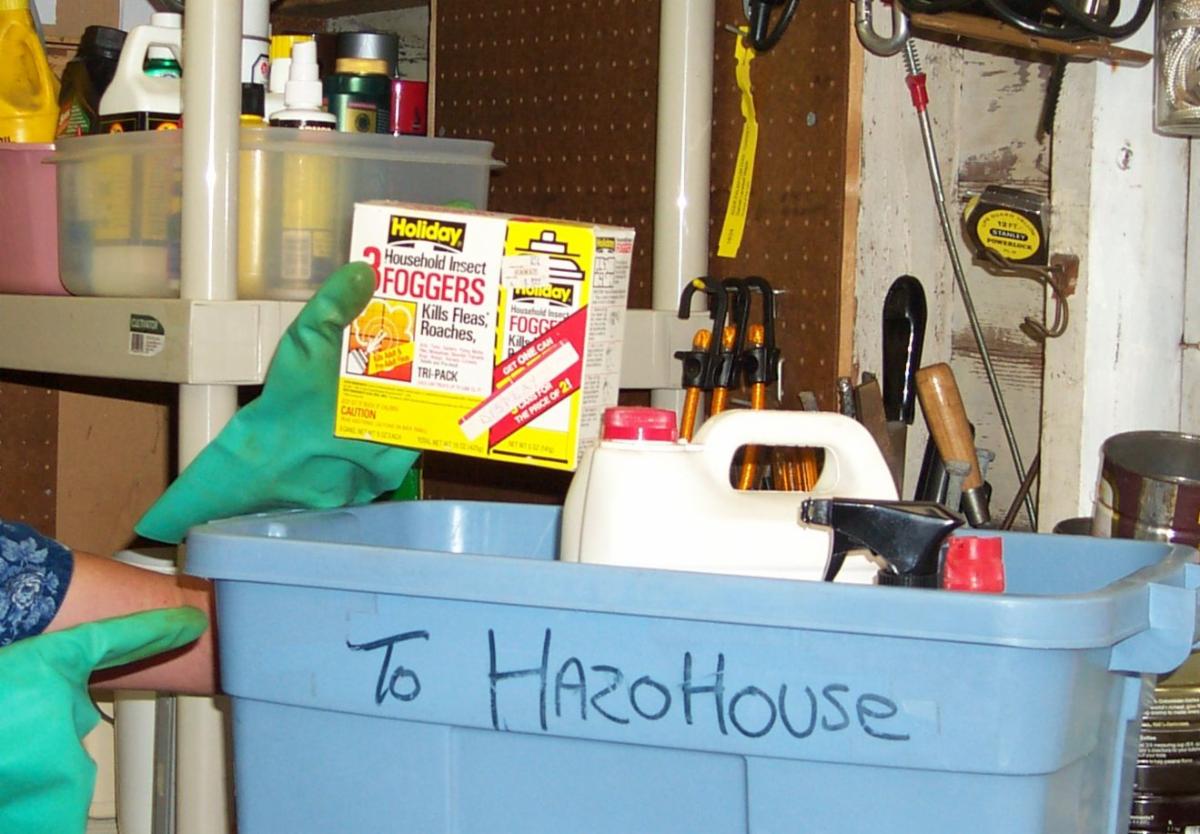
Many of the products we use to clean and maintain our homes, cars, and hobbies can cause harm to humans and nature. The only way to know if something is hazardous and what steps are needed to protect yourself and your family is to carefully read the labels. The signal words “poison,” “danger,” “warning,” or “caution” on the product label tell you that the product is hazardous. “Poison” and “danger” are the highest hazard levels and “warning” and “caution” are lower hazard levels.
Proper storage of household hazardous products can protect you and your family from unnecessary exposure to harmful chemicals. Storing household hazardous products safely is especially important in case of a natural disaster, like an earthquake or flood, to prevent dangerous chemicals from spilling inside our homes or onto the ground. Even without a natural disaster, products can leak and spill over time.
-
Read the product label and follow the instructions for safe storage. Keep products in their original containers so all the important safety information stays with the product.
- Store those products in a second, leakproof container (like a plastic tub) with a lid and out of reach of children and pets. As an extra safety measure, make sure the lid is difficult for children to open or that bins are in a locked cabinet.
- Do not stack products on top of each other. Place products upright in a single layer inside a plastic tub to prevent accidental spills and damage to product containers.
- Never store products in a well house.
- Keep flammable products away from flame or heat.
- Never mix chemical products. Some mixtures can cause a poisonous gas.
- Check products carefully to make sure that lids are on tight and not leaking.
Never dispose of household hazardous products in the trash, sink, drain, toilet, into storm drains, or onto the ground.
Unwanted or expired household hazardous products can be dropped off at HazoHouse, located at the Waste and Recovery Center, 2420 Hogum Bay Road NE, Lacey, (ph. 360-867-2491) for safe disposal. This service is free to Thurston County residents and is open daily from 8 a.m. to 4:45 p.m. Visit ThurstonSolidWaste.org for a complete list of accepted and non-accepted materials.
A simple way to reduce exposure to household hazardous products is to choose products that are safer for you and our planet. Check out these resources to learn more about choosing safer products:
| |
To Fertilize or Not to Fertilize
| | |
If fertilizing the lawn is on your list of tasks, September or October are the best times to do it. A soil test can let you know if fertilizer is needed and how much. Other signs that a lawn needs attention include more moss or weeds than grass in the yard, but these conditions can also indicate more help is needed than just an application of fertilizer. Aerating, adding compost, and seeding the lawn with Pacific Northwest-adapted grass seed will revive a lawn if it needs more than just fertilizer.
Slow-release fertilizers use minerals that are digested by the soil, allowing the lawn to get fed for the next few months. Many fertilizers available are “quick-release,” and have an instant greening effect, but quick-release fertilizers are more likely to lose their nutrients through rain and irrigation runoff. These nutrients can get into our local stormwater system and end up in lakes, rivers, streams, and Puget Sound. Lawn fertilizers can cause algae blooms in our local waters, hurting wildlife and affecting our ability to recreate safely.
If you’re creating a healthy lawn, remember to leave grass clippings on the lawn every time you mow, to provide at least one quarter of the nitrogen needed.
Ready to learn more about creating a lawn safer for your kids, pets, and our drinking water? The Go Green Yard Care Program is a free, online training that walks you through all of the steps needed, depending on what kind of yard you want to create.
| | Emergency Preparedness for Garbage and Recycling | | |
When disaster strikes, most people think about food, water, and shelter. Waste management is an often-overlooked part of emergency preparedness. In the days or weeks after a major event, trash and recycling services may be delayed or unavailable, making it important to have a plan. Here is how to stay safe, sanitary, and prepared.
1. Keep Things Tidy Year Round
Clutter is not just unsightly. It can become a real problem during an emergency. Old junk, broken items, and long-forgotten trash can take up valuable space and become tripping hazards. Regularly declutter your home so you are not stuck dealing with garbage you could have gotten rid of months ago.
2. Have the Right Supplies
In an emergency, you will need sturdy, sealed containers to store garbage and recycling until service resumes. Heavy duty trash bags are a must, and all trash should be sealed inside bags before going into the garbage can or other container with a secure lid. This helps contain odors, deters pests, and reduces the risk of spreading germs.
3. Separate Wet and Dry Trash
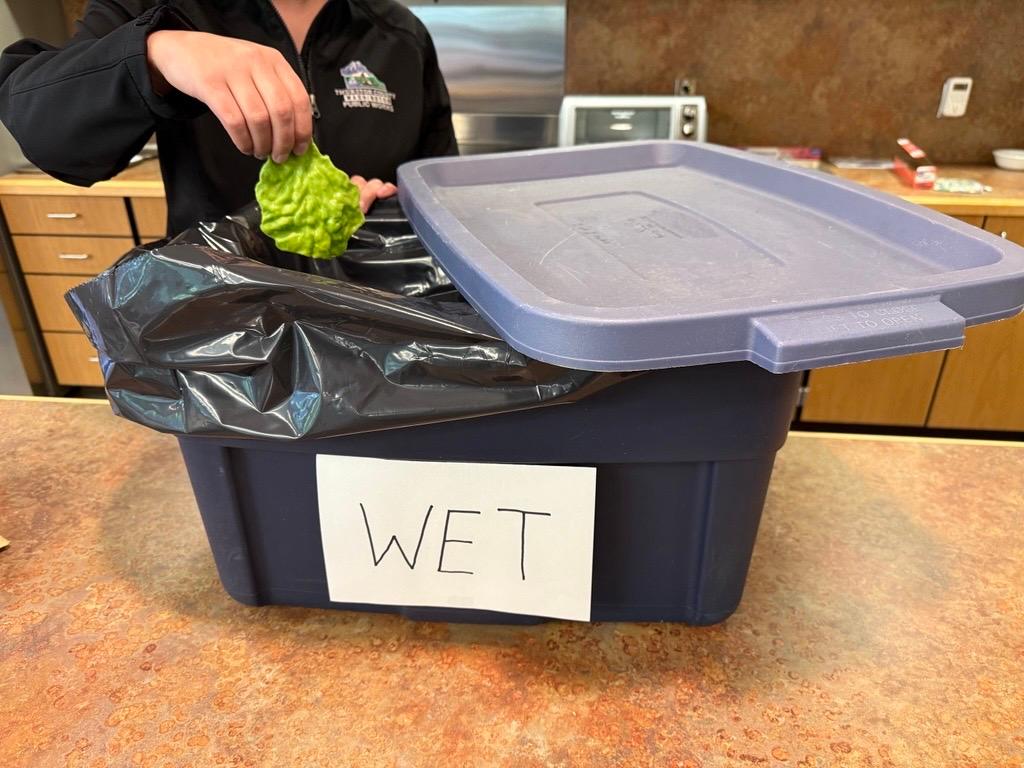
Without regular pickup, trash can pile up fast. Wet trash like food scraps and other organic waste breaks down quickly, attracting pests and creating mold or bacteria problems. Keep a separate bin with a fitted lid just for wet waste and store it outdoors or in a garage or shed. Dry trash like paper and packaging can be stored longer without becoming a health hazard.
4. Reuse When You Can
Emergencies often mean resources are scarce. Some items you might normally toss can be useful. Clean jars can be used for water storage, cardboard can provide insulation, and scrap fabric can serve as cleaning rags. Think twice before throwing something away that could serve a purpose.
Things to Avoid During an Emergency
Burning Trash – Burning garbage releases toxic fumes that are harmful to you and your neighbors. You could also accidentally start a fire at a time when emergency crews are already stretched thin.
Burying Trash – In Thurston County, we say “It’s the Water!” for a reason. Our drinking water comes from underground aquifers, and burying garbage can contaminate that supply, not just for you but for our entire community.
Final Thoughts
Good waste management is a key part of emergency preparedness. Reduce clutter, store waste safely, separate wet and dry trash, and find ways to reuse materials, to protect your health, your home, and your community until regular services return.
| | |
Now is the time to take stock of any garden products used this year and get them properly stored before it starts to rain. It’s important to keep them out of the weather so that they’re helpful when you need them and to make sure that they don’t spill or leak and end up in our drinking water!
Fertilizers, weed and bug killers, fungicides, and oil to maintain tools are all examples of hazardous products that need to be safely stored using the same principles as outlined above in the “Household Hazardous Products” article, including:
- Read the product label and follow the instructions for safe storage.
- Keep products in their original containers so all the important safety information stays with the product.
- Store those products in a second, leakproof container (like a plastic tub) with a lid and out of reach of children and pets. As an extra safety measure, make sure the lid is difficult for children to open or that bins are in a locked cabinet.
- Do not stack products on top of each other. Place products upright in a single layer inside a plastic tub to prevent accidental spills and damage to product containers.
- Never store products in a well house.
- Keep flammable products away from flame or heat.
- Never mix chemical products. Some mixtures can cause a poisonous gas.
- Check products carefully to make sure that lids are on tight and not leaking.
| | How to Prepare for a Natural Disaster | | |
September warmly welcomes Washingtonians to enjoy all things pumpkin spice and reintroduce cozy sweaters back into their closets. The days continue to get shorter and the air a bit cooler, but this time of year is still considered wildfire season. In Washington, wildfire season typically runs from early July to early October. While wildfires are more on our minds this time of year, the threat of other natural disasters, such as floods, severe weather, and thunderstorms, is always a possibility.
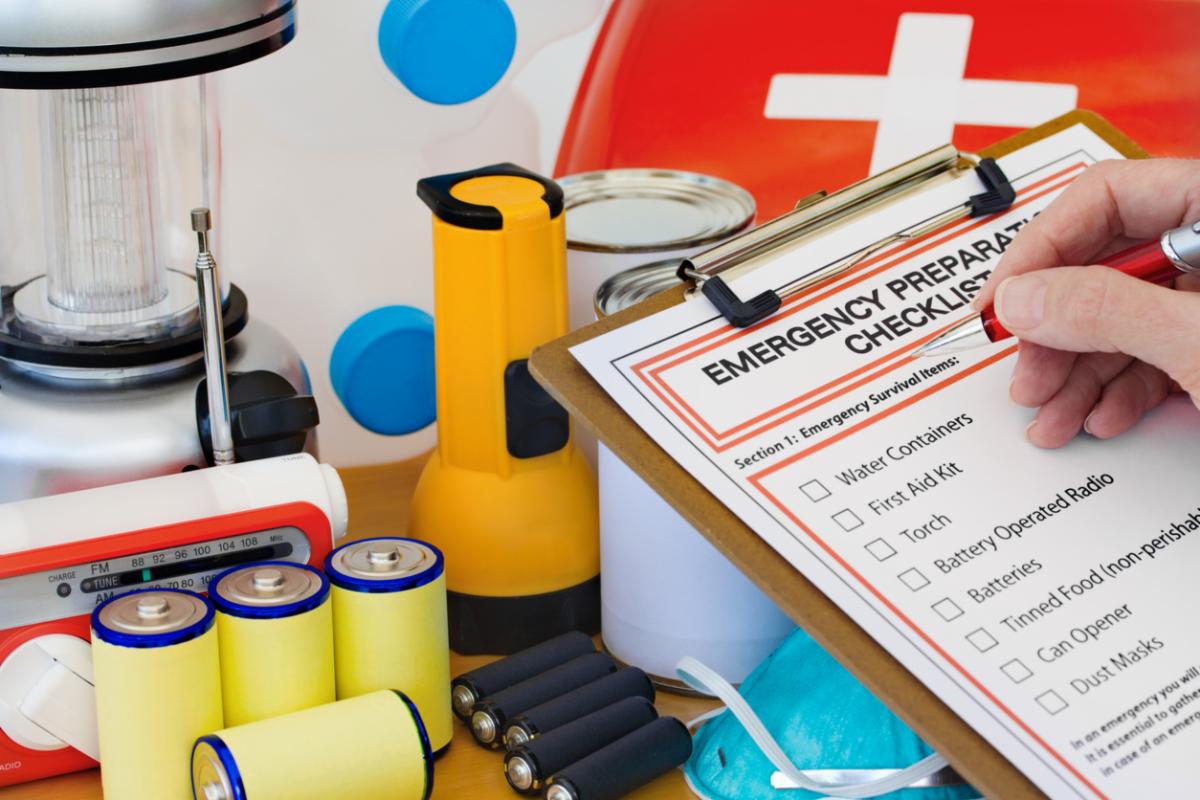
It’s important to have a plan in case of a natural disaster. Like any plan, you need to figure out the details in advance and ensure everyone in your household knows what to do when an emergency strikes. The Federal Emergency Management Agency (FEMA) suggests 12 Ways to Prepare with those you live with. Each household’s preparedness kit might look different based on household members’ unique needs, but in general, a basic supply kit should have the essentials. If you have access to a printer, print this flyer and write your local non-emergency phone number. No printer? No problem. Simply write “okay” on one side of a paper and “help” on the other. Store this sign in your preparedness kit and hang it on your front door during an emergency to let first responders know of your situation.
The Washington Emergency Management Division recommends having a two-week supply of food, water, and other items prepared in case help is not readily available. Since an emergency can happen at any moment, it’s also important to have a supply kit in your car. If an evacuation seems likely, prepare by having a full tank of gas. Gas stations might be closed during an emergency and unable to pump gas during a power outage.
It’s also a great idea to document and insure your property and safeguard critical documents and property to make getting help easier after a disaster. Fill out the Family Communication Plan, share it with your family and friends, and keep it somewhere safe and accessible. If you have pets, become familiar with additional items they need to weather the storm. If you have children, older adults, or household members with disabilities in your home, make sure your plan meets their specific needs too.
Sign up for Thurston Community Alert to receive emergency announcements about active threats to Thurston County residents. The Washington Emergency Management System has additional alert and warning notification systems that will inform you about active threats to all parts of the state. It’s also helpful to become familiar with the most common alerts and warnings you might hear during an emergency. FEMA’s mobile app can help you plan, act, and recover after an emergency. Ready.gov has information on other emergency alert systems you can sign up for on your mobile device or tune in to the NOAA Weather Radio (NWR). Be smart, be safe, and be ready for any natural disaster that may come your way!
| | |
Do you have a question for the Thurston Home and Garden editors or a topic you’d like to learn more about? We’d love to hear from you!
Please contact us at 360-867-2674 or send us an email at healthyhomes@co.thurston.wa.us
| | What to Do in a Water Emergency | | |
We’re no strangers to water here in Washington! Water is all around us, with rivers, lakes, streams, and Puget Sound. It falls from the sky most months of the year and is the reason why Washington is nicknamed the “Evergreen State.”
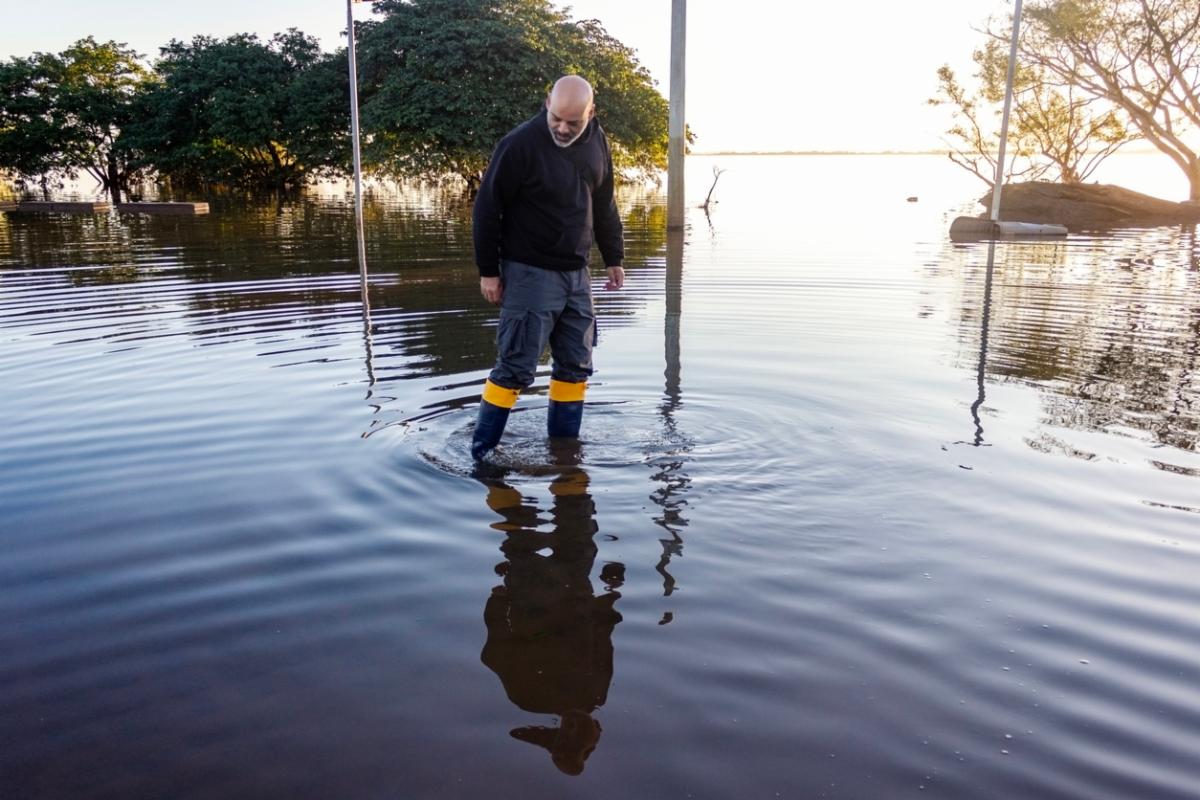
Did you know that floods cause more damage than any other natural disaster in Washington state? Damage from floods can be extensive and very costly. It is crucial to be aware of what to do before, during, and after a flood to reduce the damage and dangers the floodwaters can bring. Sandbags carefully placed around different parts of your home can help protect against water leaking into areas where it shouldn’t be. Fortunately, there are many locations throughout Thurston County where residents can receive sandbags for free.
Smaller water emergencies can occur inside your home and also require quick action to prevent long-term damage. During the colder winter months, the risk of pipes freezing and bursting increases as the temperatures decrease. Visit the American Red Cross for more information on how to protect and prevent pipes from freezing, and how to thaw them in case they do freeze. Become familiar with where and how to access your water shut-off valve in the event you need to turn off water to your whole house in a hurry.
| | Become a Master Recycler Composter | | Passionate about recycling, waste reduction, and composting? Join Thurston County’s Master Recycler Composter volunteer program. Training is held twice a month on Fridays from October 2025 to March 2026, led by expert instructors with interactive sessions. Cost is $25. Applicants must be 18 or older and live, work, or operate a business in Thurston County. Applications close September 19. Learn more and apply at: WSU Thurston County Extension Master Recycler Composter Program | | Here's where you can find us in the upcoming months! | | |
Grand Mound Elementary Back to School Bash
Friday, September 12, 2025
5:00 PM – 7:00 PM
Emergency Preparedness Expo
Saturday, September 20, 2025
10:00 AM – 1:00 PM
Chehalis Tribal Wellness Fair
Tuesday, September 23, 2025
10:00 AM – 2:00 PM
Nisqually Housing Fair
Friday, September 26, 2025
12:00 PM – 3:00 PM
Tumwater Falls Fest
Saturday, September 27, 2025
10:00 AM – 4:00 PM
Nisqually Watershed Festival
Saturday, September 27, 2025
10:00 AM – 4:00 PM
| |  | |
Tumwater Clean-Up Drop-Off
Saturday, October 4, 2025
9:00 AM – 12:00 PM
Thurston County Harvest Festival
Saturday, October 4, 2025
10:00 AM – 3:00 PM
Protect Kids from Toxics at Lacey Timberland Library (presentation)
Saturday, October 11, 2025
2:00 PM – 3:00 PM
Recycling 101 (virtual presentation)
Wednesday, October 29, 2025
6:00 PM – 7:00 PM
Can This Be Recycled? (virtual presentation)
Wednesday, November 19, 2025
6:00 PM – 7:00 PM
| | | | |