Summer's Gifts and Challenges | | |
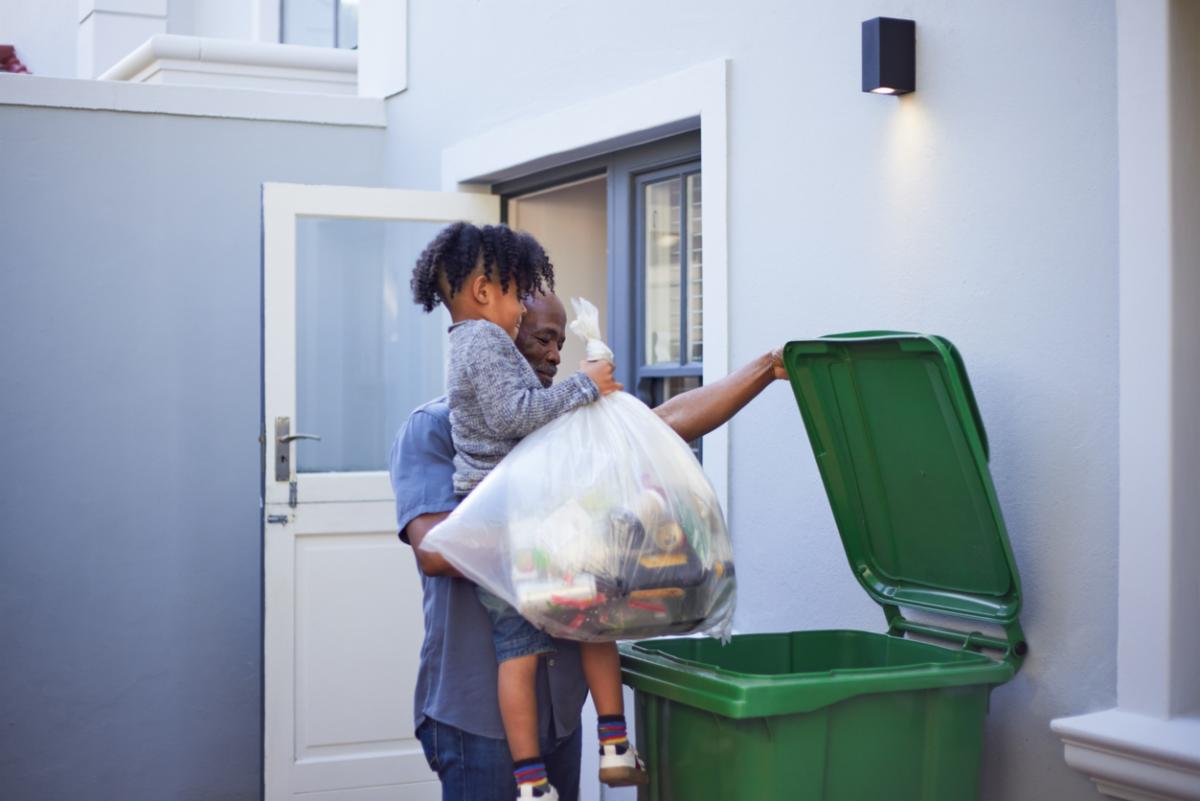
June can be a time of transitions and celebrations. School gets out, college moves begin, graduation festivities delight, and ideally, picnics and barbecues abound. These life events can create additional waste and leave us with items like worn mattresses, sticker-covered bookshelves, and rusty barbecues that you may not know how to safely get rid of.
Unsure how to safely dispose of an item or if it can be recycled or donated? Check out Thurston County’s, Where Do I Take My website.
| | Don’t Let Pests Bug You in the Home | | |
Spiders, ants, and flies, oh my! Some of us may not be bothered by common crawling or winged guests, but others prefer they stay outdoors. To reduce or remove insects found indoors, the first step is to make your home a little less homey by blocking sources of entry and removing what they like.
Ways to reduce pests indoors:
Seal up cracks and openings. Check for separation and gaps around windows, doors, screens, and floorboards. Seal openings with caulk or weather stripping.
Keep the kitchen clean. Remove or put lids on smelly items like trash cans and pet food. Rotting fruit or veggies stored on the counter should be disposed of in the yard waste bin or composted at home. If you don’t have a food and yard waste bin and you’re interested in adding this to your service, contact your local hauler. To learn more about composting at home, visit the Washington State University Extension Master Recycler Composter Program.
Dry damp areas. Spills and other sources of moisture can attract pests. Wet areas can also lead to mold growth. Fix leaking pipes, faucets, and drains and dry the area as soon as possible. Dry windows with condensation during the colder months.
Clean and vacuum regularly. The more you clean and vacuum, the more you remove sources of pest attractants. Keeping a clean space makes it easier to notice pests and deal with them before the problem gets worse. Pay attention to areas and items in the home that don’t get used often like above cabinets, under furniture, in closets, and behind the fridge, because they’re great places for pests to hide.
Keep the outside free of debris. Make sure places bugs like to live, like firewood stacks, compost bins, and yard waste piles are far away from the house. Check firewood for bugs before bringing it indoors and keep trees and shrubs pruned away from the house.
Ways to remove pests indoors:
Cup and sturdy paper. Gently place a cup over the pest and carefully slide a piece of sturdy paper under the cup. Make sure there are no openings between the cup and paper that the pest can squeeze through as you walk it outside.
Electric fly zapper or manual fly swatter. If used correctly, an electric fly zapper or manual fly swatter can eliminate pests without causing prolonged suffering.
Never use bug bombs or foggers! These don’t get to the source of the pest problem and release dangerous chemicals all over your living space.
If you’ve tried these steps and need a product, make sure to choose the safest one for the job by visiting GrowSmartGrowSafe.org.
| | The Cost of Weed and Feed | | |
With low-priced bags of combined herbicide and fertilizer products like weed and feed stacked in garden sections, let’s take a moment to understand some of the true costs of these products.
The “feed” part of weed and feed products are quick-release fertilizers that can easily run-off of lawns and contribute to algae blooms in lakes and Puget Sound. Algae blooms can deplete the oxygen in water and make it impossible for aquatic life to live, creating dead zones. Some types of algae are also harmful to humans.
Additionally, the fertilizers in weed and feed products don’t help build up soil and need to be applied throughout the growing season to keep the lawn green.
The “weed” part of weed and feed products are herbicides that are spread over the entire lawn, whether there are weeds, or not. Herbicides can be harmful to humans, pets, wildlife, and beneficial bugs and can get tracked into homes on shoes and paws. Once inside, they build up in house dust and continue to expose our households to these hazardous products.
Slow-release fertilizers are safer for families and our community’s water. They help build up long-term fertility in the soil and share their nutrients over time, making them less likely to run off of landscapes. A healthy lawn can outcompete weeds and the few that remain can be hand pulled with a long-handled weed tool. Be sure to add a handful of compost mixed with grass seed in every hole where a weed used to be.
Weed killers can be used as a last resort and spot-sprayed, not spread over an entire area. Choose the safest bug and weed killers at GrowSmartGrowSafe.org.
For more information on choosing slow-release fertilizers, check out our fertilizer guide.
Sign up for the Go Green Yard Care Program to learn how to create your ideal yard, with the time and energy you have, while protecting our drinking water, lakes, rivers, and Puget Sound.
| | From Bottles to Building Materials: The Journey of Recycled Glass | | |
Summer is almost here, which means picnic season is too. From pickle jars to glass soda bottles and barbecue sauce containers, glass is a common part of summer fun. But what should you do when those containers are empty and cannot be reused?
In Thurston County, glass recycling is handled differently than other recyclables. If you are a LeMay customer, place glass in a separate, sturdy container at the curb. The container should be between 5 and 20 gallons and have holes in the bottom so rainwater can drain out. Containers filled with water or other liquids may not be collected. If you live in the City of Olympia, do not put glass at the curb. Instead, take it to a local glass drop off site.
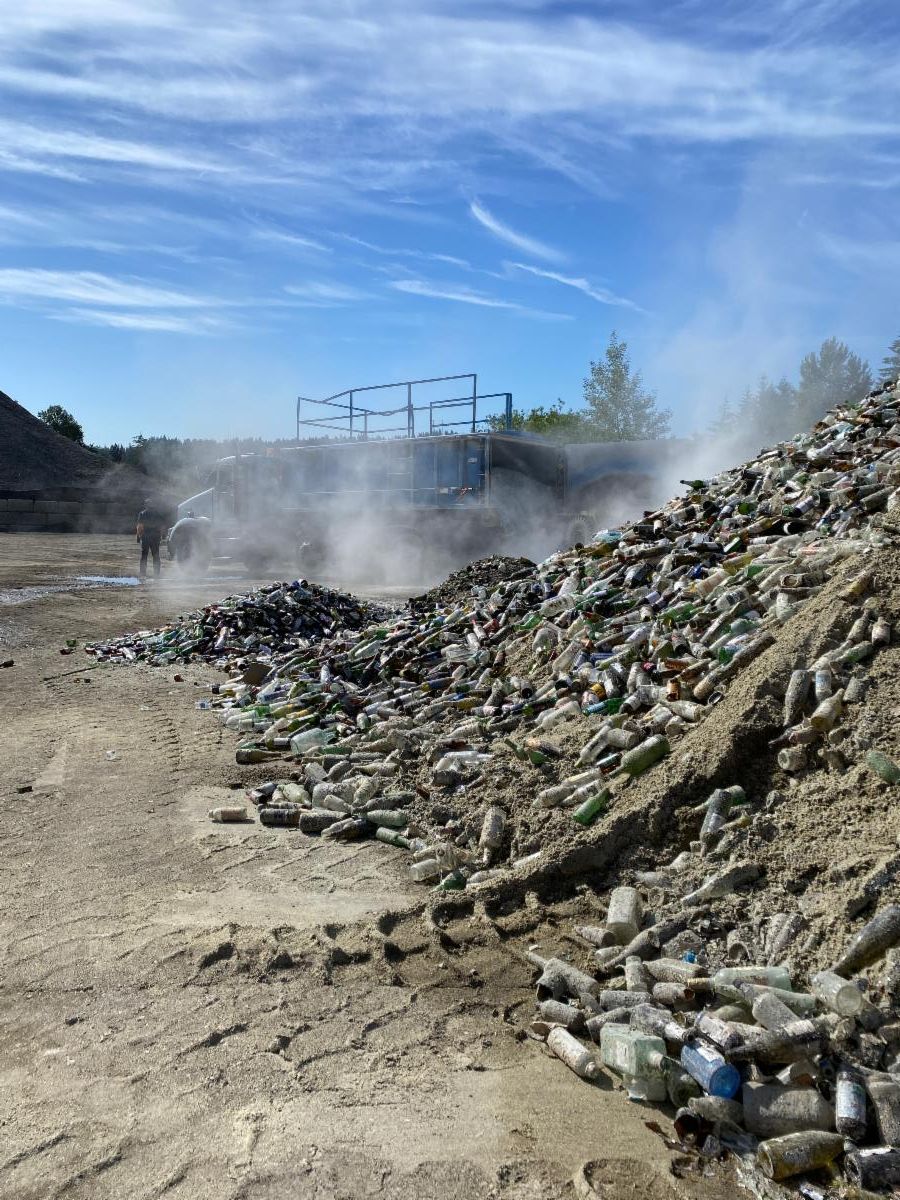
After collection, much of Thurston County’s recycled glass is taken to Concrete Recyclers in Tumwater. There, the glass is crushed into small pieces and used instead of sand and gravel in construction projects like foundations and backfill.
| | Glass at Concrete Recyclers | | |
Glass is made mostly from sand and other natural materials that are heated to very high temperatures. While sand may seem easy to find, the type needed for construction and glass making is limited. Around the world, people are using sand faster than nature can replace it.
Recycling glass helps reduce the need to mine new sand. It also saves landfill space and lowers greenhouse gas emissions. Glass can be recycled over and over again without losing quality, but only about one third of glass in the United States is recycled each year.
Separating glass the right way also helps protect workers and recycling equipment. When glass is put into regular curbside recycling carts, it often breaks during collection and sorting. Broken glass shards can get embedded into paper and cardboard, damage equipment at paper mills, and create safety hazards for workers.
By recycling glass correctly, Thurston County residents can help protect natural resources, support local recycling programs, and keep recycling workers safer. A small extra step at home can make a big difference for the environment and the community.
| | |
There’s nothing more natural than bugs in the great outdoors. Bugs are an essential part of ecosystems and provide many benefits like pollination, water filtration, soil aeration, and seed dispersion. Bugs are also a source of food for larger animals and can support plant growth. Whether you’re buddies with the buggies or creeped out by the crawlies, they are an important part of a healthy landscape.
To encourage the balance of beneficial bugs in your backyard:
- Remove standing water where unwanted insects, like mosquitos, lay their eggs. Clean and replace areas of water, like bird baths, ponds, and fountains, as needed.
- Keep lids on garbage cans, yard waste bins, and compost containers to discourage pests from feeding and living inside them.
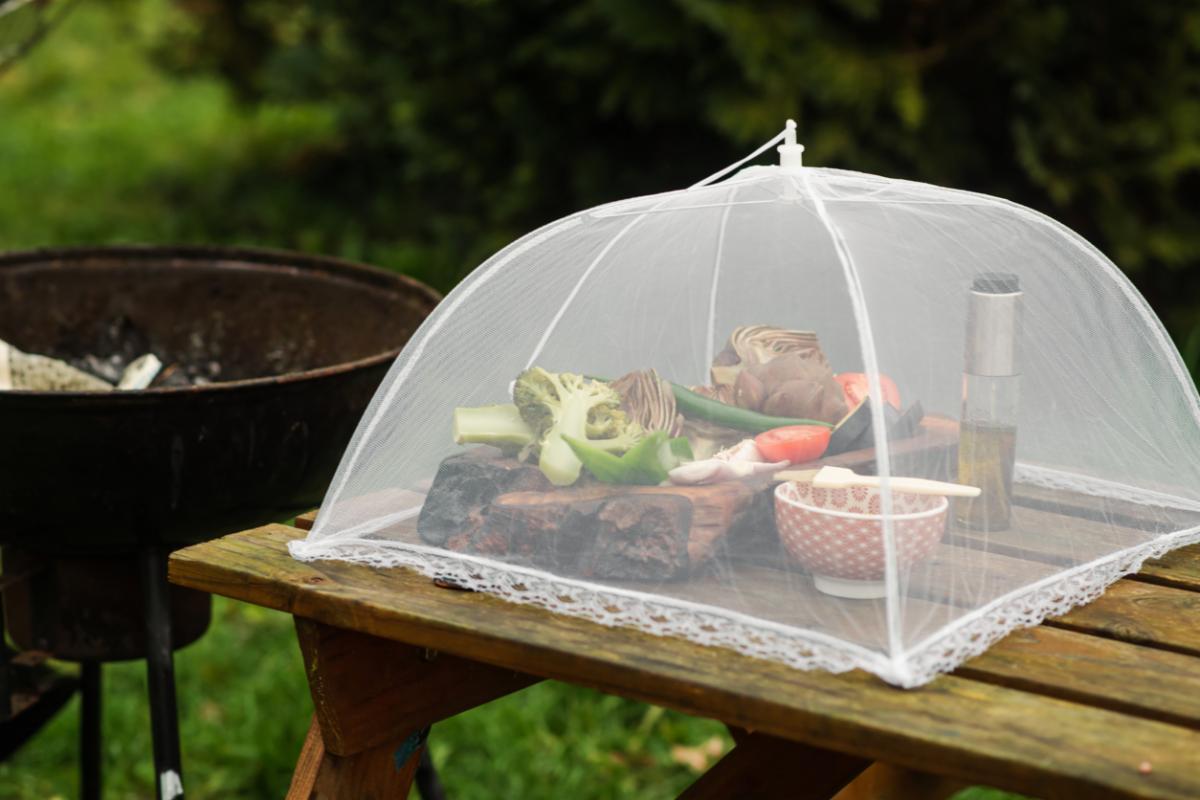
- Cover food brought outside. Bug deterrent fans can be helpful, too.
-
Encourage beneficial insects and animals, like pollinators, to outcompete the pests and by creating their ideal habitat. Visit the Washington Department of Fish and Wildlife Habitat at Home webpage for more information on creating a pollinator-friendly habitat and how to apply for the Habitat at Home certification.
To deal with unwanted bugs in your outdoor space:
- Use methods like electric fly zappers or manual fly swatters.
- Hang traps specifically designed to attract wasps, hornets, and yellowjackets.
-
Visit www.growsmartgrowsafe.org for information on safer pesticides.
-
Visit our Healthy Yards and Garden webpage for information on how to maintain a safe and healthy outdoor space.
Avoid the use of:
- Bug repellent sprays that can cause skin, eye, and lung irritation.
- Sticky traps, including fly ribbons, which often cause a slow, painful death for the bug and can injure or even kill bats, birds, and other small animals.
| | Have you been looking for air conditioning, energy savings, or a way to reduce your carbon footprint? | | |
Heat pumps offer year-round comfort using highly efficient electric space heating and cooling, all packaged into a single system.
Energize Thurston is a heat pump group purchase program that makes it faster, easier, and more affordable for Thurston County residents to purchase and install heat pump HVAC systems and energy efficient heat pump water heaters. The campaign features:
- Program-exclusive discounts on your installation.
- Instant access to rebates applied at time of sale.
- Ongoing customer support, and educational resources.
- A limited number of subsidized installations for income-qualified households.
Make your home more comfortable by upgrading to a heat pump today!
Energize Thurston is supported by a partnership between Thurston County and the cities of Olympia, Lacey and Tumwater, as well as South Puget Sound Habitat for Humanity.
Visit energizethurston.org for more information on how to participate.
| | |
Do you have a question for the Thurston Home and Garden editors or a topic you’d like to learn more about? We’d love to hear from you!
Please contact us at 360-867-2674 or send us an email at healthyhomes@co.thurston.wa.us
| | |
Harmful ingredients are sometimes used in art products to enhance the color, preserve the product, or improve application. These ingredients can cause short- or long-term health issues when inhaled, come into contact with skin, or accidentally ingested because residues remain on our hands. Kids are especially vulnerable to the toxics found in art supplies because they are more likely get the products on their skin or hair and into their mouth or eyes.
Protect your and your family’s health by following these tips:
Before:
During:
-
Follow all label directions.
-
Ventilate or work on the art project outdoors.
- Do not eat or drink while using art and craft materials.
- Always supervise children while using art and craft materials.
After:
- Clean up with a wet mop or vacuum with a HEPA filter.
-
Store art supplies safely and out of the reach of children and pets.
-
Safely dispose of any expired or unwanted products with the signal word “caution,” “warning,” “danger,” or “poison” on the product label for free at the HazoHouse.
To learn more about choosing safer art supplies, proper storage, and tips for creating art safely, visit these resources:
ACMI Seals
Washington State Department of Health: Art Supplies and Storage
Toxic-Free Future Choosing Safer Products: Art and Craft Supplies
Children’s Environmental Health Network: Safer Arts and Craft Supplies
| | Here's where you can find us in the upcoming months! | | |
Olympia Farmers Market
10:00 AM – 3:00 PM
700 Capitol Way N
Olympia, WA 98501
www.olympiafarmersmarket.com
2026 High Season
Thursday – Sunday, April 2 – October 31
2026 Holiday Season
Saturday – Sunday, November 1 – December 20
Tenino Farmers Market
Saturdays, May 2 – September 26
10:00 AM – 3:00 PM
213 Sussex Ave
Tenino, WA 98589
www.teninofarmersmarket.org
Tumwater Farmers Market
Sundays (second and fourth Sunday
each month)
June 14 – September 27
11:00 AM – 3:00 PM
237 Dennis St SE
Tumwater, WA 98501
West Olympia Farmers Market
Saturdays, Late Spring – September 26
10:00 AM – 3:00 PM
1919 Harrison Ave NW
Olympia, WA 98502
wcpnc.org/market/
Yelm Farmers Market
Saturdays, May 2 – September 26
10:00 AM – 3:00 PM
The Yelm Community
Center
301 Second St SE
Yelm, WA 98597
www.yelmfarmersmarket.com
Community Farm Land Trust Fresh From The Farm Guide
SW Washington Food Hub - Harvest Box Program
| |  | | | | |