|
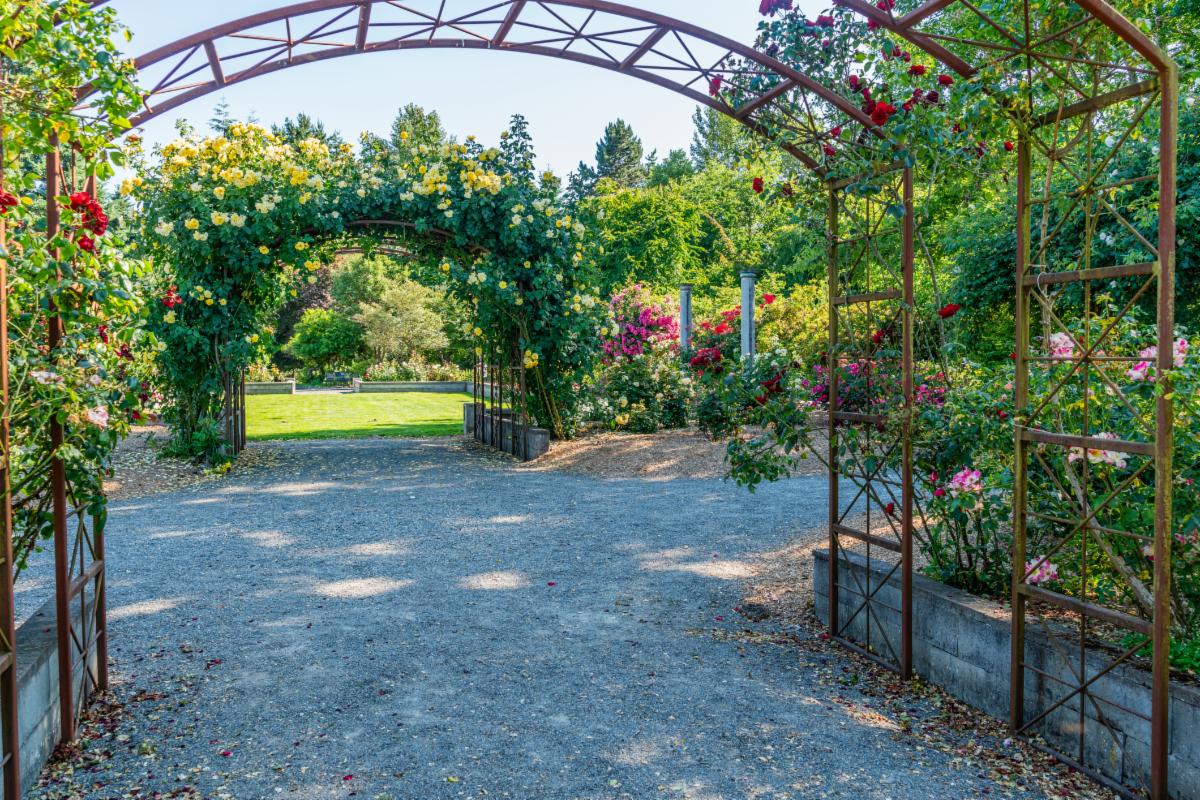
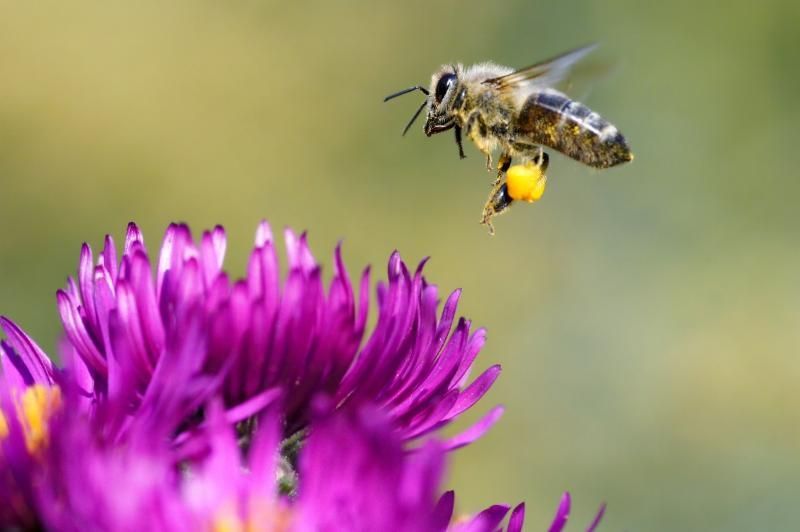
For many of us, May is the gateway to summer with all of the joy and busyness that entails. Remember that part of the joy in creating the homes and yards of our dreams is to spend some time dreaming in them! This is a great time to stop and smell the flowers, watch a bee nap inside of soft petals, and plan your summer staycation to include visiting some of the loveliest local parks around!
| | Energize Thurston Workshop Registration Now Open! | | |
Are you looking for air conditioning, energy savings, or a way to support Thurston County’s climate action goals? The Thurston Climate Mitigation Collaborative (TCMC) is excited to offer a countywide heat pump group purchase campaign, Energize Thurston!
Energize Thurston makes it faster, easier, and more affordable for Thurston County residents to purchase and install efficient, all-electric heat pumps and heat pump water heaters. The campaign reduces upfront costs of heat pump equipment through a group purchase discount of at least 10% off a wide range of heat pump systems.
The TCMC has designed and planned Energize Thurston as a high-priority regional initiative to tackle the County’s largest source of greenhouse gas emissions: residential energy use. The campaign helps to meet the emission reduction goals of the Thurston Climate Mitigation Plan, while reducing household energy costs and making homes more efficient and comfortable.
To qualify for Energize Thurston’s program-exclusive discounts and incentives, residents must attend one of the educational workshops, either in person or on-demand online. The workshop covers heat pump technology, home energy savings, and available discounts and financial incentives. Attendees will also meet selected installation partners and be able to sign up for a free site assessment.
Learn more and register for upcoming workshops at energizethurston.org.
| |
No Mow May to Let Nature Have Her Way
| | |
There is a movement around the country to protect pollinators, like bees and moths, and ground-dwelling birds called, “No Mow May.” Early blooming flowers are essential for native pollinators who are just coming out of hibernation in May. There are also ground-nesting birds with babies emerging now. If you are able, put your mowers away for May, or consider mowing less with the mower blade set as high as possible, if you think the lawn will get too overgrown before June.
A great way to create a lawn that needs less mowing, less watering, and less maintenance in general is to plant an eco-lawn. This mix of low-growing plants needs about half of the water of a conventional lawn to stay green all summer and will only need to be mowed every few weeks. Eco-lawns never need fertilizer and are a mix of non-competitive grasses, yarrow, clover, microclover, and Roman chamomile. The flowers will benefit pollinators, and the clovers bring nitrogen to the soil and keep everything green and thriving all summer.
Looking to make changes to your yard and need a little support? Join our Go Green online learning community! Go Green is a free, self-paced course that offers a wealth of information to help you create the yard you want from a pristine lawn to a native landscape, and everything in between. Sign up today and get a free soil test!
| | Tips for Low-Waste Summer Fun | | |
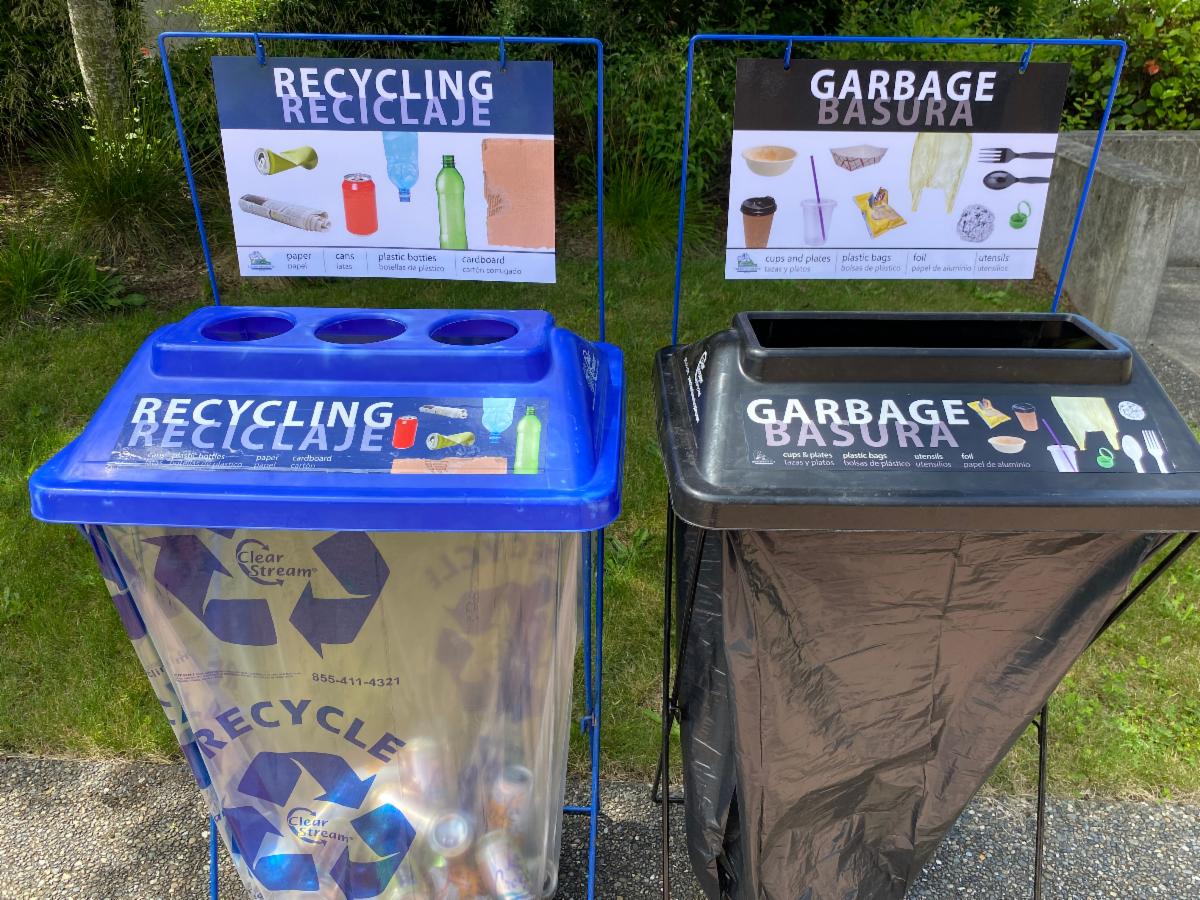
Summer’s the season for sunshine, good food, and making memories. Luckily, the season doesn’t have to come with a full garbage bin. Here are some easy ways to have fun this summer while cutting down on waste.
1. Bring Your Own Dishware to Picnics and Barbeques
Skip the disposable plates and cups. Bring your own instead!
- You can pick up cheap, durable plates and silverware at thrift stores to keep for outdoor use.
- Make your own picnic set (plates, cups, spoons, forks, knives) with items you already own, but don’t mind if they get scratched or chipped.
2. Pack Food in Reusable Containers
Whether you are heading to a Thurston County park or a Puget Sound beach, pack your snacks in containers you can use again and again.
- Want to go a step further? Try making your own beeswax wraps to use instead of plastic wrap. They’re reusable, easy to make, and you can pick your favorite fabric patterns.
3. Shop Local and Package-Free
Check out your local farmers market for fresh produce.
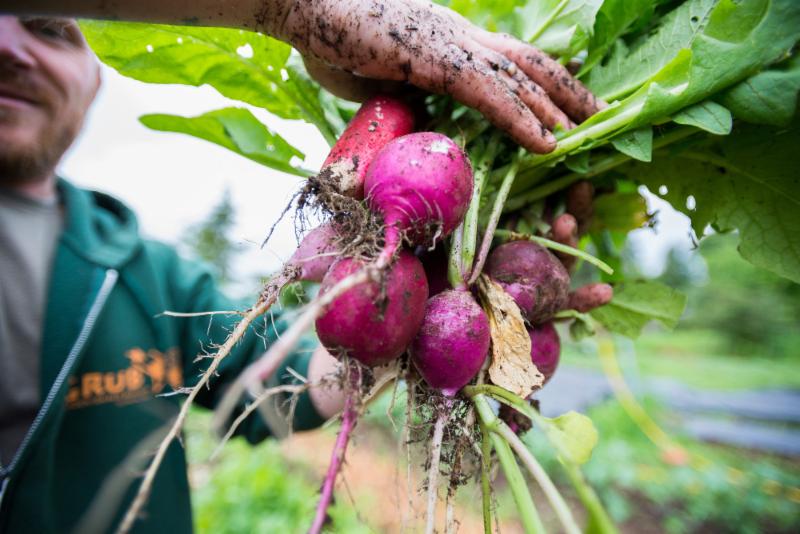
- Not only are you supporting local farmers, but you’re more likely to find fruits and veggies that aren’t wrapped in plastic.
4. Focus on Memories, Not Stuff
You do not need to buy a bunch of things to have a great time.
- Spend your days exploring places around you like libraries, museums, and local parks. Many of them are free or low-cost and are perfect for making lasting memories. You can grab free passes for the Hands On Children’s Museum and Puget Sound Estuarium from the Olympia Timberland Library at the beginning of each month. You can also check out a Discover Pass to explore Washington State Parks for free!
5. Try New Ways to Get Around
Make the trip part of the adventure!
- Bike, bus, or carpool when you can. It’s better for the planet and can even make for a more memorable day. All Intercity Transit buses are free so exploring is easier and more cost effective.
6. Throwing a Party? Borrow-a-Bin!
If you’re hosting an event, check out Thurston County’s Borrow-a-Bin program.
| | How to Prepare Your Garden Tools for Spring | | |
As the days get longer and the weather gets warmer, you’ll see signs of spring all around; flower buds bursting open, blades of grass reaching towards the sky, and fresh growth on trees and shrubs dancing in the wind. Spring weather encourages green growth in your yard, and it may eventually need maintenance to keep it beautiful and healthy. Regular care of your gardening tools and equipment will make them last longer, help you avoid costly repairs, and improve their abilities when pruning, trimming, and everything in between!
Sharpening Metal Blades
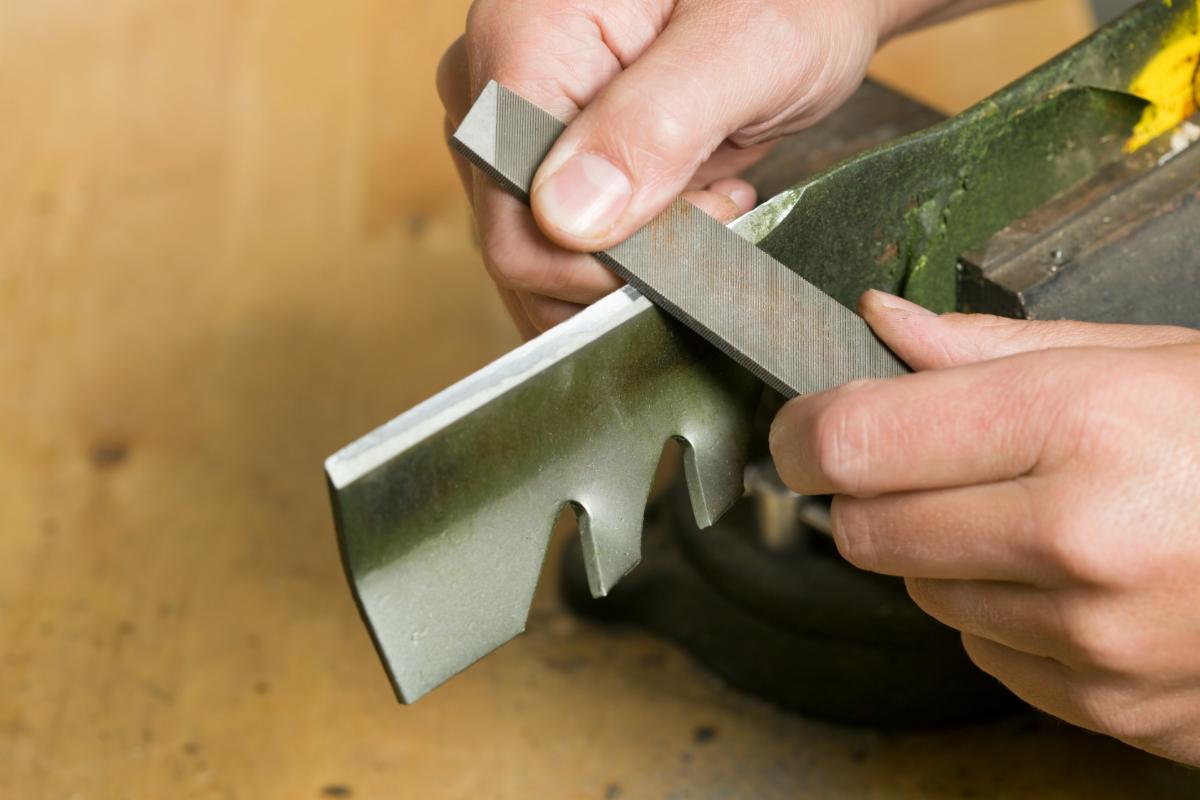
Stones and soil can easily damage tools with metal blades, so you’ll want to sharpen them often to make them easier and safer to use. First, remove any caked-on soil with a stiff putty knife or wire brush, then rinse, and dry with an old rag. If you discover rust, follow the directions below. To sharpen the tool, hold the metal file at the angle of the blade and push the file across the blade away from you. Continue this motion slowly and at the same angle across the entire blade until a shine appears. Repeat this step on the other side of the blade. This method can be used on hand tools like garden scissors or pruners, cultivation tools like hoes, shovels and spades, and lawn mower blades.
Removing Rust from Metal
Rust can quickly degrade a metal tool and needs to be properly removed to help the tool last longer. Soak the rusty part of the tool in distilled white vinegar or cleaning vinegar (cleaning vinegar has a higher concentration of acetic acid, which is the active ingredient in vinegar) anywhere from a few hours up to 12-24 hours depending on the amount of rust and type of vinegar used. After the tools have soaked, remove the tool from the vinegar and scrub with a wire brush, scouring pad, or steel wool. If your tool still has rust, put it back in the vinegar for a few more hours. Make sure to scrub all the nooks and crannies in your tool, then rinse with water to remove the last bits of rust and vinegar. Dry the tool with an old rag and then apply linseed oil to the metal parts with a different rag to prevent future rust. Visit WhereDoITakeMy.org for information on how to safely dispose of oily rags.
Protecting Wooden Handles
If the tool has a wooden handle, sand the rough surface with sandpaper and then apply a coat of linseed oil to prevent future drying and cracking. Visit WhereDoITakeMy.org for information on how to safely dispose of oily rags.
Proper Tool Storage
To store your tools, hang them on hooks in a garage or shed, or any other area that can stay clean and dry. Larger equipment can be covered with a tarp to prevent dirt and debris buildup.
Lawn Mower Maintenance
If you have grass in your yard, you probably have a lawn mower. Routine maintenance will keep your mower running smoothly for many years to come. On top of sharpening the mower blades, you’ll want to check and or change the oil if you have a gas-powered lawn mower (electric mowers do not need oil). Refer to the owner’s manual for directions on how to clean or replace the air, oil, and fuel filters. Thurston County residents can safely dispose of used oil at HazoHouse for free.
Other Tool Tips
Garden tools used in the yard will need a quick cleaning. To prevent rust and the build-up of organic matter, remove any dirt and plant material and rinse thoroughly with water every time the tool is used. Make sure to dry well. The lawnmower deck and wheels should be thoroughly rinsed after use because grass left behind can decompose and cause damage to your machine.
| | What’s the difference between annuals and perennials and which ones should I plant in my yard? | | |
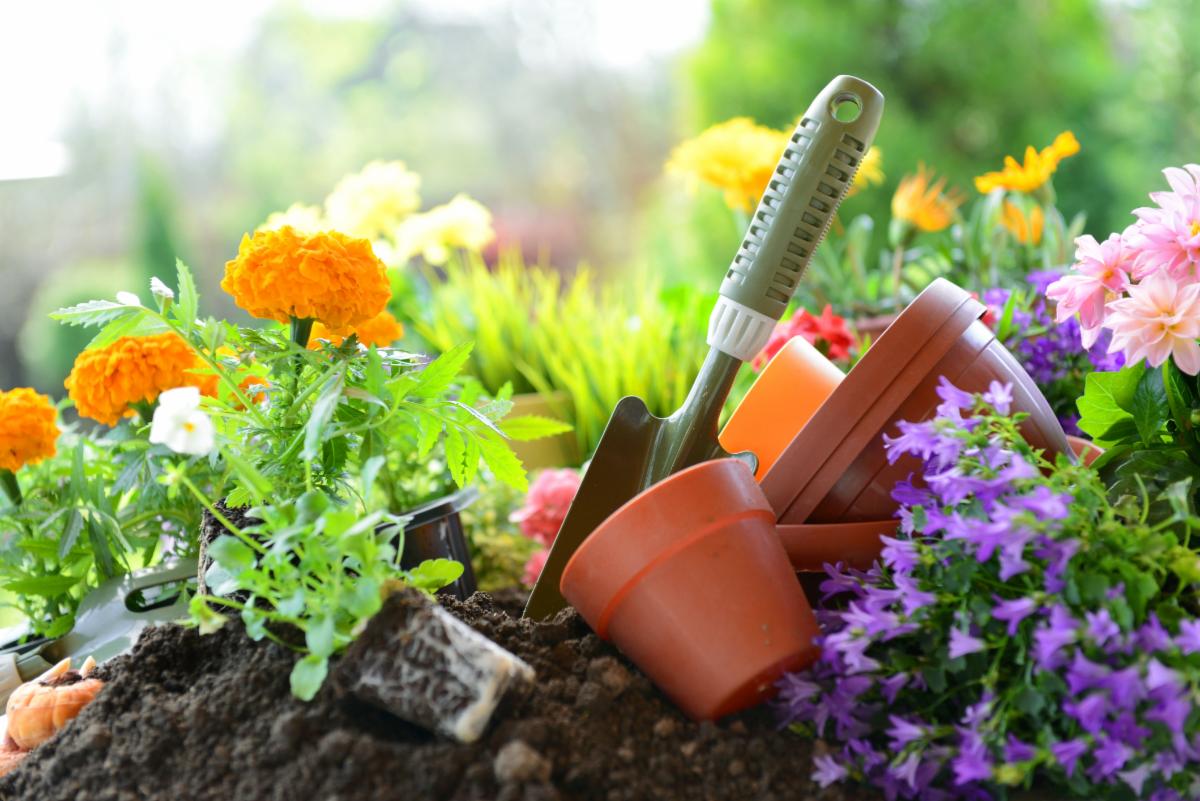
Annuals typically only grow for one season and die in the fall or winter. Perennials die back in freezing weather but can regrow from their base and rootstock year after year. Planting a combination of annuals and perennials in your yard can allow you to enjoy the benefits of both, but how many of each type will depend on a variety of factors. Let’s dig into it!
Annuals are loved for their instant gratification and immediate pop of color wherever planted. An annuals’ goal is to reproduce by setting seeds and will continue to produce flowers until the cold weather arrives. Gardeners can increase the length of the flowering season and the number of flowers their plants produce by “deadheading,” or removing flowers that have finished blooming, so the plant can focus its energy on growing more flowers. Allowing annuals to go to seed can increase the chances of a few popping up next year.
Perennials are a great long-term investment because they will almost certainly come back every year, giving you the most value for your money. They’re also an investment because certain species can be spread out or propagated by splitting up the root system or stem cuttings. While some perennials require pruning and to be divided up over time to keep them healthy and tidy, others are heartier and seem to thrive without any help. When planning your yard design, choose native perennials to add essential habitat and food for pollinators and local wildlife. Once established, most perennials do not need much water. That said, it's important to understand the specific needs of the perennial species to help it thrive. Perennials typically have a shorter flowering season, so plant a variety of species to have continuous color throughout the season.
| | |
Do you have a question for the Thurston Home and Garden editors or a topic you’d like to learn more about? We’d love to hear from you!
Please contact us at 360-867-2674 or send us an email at healthyhomes@co.thurston.wa.us
| | |
If you’re growing any kind of herb, vegetable, flower, or fruit, you want to attract pollinators to your yard. The easiest way to do that is to provide food, water, and places for them to thrive.
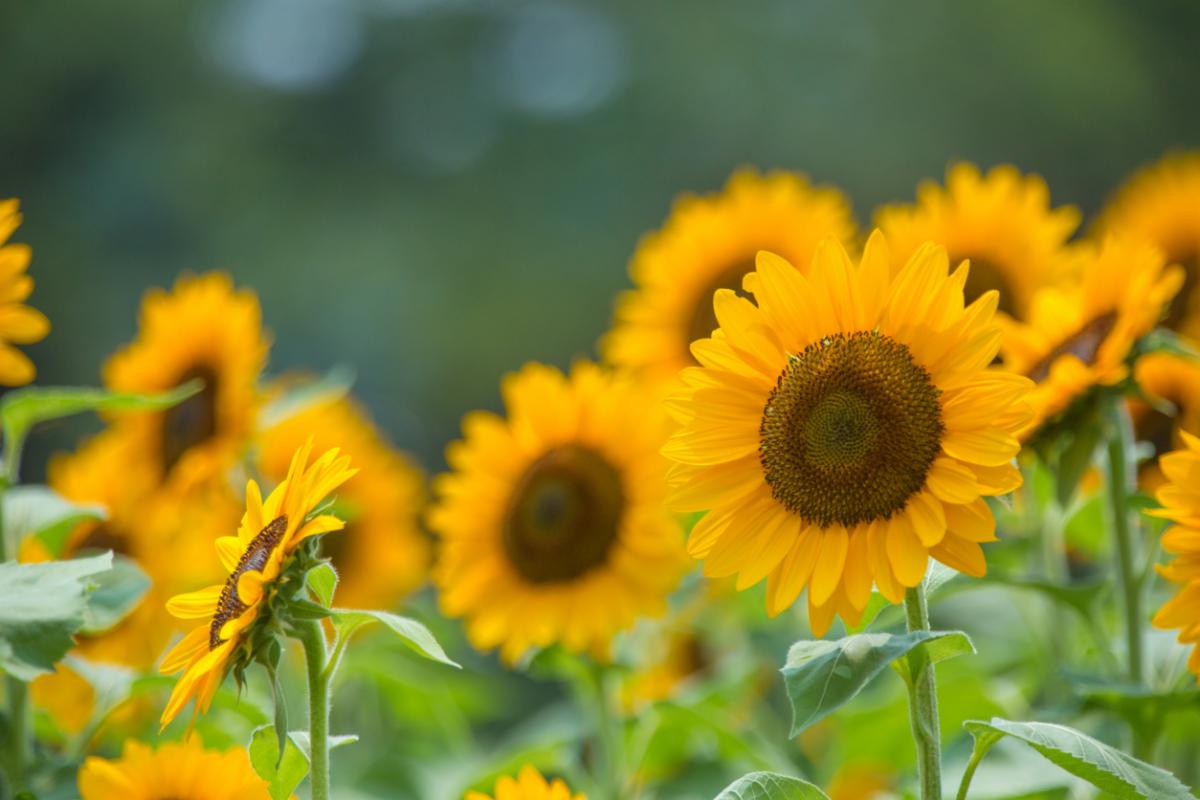
Providing food is easy! Plant flowers and herbs, and pollinators will show right up. Some favorites include calendula, sunflowers, lavender, yarrow, and bee balm, but the list goes on and on. Native plants like red flowering currant, evergreen huckleberry, and Oregon grape do a great job attracting pollinators and other beneficial insects to your yard. Here is a great guide to plants that do well in our area along with the pollinators they attract.
We only need to think about providing water for pollinators in the driest summer months. Place shallow pans of water with a few rocks and sticks for perching areas and place flat stones under hose bibs to catch drips.
To create places for pollinators to live, add mulch to garden beds and let a few areas in your garden get a bit unruly with plants that are going to seed, leave last year’s stems poking up, and include different heights of plants planted together to create healthy habitat.
There are several great plant sales in our area where you can find pollinator-friendly plants that will easily grow in our climate.
Native Plant Salvage Foundation
Thurston Conservation District
Master Gardener Foundation of Thurston County
| | | | |