Dear Serengeti Supporter

Tourism is coming back. A recent news article says travel this year is expected to return to near pre-pandemic levels. Tanzania and Kenya have been courting tourists throughout the pandemic with some success. Now tourist numbers are gradually increasing.

This is a good time to rethink tourism’s role and impact. The income and jobs that nature-based tourism brings has justified the protection of wildlife in a region plagued by poverty. But it's coming under scrutiny as the issue of overtourism comes into focus again.


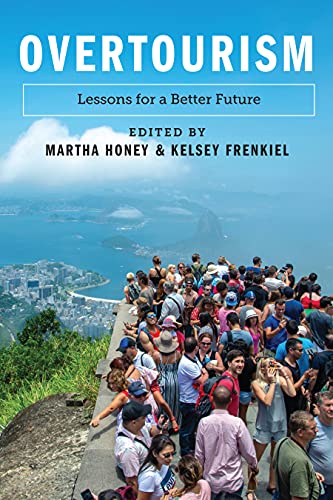
A new book, Overtourism: Lessons for a Better Future, published last year by the Center for Responsible Travel, closely examines tourism impacts around the world. It includes a chapter on the Serengeti, authored by Serengeti Watch Director, David Blanton.
Key points to know about Serengeti tourism

Tourism plays a crucial role in the preservation of protected areas like the Serengeti. Until it doesn’t. Tourism is a two-edged sword that can threaten the very place it seeks to protect.

Kenya’s Maasai Mara, the northern sector of the Serengeti ecosystem, is a prime example. According to a World Bank study, from 1979 to 2016 wildlife dramatically decreased in the Mara: the number of wildebeest seasonally migrating into the reserve dropped by 73%. Giraffes numbers fell by 75%, impala by 67%.

Increased human settlement in and around the Mara has contributed substantially to wildlife decline. But the sheer number of tourists, vehicles, and lodges has had a significant impact. One researcher warned, "We need to limit tourist numbers to save cheetahs from becoming an endangered species."

Kenya needs to reform its policies and protections for the Mara and throughout the country. One group of researchers urged Kenya to "build wildlife protection before it's too late."
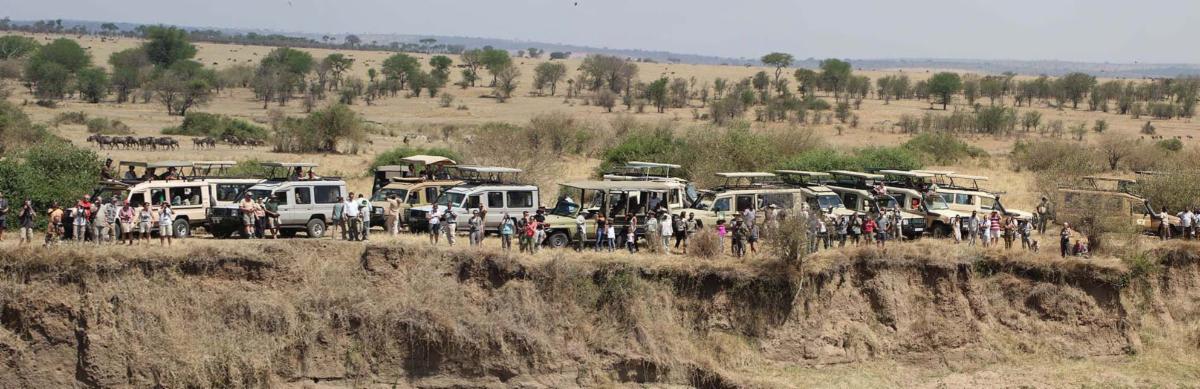
Tourists at a wildebeest river crossing. Photo: Xavier Surinyach
Tanzania’s section of the Serengeti ecosystem, Serengeti National Park, has fared better because it's so much bigger, ten times the size of the Mara. And it has only half the number of hotels and lodges.

Still, tourism is often is concentrated on a few key areas of the park, and this has resulted in congestion, especially during wildebeest river crossings in the north. (see above photo) Guides are under pressure to please clients, and sometimes don't obey the rules. We learned that a tourist vehicle jockeying for position at a river crossing actually hit a young zebra!

For the Serengeti, the right kind of tourism is high-value, low-density nature tourism. So far, Tanzania has followed this model, and it’s important that it continues. To its credit, Tanzania is seeking to diversify its tourism by promoting other less visited parks and reserves.

This is the renewed challenge as tourism again takes off. We'll be watching as this develops.

Consider making an automatic recurring gift throughout the year.
Just specify the Recurring Frequency on our giving portal.