|
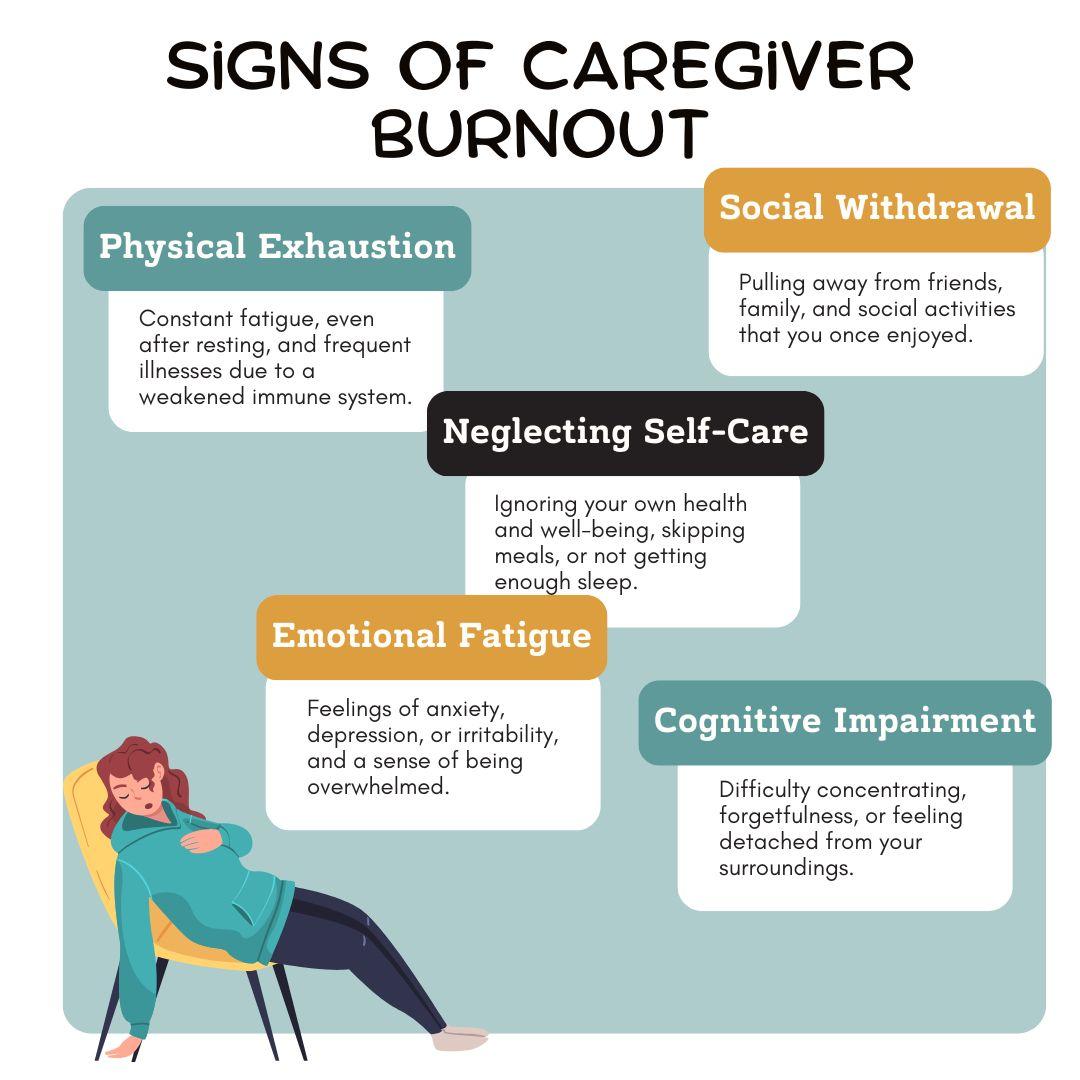
Here are ways to protect your well-being while continuing to care for your loved one:
1. Prioritize Rest
You can’t pour from an empty cup. Schedule regular breaks, aim for at least 7 hours of sleep each night, and don’t feel guilty about resting. Your health matters too.
- 5–10 minutes to mediate or stretch can help reset your energy
- Block off at least 30 minutes a day just for yourself
- A short nap (20–30 minutes) can boost alertness and mood.
2. Set Healthy Boundaries
Saying “no” doesn’t mean you don’t care, it means you’re protecting your energy. Make a list of what you can do and cannot do, then communicate it clearly with other family members or support networks.
- Saying “yes” only to tasks you can do realistically
- Asking other family members to take on specific roles (e.g., meals, bills, errands)
- Keeping one day or evening each week for you
3. Lean on Support
Support reduces isolation and reminds you that you're not in this alone. Consider:
- Joining a caregiver support group (online or local)
- Calling a friend just to talk
- Asking for help with one task this week
4. Journaling
Writing helps release stress and clarify your thoughts. Try these once a week:
- What part of caregiving brings me the most meaning?
- What was difficult this week, and how did I respond?
- What do I need more of right now?
- Who could I ask for support or encouragement?
5. Physical & Mental Self-Care
Taking care of your body and mind is essential, especially when you’re caring for others.
- Eat nourishing meals; drink enough water throughout the day
- Move your body with stretching, walking, or light exercise
- Set a positive intention or say one thing you’re grateful for daily
- Reflect on one emotion you experienced today and acknowledge your efforts
- Engage in a hobby or activity that brings you joy
|