|
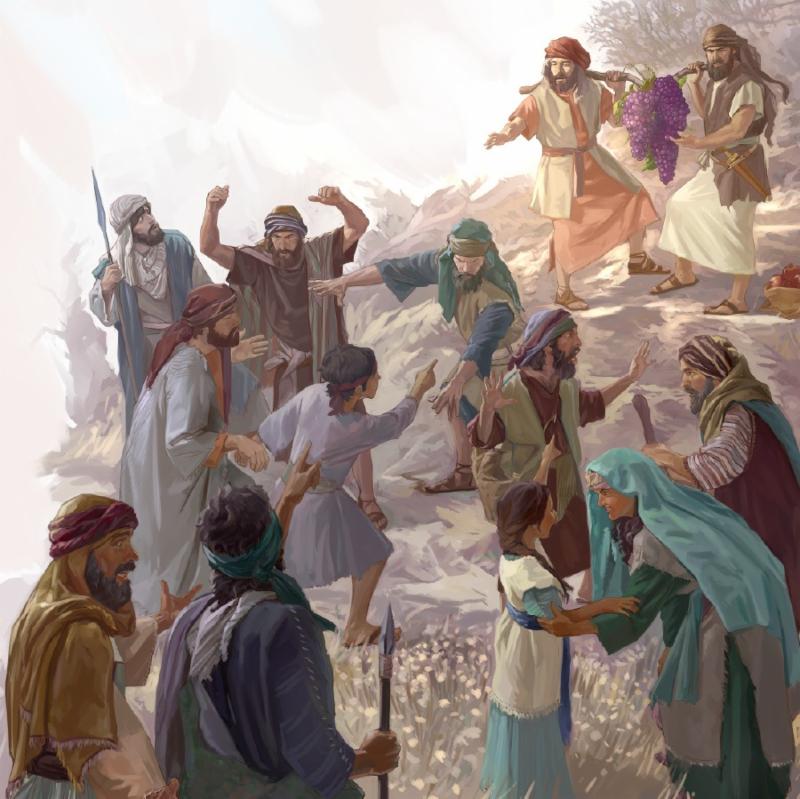
Within two years after the Children of Israel had departed from Egypt, they arrived at the threshold of their promised homeland. At the request of the people, Moses sent spies to explore the territory in preparation for their settlement in the land. However, the spies spoke unfavorably of the land, discouraging the people from entering the land. The people cried in despair and panic at the report of the spies. They sought to replace Moses with another leader who would return them to Egypt. Rashi, one of Judaism’s most famous Torah scholars, said that because the people cried without a cause on that night, God established that night for them as a time of weeping throughout the generations. That night was Tisha B’Av, the ninth of Av, on the Jewish calendar.
Consequently, Tisha B’Av has been one of the most infamous dates on the Jewish calendar in which many tragedies have befallen the Jewish people. The most prominent of these tragic dates have also been milestone events that have had a major impact on the journey of B’nai Anusim.
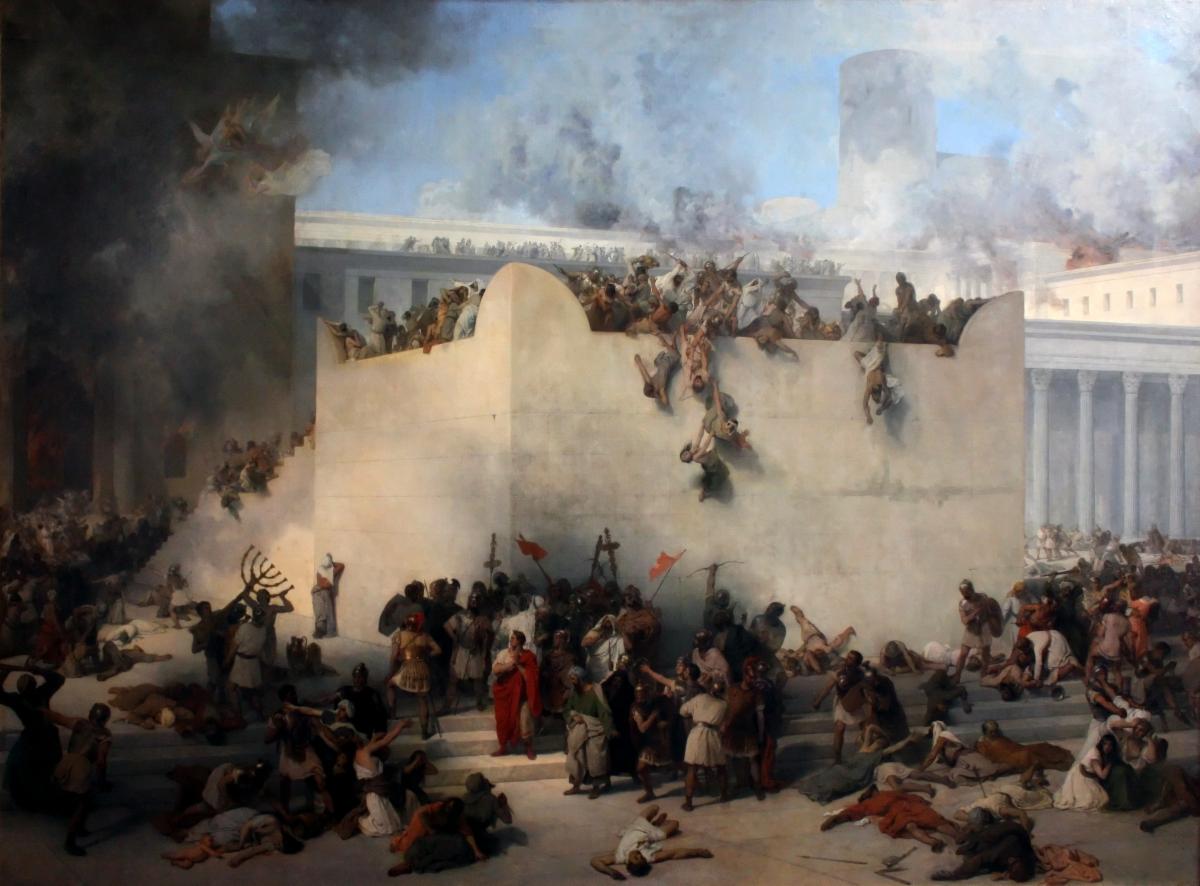
In 586 BCE, the Babylonians conquered and ravaged Jerusalem. On Tisha B’Av, they burned the Holy Temple that King Solomon had built. A great number of Jewish men, women, and children were massacred, while others were carried into exile. According to Isaac Abravanel, a renowned Rabbi and a financial assistant to King Ferdinand and Queen Isabella, some of the exiles managed to escape and fled to Spain. They settled in the city of Pirisvalle. The Jewish settlers renamed the city Toledo, which Abravanel claims is derived from a Hebrew word that means exile or wandering. This Jewish community was a forerunner of Jewish settlements that would be established throughout Spain in later generations.
|