Forage for Thought
February 2021
|
|
Greetings to my Forage for Thought Readers,
What's new in the world of equine digestion? There are two areas that come up again and again that do not seem to have a straight-forward remedy.
In this issue of Forage for Thought, I offer you a fresh way to approach two common problems: (1) Fecal Liquid - though not harmful, it is very difficult to manage. (2) Choosing lecithin and apple pectin for horses who are prone toward developing ulcers.
Hard to believe that January is behind us. Make each day last longer by being aware of how you spend your time. Too many of us go through our days on "auto pilot" and time whizzes by.
Wishing you good health!
Always looking out for you and your horses,
Dr. Juliet Getty
|
|
|
|
Update your Forage for Thought information with your birthday and you'll receive an email on your special day offering you 10% off on your next supplement or book purchase.
|
|
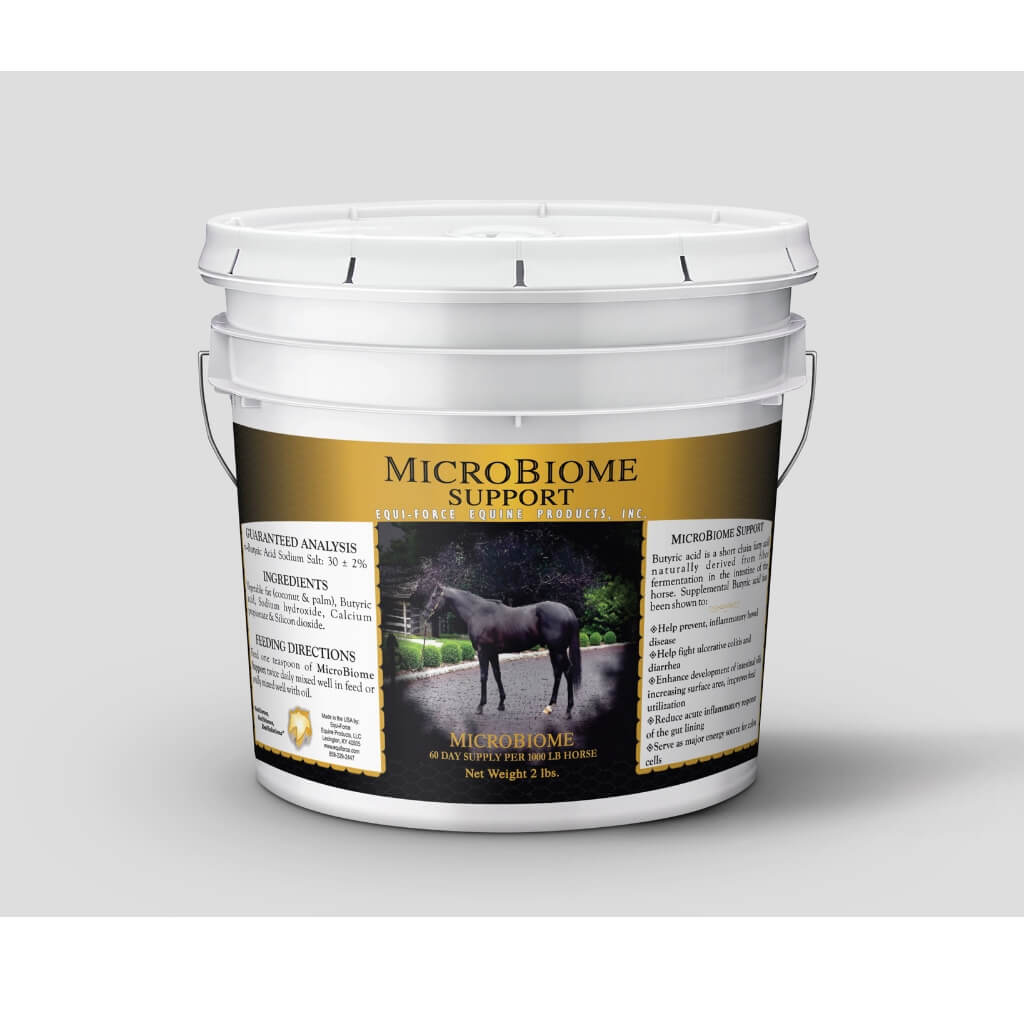
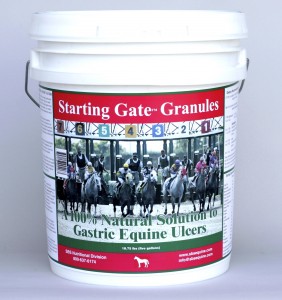
Getty Equine Nutrition is delighted to offer you the following nutraceuticals to help you with the digestive issues described in these two articles.
|
|
Fecal Liquid - Solved!
by Juliet M. Getty, Ph.D.
“Fecal Liquid” or sometimes referred to as “Fecal Liquid Syndrome” is very difficult to deal with. It is characterized by normal manure, followed by a stream of liquid. It is messy, irritating to your horse’s skin, and hard to clean up, especially when the weather is cold.
While the exact cause is not clear, is appears to be caused by some form of stress, particularly social stressors such as changes in living arrangements, introduction to new horses, excessive travel, or the loss of a close buddy.
Changes in turnout or exercise schedules can exacerbate digestive disturbances, as can abruptly changing the diet, whether it be a new hay, commercial feed, or supplement.
Ulcers can also lead to this condition, so it is important to rule those out and take measures to prevent ulcers such as 24/7 access to forage, and room to roam.[1]
But in all these situations, the underlying problem is inflammation within the hindgut.
The cure may be sodium butyrate
Sodium butyrate, also known as “butyric acid,” is not new to the horse. In fact, your horse produces it daily as a product of fiber digestion, along with two other volatile fatty acids (VFAs), propionic and acetic acids. Together, these three VFAs provide energy to the horse’s cells.
When butyric acid is added as a supplement,[2] it can help maintain a healthy intestinal mucosal lining by reducing inflammatory molecules known as cytokines and providing energy for intestinal cells.
Sodium butyrate does more than reduce fecal liquid.[3] It makes the horse healthier by combating harmful changes in the microbiome that can lead to reduced immune function, poor performance, irritable behavior, and even the inability to gain weight. Butyric acid also helps the insulin resistant horse through its ability to increase hormones that work toward keeping blood sugar levels stable.
When supplementing it, always start with a “pinch” to allow the horse to become accustomed to the new taste, which can smell somewhat like soured milk. Just a little bit of trivia… butter is high in butyric acid, hence the name. But it is not recommended that you feed butter to your horse!
Bottom line
Sodium butyrate is beneficial for any digestive disturbance, but the one that seems to cause the most frustration is fecal liquid. By nourishing the intestinal cells, and reducing inflammation, you are highly likely to have a much more comfortable horse.
____________________________________
Permission to reprint this article is granted, provided attribution is given to Juliet M. Getty, Ph.D. No editorial changes may be made without her permission. Dr. Getty appreciates being notified of any publication: gettyequinenutrition@gmail.com
|
|
Veterinarians are considering lecithin for treating and preventing ulcers
by Juliet M. Getty, Ph.D.
Your horse has an ulcer? “Give him omeprazole.”
Your horse is traveling on a long trip? “Give him omeprazole.”
Your horse is taking pain medication? “Give him omeprazole.”
Sound familiar?
Omeprazole, produced by Merial as GastroGard® and the less concentrated UlcerGard®, is the go-to drug for all these reasons and more. One of my clients recently said, “The people at my barn feed omeprazole like it’s candy!”
Does omeprazole have any benefits?
Yes, particularly for ulcers that are found in the upper squamous region of the stomach that is not protected by a mucus layer. Short term usage is usually not problematic as long as care is taken to wean the horse off of it, lest there be a rebound acid effect.
But usage beyond 4 weeks, or giving your horse omeprazole for other reasons, is not a good idea. Firstly, it almost completely eliminates stomach acid. Stomach acid should not be treated as a nuisance and removed! It is absolutely necessary for protein digestion. Without it, your horse can experience protein deficits, which can result in loss of muscle, depressed immune function, poor digestion, and hormonal imbalances.
In addition, stomach acid is your horse’s first line of defense against damaging microbes that he may pick up off the ground.
Furthermore, omeprazole inhibits calcium and magnesium absorption, as well as other minerals, potentially damaging metabolic pathways and bone health.
But there is a better way
Many veterinarians are finding the use of lecithin, along with apple pectin, to be very intriguing in its apparent health benefits in preventing and treating gastric lesions.[1] And more recently, it has been used for racehorses (who typically suffer from ulcers),[2] as well as horses who experience forage restriction.[3] And if omeprazole is used initially for existing ulcers, lecithin with apple pectin can be used as a “second tier” treatment after a short term course of GastroGard®, to further heal irritated tissues.
Lecithin is the common term of a phospholipid known at phosphatidyl choline (PC). PC is a naturally occurring substance, incorporating itself into cell membranes; it is the most abundantly found phospholipid in animal and plant cells, and is commonly derived from soybeans, though can be derived from other plants. Chemically, it primarily consists of essential fatty acids, linoleic acid (omega 6) and alpha linolenic acid (omega 3), along with a molecule of choline (an essential B vitamin-like nutrient).
Apple pectin, when combined with lecithin, offers a synergistic approach in avoiding ulcers. Pectin is a water-soluble fiber which acts with lecithin to form a hydrophobic barrier on the gastric mucosal membranes, protecting them against the corrosive effect of stomach acid. This combination is perfect for horses that are on any type of pain medication, particularly NSAIDs such as phenylbutazone (bute), Flunixin (banamine), or long term usage of Firocoxib (Equioxx or Previcox). It can also be beneficial in preventing the ulcers that can develop from external stressors such as isolation, travel, showing, or the demands of training.
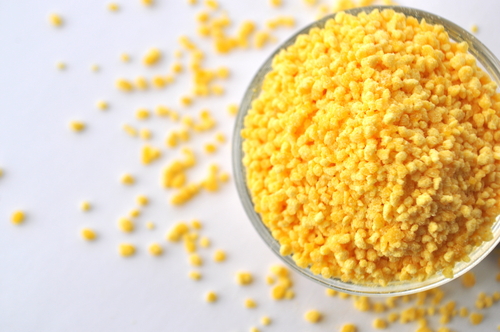
Lecithin granules and apple pectin can be purchased in any health food store, or in bulk through online providers. I recommend feeding ½ cup of lecithin plus 2 Tablespoons of apple pectin once or twice daily, or you can purchase them together as a supplement for horses.[4]
[1] Venner, M., Lauffs, S., Deegen, E., 1999. Treatment of gastric lesions in horses with pectin-lecithin complex. Equine Veterinary Journal Supplement, April, 29, 91-96.
[2] Sykes, B.W., Sykes, K.M. & Hallowell, G.D., 2013. Efficacy of a combination of a unique, pectin-lecithin complex (Apolectol), live yeast, and magnesium hydroxide in the prevention of EGUS and faecal acidosis in Thoroughbred racehorses: A randomized, blinded, placebo controlled clinical trial. Equine Veterinary Journal, 45, 16.
[3] Woodward, M.C., Huff, N.K., Garza, Jr., F., et.al., 2014. Effect of pectin, lecithin, and antacid feed supplements (Egusin) on gastric ulcer scores, gastric fluid pH and blood gas values in horses. Eleventh International Equine Colic Research Symposium, Dublin, Ireland, July 2014, 7-10.
____________________________________
Permission to reprint this article is granted, provided attribution is given to Juliet M. Getty, Ph.D. No editorial changes may be made without her permission. Dr. Getty appreciates being notified of any publication: gettyequinenutrition@gmail.com
|
|
Dr. Juliet Getty Speaks about Digestion Issues in two formats
Recorded Seminars ($9.95 each):
Interview Podcasts (Free)
Listen to Dr. Juliet Getty, special guest on Jim Swanner's, "All About Horses" radio program:
|
|
Dr. Getty's books make excellent additions to your library |
Juliet M. Getty, Ph.D. is an independent equine nutritionist with a wide U.S. and international following. Her research-based approach optimizes equine health by aligning physiology and instincts with correct feeding and nutrition practices.
Dr. Getty’s comprehensive resource book,
Order Feed Your Horse Like A Horse HERE
|
|
The seven separate volumes in Dr. Getty’s topic-centered “Spotlight on Equine Nutrition” series are available with special package pricing at her website, and also at Amazon in print and Kindle versions. Dr. Getty’s books make ideal gifts for equestrians.
Titles:
- Easy Keeper - Making in Easy to Keep Him Healthy
- Laminitis - The Latest Research
- Joint Health - A Nutritional Perspective
- Equine Cushing's Disease - Nutritional Management
- Aging Horse - Help Your Horse Grow Old with Dignity and Health
- Equine Digestion - It's Decidedly Different
- Whole Foods & Alternative Feeds
|
|
Dr. Getty has selected supplements that she feels are beneficial for your horse. She doesn't manufacture these supplements; she remains completely independent, making her free to offer her unbiased opinion on how to best meet your horse's needs.
|
There are no minimum orders, no service charges -- simply Free Shipping on all products (except books).
|
|
|
|
|
|
|