Vermont Public Health in Focus

Vermont Public Health in Focus highlights the work of your Health Department, both behind the scenes and in the field, by providing examples of how public health benefits entire communities by supporting the mental, physical, and social well-being of everyone in Vermont. Thank you for standing with us and supporting the work we do. 


In this month’s issue, we’re taking a closer look at how the Health Department is working with partners to prevent overdoses among construction workers and how we support food access for eligible Vermont families.


See last month's edition here.

Working to Prevent Overdoses in the Construction Industry

Construction workers at a job site.

Construction workers on a job site.

One way public health helps to save lives


While only 5% of Vermonters worked in the construction industry in 2022 and 2023, nearly a quarter of Vermonters who died of an overdose worked in this industry.  

These findings led the Vermont Department of Health, the Department of Aging and Independent Living, Invest EAP and the Association of General Contractors/VT Chapter to take action. Together, they promote mental health services and worker safety in the construction field.  


This partnership has brought targeted training to people working in the construction industry on first aid, mental health, substance use disorder education, overdose response and naloxone use (a life-saving medication that can reverse an overdose caused by prescription or non-prescription opioids). It also helped expand access to harm reduction resources.  


At the Health Department, we take data seriously. It helps us detect trends, identify risks and guide our decisions that protect Vermonters’ health. 


"It's important to remember that this data represents real people with full lives, friends, and family. So, when we see a trend or something that stands out in our data, we call attention to it and act on it in hopes of saving lives,” explains Mary Fafard, a spokesperson for our Health Statistics and Informatics division at the Department of Health. 


The Vermont Department of Health also offers free naloxone, fentanyl test strips and written instructions to anyone who wants them, delivered right to your door through our mail program. Order yours today  


Don’t want to use the mail? Kits are also available at distribution sites across the state. Carrying naloxone with you could save a life.  


The Latest in Public Health

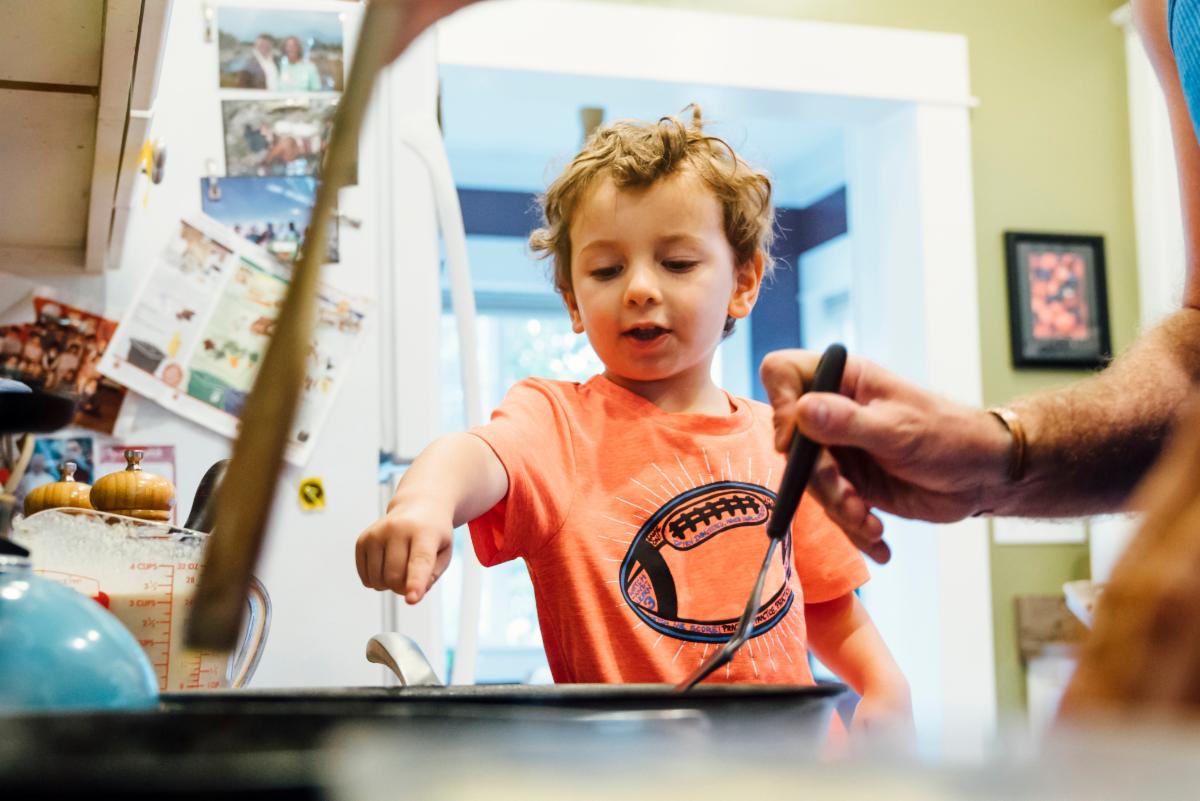
Young child helping their parent cook on the stove.

Parent and child cooking a meal together.

Maintaining Food Access for Children and Families Through WIC


You may have seen a lot of news lately about food access, and it’s no surprise why. Many people in Vermont and across the country have recently faced uncertainty about how they will get the food they need. At the Health Department, we understand that access to affordable, nutritious food is essential for everyone to have an equal chance to be their healthiest selves. One way we support this is through the Women, Infants, and Children (WIC) program.  


WIC provides food, nutrition education, and so much more to around 10,400 participants in Vermont each month. Vermont residents who care for children under 5 years and meet income requirements can apply. This includes foster families, grandparents and pregnant people.  


"WIC continued to operate as normal during the shutdown, so families that rely on these benefits were still able to access them,” says Karen Flynn, Director of Health’s Division of Family and Child Health WIC Program. “Reallocated and contingency funds from USDA, rebates, and some revenue from tariffs were combined to cover food benefits for October and November. Federal Fiscal Year funds for 2026 were approved this week and provide full funding for WIC through September 30, 2026.” 


Want to learn more about WIC? Check out HealthVermont.gov/WIC.  

Do you or someone you know need food and other resources for your family? Check out HealthVermont.gov/WIC-Community-Resources.


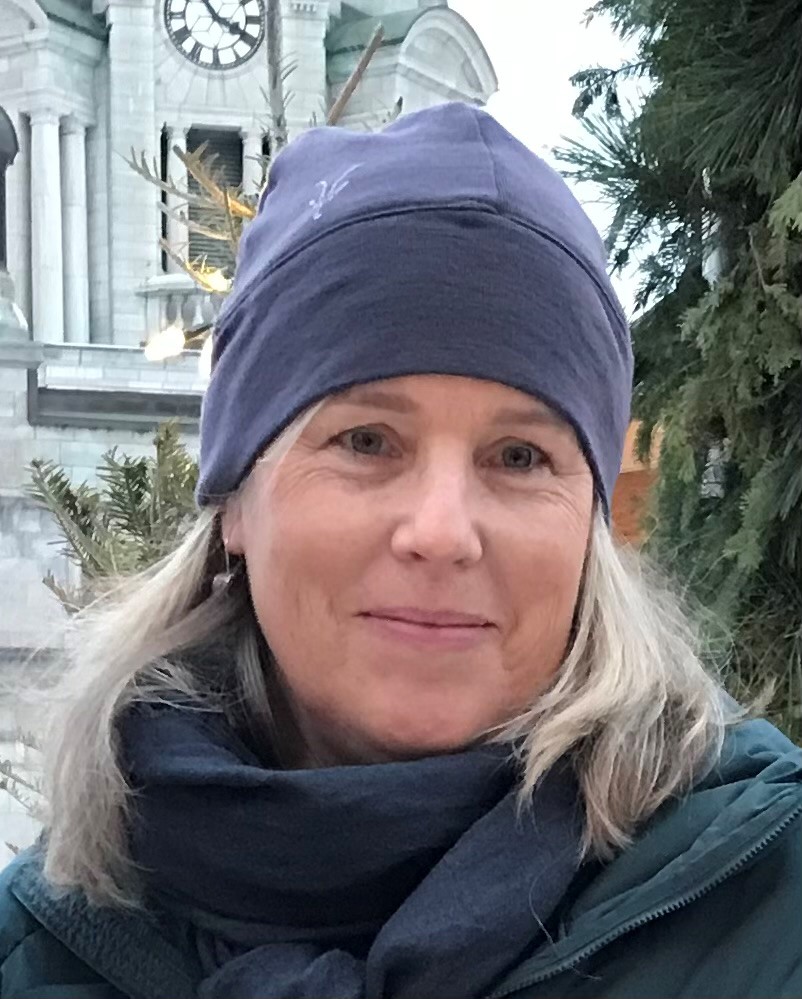
Karen Flynn


This article was written in collaboration with Karen Flynn, Director of Health’s Division of Family and Child Health WIC Program.


Karen Flynn

In the Media

Check out these recent local news stories featuring subject-matter expert interviews and information provided by the Health Department.


Facebook  X  Instagram  LinkedIn  Email  YouTube  Web