|
“People don’t need brands to tell them how to live their lives. They just need to live their lives. And they only use brands to complement their lifestyles wherever they see fit — in ways that add value to them. And not the other way around,” said Dr. Martina Olbert.
Tommy Bahama: A Case Study In Lifestyle Branding
| |
|
Lifestyle branding is ubiquitous in marketing circles. Companies spent over $7 billion on lifestyle advertising last year and are expected to allocate some $10 billion by 2027, nearly a 10 percent compound annual growth rate from 2022, according to Statista.
A lifestyle brand is generally defined as a brand that connects on a deep emotional level with customers by reflecting their values, aspirations and attitudes. In fact, this emotional IQ is so powerful that the customer can say the brand “gets me, understands me” and in some existential sense, “is me.”
But is this positioning authentic? In truth, lifestyle brands are thin on the ground. A rare few reach that level, namely megabrands with mega-advertising budgets like Nike, Levi’s, Ralph Lauren, Patagonia, Wrangler Jeep, Louis Vuitton, and Apple. But far more brands claim the honor without having earned the right from the people who matter most: customers.
One brand has reached lifestyle brand status operating largely under the radar for years without extensive advertising or carefully calculated marketing strategies: Tommy Bahama.
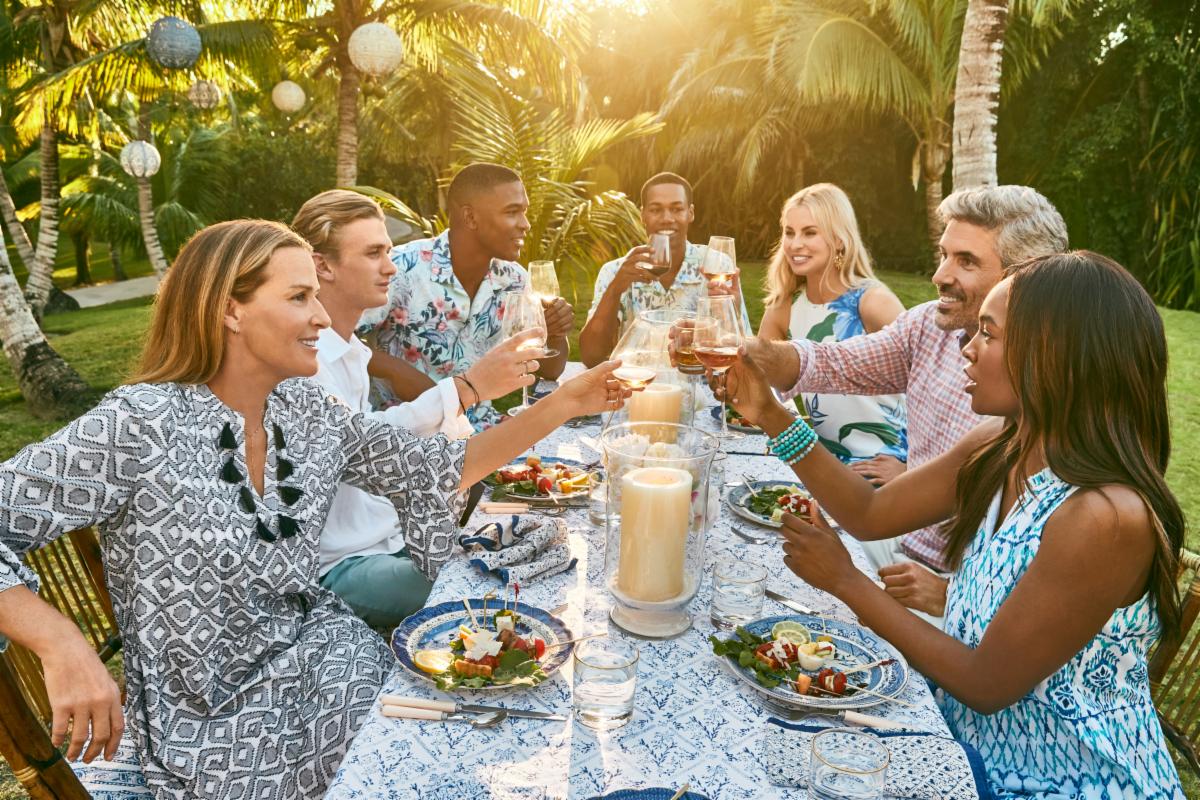
It’s a lifestyle brand embodying the authentic tropical island experience. It’s for those who work hard and play hard and who want to keep that vacation feeling all year long. The brand has succeeded by “putting a little sand into everything we do,” as CEO Doug Wood says.
Tommy Bahama covers all the bases that typically characterize a lifestyle brand, including apparel, home, spirits, restaurants and now a branded resort. Instead of following a top-down lifestyle marketing strategic playbook, Tommy Bahama let the brand grow organically bottom-up from its fashion roots into what it has become.
| |
|
“From previous studies, we knew opening or closing a store impacted online traffic, but with this new study, we got more granular using credit card data. Retailers assume that people are going to go to the online site to make purchases after a store closes, but they often don’t,” said Stephanie Cegielski, ICSC.
Store Closures Can Hurt More Than Help Retailers’ Bottom Line
| 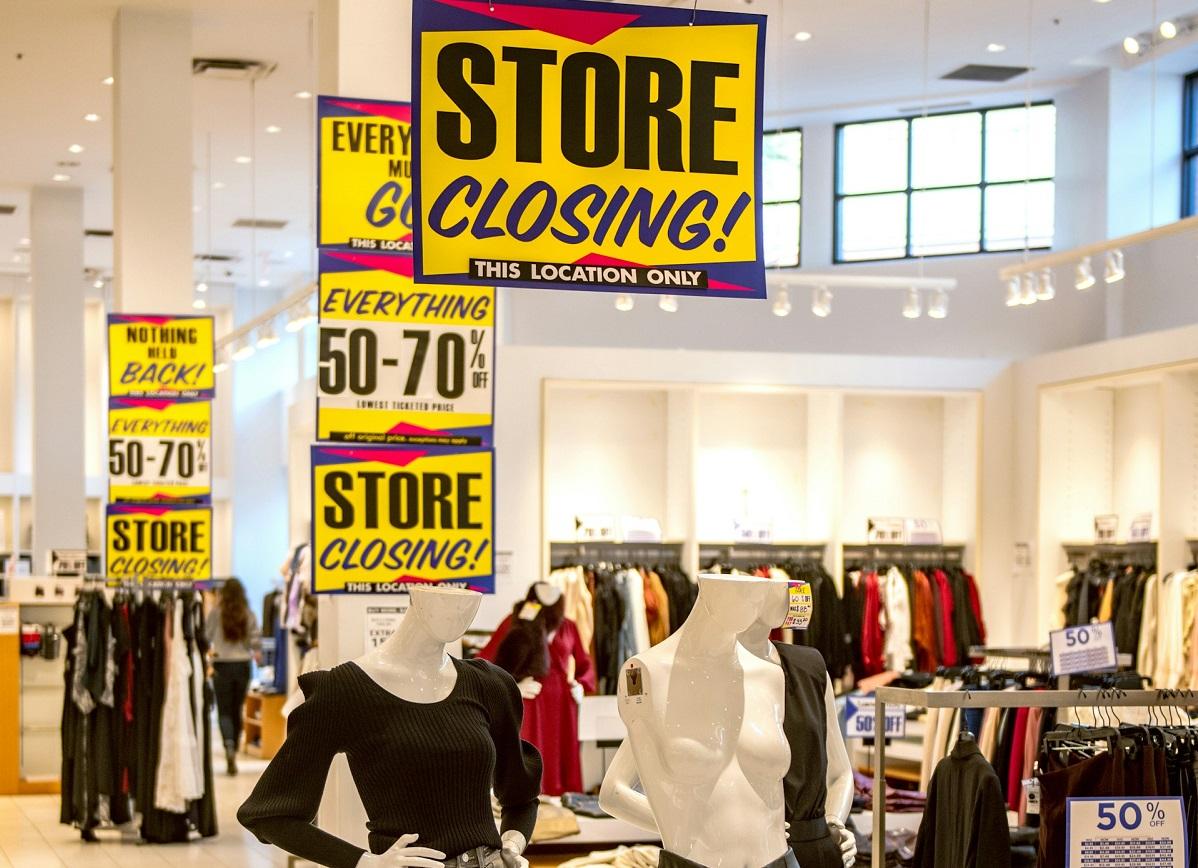 | |
Everybody knows that opening a store in a new location can have a positive impact on sales not just in that location but in online traffic overall. It’s the “Halo Effect.” But closing a store can result in more than just lost sales in that particular store. That’s called the “Horn Effect,” the negative flip side of the halo effect.
Based on a new study from ICSC calculating both the halo and horn effects, the devil beats the angels. Store closures have a greater negative impact on online sales than opening a store has in driving more online traffic.
Measuring the halo effect, the ICSC found that after opening a store, online sales increase by an average of 7% over the next 13-weeks in the trading area. Even greater benefits accrue to emerging retailers. Their online sales are boosted 14%, which explains the rush for digitally-native brands to open brick-and-mortar locations.
Retailers close stores when the costs of operating them is greater than the sales and profits they bring in. That's pretty easy to calculate.
But here’s some math that needs to be added to the calculation: After closing a store, retailers lose nearly 12% in online sales in the local trading area, almost double the online business gained when opening a store.
And depending on the type of retail store, the online losses can be significantly higher. For example, fashion retailers that closed stores experienced greater losses in online sales than those that expanded the number of stores, 22% down for closers compared with a 12% increase for openers.
Further, there’s reason to believe that the losses will continue to mount as time goes by; out of sight, out of mind.
| |
|
“There is always this paradox of growth for the luxury industry because some of these brands are double-digit billion dollar businesses and need to grow by expanding the customer base. But what is happening this year is that the core customer base is not growing, so brands must focus on their top spenders and key customers,” said Federica Levato, Bain.
How Resilient Is the Luxury Market? It Will Be Tested In 2024
| |
|
Against a backdrop where the global luxury market will grow between 8% and 10% across all categories, the personal luxury segment’s growth is more muted, projected to advance by only 4% in 2023 at current exchange rates, according to the latest Bain-Altagamma luxury market study.
The total luxury market will reach $1.65 trillion (€1,508 billion) this year, including automobiles, experiences, wines and spirits, home furnishings and art. Personal luxury goods will account for 24% of the market and close the year with about $400 billion (€362 billion) in revenues. This segment includes clothing, fashion accessories, beauty, jewelry and watches.
Summing up the year that almost was, report co-author Claudia D’Arpizio said in a statement, “This is a defining moment for brands, and the winners will separate themselves through resilience, relevance, and renewal—the basics of the new value-centered luxury equation.”
Yet, looking forward to 2024, D’Arpizio signals cautious optimism for the personal luxury goods sector, which may well slow from its 4% rate of growth this year to something less next, noting “fragile consumer confidence, macroeconomic tensions in China and spare signs of recovery in the U.S.”
And along with those headwinds is the possibility of even more from the “disruptive changes in the global sociopolitical situation,” a diplomatic way of saying the world hangs in the balance.
| |
“For affluent consumers, luxury is a privilege, not a right, and as they look at the challenges they and the world at large face this coming year, they are signaling a willingness to trade off excess spending on luxury. Many plan to batten down the hatches and ride out any potential economic storm, as they did in the Great Recession of 2008 and 2009,” said Chandler Mount, Affluent Consumer Research Co.
Luxury Brands Must Prepare For A Reset:
Here's The How And Why
| |
Over the last three years, the luxury market has experienced a whirlwind of change. After rising 7 percent in 2019 before the pandemic, it suffered a steep decline in 2020, only to bounce back with spectacular growth through 2021 and 2022.
Bain-Altagamma expects the good times to keep rolling in 2023. “The personal luxury market is projected to see further growth of at least 3-8 percent next year, even given a downturn in global economic conditions,” they predict.
However, since the past is often the best predictor of the future, a different outlook is suggested based on results from the Great Recession of 2008 and 2009. Global personal goods luxury sales dropped 9 percent from 2007 to 2009, disproving the conventional wisdom that the luxury market is immune to economic downturns.
Whether the economy takes a slight tumble or a big fall in 2023, more economists are warning about an economic downfall that will impact the luxury market too. Analysts are warning of a potential " Richcession."
To prepare the Washington, DC-based Affluent Research Company has just published a new study among 2,000+ affluent consumers, called Research The Affluent Luxury Tracker. It provides a forward look at how the affluent will adapt their spending and purchase behavior if the economy falters, which they fully expect it will.
“Affluent luxury consumers are the most highly-educated and well-informed consumers, and some 69 percent see a recession coming within the next six months, if it isn’t already here,” said Chandler Mount, the study’s lead researcher.
“Anticipating the worst, the affluents aren’t waiting for the other shoe to drop. Nearly half (48 percent) surveyed said, ‘Now is a good time to limit my purchasing,’” he continued, noting that the survey sample was skewed heavily toward high-net-worth-individuals (HNWI) with $1+ million net worth (excluding their primary residence), a notoriously difficult consumer segment to survey.
Not unexpectedly, the HENRYs, with less than $1 million net worth, were more inclined to cut back (52 percent). But even 46 percent of the HNWI are lining up to reduce their purchasing. This will pose significant challenges to luxury brands that depend upon the HNWI’s greater spending power if they do pull back.
| |
“A groundbreaking and truly exceptional instruction manual offering a wealth of marketing insights and information, Meet the HENRYs is impressively well written, organized and presented, making it highly recommended.” writes Midwest Book Review.
Meet the HENRYs: The Millennials that Matter Most for Luxury Brands
| |
Meet the HENRYs breaks new ground by uncovering a new target consumer--Millennials with money.
It's a segment of the largest generation of Americans with more discretionary income than the rest of the cohort today and poised to acquire more money in the future.
These are the millennials that matter most to brands today and tomorrow
For the foreseeable future, millennial HENRYs (High Earners Not Rich Yet) will be the consumers that every brand manager, marketer and retail executive will need to know well.
This subset of the largest generation of Americans, earns between $100K and $250K–the income cohort that accounts for 40 percent of all household spending. Most important, however, these are the consumers who are on track to become the ultra-affluent ($250K +) of the future.
This forward-looking book examines trends and profiles emerging disruptive brands that millennial HENRYs are drawn to, and explains how many of these innovative brands are setting themselves apart from the traditional top-tier luxury brands.
It takes you on a deep-dive into the steps the smartest of the traditional luxury brands and retailers are taking to keep up with a new generation of consumers who are anything but traditional in their approach to luxury spending.
| |
Unity Marketing | 717-336-1600 or pam@unitymarketingonline.com | | | | |