|
Cancer News Digest, December 2023
Visit our website
CFC #11967
| |
Top 10 Articles From 2023 | |
|
Have you ever wondered which of the more than 500 articles on our website are the most popular? You might be surprised — and you’ll probably want to read at least a few of them. Be sure to read about our contest at the bottom of this email!
Let’s start with #10:
| |
#10 Can a handful of nuts a day keep cancer away?
You may know that nuts are part of a healthy diet, but did you know that they also reduce your risk of getting cancer? Walnuts, peanuts, and other popular nuts, seeds, and legumes are rich in omega-3 fatty acids, which are anti-inflammatory and help prevent cancer. Read more about the benefits of nuts, seeds, and legumes on different types of cancer in our article here. Maybe while also enjoying a handful of nuts.
| |
|
#9 ‘They killed her’: Why are breast implants still putting millions of women at risk?
Breast implants are often a deeply personal decision for women who've undergone mastectomy, but they have become more controversial because they can cause several types of rare cancers. The most common and well-known complications from breast implants include ruptured implants; hardening of the scar tissue around the implant (called capsular contracture); and “breast implant illness,” which can include debilitating problems such as joint pain, mental confusion, hair loss, and chronic fatigue. Most importantly, it is now known that breast implants sometimes cause several rare cancers, including a sometimes fatal cancer of the immune system called "breast implant-associated anaplastic large cell lymphoma" or BIA-ALCL. To delve deeper into how breast implants have harmed women’s health, check out this Fortune news article that quotes us here.
| |
|
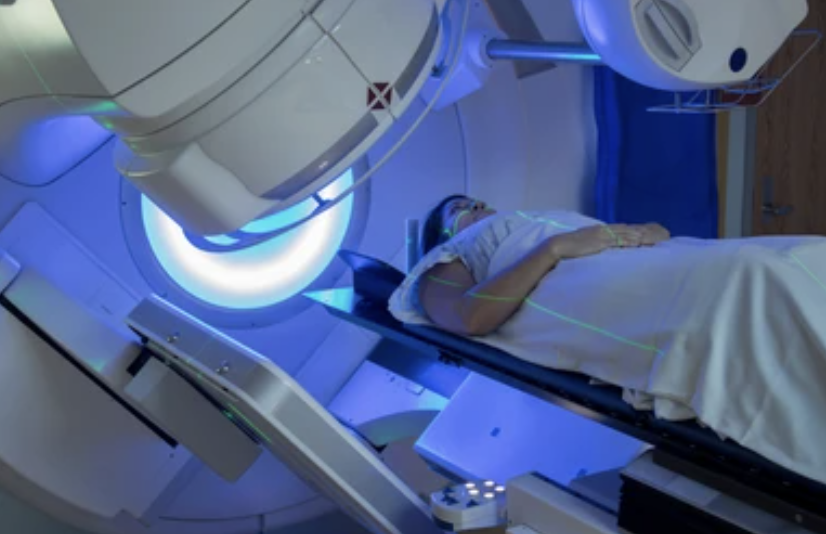
#8: Radiation Therapy for Ductal Carcinoma In Situ (DCIS)
Ductal Carcinoma In Situ (DCIS), or “stage zero breast cancer,” is not dangerous like other cancers, but it shows up on a mammogram when it develops in the ducts of the breast. DCIS is not harmful or painful but it sometimes develops into the kind of breast cancer that can spread to other parts of the body, and that makes it potentially dangerous. Since it is impossible to predict which women with DCIS will develop an invasive cancer, treatment is almost always recommended. Most experts recommend a lumpectomy to remove the abnormal DCIS cells and a margin of healthy tissue surrounding them. After lumpectomy surgery, most doctors recommend reducing the chances of DCIS or breast cancer in the future with hormonal therapy if the DCIS is estrogen receptor-positive and radiation therapy in the affected breast.
However, recent research concluded that undergoing radiation for DCIS had little impact on changing the chances of living a cancer-free life and no impact on survival since most DCIS patients do not have a recurrence and do not die of breast cancer. DCIS patients who may benefit from radiation therapy are younger women, women with a more serious form of DCIS, or women with a family history of breast cancer. Learn more about the pros and cons of getting radiation therapy for DCIS here.
| |
|
#7: Are E-Cigarettes Safer Than Regular Cigarettes?
Electronic cigarettes (e-cigarettes), marketed as a safer alternative to traditional cigarettes
that can help smokers stop smoking, may not have those expected benefits. E-cigarettes are battery-operated devices that contain nicotine and are sometimes (but not always) shaped like cigarettes. They heat a cartridge filled with liquid that contains nicotine, flavorings, and other additives that can make them more enticing than traditional cigarettes. The popularity of these products, especially among young people, is worrisome as we learn more about their risks. Find out more about whether e-cigarettes are actually safer than regular cigarettes here.
| |
|
#6: Children and Athletes at Play on Toxic Turf and Playgrounds
When you were a child, did you play on natural grass? The surfaces of playgrounds and fields have dramatically changed over the last decade. The popularity of using materials such as rubber from recycled tires for playground surfaces seemed like a good way to help cushion a child's fall while keeping tire waste out of landfills. However, playground surfaces that are made with rubber can affect a child’s hormones, contribute to obesity and attention problems, and eventually increase the risk of developing cancer. Artificial turf fields have similar toxic chemicals, in the plastic grass and the tire crumb that is on top of the field (called infill). Children who are playing are frequently exposed, breathing in potentially toxic chemicals, getting chemical residues on their skin and clothes, and small children even will eat the tire shreds. Children’s bodies are much smaller than adults and still developing, so they are especially vulnerable to exposure to these toxic chemicals and heavy metals. Learn more about the danger of artificial turf and playground surfaces and how you can protect your children here.
| |
|
#5: What Women Need to Know About Inflammatory Breast Cancer
Inflammatory breast cancer, a rare breast cancer that comprises only 5% of cases, is especially dangerous because it grows quickly and is often diagnosed late. It rarely produces a lump but instead often looks like a rash, bruise, or insect bite, so patients may ignore the symptoms while the cancer grows. To be diagnosed and treated at an early stage, it is crucial to be aware of the possible signs. Learn what to look for and appropriate actions to take by reading here.
| |
|
#4: Hormonal Therapy for Ductal Carcinoma In Situ (DCIS)
As explained in the article on radiation therapy #8 above, hormonal therapy is also an option after surgery to prevent the recurrence of DCIS and help prevent breast cancer from developing. While radiation can prevent cancer in the affected breast, hormonal therapy can help prevent cancer in both breasts. Hormonal therapy usually involves taking a pill daily for five years, but it has some unpleasant side effects, similar to those caused by menopause. More rarely, it can also increase the risk of endometrial cancer, severe circulatory problems, and stroke. Hormonal therapies include the drug tamoxifen and a different class of drugs called aromatase inhibitors. Some women choose both radiation and hormone therapy, but since most women with DCIS will not die of breast cancer, neither of these treatments is likely to increase their lifespan. If you or someone you know has DCIS, you may want to learn more about your options for treatment here.
| |
|
#3: Eating Habits that Improve Health and Lower Body Mass Index
With the new year, many people are looking to get healthier as one of their New Year’s resolutions. This article has tips on how to stay healthy without compromising your overall enjoyment of life. Watching your portion size (smaller plates will help); minimizing foods high in fat, salt, and sugar; and prioritizing fruits, vegetables, and whole grains that you enjoy eating will help to keep you on the right track. Additionally, the importance of some physical activity (even in cold weather) can’t be emphasized enough. And avoid some of the bad advice (such as snacking all day or eating before going to a party!) Read more about what we recommend to help you lose weight and maintain your health.
| |
|
#2: DCIS, LCIS, Pre-Cancer and Other “Stage Zero”; Breast Conditions: What Kind of Treatment – If Any – Is Needed?
Because of widespread screening with mammography, many women are getting diagnosed with breast cancer and also “pre-cancer” breast abnormalities. Many of these abnormal breast conditions are considered "stage zero breast cancer" because they are not invasive and usually do not develop into breast cancer. The most common Stage 0 breast cancers are DCIS (described in #8 and #4 above) and Lobular Carcinoma In Situ (LCIS). LCIS has no symptoms, is not dangerous, and does not benefit from surgery or any other treatment. However, it is a sign that a woman is more likely to develop breast cancer in the future than other women. Learn more about DCIS, LCIS, and other breast conditions and what to consider when seeking treatment here.
| |
|
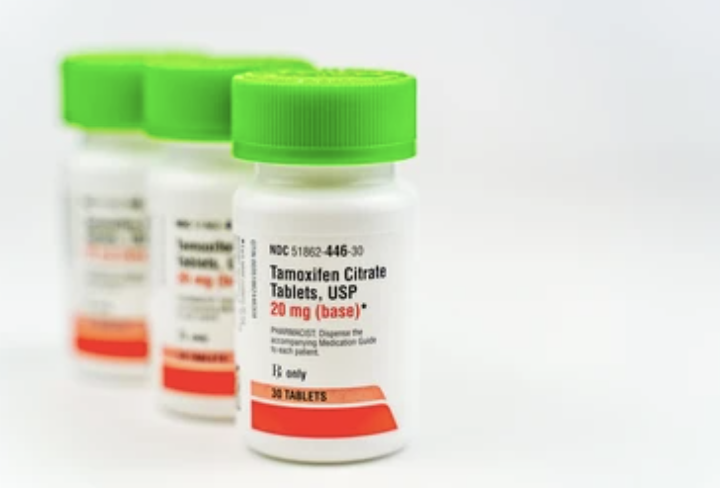
#1: Drugs to Avoid for Women Taking Tamoxifen
Tamoxifen is a hormonal drug used to treat estrogen-positive breast cancer, which is the most common type. It works by blocking estrogen, which reduces the growth of cancer. However, certain medications interfere with the effectiveness of tamoxifen and, therefore, should be avoided by patients taking the drug. It’s our most popular article on our website because it explains what medications to avoid when taking tamoxifen and you can read it here.
| |
If you haven’t noticed these articles on our website, now's your chance! And let us know what you think! With your permission, we’ll be listing the names of our contest winners who already read many of these articles last year or those who read most of them as a result of reading this email today! | |
Check us out!
Did you know that artificial turf and rubber playground surfaces contain carcinogens? Are your children or grandchildren getting exposed when they play? Follow us @safe.to.play
| |
|
|
Cancer Prevention and Treatment Fund
Facebook: @CancerPreventionAndTreatmentFund
| |
|
|
Your Contribution Can Make a Difference
We do not accept any funding from drug companies, device companies, chemical companies, or other sources that could influence our work and compromise our integrity. That's why so many people turn to us when they need help. Donations of any size are greatly appreciated (and tax deductible.)
Please consider giving to the Cancer Prevention and Treatment Fund online or by mail to the address below.
| |
To sign up for these monthly updates, click here.
| |
Cancer Prevention and Treatment Fund | 1001 Connecticut Ave NW, Suite 1100
CFC# 11967
| | | | |