|
LAND DEVELOPMENT, ZONING & ENVIRONMENTAL
August 13, 2026
| | |
It was great to see many of you in Marco Island last month!
Our statewide team, comprised of attorneys, planners, GIS analysts and other in-house consultants, has extensive experience in the full range of land development disciplines including land use, zoning, environmental & natural resources, government affairs and litigation.
If you were unable to attend the conference or missed one of our presentations, below are the top takeaways. If you are interested in a copy of one of our presentations, please feel free to contact us.
We are looking forward to connecting again soon and seeing you next year!
| | |
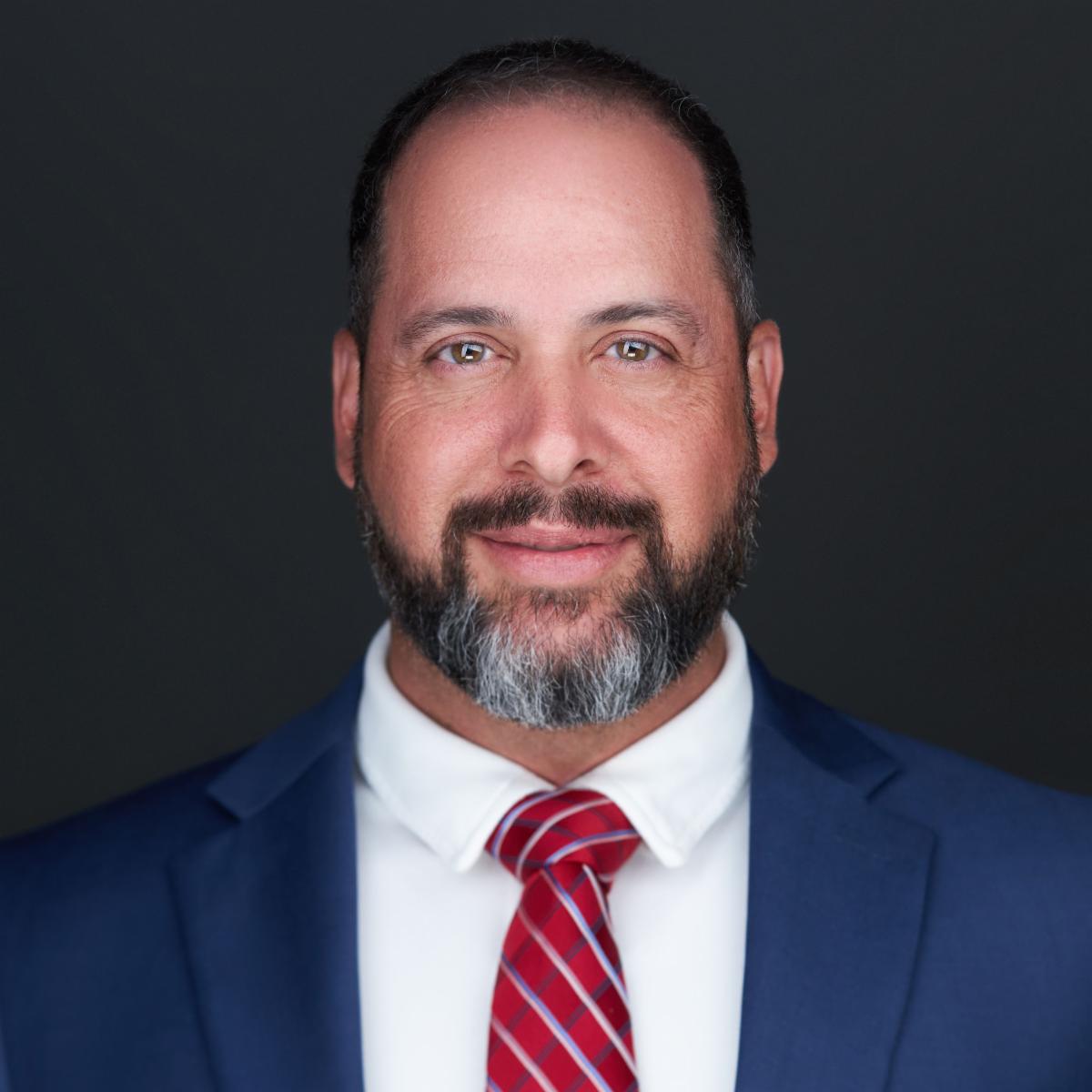
Jeffrey Collier
Tampa
Email | View Bio
| | |
Imperiled Species and Permitting: Navigating a Changing Regulatory Landscape
- The Department of the Interior recently finalized three important rules: 1) rescinding the definition of “harm” under the Endangered Species Act (ESA); 2) regarding critical habitat exclusions; and 3) removing the “blanket 4(d) rule” (which historically gave threatened species the same automatic protections as endangered species).
- The Florida Fish and Wildlife Conservation Commission (FWC) announced that new protected shorebird guidelines will be coming out in 2027.
- FWC also confirmed that a rule revising Florida Burrowing Owl Guidelines is under final Joint Administrative Procedures Committee (JAPC) review and will be finalized soon.
| | |
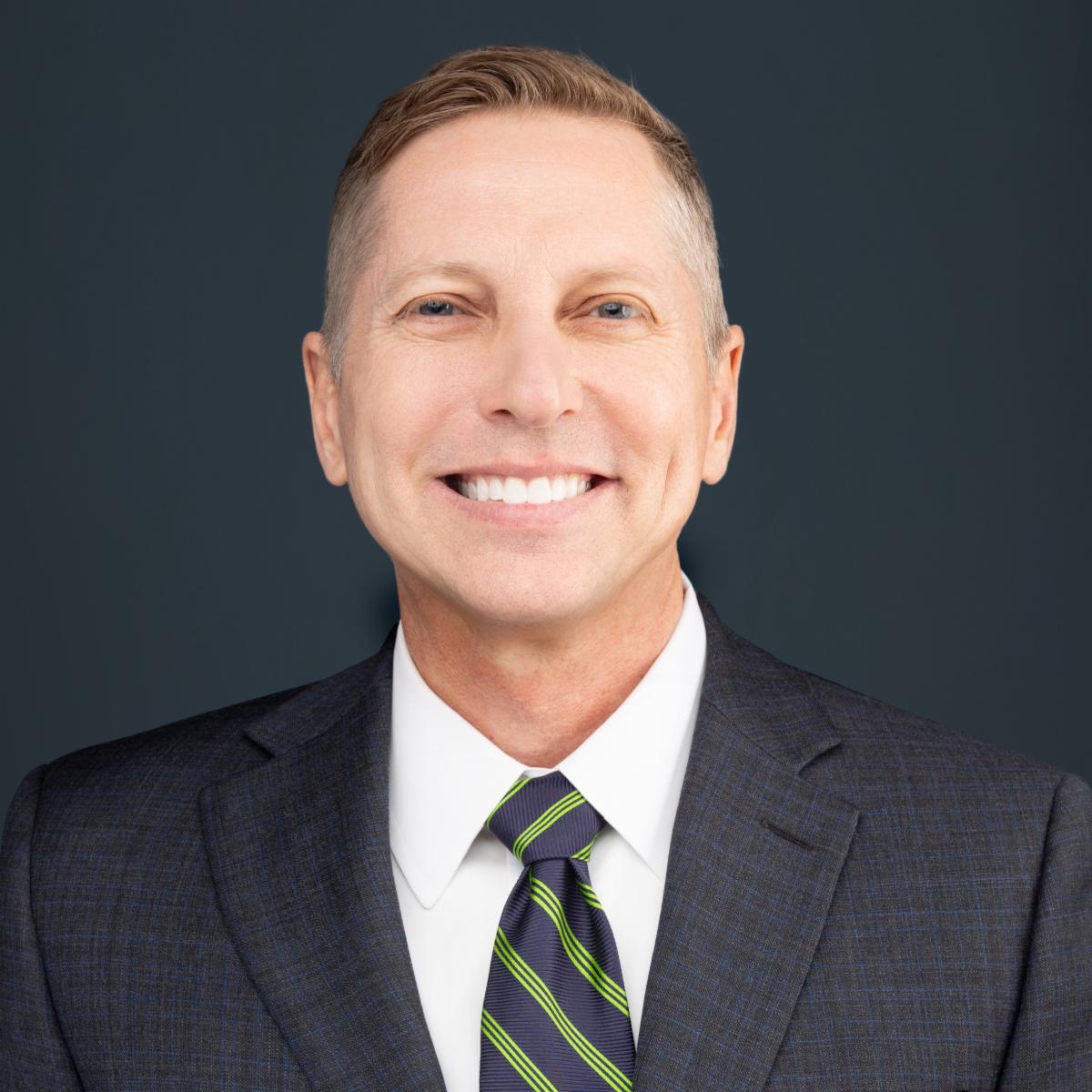
Carl Eldred
Tallahassee
Email | View Bio
| | |
Remediation and Site Closure Strategies - Practical Solutions to Complex Studies
- Rule 62-777, F.A.C., rulemaking next year will establish cleanup target levels for PFOA and PFOS and will present opportunities for additional revisions to existing CTLs, as well as increased regulatory engagement.
- Updated arsenic soil cleanup target levels could be as low as 0.1mg/kg for residential and 0.6 mg/kg for commercial/industrial uses, based on UF Center for Environment and Human Toxicology (HSC) calculations applying revised IRIS toxicity values.
-
One year later, the application of 376.81(3)(c)2, F.S., which allows closure of a brownfield site within a larger contaminated site that still needs to be assessed or remediated, has practical limitations and may require revision.
| | |
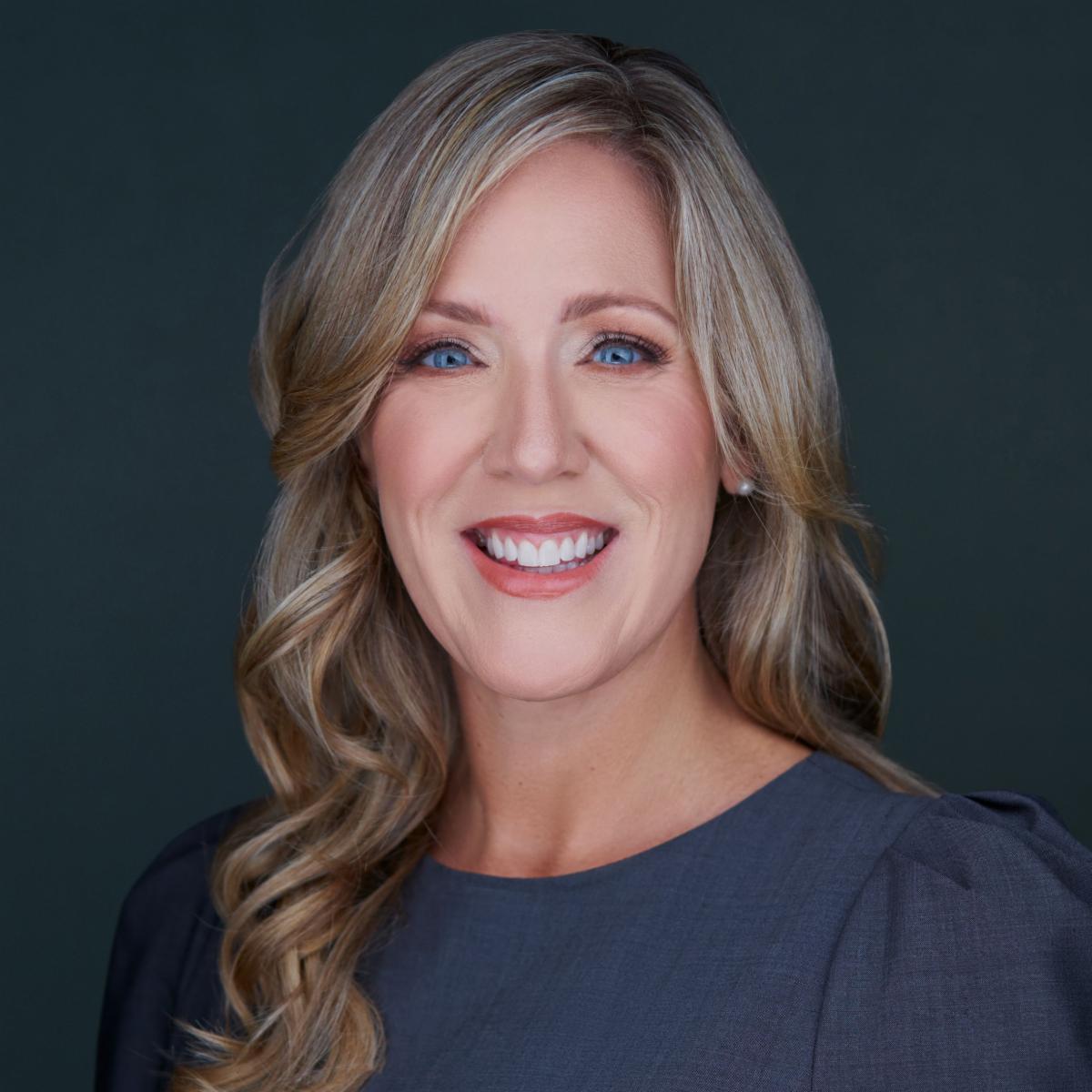
Felicia Kitzmiller
Tallahassee
Email | View Bio
| | |
Fresh From Florida: Emerging Issues in Agriculture and Their Effect on the Environment
- Agriculture land in Florida continues to be lost and converted to other uses, but state, regional and local entities are enhancing funding for preservation through fee and less-than-fee (easement) acquisitions, many of which will allow the land to continue to be used for agricultural activities. The state budget this year contained a landmark amount of funding for agriculture, including heavy investment in the Rural and Family Lands Protection Program and various research projects.
- Climate changes, crop selection and the consistent northern march of agricultural production are fueling the need for water resources. Demand for water is driving new technology in agriculture, as the demand to fully utilize every drop of the precious resource – evidenced in part by the One Water Florida initiative – increases.
- Severe weather, including the early 2026 freeze that resulted in about $3 billion in lost crops and the 2025-2026 drought, which is the worst in more than a decade, is straining the agriculture industry across the state. The news is not all bad, though. Early data shows the citrus industry may be stabilizing or possibly rebounding as a result of aggressive research and innovation that has produced Citrus Under Protective Screen (CUPS) fields and new rootstock that has been genetically modified to overcome the effects of citrus greening.
| | |
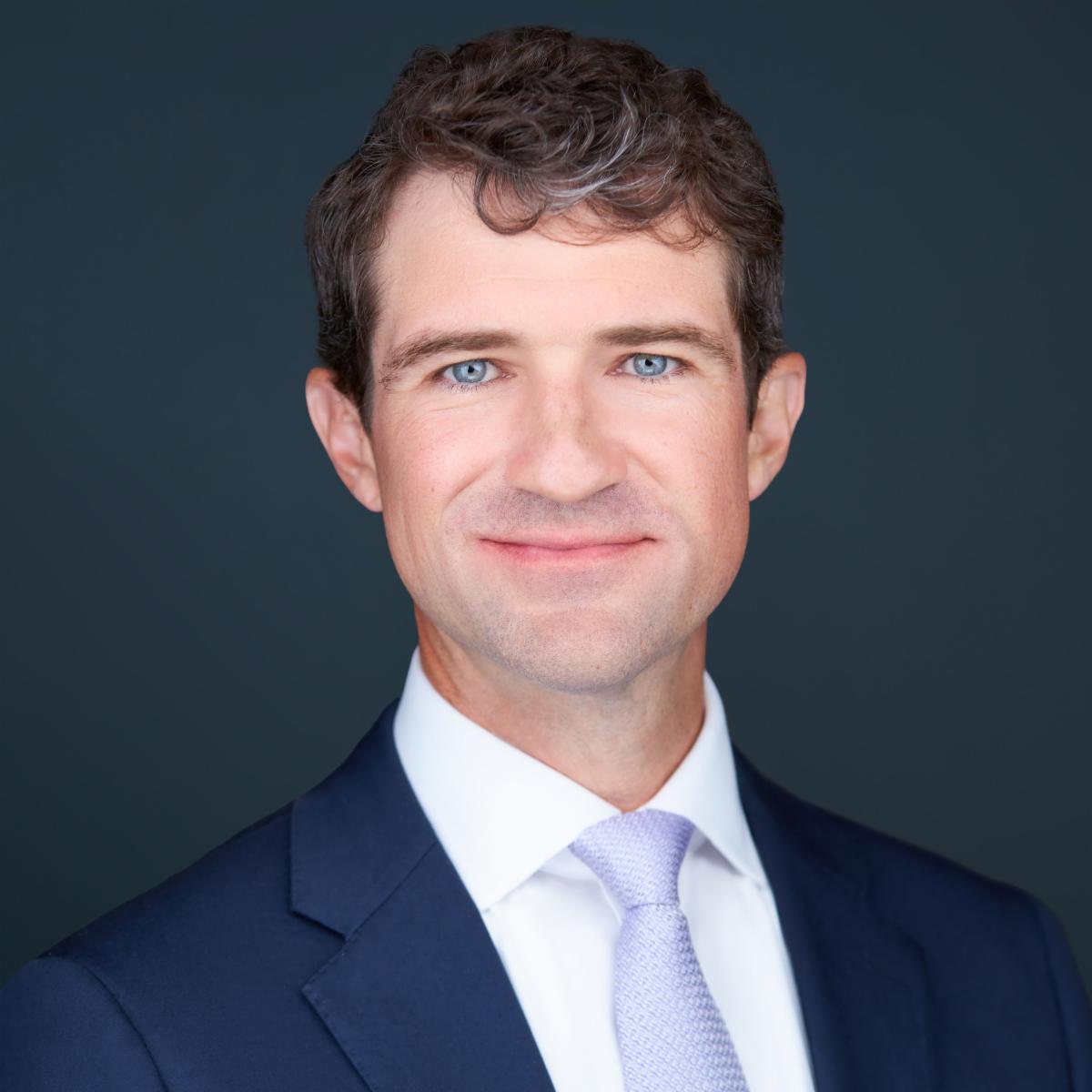
Amelia Savage
Tallahassee
Email | View Bio
| | |
What's New in Environmental Resource Permitting
- Water Management Districts have new metrics for Environmental Resource Permit processing to provide more accurate permitting timelines.
- Agency differences in implementing water quality credits and use of out-of-basin mitigation bank credits.
- Florida Department of Environmental Protection rulemaking updates.
| | |
Susan Stephens
Tallahassee
Email | View Bio
| | |
Federal Wetlands Permitting Update
- Federal wetlands permitting remains in constant flux as the federal agencies change which wetlands are subject to federal jurisdiction.
- The courts continue to interpret the Supreme Court’s last word on the subject while the federal agencies work to refine their rules defining jurisdiction, which are purportedly coming soon.
- Expect fewer wetlands and waterbodies to require a federal wetlands permit as the agencies exclude most ditches and may assert jurisdiction only over wetlands with year-round surface water connections to perennial waterbodies.
- Florida’s attempt to assume the federal wetland program was rebuffed by the D.C. Circuit Court of Appeals, but members of Congress may try to step in and reverse the appellate court’s decision.
| | The information provided in this email does not, and is not intended to, constitute legal advice; instead, all information in this email is for informational purposes only. Information in this email is general in nature and may not constitute the most up-to-date legal or other information. Readers of this email should contact us or an attorney of their choice to obtain advice with respect to any particular legal matter. No reader of this email should act or refrain from acting on the basis of information in this email without first seeking legal advice from counsel. Only your individual attorney can provide assurances that the information contained herein – and your interpretation of it – is applicable or appropriate to your particular situation. This email does not create an attorney-client relationship between the reader and the authors of the email or this law firm. | | MEET OUR LAND DEVELOPMENT, ZONING & ENVIRONMENTAL TEAM | | *Anastasia Barnes, Shawn Halphen, Ryan Manasse, Ken Metcalf, Chris Smith, David Smith and Barry Wilcox are not attorneys and are not authorized to practice law. Anastasia, Ryan, Ken, David and Barry are highly experienced planners. Ken and Barry are AICP certified. Chris and Shawn are highly experienced GIS analysts. | | STAY CONNECTED & SUBSCRIBE | | |
About Stearns Weaver Miller
Stearns Weaver Miller is a Florida-based law firm with more than 150 attorneys and offices in Miami, Coral Gables, Fort Lauderdale, Tampa and Tallahassee. For 50 years, our multidisciplinary team of attorneys and professionals have worked collaboratively to help our clients understand and resolve complex legal issues and disputes. For more information, please visit stearnsweaver.com.
| | | | |