Join us as we reflect on environmental and health data, projects, and partnerships through the years
July 2025
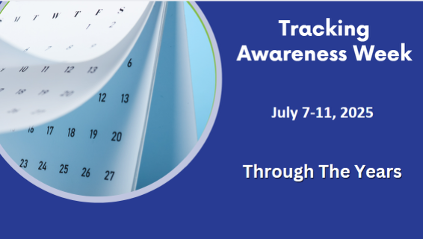
Join us in celebrating the 10th annual Tracking Awareness Week, July 7-11, 2025. This year's theme is Through the Years - a reflection of all we have accomplished over 20 years as a program.
During Tracking Awareness Week, Tracking California and other states and jurisdictions funded by the CDC's Environmental Public Health Tracking Program will come together to highlight the various ways public health professionals have used data for action.
The Impact of Environmental Health Tracking
Tracking California - Innovations and Milestone Highlights
2001:California passed a law recommending an environmental health tracking program for the state
2002:Received funding from the CDC to establish an environmental health surveillance program
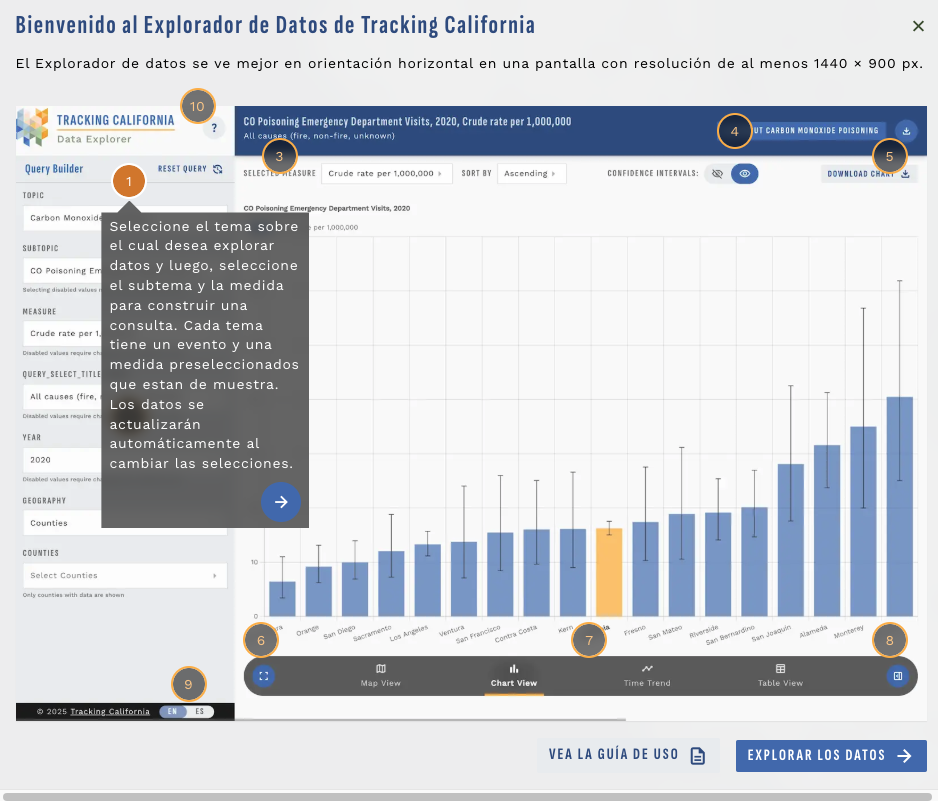
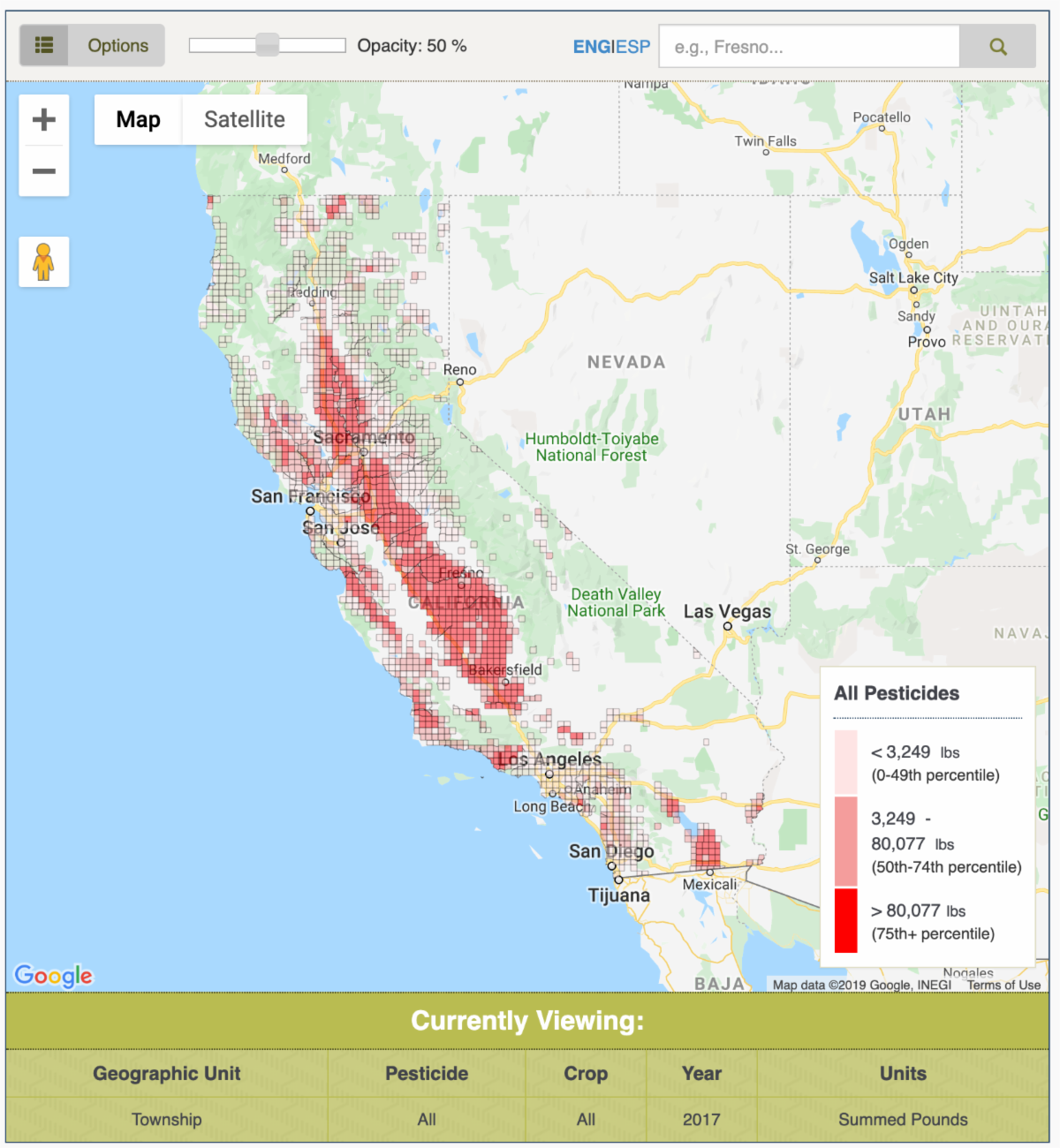
2007: Launched the first public health data portal in California, giving access to environmental health data we continue to provide today
Follow along on social media throughout the week as we and other Tracking programs across the country reflect on our work to provide #DataForAction #ThroughTheYears.
You can find us on Facebook, X, and BlueSky, as we share messages about data, tools, resources, program successes, and utility of the Environmental Public Health Tracking Program.
For more information about our projects, visit our website.
This publication was supported by the Cooperative Agreement Number 5U38EH000953, funded by the U.S. Centers for Disease Control and Prevention. Its contents are solely the responsibility of the authors and do not necessarily represent the official views of the Centers for Disease Control and Prevention or the U.S. Department of Health and Human Services.
Tracking California, Public Health Institute | 555 12th Street Suite 600 | Oakland, CA 94607 US