|
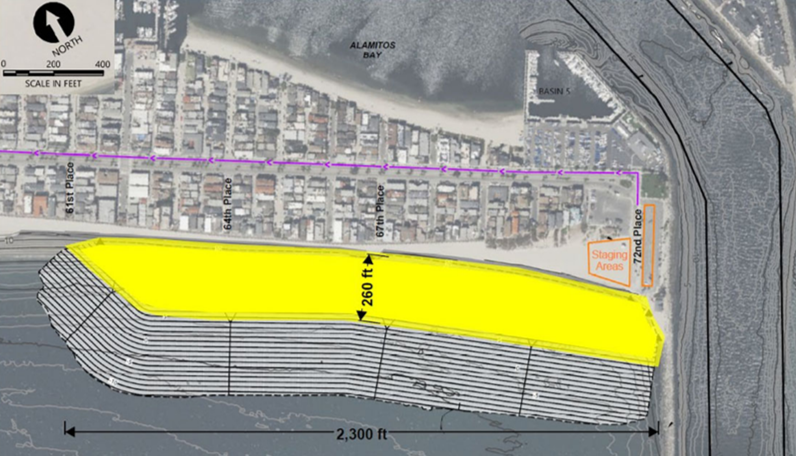
With one beach nourishment project beginning soon and another potentially coming within the next four years, the question my office has been asking is what the Peninsula will look like 10, 30, and 50 years from now.
Dredging and beach nourishment will remain important, but repeatedly adding sand is generally viewed as maintenance, not a long-term solution on its own. We need to address today’s problems while also planning for the future, because the decisions we make now can shape the Peninsula’s long-term options and affect confidence in the neighborhood.
Over the last several years, my office has spent time meeting with state agencies, attending conferences, talking with consultants, and researching what other California coastal communities are doing. There are several approaches being discussed across California, including managed retreat, nature-based solutions, and traditional infrastructure.
Managed retreat generally means moving development farther away from the water as sea levels rise. Depending on the location, that could mean moving roads and other public infrastructure and, in some cases, private property.
Traditional, or "gray," infrastructure includes things like seawalls, riprap, levees, and other manmade structures designed to keep water out. These types of projects are still possible, but they can be increasingly difficult to permit along the California coast.
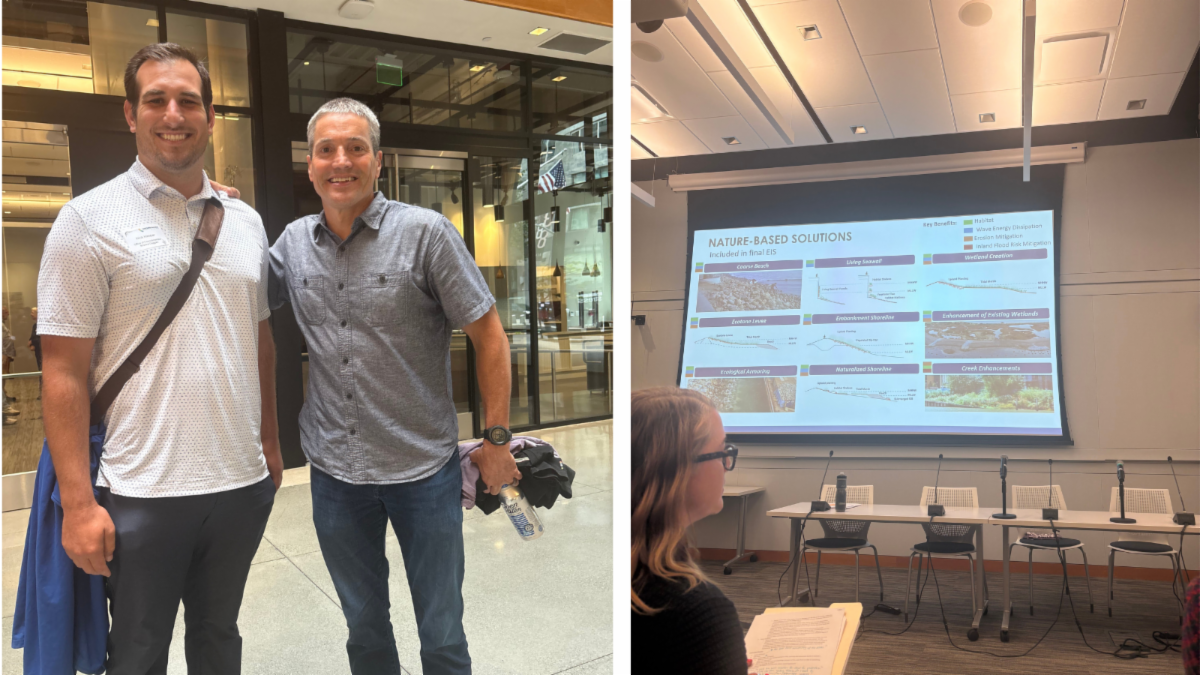
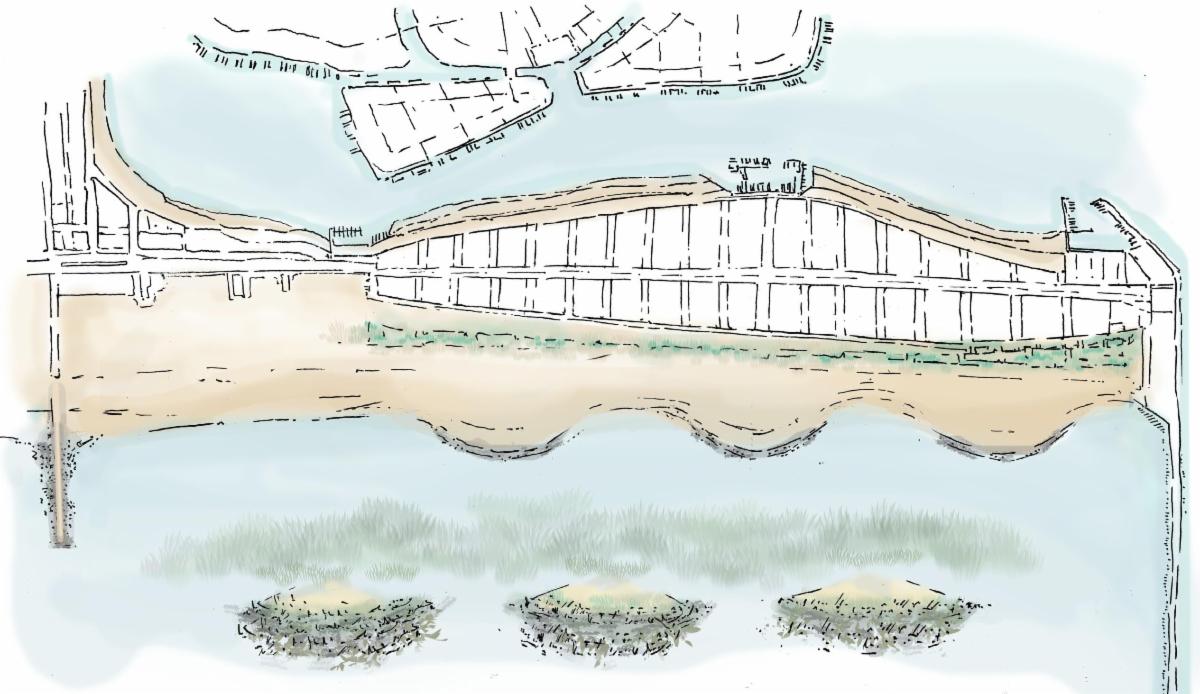
Nature-based solutions are another approach being developed. These projects use things like wetlands, dunes, and other restored natural areas to help absorb wave energy and provide protection from storms and rising seas.
There is unlikely to be one solution that works everywhere. The important thing is that we begin this planning now, understand the options available to us, and put the Peninsula in the strongest possible position for the future.
|