Sol-Legacy Magazine: The Anniversary Issue Is Here | | | |
For more than nineteen years, Sol-Caritas has never been about popularity or attention. We have always been about purpose, people, culture, and impact. What began as a vision rooted in service and authentic connection has grown into a movement dedicated to preserving stories, uplifting communities, and building lasting legacy through meaningful work. As we continue building toward this major milestone, this anniversary series of Sol-Legacy Magazine issues is not simply a reflection of where we have been, but a reminder that legacy is built through consistency, resilience, vision, and the courage to continue evolving while remaining grounded in purpose. We move forward with gratitude for the journey, belief in the mission, and excitement for everything still ahead. — Carlos Wallace
| | |
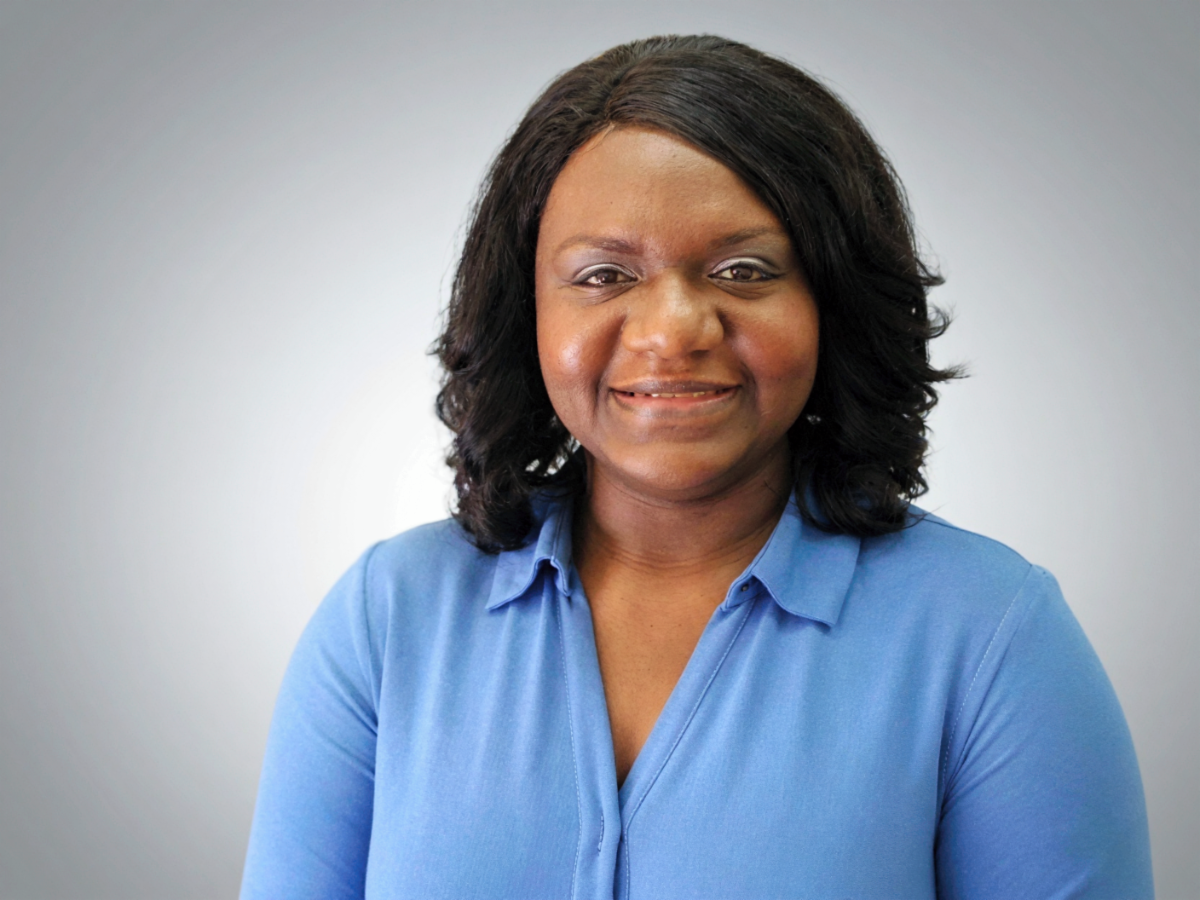
Tracy Hickenbottom
Assistant Vice President, Public and Media Relations
Hospital for Special Surgery
In the world of healthcare, where innovation, trust, and public understanding intersect, communication plays a powerful role. Few professionals understand that responsibility better than Tracy Hickenbottom, Assistant Vice President of Public and Media Relations at Hospital for Special Surgery in New York City.
With more than two decades of experience in healthcare communications, Tracy has built a career dedicated to shaping how the public understands medical breakthroughs, patient care, and the evolving landscape of modern healthcare. At Hospital for Special Surgery, widely recognized as the world’s leading academic medical center focused on musculoskeletal health, she leads strategic communication efforts that help elevate the institution’s reputation while ensuring that critical health information reaches the audiences who need it most.
Tracy’s professional journey reflects a steady rise through the ranks of public relations leadership. Over nearly two decades at HSS, she has advanced from Assistant Director of Public Relations to her current role as Assistant Vice President, bringing deep expertise in media relations, strategic communications, and crisis messaging. Her work helps connect physicians, researchers, and medical advancements with journalists, patients, and communities around the world.
Before joining HSS, Tracy spent several years working in healthcare media relations at New York Presbyterian Hospital, following an earlier career as a reporter and photographer. That journalism background continues to influence her approach today, grounding her communication style in clarity, accuracy, and storytelling that informs as much as it inspires.
In addition to her professional leadership, Tracy holds a Master of Education in Educational Leadership from Northcentral University and a Bachelor of Science in Journalism from St. John’s University. Her academic and professional experiences have shaped a communication philosophy rooted in integrity, collaboration, and purpose.
In this conversation with Sol-Legacy Magazine, Tracy reflects on her career path, the evolving role of healthcare communication, and the responsibility of helping the public navigate complex medical information in a rapidly changing world.
| | |
Q. You have spent more than two decades working in healthcare communications and media relations. Looking back, what first inspired you to pursue a career at the intersection of journalism, storytelling, and healthcare?
What first drew me to this work was the realization that great healthcare stories have the power to inform, reassure, and ultimately change outcomes.
Healthcare sits at a unique and meaningful crossroads of science and humanity. What inspired me to stay, and to build a career at this intersection, was seeing how thoughtful storytelling and strong media relationships could elevate trust, combat misinformation, and shine a spotlight on the clinicians and patients behind the headlines. Over time, I came to see communications not just as a support function, but as a strategic tool, one that helps organizations lead with transparency, advocate for patients, and make complex innovation accessible. That sense of purpose has sustained me for more than two decades and continues to fuel my work today.
| | |
Q. Hospital for Special Surgery is widely recognized as the world’s leading academic medical center focused on musculoskeletal health. From your vantage point in public and media relations, what do you believe makes HSS stand apart from other healthcare institutions?
From my vantage point, what truly sets HSS apart is its singular focus combined with an extraordinary depth of expertise. HSS is not trying to be everything to everyone. It has built its reputation by being the very best at what it does, and that clarity of mission permeates every level of the organization. The commitment to musculoskeletal health is not just clinical, but cultural.
What also distinguishes HSS is the way clinical excellence, research, and education are seamlessly integrated. Innovation here does not live in isolation. It is translated quickly and purposefully into patient care. There is a shared understanding that advancing science is inseparable from improving outcomes, and that mindset fuels both global leadership and day-to-day practice.
Equally important is the human dimension. From my perspective, HSS places exceptional value on collaboration, transparency, and patient trust. The clinicians, researchers, and staff are not just experts. They are educators, advocates, and storytellers who understand the responsibility that comes with leading in healthcare. That combination of precision, purpose, and humanity is rare, and it is what makes HSS stand apart in a crowded and often complex healthcare landscape.
| | |
Q: Your career journey at HSS spans nearly two decades, moving from Assistant Director of Public Relations to Assistant Vice President of Public and Media Relations. What lessons about leadership and perseverance have you learned during that journey?
Spending more than two decades at HSS, from Assistant Director to Assistant Vice President, has taught me that effective leadership is built on trust, consistency, and resilience, not titles.
I’ve learned that perseverance means staying adaptable as the organization, the media landscape, and healthcare itself evolve, while remaining grounded in the mission. I’ve also learned that longevity comes not from resisting change, but from engaging with it thoughtfully and purposefully. Just as important has been the value of collaboration and mentorship, recognizing that growth is never a solo journey and that sustained impact comes from investing in people and relationships over time.
| | |
Q.Healthcare communication requires both precision and empathy. How do you balance the responsibility of sharing medical information with the need to communicate in a way that is clear, human, and accessible to the public?
Healthcare communications demands both rigor and compassion, and I’ve found the balance comes from being disciplined about both. I always start with medical accuracy, working closely with clinicians and researchers to make sure the science is sound and responsibly presented. But accuracy alone is not enough. I then ask: What does this mean for a patient, a family, or a community? What do they need to understand in order to feel informed, not overwhelmed?
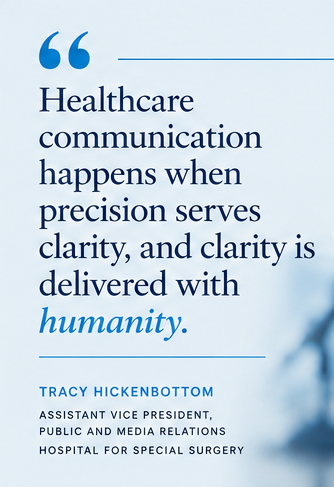
Balancing those priorities means translating complex information into clear, plain language while preserving nuance and integrity. It also means being mindful of tone, leading with empathy, acknowledging uncertainty when it exists, and grounding stories in real human impact. When people feel respected and understood, they are more likely to trust the information. For me, effective healthcare communication happens when precision serves clarity, and clarity is delivered with humanity.
Q. Before entering healthcare communications, you worked as a reporter and photographer. In what ways did your journalism background shape how you approach media relations and storytelling today?
Early in my career as a journalist for a Catholic newspaper in Brooklyn and Queens, I covered stories where faith, illness, and resilience shaped people’s lives but rarely reached audiences beyond Christian circles. That experience sparked my interest in translating deeply human stories so they could resonate more broadly. My work as a photographer reinforced that instinct, teaching me to observe closely, lead with authenticity, and focus on moments that convey meaning without explanation. Together, those skills shape how I approach media relations today: grounding every story in accuracy while framing it with clarity, empathy, and human connection.
| | |
Q. Public trust in healthcare institutions has become increasingly important in recent years. What role do you believe strategic communication plays in building trust with patients, families, and communities?
I believe strategic communications plays a critical role in building trust by ensuring people feel informed, respected, and included. Clear, consistent, and transparent messaging helps patients, families, and communities understand not just what is happening, but why it matters to them. When communications are accurate, timely, and grounded in empathy, they reinforce credibility and foster lasting confidence in the organization and its mission.
Q. You earned a Master of Education in Educational Leadership while advancing your career. How has that academic experience influenced your leadership style and the way you mentor others in your field?
Earning a Master’s in Education with a focus on Educational Leadership has had a lasting influence on how I lead and mentor. It reinforced the importance of listening, setting clear goals, and meeting people where they are in their development. I approach leadership as a teaching role, one that values coaching, feedback, and continuous learning. That academic foundation helps me mentor with intention, empower others to grow with confidence, and create environments where people feel supported, challenged, and invested in shared success.
| | |
Q. Media relations often happen behind the scenes, yet it plays a crucial role in shaping how people understand medicine and healthcare breakthroughs. What is a moment in your career when you felt the impact of your work in a meaningful way?
One moment that stands out deeply was the sudden and unexpected loss of a trusted colleague and friend, Noelle Caccia, while we were in the midst of pitching a story about innovation in ACL repair. The shock of that loss was profound, both personally and professionally. In the days that followed, I felt an unmistakable responsibility to honor her passion for the work and her belief in the importance of that story. I have never been more motivated to push forward, to rally our consultancy partners, and to deliver thoughtful, impactful media coverage.
Seeing that story come to life reinforced for me that our work carries meaning far beyond headlines or placements. It reminded me that healthcare communications is ultimately about people, their dedication, their belief in progress, and the legacy they leave behind. That experience crystallized the purpose of what we do and affirmed why telling these stories with integrity, urgency, and heart truly matters.
Q. For young professionals interested in public relations, journalism, or healthcare communications, what advice would you offer about building a career that is both successful and meaningful?
My advice is to build strong fundamentals while staying deeply curious about people. Learn how to write clearly, ask good questions, and listen. Those skills matter in every sector. If you want the work to be meaningful, choose environments where the mission matters to you, because purpose is what sustains you when the work gets hard. Be adaptable, seek mentors, and do not be afraid to start small or behind the scenes. Credibility is earned over time. In healthcare communications especially, success comes from balancing accuracy with empathy and remembering that at the center of every story is a human being who deserves to be understood.
| | |
Q. At Sol-Legacy Magazine we often ask leaders to reflect on impact beyond titles and positions. When people look back at your work and contributions, what legacy do you hope they will associate with your name?
When I look back at my work, I hope my legacy is associated with trust, integrity, and humanity. I want to be remembered as someone who helped elevate complex stories with clarity and compassion, built strong and credible relationships with clinicians and the media, and consistently centered patients and communities in the narrative.
I want my impact to not only be measured by milestones or coverage, but by outcomes, whether people felt informed rather than confused, reassured rather than overwhelmed, and confident in the care and institutions serving them. I also look to the teams and individuals I’ve mentored along the way. If I’ve helped shape thoughtful communicators who lead with both precision and empathy, then I know my work has made a lasting difference.
| | | | |