September 2026

Helping Children Succeed at School After Difficult Experiences

Understanding behavior, finding support, and helping children stay connected to school

September means back-to-school, and it is also National Kinship Care Month. While relative caregiving is positive for children, many relatives do not know that the children may have experienced trauma similar to youth in foster care. As one grandparent stated, “I knew what school my grandchildren attended, but I didn’t know a lot of the details. I didn’t know that they were missing school and having struggles. I only heard about the positives.” This September, we are highlighting the importance of helping youth who have experienced trauma succeed in school.


For many kinship caregivers, school can bring new challenges. A child who has experienced difficult or traumatic events may struggle with behavior, relationships, learning, or following school rules.


That does not mean the child does not care about school or cannot succeed.


Sometimes, difficult past experiences can affect the way a child responds to adults, handles stress, or gets along with others. Understanding what may be behind the behavior can help caregivers and schools find better ways to support the child.


There is help available. And with the right support, children can make progress.


When Past Traumas Show Up at School


Children who have been in foster or kinship care are suspended or expelled from school at higher rates than other children. Missing school because of suspension or expulsion can make it harder for a student to keep up with schoolwork and graduate from high school.


Children who have experienced maltreatment may also be more likely to:


  • Need special education services
  • Repeat a grade
  • Receive lower grades
  • Experience anxiety or low mood
  • Become angry or aggressive
  • Have difficulty making friends or building relationships
  • Have trouble getting along with other people


These challenges can make learning more difficult and may sometimes lead to behavior that disrupts the classroom.


It is important to remember that behavior is not the whole story. A child may be reacting to experiences that happened before you knew them or before they came to live with you.


Schools are learning more about how difficult experiences can affect children and how they can respond in ways that support learning and reduce behavior problems.


A Caring Adult Can Make a Difference


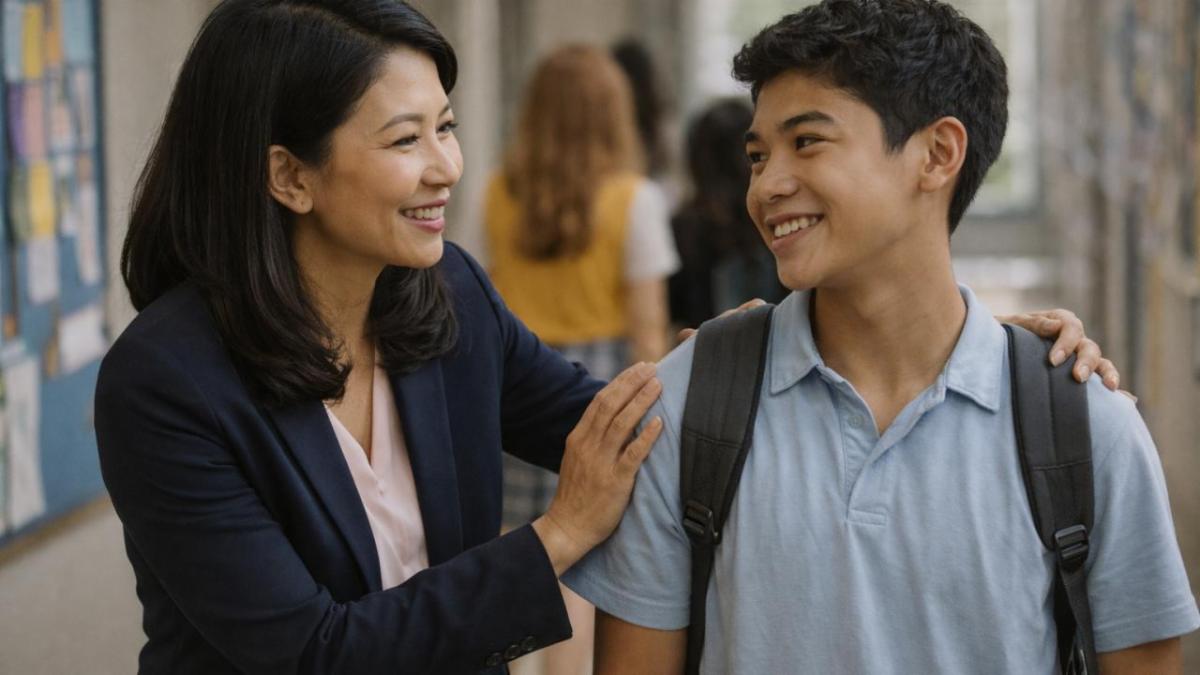
One of the most important things a child can have at school is a caring adult who knows them, listens to them, and helps them feel that they belong.

Research has identified five important ways school professionals can support young people:


  • Perseverance: Keep working with the child, even when progress is slow.
  • Adaptability: Be willing to try different approaches when something is not working.
  • Relationships: Build a trusting relationship with the child.
  • Time: Give the child enough time and attention to feel supported.
  • Honesty: Be open and truthful with the child and the people helping them.


These five simple ideas can help children feel more connected to school and better able to use the support available to them.

Anna's Story: One Adult Listened


Anna entered foster care when she was 14. The experience continued to affect her when she started high school. She often had conflicts with adults at school.


"My brain was stuck in fight-or-flight mode," she says. "I was often combative and defensive when approached by adults."


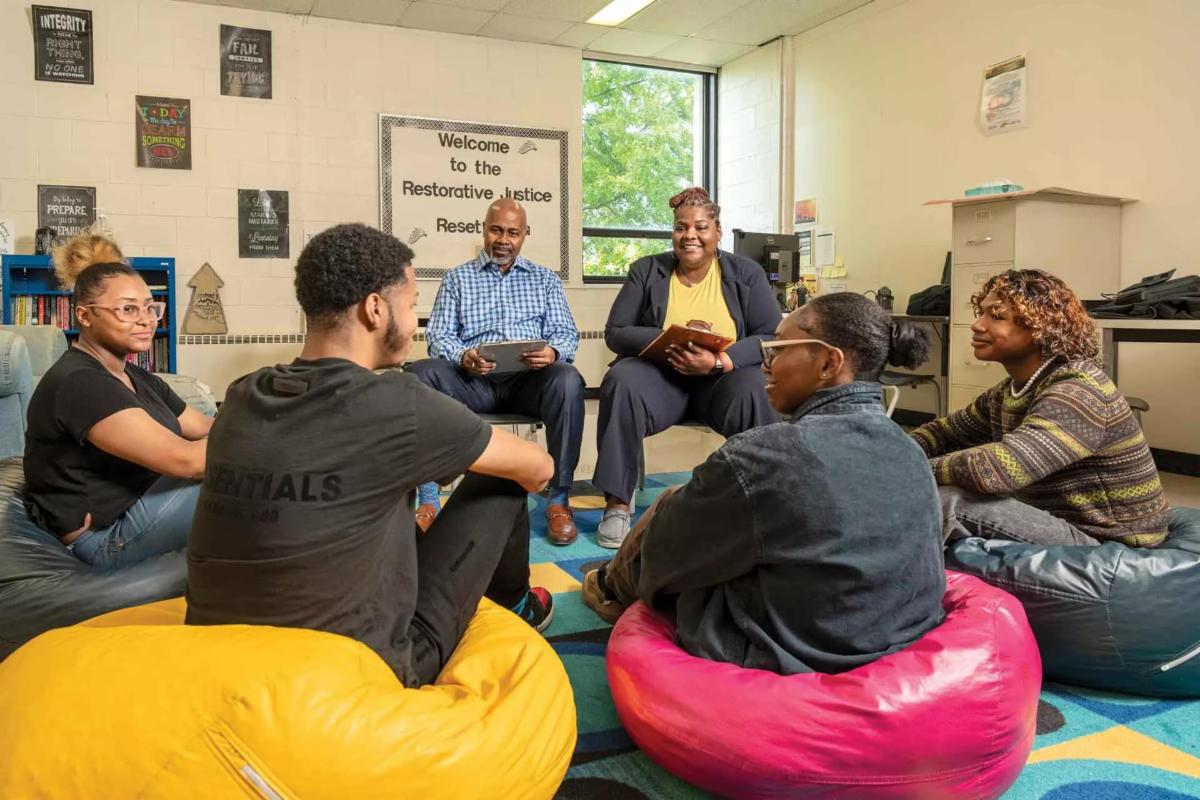
Instead of receiving another suspension, Anna was enrolled in a restorative justice class. In the class, students talked about the harm that had happened, took responsibility for their actions, and worked toward repairing that harm.


For Anna, the support of one adult made a lasting difference.


"She was one of the first adults I knew was in my corner," Anna says. "I'll always be thankful."


Years later, Anna offered this advice to other young people:


"You are capable of more than you give yourself credit for, and you deserve more love and kindness than you think."


Read Anna's full story here.

Resources for Families


You do not need to know all the answers. The following organizations can help you find information and support.

Nationwide Resources

Name

Description

National Child Traumatic Stress Network, Resources for School Personnel

The National Child Traumatic Stress Network has created resources for educators, school administrators, school staff, parents, and others who work with children who have experienced trauma.


Visit the National Child Traumatic Stress Network.

Center for Parent Information and Resources

The Center for Parent Information and Resources connects families with their state's Parent Training and Information Center. It provides information about disabilities, special education, and IEP rights.


It can also help families find information about discipline involving students who have IEPs.


Visit the Center for Parent Information and Resources.

McKinney-Vento Homeless Assistance Act

The McKinney-Vento Act provides certain educational rights to children and young people experiencing homelessness. These rights can include immediate school enrollment and transportation to the child's school of origin when it is in the child's best interest.


Every school district must have a homeless education liaison who helps families address barriers to school enrollment and stability.


Children in foster or kinship care may qualify for services under this law.


Learn more about the McKinney-Vento Act.

Wisconsin Resources

Name

Description

Wisconsin Wayfinder: Children's Resource Network

Wisconsin Wayfinder helps families of children with delays, disabilities, special health care needs, and mental health conditions connect with available services.


Its services are free and confidential.


Phone: 877-WiscWay (877-947-2929)


Visit Wisconsin Wayfinder.

WI FACETS (Wisconsin Family Assistance Center for Education, Training, and Support

WI FACETS is Wisconsin's federally funded Parent Training and Information Center. It provides free statewide services, including information and referrals, guidance about IEPs and special education rights, parent support groups, and leadership opportunities for families.


Help Desk: 1-877-374-0511


Visit WI FACETS.

Milwaukee Area Resources

Description

Special Education Advocacy Group (SEA Group)

Name

The Special Education Advocacy Group helps care coordinators and families advocate for appropriate Individualized Education Plans (IEPs) and secure better school placements for children with serious emotional and mental health needs, including many youths in foster care connected to Wraparound Milwaukee.


If you need assistance in initiating, revising or implementing a child’s special education services, including instruction, transportation and discipline, contact the SEA Group at seagroupenquiries@theseagrp.com or 414-303-5809.

Educational Surrogate 

If a parent/guardian is unknown or cannot be found, a substitute educational decision maker called an educational surrogate may be needed. The child’s school district can appoint the educational surrogate. The educational surrogate may be any adult who does not work for the school district or an educational agency serving the child. This is a great way for relative caregivers, like-kin caregivers or extended family to help a child when there is no guardianship. If you are a kinship or like-kin caregiver with questions about getting an educational surrogate for a child you are raising, call KIDS MATTER for more information.

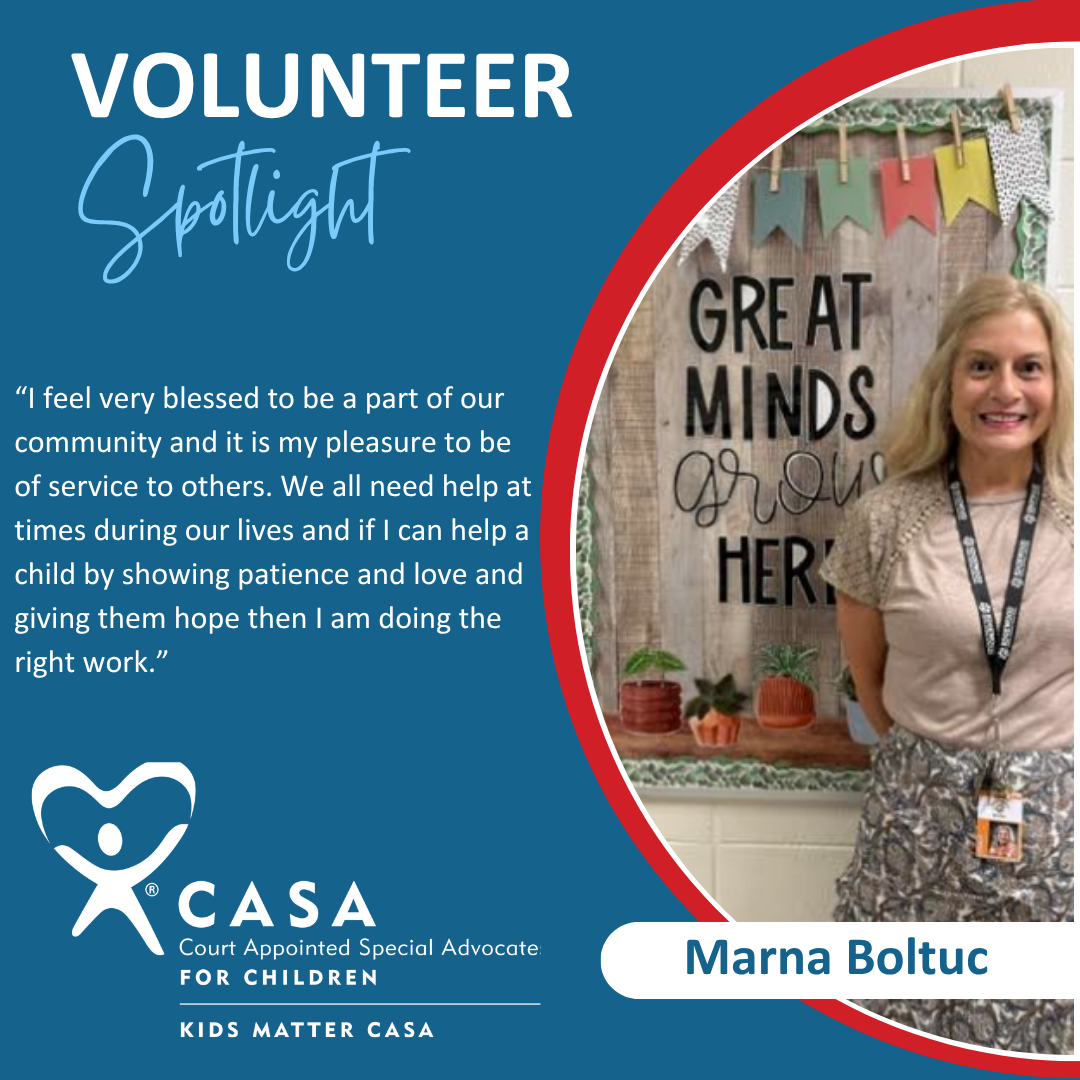
Volunteer Spotlight: Marna Boltuc

Meet CASA Volunteer Marna

Some things are worth the wait. Marna first heard about CASA nearly 15 years ago while living in Arkansas, but as a single working parent, the timing simply wasn't right. Then, during a conversation with a friend at work, she learned about the training at KIDS MATTER and knew the time was finally right. She has not looked back since.


In her professional life, Marna serves as an Instructional Coach at a 4K through 5th grade elementary school, partnering with teachers to improve classroom instruction and support their professional growth. Her entire career has been built around one goal: making a bigger impact on student learning.


Her Path to CASA

For Marna, serving others is simply the right thing to do. "We all need help at times during our lives and if I can help a child by showing patience and love and giving them hope, then I am doing the right work."


Outside of CASA

At 55, Marna ran her very first marathon. A remarkable accomplishment that speaks volumes about her determination and heart.


Marna, thank you for waiting for the right moment and for showing up so fully when it arrived. Our kids are lucky to have you!


Supporting Foster and Kinship Children

Wondering how you can best support KIDS MATTER and the youth we serve?

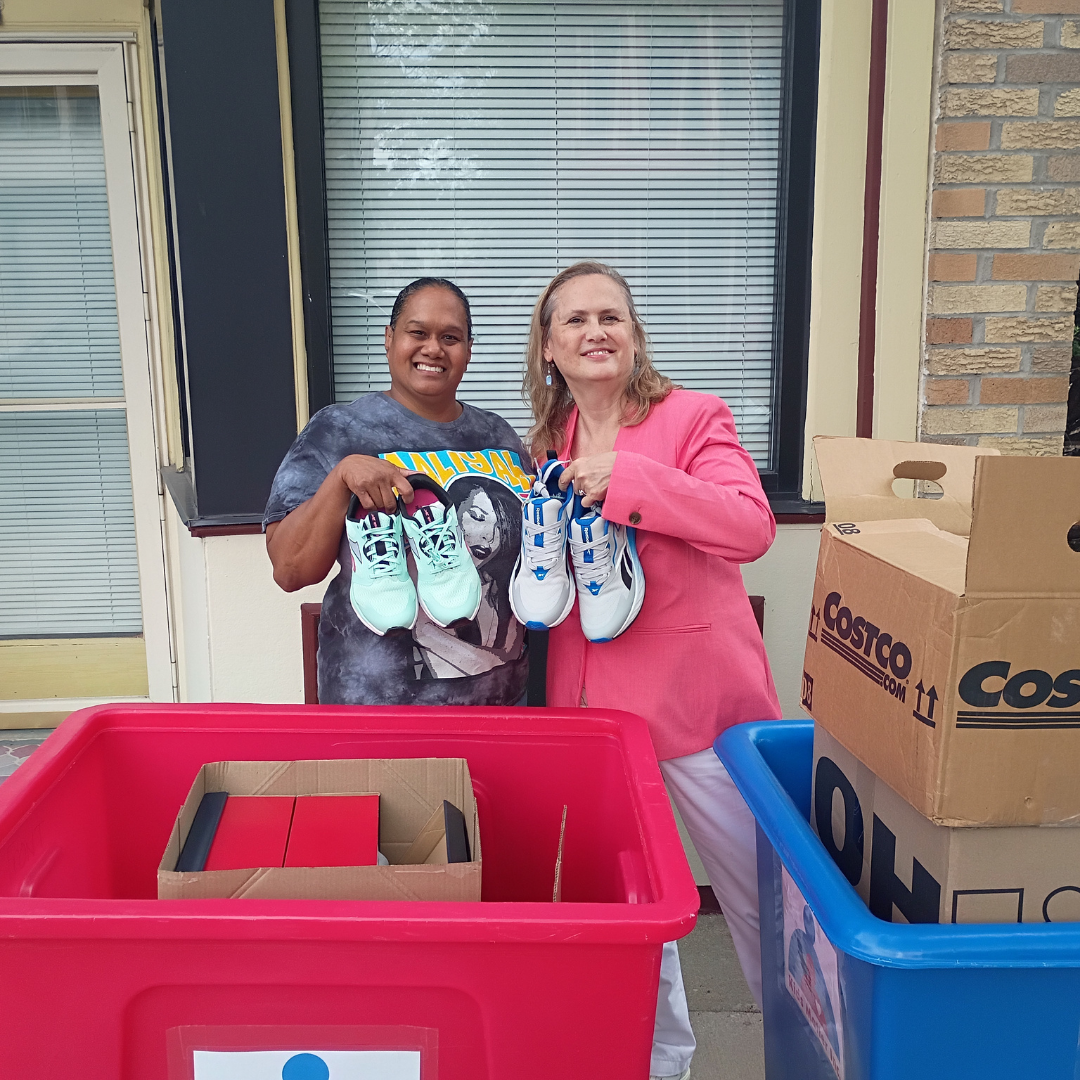
Marlo's thoughtful donation of school supplies and brand-new Reebok and Fila shoes is giving our kids a confident, joyful start to the new school year. Marlo, your kindness and continued generosity means the world to our kids!

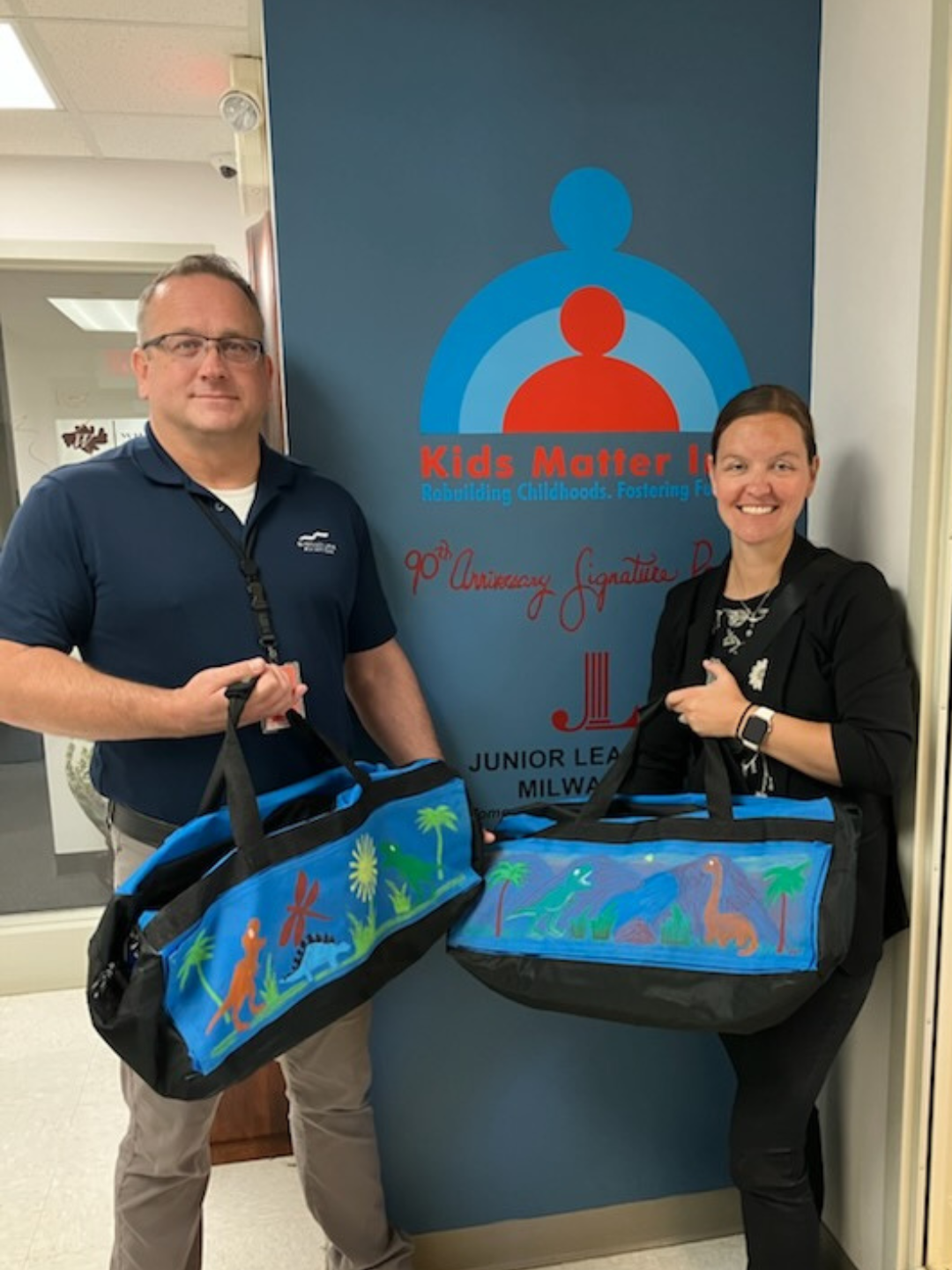
We are so grateful for Kristina and the incredible team at Signature Aviation! Their generous donation of Sweet Cases gives children in transition something special to call their own. A big thank you also to Priscilla and Foster Love for making this connection possible. This is community at its best!

Our hearts are overflowing with gratitude!

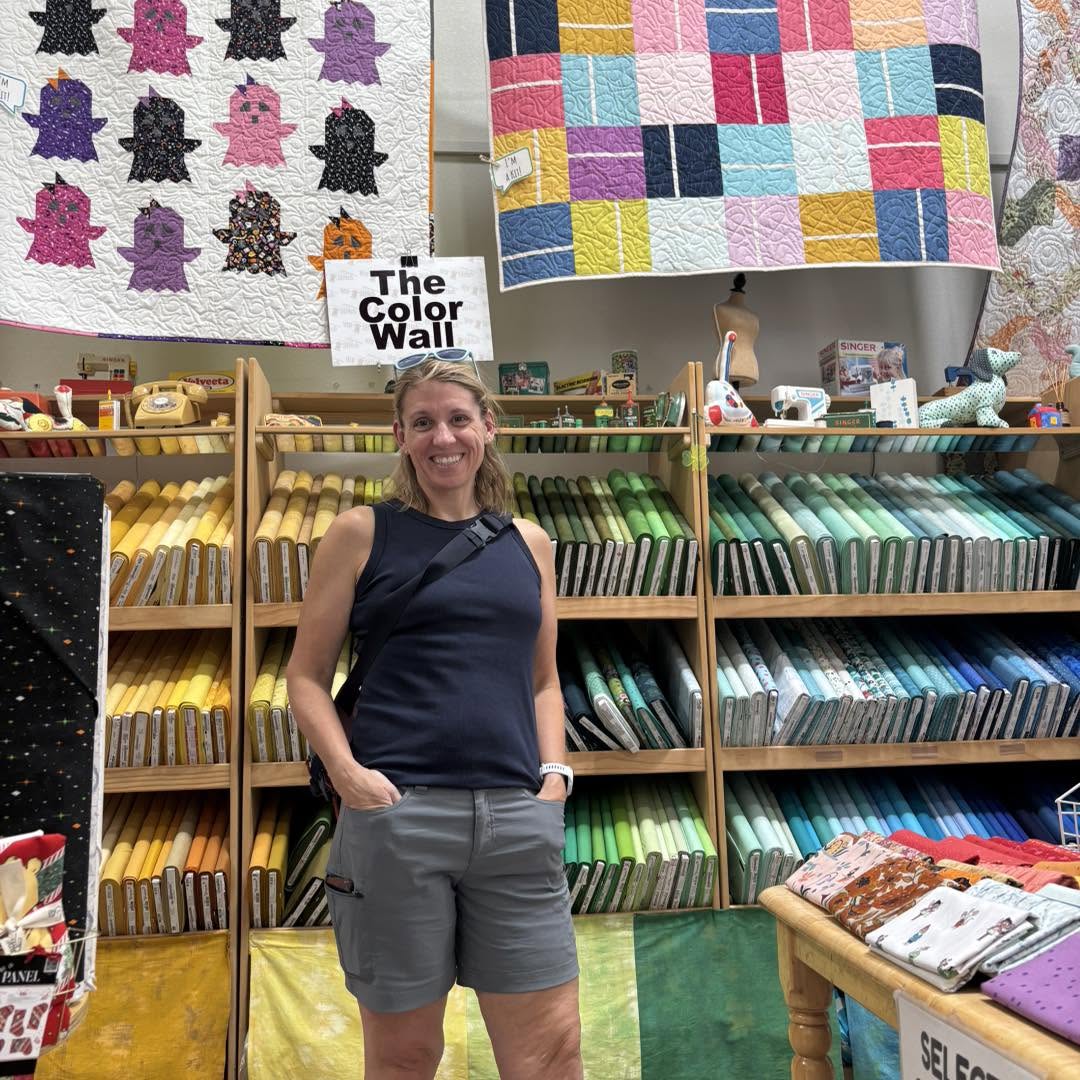
Thank you to Jamie and the wonderful supporters of Beyond the Binding Quilts for these incredible handmade quilts, hygiene products, and school supplies for our kids. We're so happy to share this warmth and comfort with our families in need.

Community Partner Shoutouts

It takes a village to provide support for foster and kinship youth, and we couldn't do it without our local and national partners. You make so much possible!


Thank you so much to everyone who cares about and helps our kids.

Get Connected

Facebook  Instagram  LinkedIn