RTPlus-Logo_Reverse.png
Instagram  Facebook  Web

Exercise Matters


Everyone knows that exercise helps you live longer. But much more importantly, it dramatically increases the odds that the later years of your life will be more functional. 


The real goal isn’t just living longer. It is being able to travel, playing with your grandchildren, remaining social with your family and friends, getting up and down from a seated position on the floor, thinking clearly, and maintaining independence.


So how much exercise is enough? Or how much exercise is too much? Is there a “sweet spot” among all of the recommendations that will allow you to live longer and better? 


The answer is YES! The people who tend to live the longest usually combine consistent daily movement, moderate cardio, strength training, balance, mobility, and recovery — not punishing workouts seven days a week. The minimum effective dose of exercise might actually surprise you!

Cardiovascular Exercise


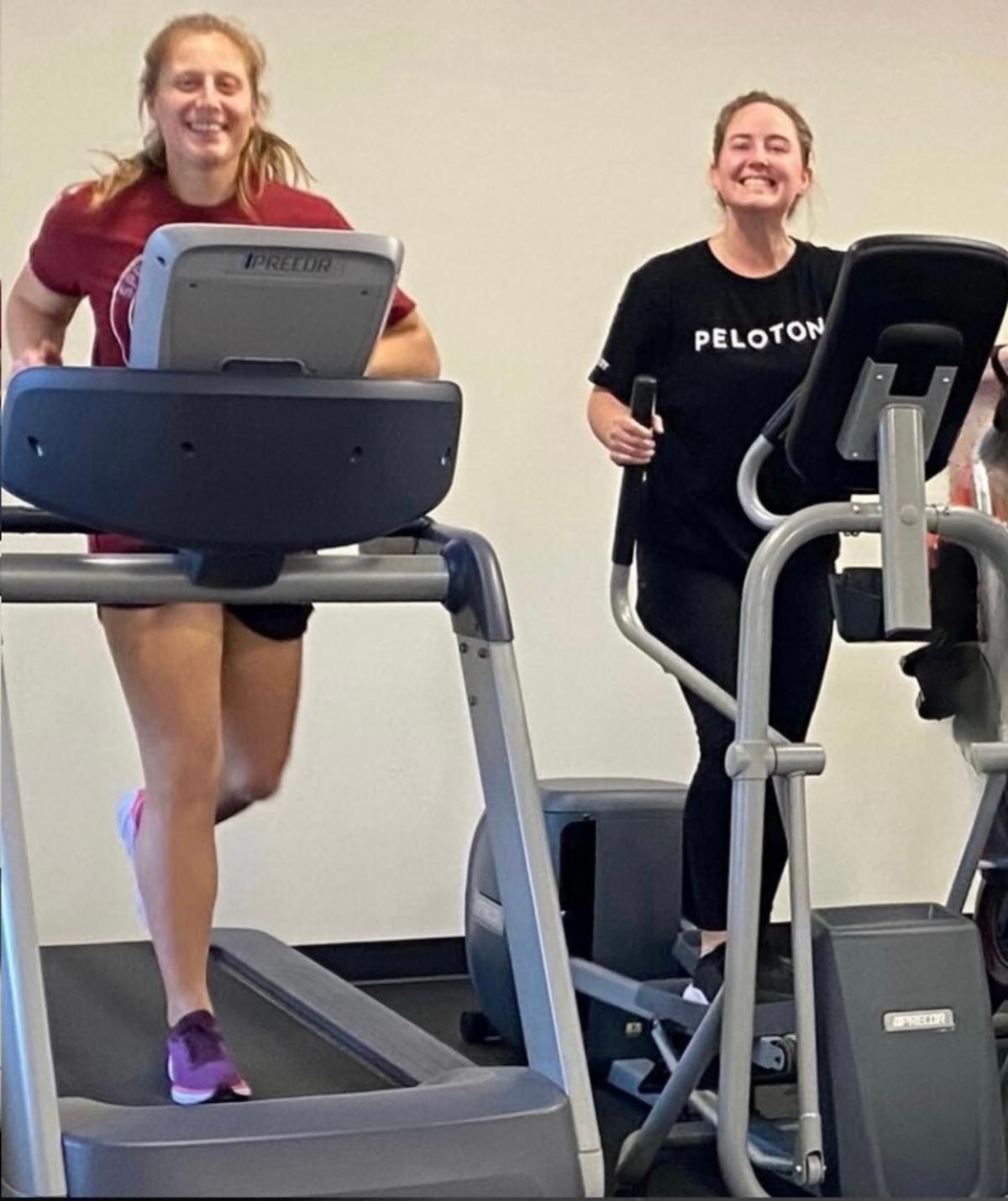
150–300 minutes/week of moderate exercise

(brisk walking, cycling, swimming, hiking, dancing)


— OR —


75–150 minutes/week of vigorous exercise

(running, HIIT, hard cycling, rowing, sports)


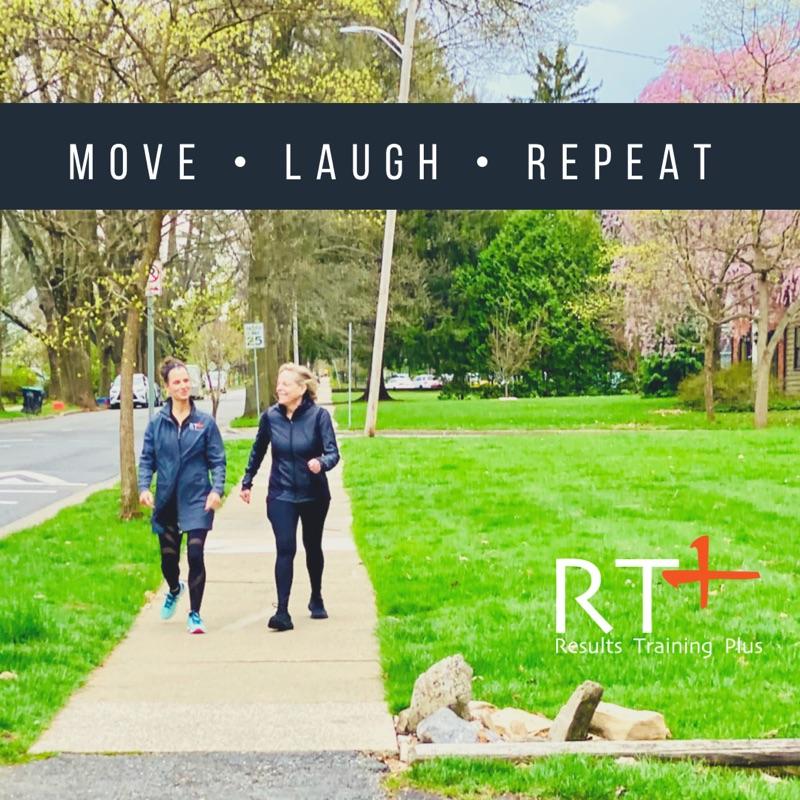
This breaks down to about 30-45 minutes/day on most days of the week.

This level of cardio exercise is consistently associated with:

  • lower all-cause mortality
  • lower dementia risk
  • lower cardiovascular disease
  • better metabolic health
  • better mood and cognition


BONUS: VO Max Training


Cardiorespiratory fitness is one of the strongest longevity predictors.


A good goal:

  • 1–2 hard cardio sessions/week (included in the regular minutes/week, not in addition to)


Examples:

  • intervals
  • hill walking
  • cycling sprints
  • rowing intervals


This improves:

  • heart efficiency
  • mitochondrial health
  • resilience with aging

Strength Training 


Most longevity experts now consider muscle mass and strength one of the strongest predictors of healthy aging.


Goal:

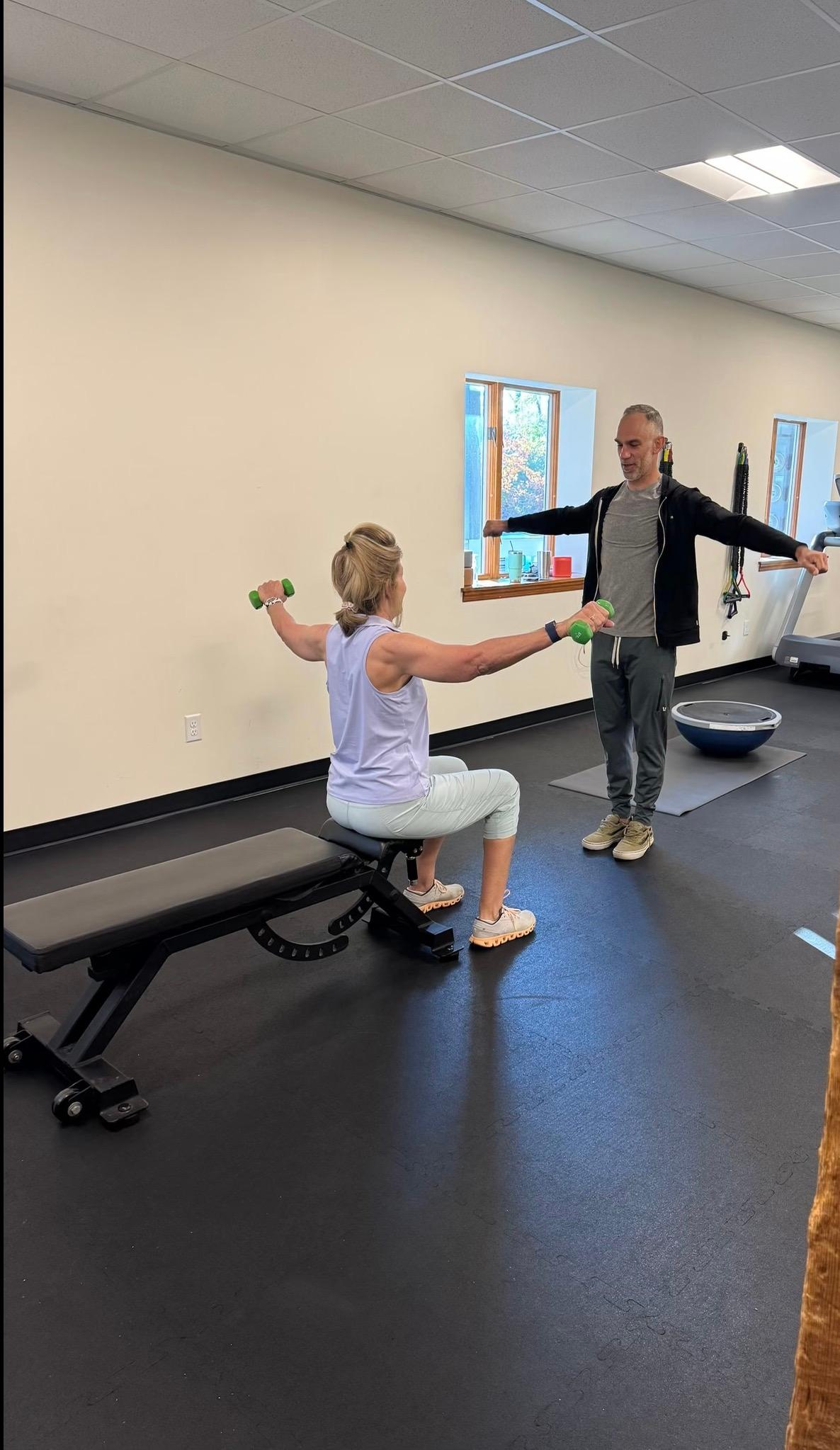
  • 2–4 strength sessions/week


Focus on:

  • legs
  • pulling strength
  • pushing strength
  • core
  • grip strength


Why it matters:

  • preserves metabolism
  • protects bone density
  • reduces falls and frailty
  • improves insulin sensitivity
  • maintains independence later in life

Experts like Peter Attia and Andrew Huberman talk a lot about training for the “decades ahead,” not just appearance.

Balance + Mobility


This is HUGE for quality of life at any age, but especially after 60.


Includes:

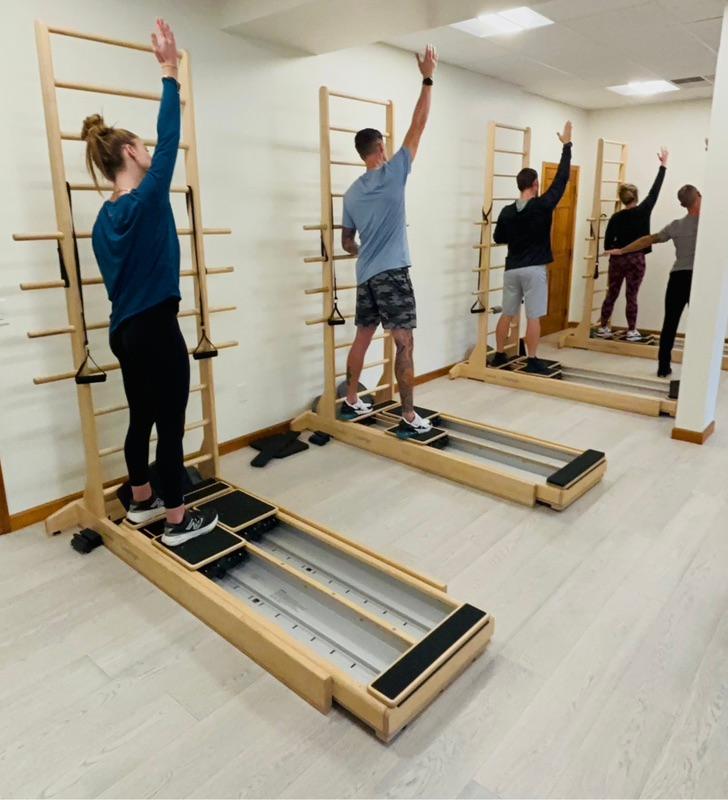
  • Pilates
  • mobility work
  • single-leg exercises
  • foam rolling
  • rotational movement


Even 15-30 minutes/day can make a real difference, and you can break this up into shorter sessions throughout the day.

Daily Movement Matters

One hour in the gym does NOT offset sitting all day.


Longevity studies repeatedly show benefits from:


  • walking frequently
  • gardening
  • housework
  • taking stairs
  • standing more
  • carrying things
  • moving after meals

Live to 100 and Beyond


Ever wonder what the longest-living populations actually do?


In places often called “Blue Zones” — like Okinawa and Sardinia — people usually do not “exercise” intensely for hours.


Instead they:


  • walk constantly
  • garden
  • carry things
  • climb hills/stairs
  • stay socially active
  • remain physically useful into old age


The pattern is frequent moderate movement for decades rather than extreme intensity for short bursts of life.

Move More Each Day:

Try a Small Group Session