|
What does Writing Accomplish
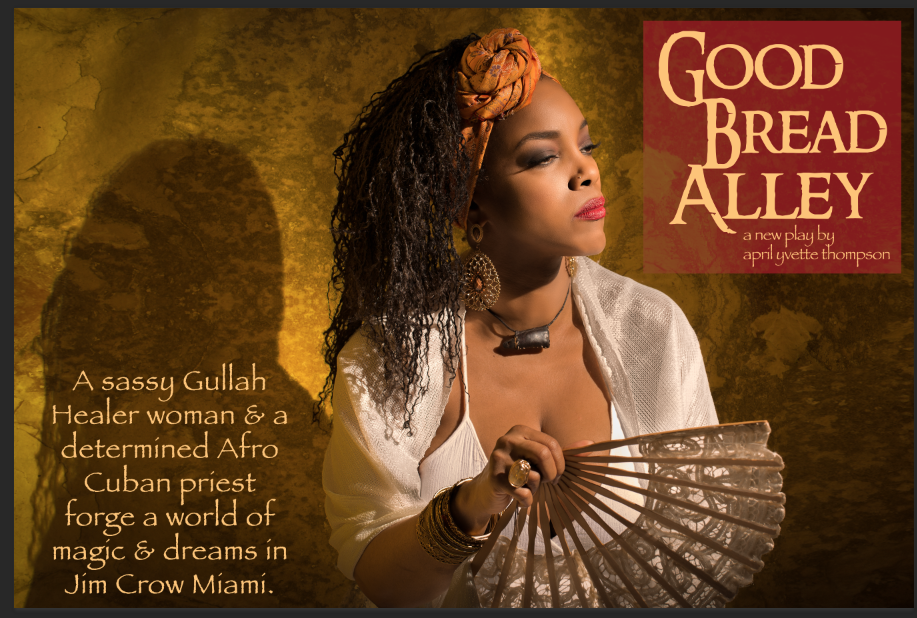
I wrote a play inspired by my great grand mother's world of fornicating preachers, loud and wrong church ladies, a gangster business woman who pistol whipped any man believing he could lay hands on her, a beautiful man who loved men & women while also marrying a woman.
This last character is a doozy. Percival is based on an actual person who lived and loved in 1926 Overtown Miami, my hometown. This character is also based on an extraordinary man who I grew up with and is one of my best friends. We grew up living and loving on our own terms without the labels and assumptions. So, I write from a place of lived experience, not some hipster chatter in a Williamsberg coffee shop.
Percival is regal, masculine in his beauty, elegant in his carriage. Because he's black in 1926, no one expects him to be a classically trained musician. So, he dons lush robes and serves up a pitch perfect La Boheme (no lip syncing anywhere) every night in a fancy hotel. His voice is a wonder. His piano playing sublime. He loves beauty in all things. Sometimes, he loves strong masculine men to that make him feel loved and cherished. Other times he loves lush, brown women with a voices of steel and an unapologetic sensuality.
In the actual play, a straight married has a a moment of cognitive dissonance. He hates that he lusts after a man, but also hates that he can’t have that man. So, he attacks Percival with a knife because Percival won't service him. The irony never ends.
But what was happening in the rehearsal room in the present was rife with irony and prejudice
The actor I cast was perfect for the role. We do the table read and afterwards he says
ACTOR
No gay man would say and do these things and I'm offended by this portrayal."
ME, THE WRITER
Well he did and was proud of it. Because he is a real living and breathing person I grew up with. He is magic and fire and unhidden grace. And your limited understanding and subsequent rejection of another person’s truth because they don’t fit into your definitions is bullshit.
I was enraged that this "progressive" gay person who makes his living as a storyteller could not empathize and portray another queer person's experience.
Because here’s the thing: You cannot argue with the truth and still look cute.
The truth doesn't care about your pedagogy on queerness. Your safe language that boxes people into neat little packages that you KEE-KEE about over spritzers.
Neither Percival the character, nor the real men he’s inspired by called themselves trans, non-binary, gay, bisexual, pan sexual or anything else. And that is a lived truth, not a philosophical conversation. They live a truth that is beautiful and cannot be quantified by whatever movement is currently in vogue. These men wholeheartedly reject those titles. Their spirits cannot be contained and don't follow polite lines of queerness.
I wrote this truth because I am in awe of the courage and clarity necessary to live this way out loud. It’s easy when it’s in vogue and everybody’s shouting about it and drag queens are reading stories in schools and there’s a queer character in every popular book and TV show. The idea of queerness becomes a stereotype rife with superficial definitions instead of a unique lived human experience.
And the actor who refused to play him was unwilling to confront uncomfortable truths within himself, so he could not imagine a character who had moved beyond those limitations.
But that is the job of the storyteller. To illuminate the human condition so that we all get to see the world from another person’t POV. To step into their shoes
That's what writing does.
Stories based on lived experience force the world to stop and reckon with someone who is not "performing their life" but who is living truthfully outside of manufactured boxes.
When you write from the expansiveness of your lived experience, it's so much bigger than our day-to-day conversations and trends and movements.
I write these stories because I grew up with fantastical, bold people living unknown and unchartered lives making it up fabulously as they went along.
And that's an incredibly powerful "WHY"
14 Ways Telling My Story Changed my Life
I raised $100,000 in 30 days to tell this story. My passion to tell the story spurred me forward. As a result, I learned:
- How to use KickStarters to fund my work
- How to produce a play while also acting in it
- I learned that I didn’t need to work for anyone to do work that I love and fulfils me
- learned how to supervise a team of producers
- I learned how to set up a business structure including a entertainment attorney, how to bond the production with Actors Equity
- I learned how much I was capable of
- I learned that wasting my time in auditions (with a name already attached) is an epic waste of time
- I learned that if someone wants to hire you, they can view your reel and resume and simply make an offer
- I learned that how much my time was worth and that I don't get out of bed for less than 10K
- I learned that theatre as it exists now is designed to keep artists in poverty of pocket and spirit.
- I learned that as you master each new skill set, you should move from a interpreter of stories o a producer of work
- I learned that contrary to popular belief, being an actor does not mean you’ll always have to work a day job to support your acting work
- I learned that the more experience in the craft, great reviews you have, your salary should grow with your career.
- I learned that acting, writing, directing and producing was ultimately far more lucrative than waiting to book a guest star role
Why do you write?
To give you the power to say what is unsaid.
To clarify what's been lost in fear and anxiety.
Writing your story is a uniquely powerful way to come back to yourself. A self with no limits and the power to change what everyone thinks is immovable.
Your truth can be incredulous but it cannot be denied.
Telling your story sets you free
from the ways you've made
yourself smaller to please others.
Writing changes you as you face all the stories you've lived, survived & conquered.
Autobiographical writing is always the most freeing for you and your audience. Telling your story frees you up to tell uncomfortable truths and reshape your reality.
Telling your story allows you
to become who you want to be;
not what others want you to be.
Love, Light & Power,
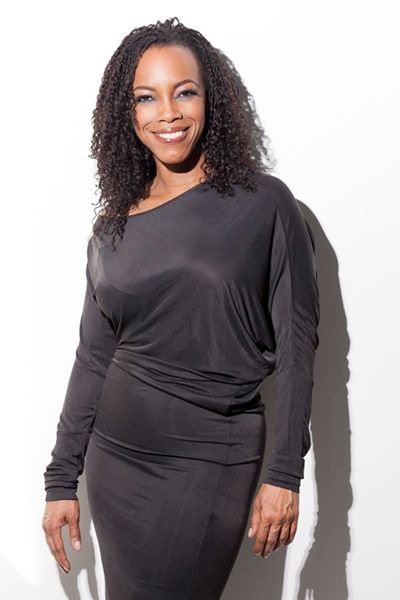
April Yvette Thompson
Tony-winning producer, actor, writer
& TheDreamUnLocked.com Founder
P.S. Now, tell me your WHY
and how I can help you
finish telling your story...
I’m listening
|