|
July 17 is Glioblastoma Awareness Day | |
|
Glioblastoma is the deadliest and most common form of brain cancer, with a five-year survival rate of only 6.9 percent. It accounts for approximately half of all primary malignant brain tumors in the U.S.
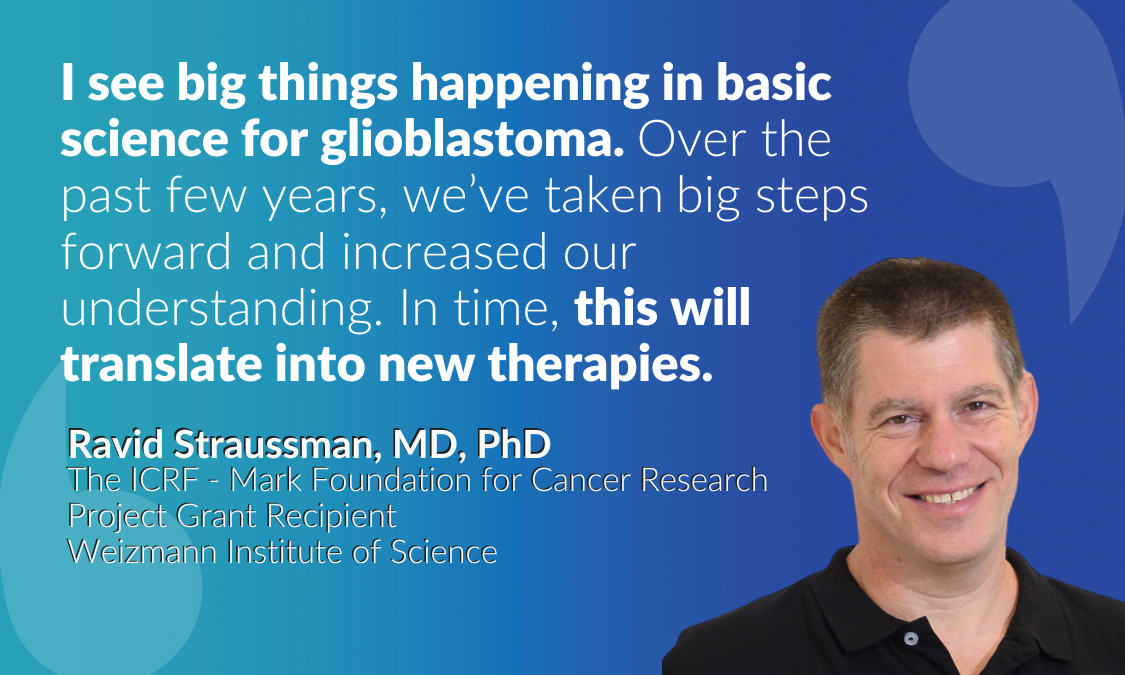
Professor Ravid Straussman, funded by The ICRF - Mark Foundation for Cancer Research Project Grant, is determined to find ways to change the game for people and their loved ones devastated by glioblastoma's wrath. We met with him to learn more about his work in this area, what drives him forward, and why he's confident that Israel's research in glioblastoma and in all types of cancer will prevail -- today and in the future.
| |
Examining Bacteria in Glioblastoma Tumors
| |
|
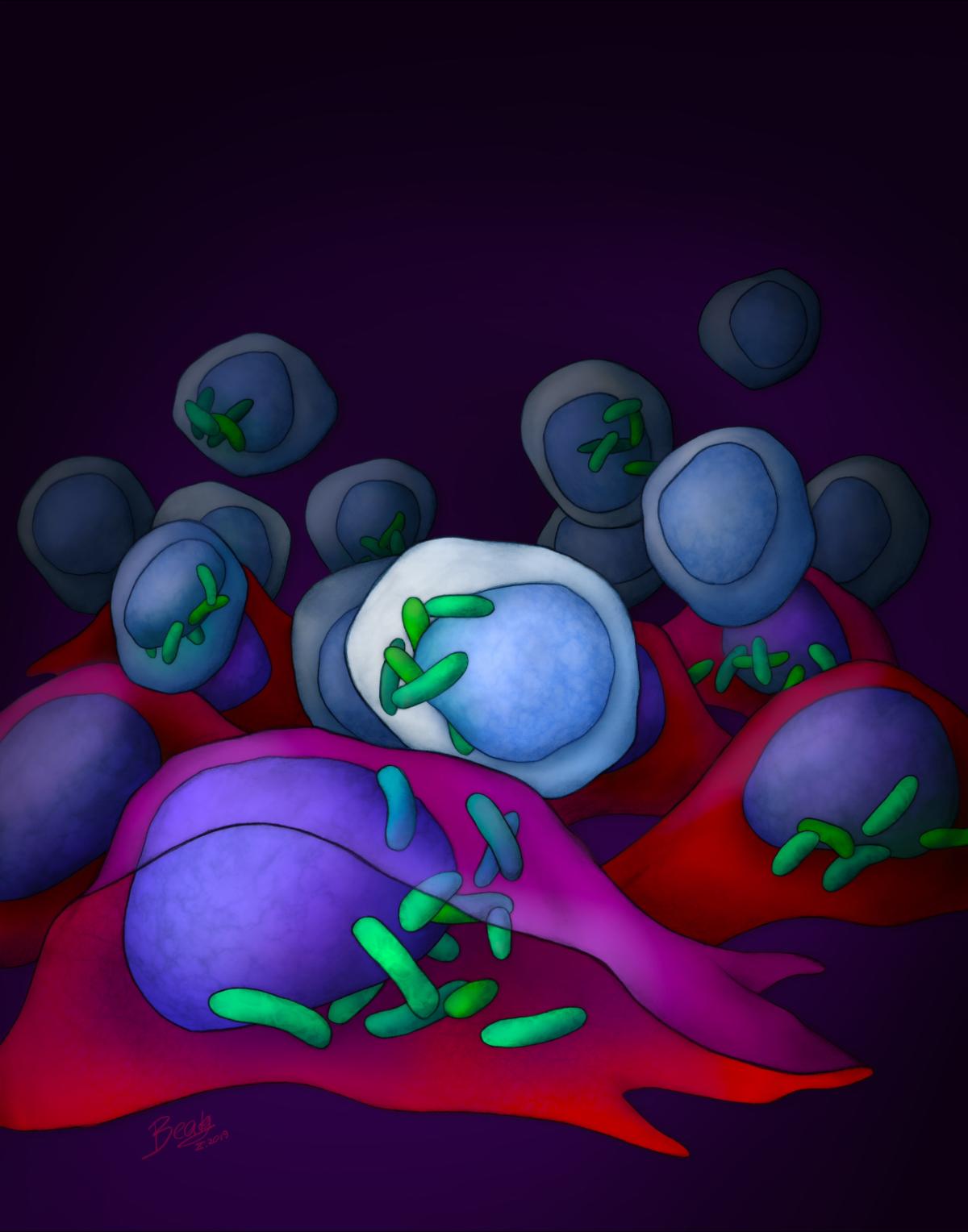
Through The ICRF - Mark Foundation for Cancer Research Project Grant, Prof. Straussman is studying bacteria and fungi, or microbiomes, located inside glioblastoma tumors. This angle of cancer biology had not been thoroughly studied, and in the last few years its potential impact has come to light.
This research aims to understand what the microbiome functions are, how they affect tumors, and how they impact patient response to treatment. Through changing the makeups of the microbiomes in these tumors, Prof. Straussman is hopeful that new ways to treat glioblastoma will be discovered. Learn more about this research here.
| |
Bacteria (green) in cancer cells (red) and immune cells (white). Drawing by Beata Edyta Mierzwa (BeataScienceArt.com) | |
Not Only for Glioblastoma | |
Prof. Straussman has been researching microbiomes in cancer for years. Starting in 2016, he studied them in lung cancer through the ICRF - City of Hope Jacki and Bruce Barron Cancer Research Scholars' Program Grant thanks to the generosity of The Harvey L. Miller Family Foundation. Though the grant concluded, the collaboration continues. Prof. Straussman speaks weekly with a City of Hope colleague about related research that continues to evolve, and now, together, they're finalizing a submission for publication of this work. | |
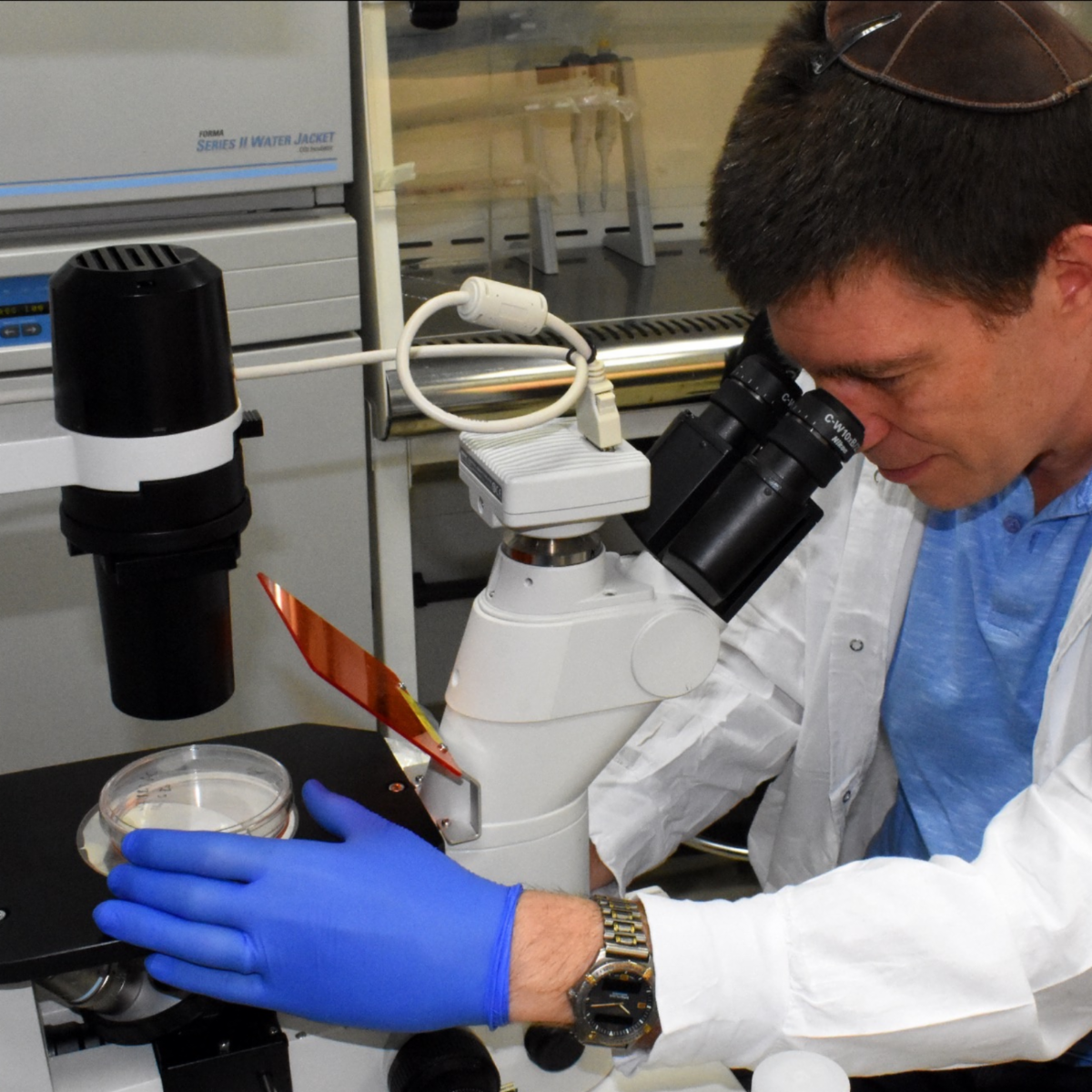
Professor Ravid Straussman in his lab. Photo by Larry Luxner | |
Professor Ravid Straussman: A Look Beyond the Microscope | |
A combination of factors motivates Prof. Straussman on a daily basis. First, he loves what he does. "My hobby is being in my lab. Discovering new things is amazingly rewarding for me." Helping people is even more rewarding to him, especially the cancer patients and students he meets with. Prof. Straussman pays it forward because others supported him, especially renowned biochemist Professor Howard Cedar, one of his mentors who currently serves on ICRF's International Scientific Council (ISC). | |
|
He also has personal experience with cancer. His father was diagnosed when Prof. Straussman was in medical school. "I spent a lot of time trying to look for a cure for him," he recounts. "I went to The American Society of Clinical Oncology (ASCO) Annual Meeting to hear about the latest advancements so I could help him. I spent many nights in the hospital at his bedside. It was a powerful experience." Prof. Straussman says this heartbreaking journey further underscored the need to find more effective and innovative cancer treatments, and to this day, it helps drive him forward. | |
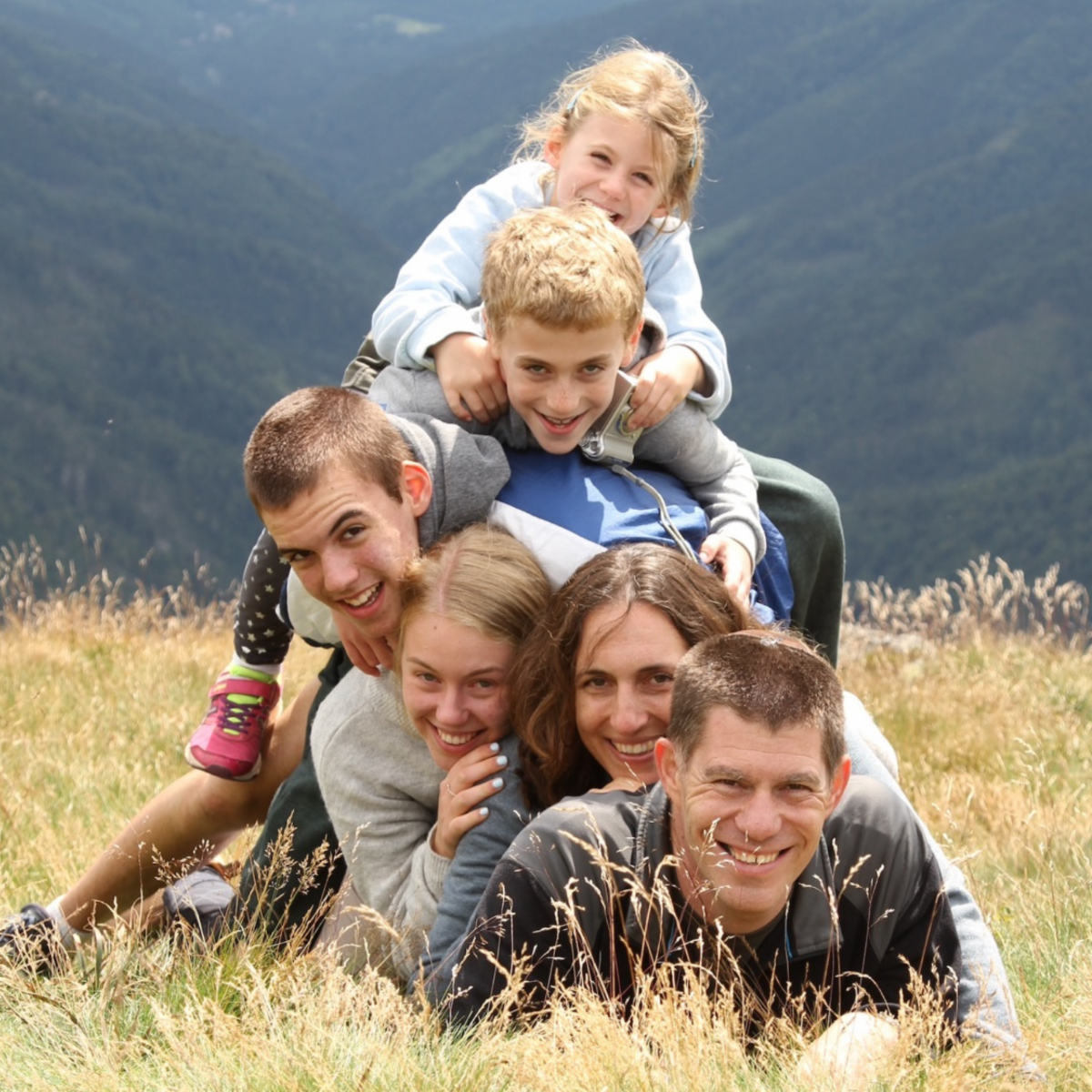
Professor Straussman with his family. | |
Israel has endured a lot in recent years, with Covid and October 7th at the forefront. Today, despite some people being called to serve in the Israel Defense Forces, added responsibilities for those remaining in the lab, and the emotional toll of it all, Prof. Straussman makes certain that the science continues. He notes that fellow researchers experience challenges within the global scientific community, referencing fewer invitations to meetings, censored speaking engagements, and travel concerns. | |
|
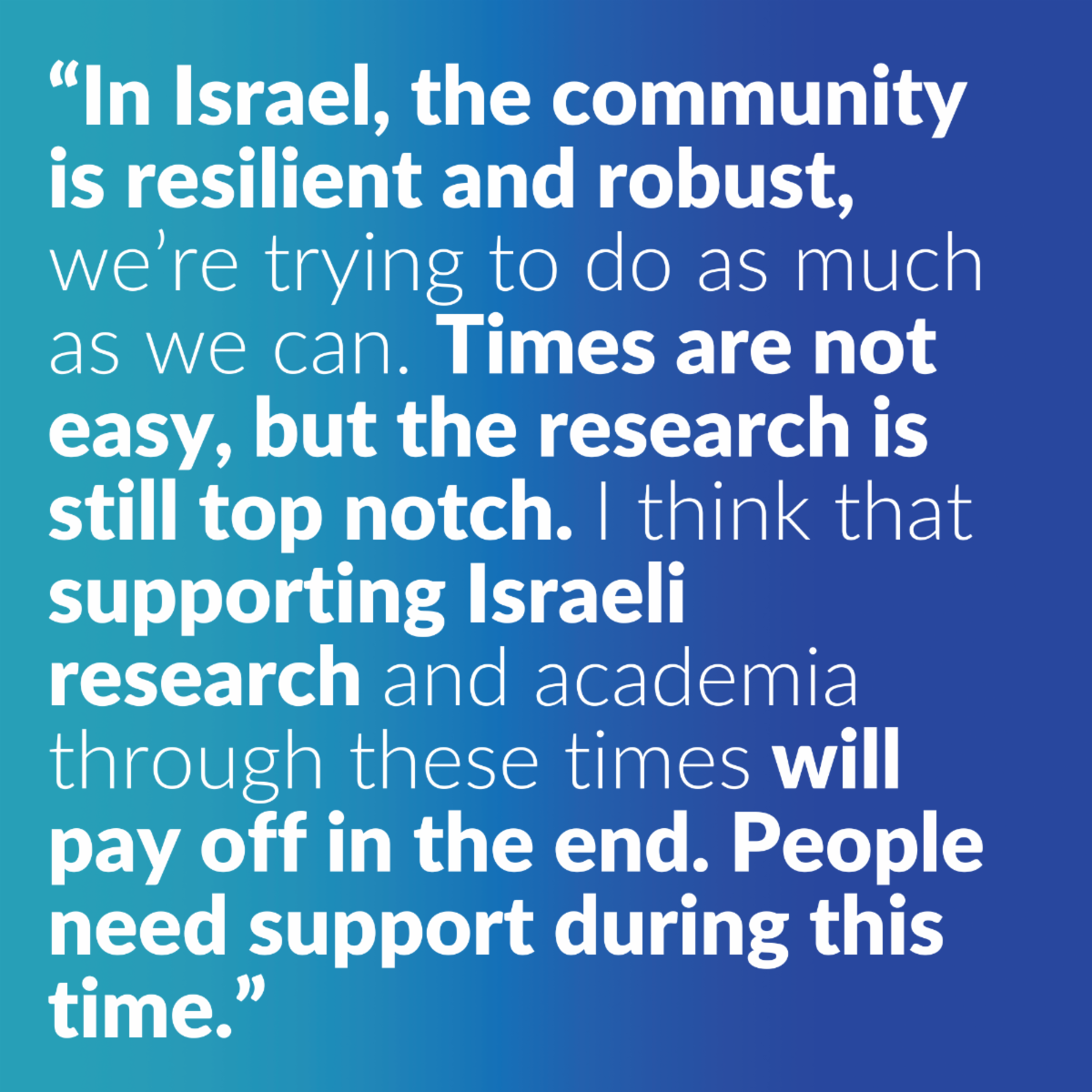
Despite the uncertainties Israeli scientists face, the open nature of their community proves time and again why Israel's researchers persevere, especially now.
"We're a highly collaborative community. I can easily call any researcher in Israel and ask for anything...to borrow a device, or get guidance, and they'll say, 'Let's get a coffee and we'll discuss it so I can help you.' I couldn't ask for more than that."
| |
|
|
Make a Gift to ICRF Today
In recognition of Glioblastoma Awareness Day
In honor of Israel's scientists prevailing in the fight against cancer
| |
Now more than ever — cancer research in Israel must continue. Today and always, Israel must remain a leader in science and a beacon of hope for the world. | |
Follow us on Facebook, Instagram, LinkedIn, and X/Twitter: @ICRFONLINE | | | | |