Wetutoskimetowin eNEWSLETTER

We are on the homestretch to Spring Break! The warmer weather opens the door literally and figuratively to project-based learning (PBL). As you know, PBL is a teaching method that involves students working to to create something based on research. It is an iterative learning process often with several steps. PBL helps students develop skills like critical thinking, collaboration, and creativity. An exploration of Treaties using PBL is a fun and cooperative way to learn about Treaties and Treaty relationships. Check out this month's Featured Teaching Resource, it is a good example of project-based learning.

Featured Teaching Resource

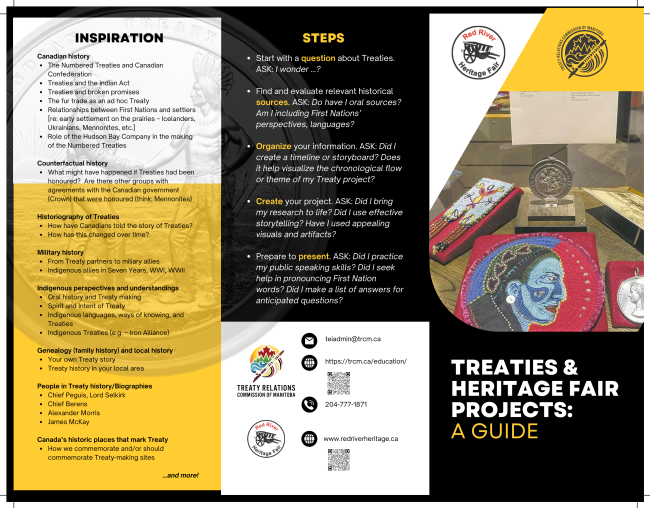
This brochure outlines the steps to create a Treaty-themed heritage fair project. Print and use in class as a guide or send it home with students to work on a project with their parents/caregivers. Click the document to access.


For more teaching and learning resources, click below.

Click Here
 

Treaty Sleuthing: Spaces + Places


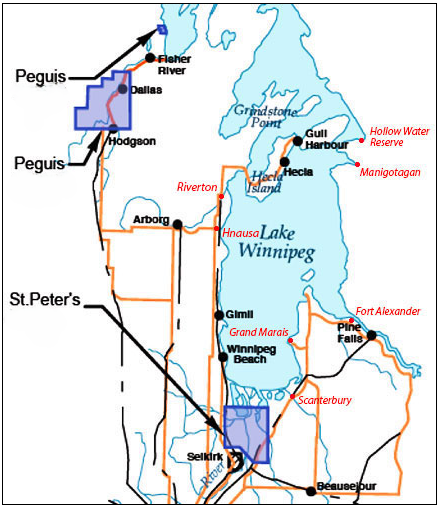
Treaty 1, 1871, recognized Anishinaabe (Ojibwe) and  Ininew (Cree) ancestral territory along the Red River and promised to protect it from further settler encroachment. After Treaty 1 was made, St. Peter’s Reserve was established, stretching from the south end of Eveline Street in Selkirk to Netley Lake. Newcomer settlement boomed and in less than a decade the first 15 lots belonging to the reserve were engulfed within the Town of Selkirk limits. In 1907, the reserve was ‘surrendered’, the land was sold, and the St. Peter’s residents were relocated to the new reserve, Peguis First Nation. It was not until 1998 that Canada ruled the "surrender" was in fact, illegal, validating more truth to the story of St. Peter's Reserve and Peguis First Nation. 


Want to learn more about Treaty-significant sites?

Click Here

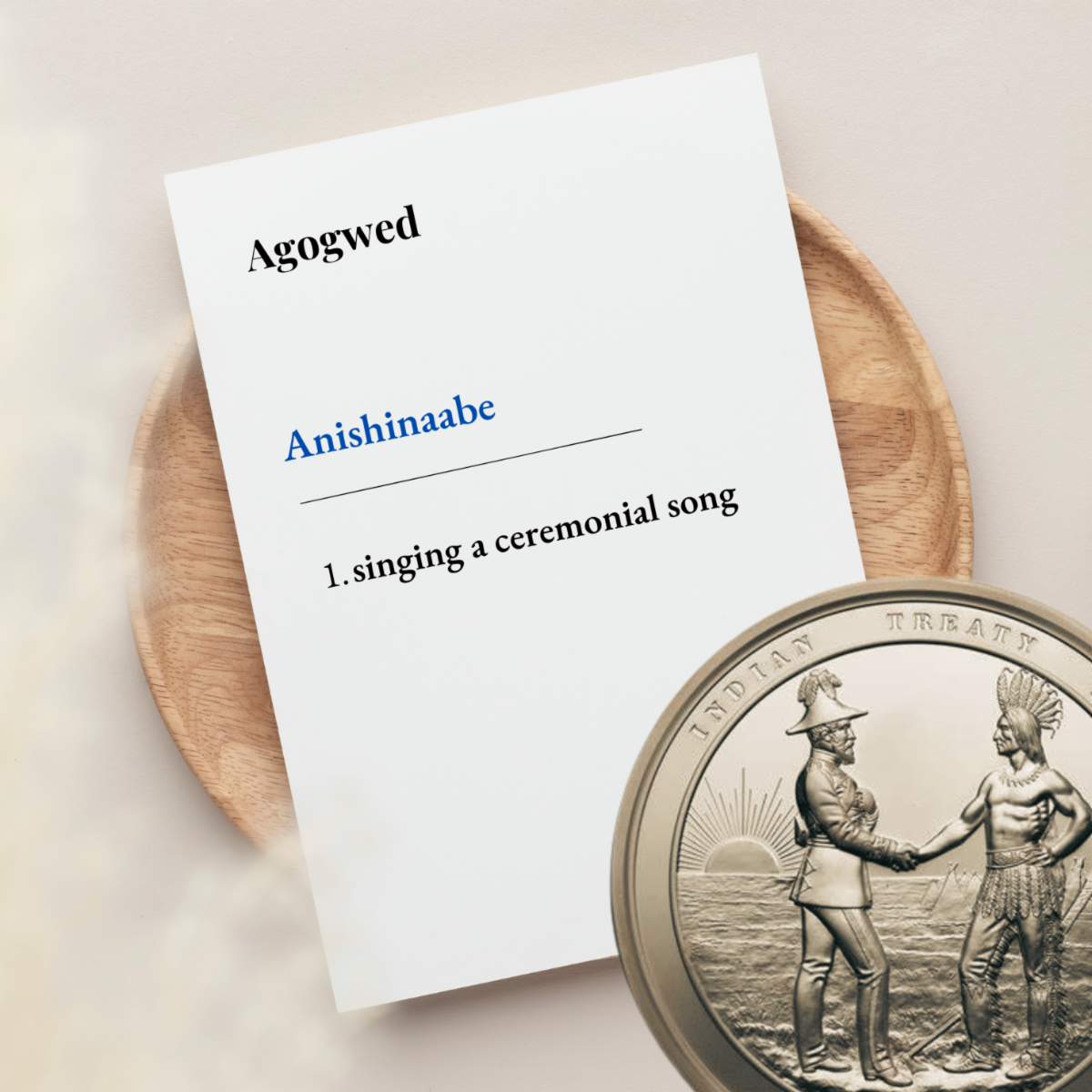
Treaty Terminology

Treaty Turning Points


What’s a turning point in history? It is a moment or event that significantly changes the course of history. Turning points can have broad scopes and far-reaching implications. They also can be local and their asssociated changes can be incremental.


At the heart of Treaties is relationships. Treaty turning points are those that result in a change in the relationship between First Nations and their Treaty partner, which includes not only the Crown, but all Canadians. 


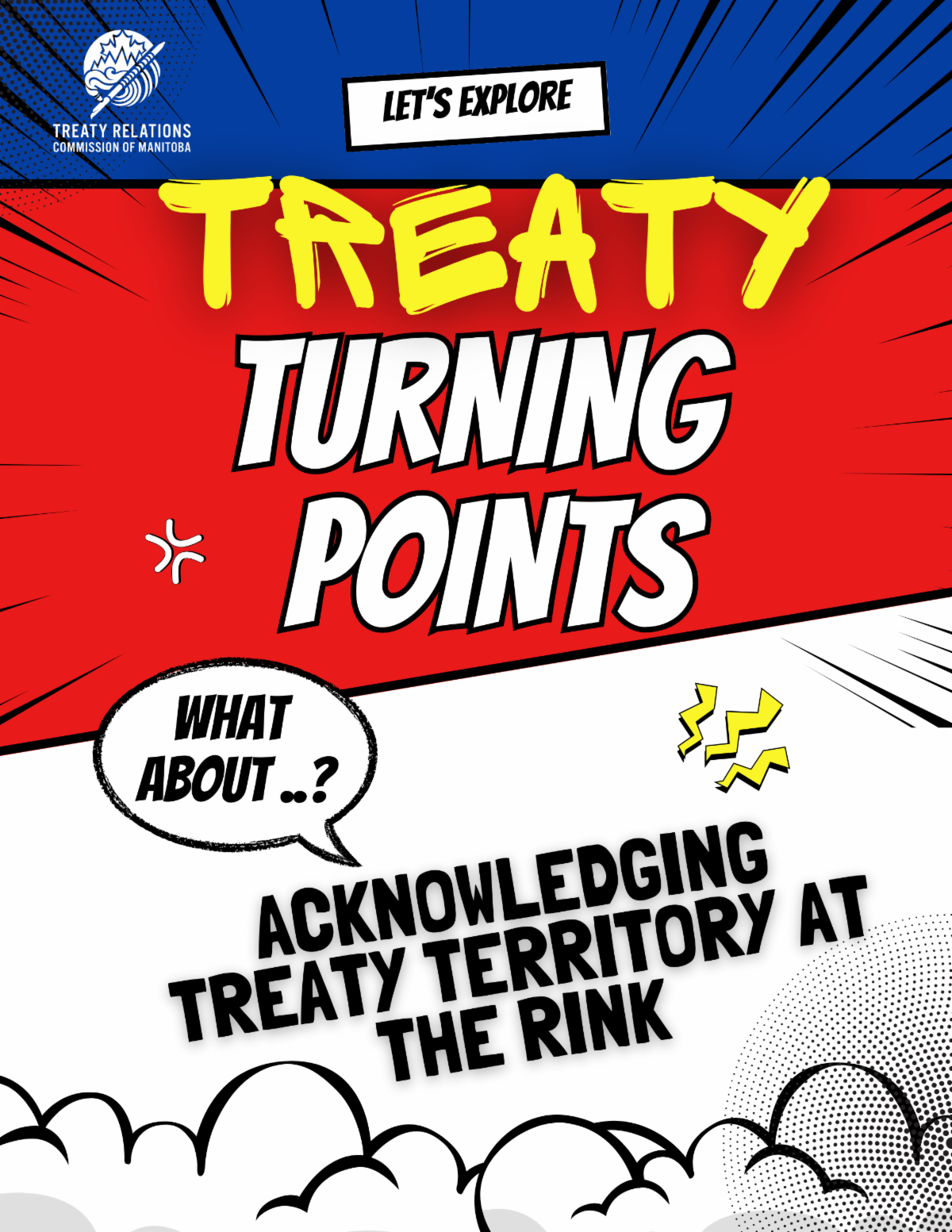
Each month the Treaty Education team will feature a Treaty turning point in history. This month the turning point centres on "Acknowledging Treaty Territory at the Rink".


Click the document to preview.

Click Here to Download

Busy work? Mindfullness?


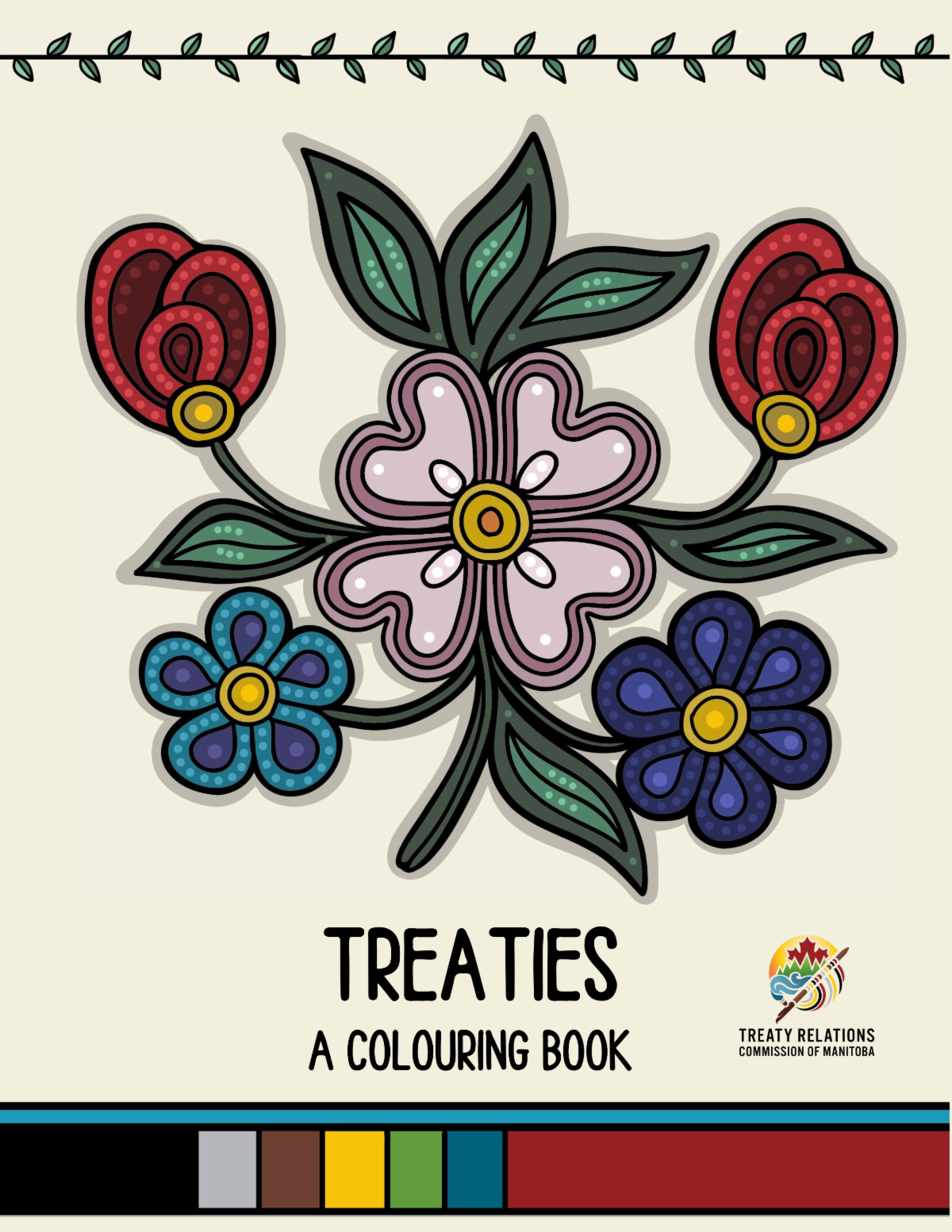
Many school leaders and Catalyst Teachers have been planning and delivering school-wide Treaty Education sessions. When you are adding workshop snacks and swag to the tables, considering printing a few colouring pages.


Mindful colouring is about bringing awareness into the present moment by consciously focusing on colour and design. People pay attention with curiosity, openness and acceptance, to what is happening in the present moment. 


Click the document to access.

This year’s Red River Heritage Fair will feature a judging category on Treaties. Consider entering with your students!

Treaty Education Training, 2024 - 2025 

 TRCM is handling all registrations. Participants can register by clicking the link below.

April 11: MB Catholic Schools [IP]

April 24 & 25: UW Collegiate [IP]

May 1 & 2: Independent Schools [V]

August 20 & 21: Summer Institute [IP]


IP = In-person; V = Virtual; CT = Catalyst Teacher

Email us to find our more. Click Here to register.

Digital Storymap


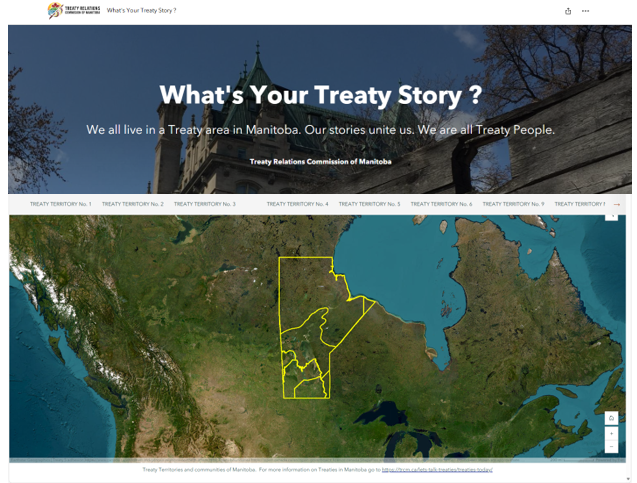
Be sure to revisit Treaty Education's interactive ArcGIS storymap. By clicking, you can investigate Manitoba's Treaty areas, explore the history and geography of each area, watch site-based videos, and find your home or school!


Click Here to access.

Treaty Ed In-School Support Team


Our In-School Support Team is here to help! We can support you in the classroom in-person or virtually. We offer:

  • Co-teaching Treaty Education lessons.
  • Help in implementing Treaty Education Kit resources.
  • Tips on incorporating local Treaty history.
  • Support for PLCs and staff professional development.
  • We also offer French language support for Immersion and French classes. Make sure to note that you would like our French-speaking In-School Support teacher when you book.


Click Here to book In-School Support

catalyst.jpg

To find out who your division's Treaty Education Catalyst Teacher is, contact your superintendent or Click Here to reach out to our team.

Click here to read about 'Treaty Education for All' and the role of Catalyst Teachers

Wetutoskimetowin (Cree/Nehethow): 'to work on it together'

Facebook  Twitter