Preventing Injuries and Property Damage from Trees

Hello Marc,


Almost everything we do involves risk:


  • When we drive a car, there is a risk we will be involved in an accident.
  • When we climb a ladder, there is a risk we could be injured.
  • When we trust the tuna salad that "might" have been in the fridge a little too long - well, there's risk there too!


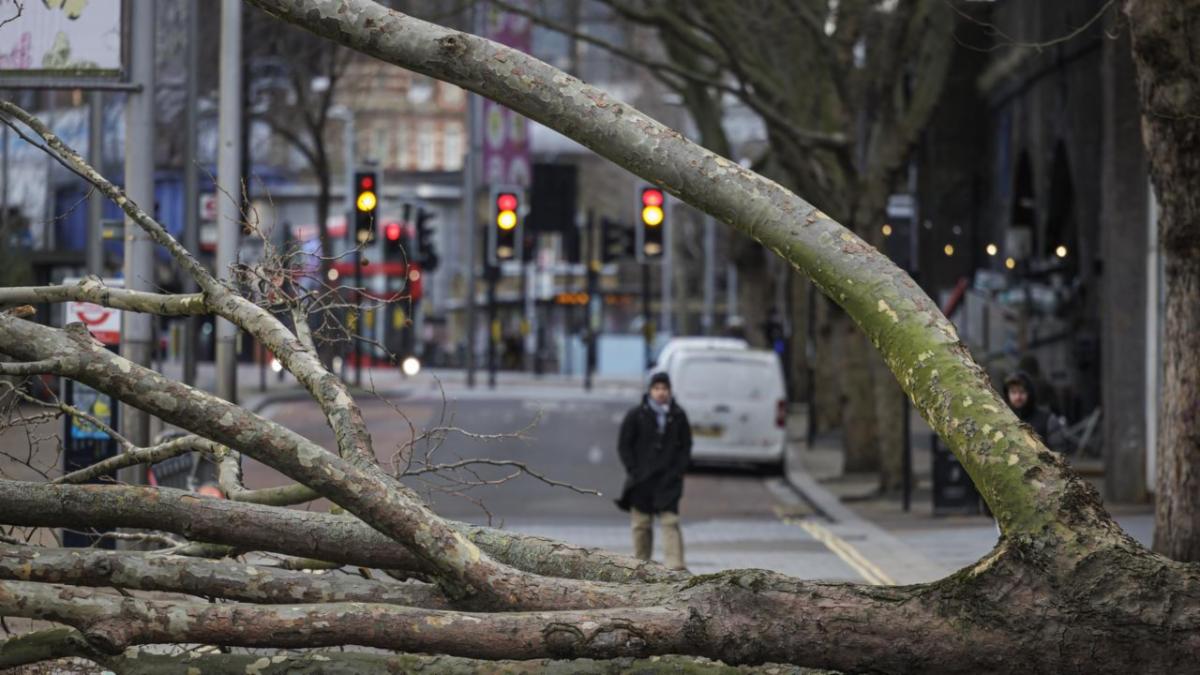
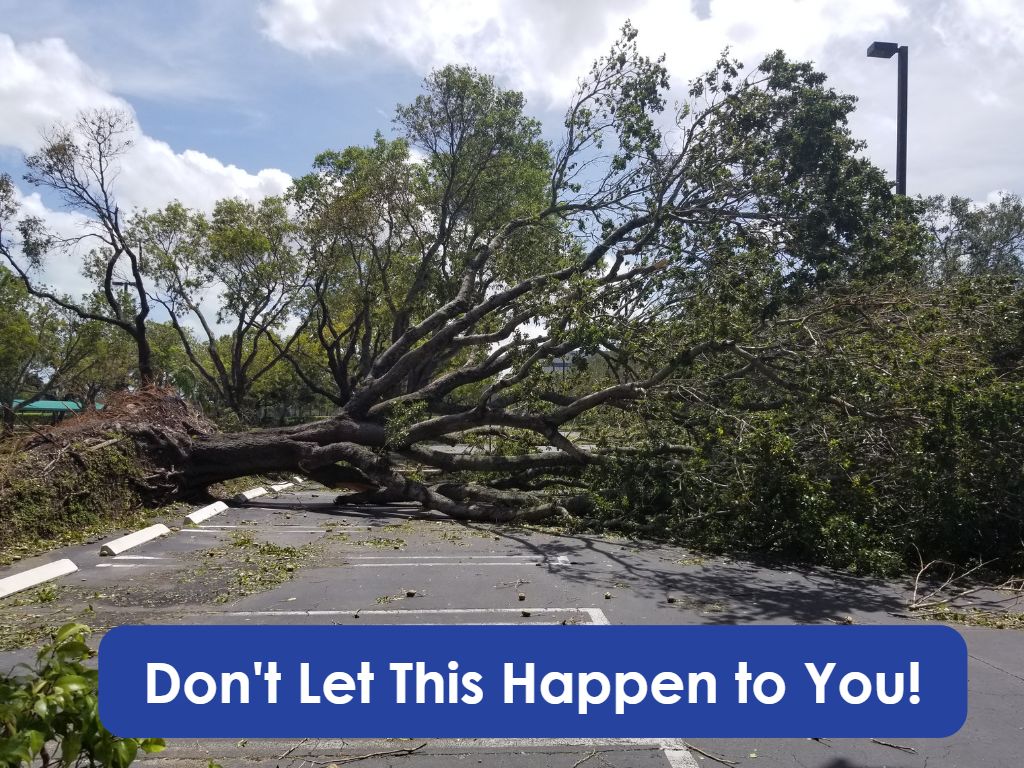
If you have trees on your property, there is risk that they might cause property damage, injuries - or even death.


As with other building systems, trees require proactive maintenance to reduce risk, promote tree health, and enhance the aesthetic appearance of the property's landscaping design.


Proactive maintenance helps to identify and resolve problems before they damage (or kill) the tree. In addition, proper pruning and maintenance reduce the chance of injuries, deaths, and

property damage if a tree (or limb) falls.


The annual cost to maintain trees properly is significantly lower than the cost to cure future problems caused by improper maintenance.


250 billion


Approximate number of trees in the US

ambulance_white.jpg

100


Annual deaths from non-logging tree-related incidents

1,500


Annual serious injuries from non-logging tree-related incidents

But, My Landscaping Vendor Handles Tree Care...


Are you sure about that?


Landscapers often have limited roles when it comes to tree care. In most cases, they are only responsible for maintaining the bottom 10-12 feet of the tree. Their scope usually entails trimming branches that impede walkpaths and other proactive maintenance practices.


Of importance, landscapers rarely maintain the tree canopy - where much of the danger resides.


(Some larger landscaping vendors have tree care specialists on staff. Double check your contract to see what is - and is not - covered under your landscaper's scope of work.)


Hire an Arborist/Tree Care Specialist

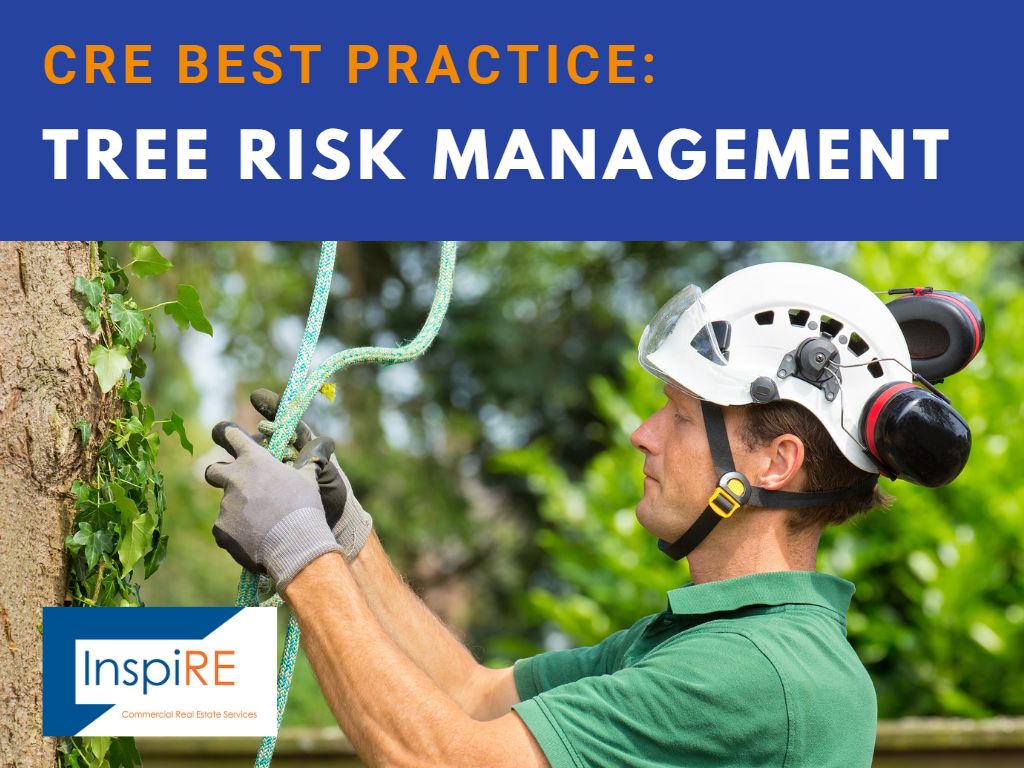
To help manage risk, real estate managers should hire a tree care specialist - typically a certified arborist - to perform regular tree inspections and maintenance (proactive and reactive).


The scope of work for tree care should include:


  • Inspection & Assessment
  • A tree inspection evaluates a tree’s health, vigor, and structural development while calling attention to any changes in the tree’s health before a severe problem can develop.


  • Defects
  • The tree care specialist will evaluate the tree for poor health, such as trunk defects or decay, damaged branches, loose bark, or deformities.
  • Major defects caused by construction damage, storm damage, improper pruning, and rot must be addressed.


  • Soil Type & Environment
  • The specialist also assesses the tree’s soil type, slope, aspect, and placement. Each type of tree has slightly different needs regarding soil type, drainage, nutrients, pH, sunlight, and water requirements.


  • Mulching
  • Mulch can reduce the impact and stress on the tree’s roots by keeping the roots moist and cool.
  • Mulched tree rings also help to prevent damage to the trunk base and the tops of exposed roots that lawnmowers and string trimmers can cause.
  • Mulch also helps eliminate competition for water and nutrients from the surrounding weeds and grasses.


  • Canopy
  • Next, the tree care specialist will evaluate the tree canopy for its balance, structure, form, and density.


  • Pruning
  • Pruning is necessary to remove dead, diseased, or insect-infested branches, improve the canopy structure, enhance vigor, and maintain safety.
  • Pruning also increases light penetration inside the tree’s canopy and to the landscape below.
  • Pruning large, mature trees requires special education, training, experience, and equipment. This work can be dangerous if done improperly, and it is usually best left to professionals who can complete it safely.

For More Information

Check out these additional resources:


InspiRE Logo - 09302021.PNG

InspiRE CRE, LLC

443.290.6040

marc@inspirecre.com

Contact InspiRE
LinkedIn  Twitter  Email