Wake County Tree Canopy Planting in Action


As Wake County continues to grow, protecting the trees that make our communities healthier, cooler and more resilient is becoming increasingly important. A countywide Tree Canopy Assessment, completed in 2023, is helping local governments identify opportunities to preserve and expand tree coverage while protecting air and water quality, reducing heat and supporting wildlife.

Watch our latest video to see how municipalities across Wake County are putting the assessment into action. The study also supports the Wake County One Water Plan by identifying tree preservation and planting strategies that help protect water resources and support sustainable growth for future generations.

Farmland Preservation Plan Supports the One Water Vision


As Wake County continues to grow, protecting farmland is also helping protect water resources. The Wake County Board of Commissioners recently approved the county's first Farmland Preservation Plan, a 10-year strategy that supports agriculture while preserving the natural landscapes that improve water quality, reduce flooding and recharge groundwater.

The plan closely aligns with the Wake One Water Plan, which recognizes farmland, forests and open space as essential green infrastructure. By expanding conservation easements and protecting working lands, the county is strengthening long-term water resilience while supporting sustainable growth.

Since 2023, Wake County's Farmland Preservation Program has permanently protected 407 acres across seven farms. 


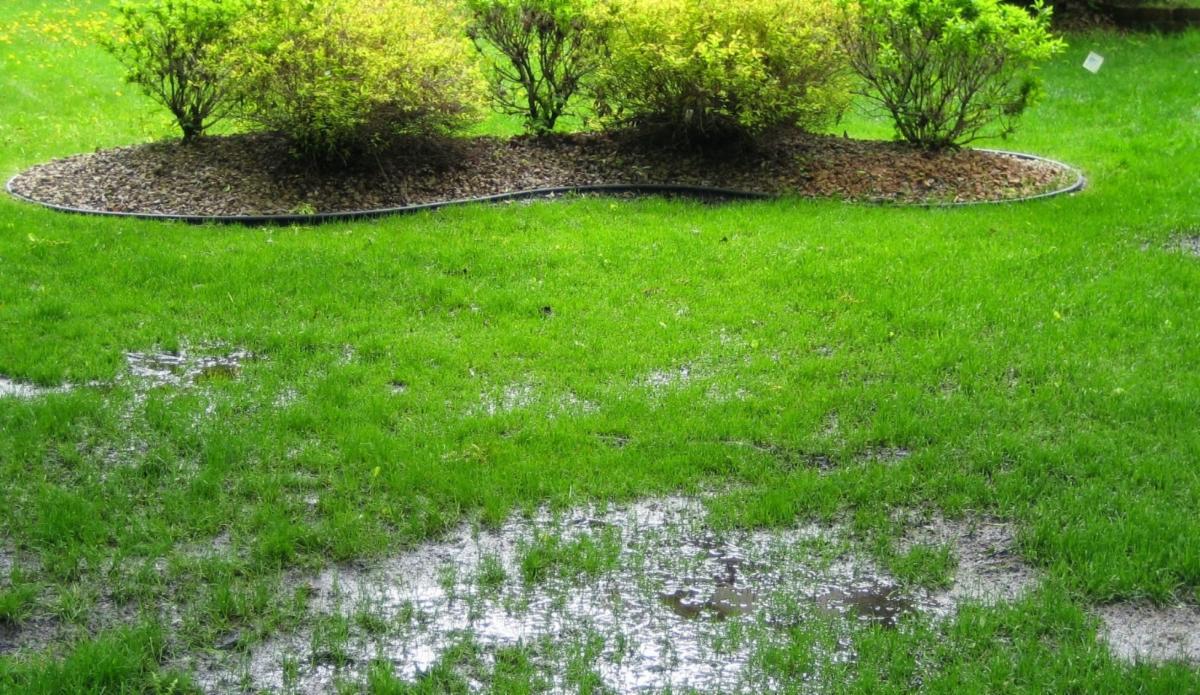
Saturated septic system drainfield

Protect Your Septic System and Well During Hurricane Season


Hurricane season runs from June 1 through Nov. 30, with the peak season from mid-August to late October. Taking a few steps before and after a storm can help protect your septic system and private well.


Septic system


Before a storm: Check your septic system for damage, pump your tank if it is due for service, secure lids and equipment, and document the system with photographs and map its location for insurance purposes so that you know exactly where everything is located.


During a storm: Reduce water use as much as possible. Avoid using your garbage disposal and do not attempt septic repairs during severe weather.


After a storm: Check for damage, standing water or smells of sewage. Contact a professional immediately if you experience sewage backup, persistent standing water or structural damage.

Private well


Before a storm: Store extra water for drinking, cooking and other needs. Remember, wells need power to work, and flooding can make well water unsafe.


During a storm: Stay inside during the storm and never attempt outdoor well maintenance during severe weather.


After a storm: If your well was flooded, assume the water is unsafe until it is tested. Tests for bacteria should be done following any flood event to ensure your water is safe to use. Do not turn on the pump until the electrical system is dry.

X Share This Email
LinkedIn Share This Email