Trees Virginia Newsletter
Fourteenth Edition
June 2026
Our Mission: To enhance the quality of life through the stewardship of our Commonwealth’s urban and community trees.
Donate to Trees Virginia!
| | |
Honorable Mention - 2026 Governor's Environmental Excellence Award
Tree Fredericksburg has been recognized as an honorable mention recipient for the 2026 Governor’s Environmental Excellence Award. The award is given to those in the state who have demonstrated leadership, innovation, and commitment to implement pollution prevention practices to reduce environmental impacts and improve our natural environment. The award, signed by Governor Abigail Spanberger, recognizes the efforts of Tree Fredericksburg for their work on Canopy Restoration in the City of Fredericksburg.
| |
Tree Fredericksburg Tree Stewards and volunteers have planted over 10,000 trees along city streets, and in parks and school yards since 2008. The benefits of these trees are many: residents and visitors to Fredericksburg can now walk along shade lined streets, trees help reduce the “heat island” effect in the city, air quality is improved, and the beauty of trees enhances the lives of the city residents. Tree Fredericksburg is honored to receive this award and recognition.
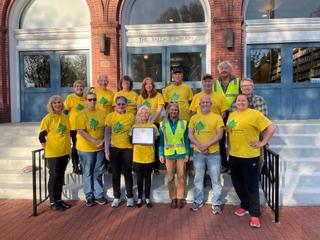
Pictured in the photo are a number of Tree Fredericksburg Tree Stewards. Photo by Anne Little
| | | |
Trees Virginia would not be successful without the support of our all-volunteer board!
Please take some time to read about our board members in our new section "Board Member Spotlight". Every edition will highlight a different seat within our board, to kick us off we have the Non-Profit Seat.
| |
Ann Jurczyk,
Non-Profit Seat
| "My favorite tree is any oak, but if forced to pick one, probably the white oak for its shape when grown in an open field." | |
Learn More about Ann below:
Ann is currently the Virginia Manager of Urban Restoration with the Chesapeake Bay Foundation. She has completed dozens of restoration projects, including designing and implementing buffers, living shorelines, tree plantings for parks and schools, vegetated bioswales, community gardens and rain gardens.
| |  | |
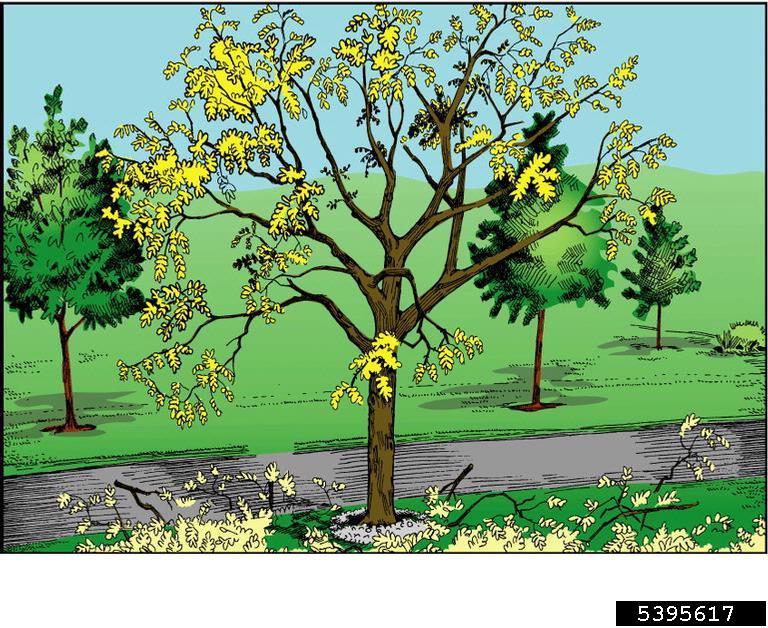
'Trees seal, not heal'
Above photo: International Society of Arboriculture, Bugwood.org
Trees Virginia Board Member & arborist Keith Pitchford walks us through tree pruning in a new series. Read on to learn more!
Tree Pruning: Part II –
Are you Performing Tree Care or Tree Work?
If the underlying motivation for running a tree company is money, then this is tree work.
On the
other hand, if the motivation is to promote young tree pruning, or to consider the real need for
the pruning of live and dead wood, or to perform science-based tree risk assessments, or to balance the risk/reward of chemical applications, then this is tree care.
| | |
Life after Death -
Wildlife Trees
Article by: Anna Aquino
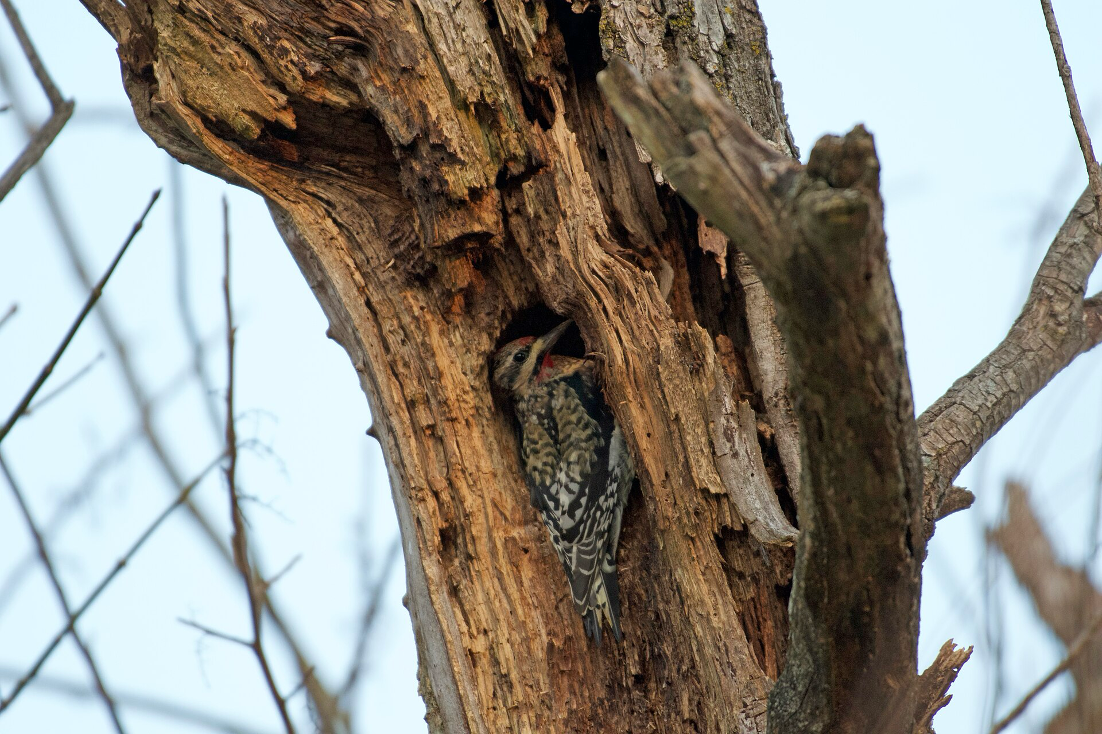
Photos: Yellow Bellied Sapsucker: USFWS: Public Domain
Great news! There is life after death. That dead tree in the backyard supports more life than the living one next to it, lots more. It is probably the most underappreciated feature in the natural world. Birds, mammals, reptiles, bats, tree frogs, native bees, depend on dead and decaying trees. They raise their families in them, store food in them, look for food, perch, sing, hunt, roost, sleep, shelter from weather, storms, and predators. When trees eventually fall, these nurse logs decay on the forest floor, providing a moist substrate for seeds to germinate and grow. Decomposers like bacteria and earthworms transport the products of breakdown through the soil profile for living plants to discover and thrive. The ecological functions of dead and decaying wood are beyond compare.
| | |
Invasive Species Highlight:
English Ivy
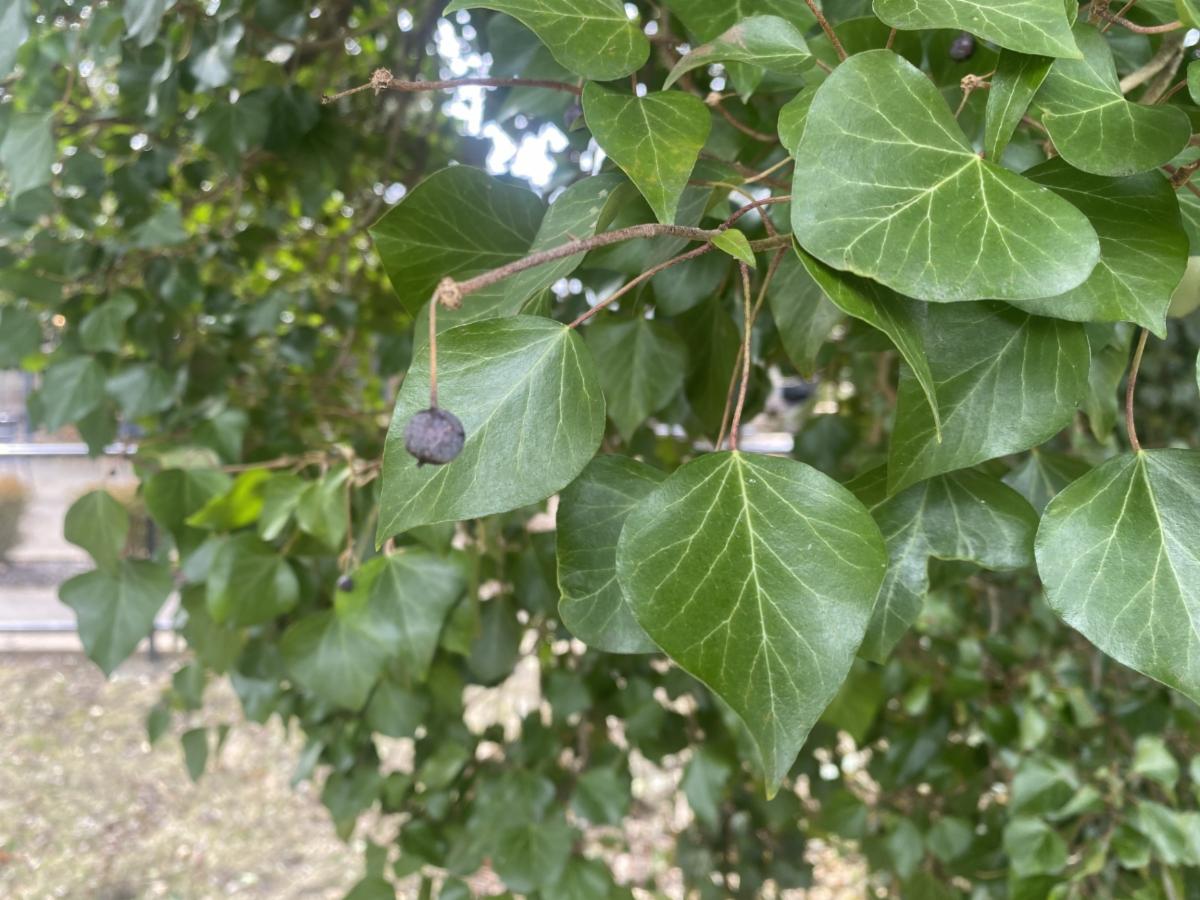
Article & Photos courtesy of Kevin Sigmon
English ivy (Hedera helix) is a shade tolerant, problematic, and highly invasive vine that was introduced to the US in the early 1700’s. A member of the Ginseng family, it spreads rapidly on the forest floor, creating a dense monoculture which smothers native ground vegetation, and eventually begins to climb trees and shrubs. As it climbs, it covers areas where the tree/shrub could have leaves, reducing its ability to produce food for itself. It also adds significant weight and wind drag to the tree, making it more susceptible to storm damage. English ivy has also been found to be a reservoir for bacterial leaf scorch, a deadly disease to our native oaks, elms, sycamore, maple, and mulberry.
| | | | Trees Virginia has an Instagram Page! | | |
Note: Any photo/image without a credit source listed in this newsletter is sourced from Constant Contact stock images.
Contact us:
Email // treesvirginia1@gmail.com
Phone // 434-295-6401
| | | | |