WELCOME TO THE SPRING 2023 NEWSLETTER! |
|
Spring – A Time of Renewal and Growth |
|
|
|
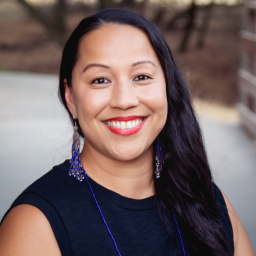
Native American cultures have many different traditional beliefs and practices related to the changing seasons and the natural world. This includes spring, which is a time when Indigenous cultures celebrate life renewal and nature's awakening. In my Navajo (Diné) culture, springtime (Dáán) does not begin until winter storms have subsided, and springtime growth begins. During this time, vegetation and crops sprout, animals emerge, and the land blossoms and flourishes. This is seen as a significant period of growth and transformation, where new life is celebrated, and the land is renewed.
The Navajo, as well as many other tribes, recognize springtime as a time to gather, confer with one another, and make decisions that affect the community. Some tribes gather wild plants and herbs for medicinal and ceremonial purposes. It is a time to reflect and give thanks for life.
In my Navajo culture, spring is a time to hold ceremonies and traditional practices to give thanks for the renewal of life and seek harmony and balance (Hózhó). Traditional Navajo medicine people perform various ceremonies and rituals to cultivate Hózhó to restore the balance between us and the environment. One such ceremony is the Blessingway ceremony, one of the most revered traditional Navajo rituals. The Blessingway promotes harmony, balance, and health. It is typically performed for individuals going through a significant life transition, such as a birth, marriage, or illness.
As spring arrives, you can feel the air begin to warm, and the days get longer. The snow begins to melt in some areas of the country, and the flowers begin to bud. Spring is a time for plants and animals to grow and flourish and for you, your family, your community, and your program to grow and flourish. As you embrace the warm sun and fresh, crisp air, reflect on the lessons learned and challenges you overcame in the last season. Take this opportunity to set new goals and pursue them and remember to take time to appreciate the beauty of the season. Reflect on how it has shaped you to be where you are now. Throughout the days and weeks that follow, set your eyes on the broader perspective, which will prepare you for the little hiccups and challenges as you proceed on your path.
Marcella Nez, PATH Sr. Dissemination Specialist
|
|
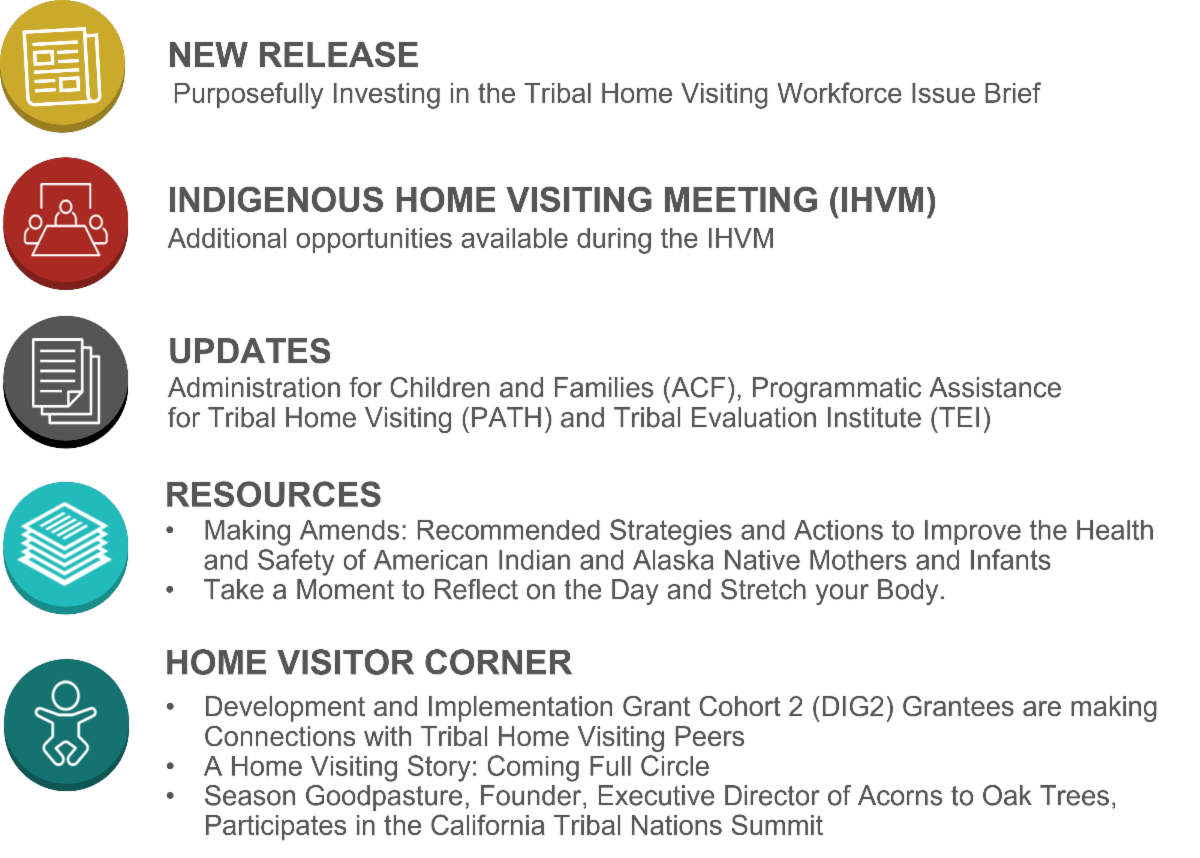
IN THIS EDITION OF THE NEWSLETTER! |
|
Purposefully Investing in the
Tribal Home Visiting Workforce Issue Brief
|
|
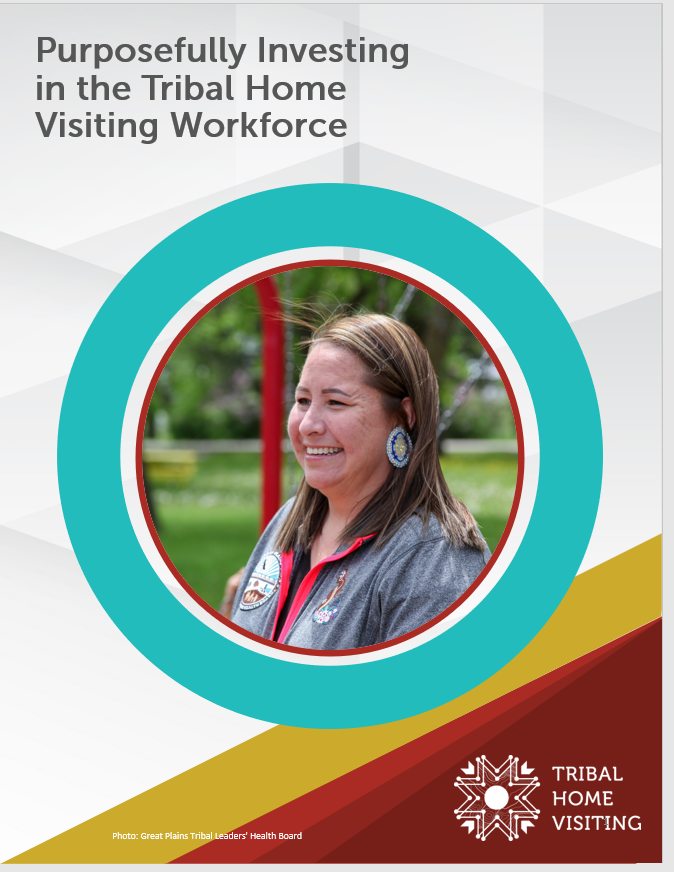
The Tribal Home Visiting Program is pleased to release the Purposefully Investing in the Tribal Home Visiting Workforce issue brief. This issue brief describes the current Tribal Home Visiting workforce and highlights innovative approaches Tribal Home Visiting grantees used in recent years to prioritize investments in their staff. It draws from interviews with nine grantees who reflected on their challenges and shared their best practices for supporting recruitment and retention, ensuring opportunities for effective training and professional development, and incorporating tribal traditions and practices into workforce supports.
Many thanks go out to the home visiting participants and current and former staff members of the Choctaw Nation of Oklahoma, Confederated Salish and Kootenai Tribes of Montana, Cook Inlet Tribal Council, Eastern Band of Cherokee Indians, Great Plains Tribal Leaders’ Health Board, Lake County Tribal Health Consortium, Native American Health Center, Southcentral Foundation and Turtle Mountain Band of Chippewa.
We hope you enjoy this brief.
|
|
Indigenous Home Visiting Meeting |
|
For those of you who have registered, and selected your sessions, learn more about all the additional opportunities available during the IHVM:
We are looking forward to seeing you at the IHVM. Click here to let us know what you are looking forward to the most.
|
|
ACF Conducted DIG2 Year 1 Site Visits, with Support from TEI and PATH, from March through April 2023.
|
|
Grantee site visits provide an important opportunity for grantees, ACF, and TA teams to build relationships and work collaboratively to prepare for data-driven home visiting program implementation.
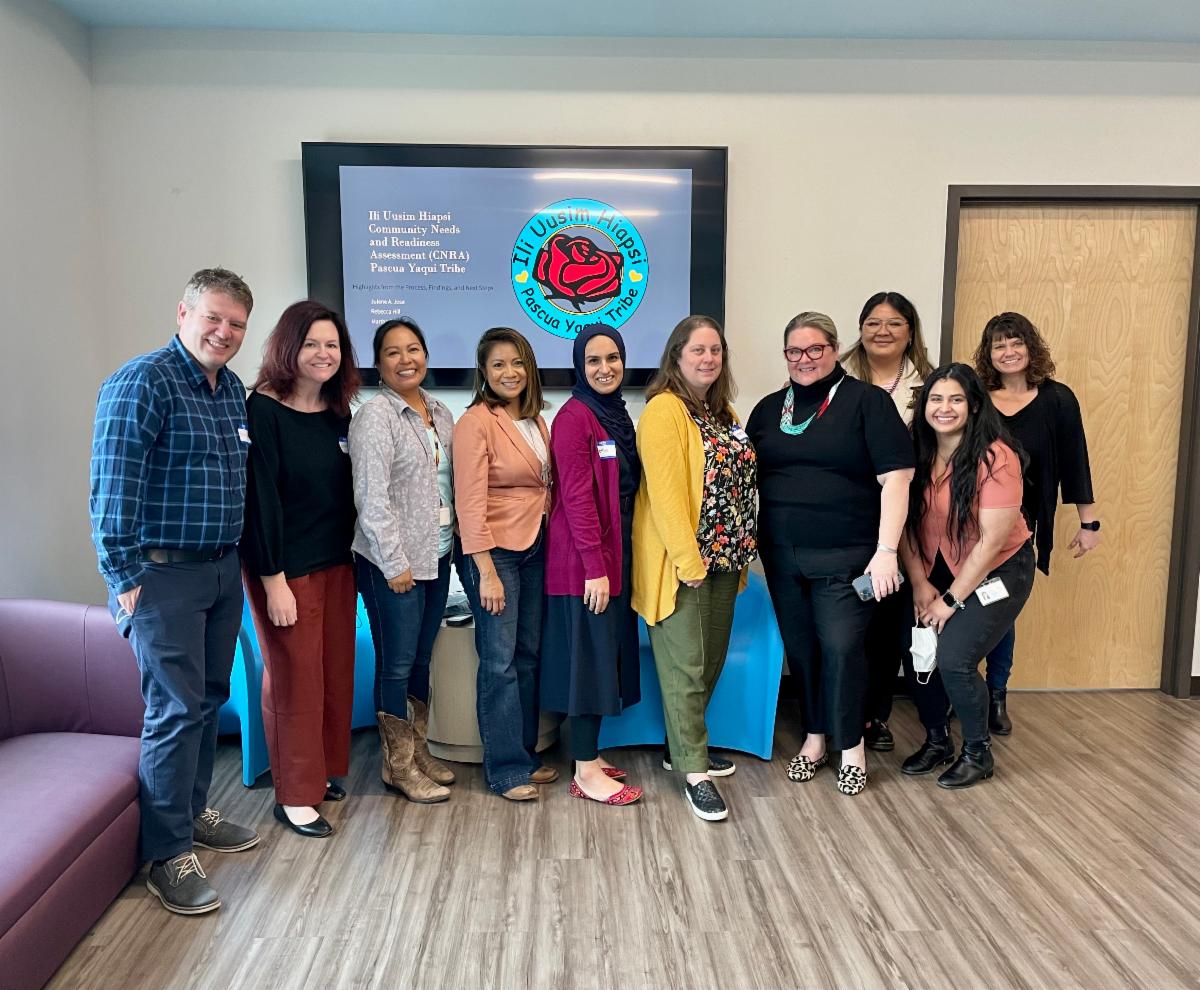
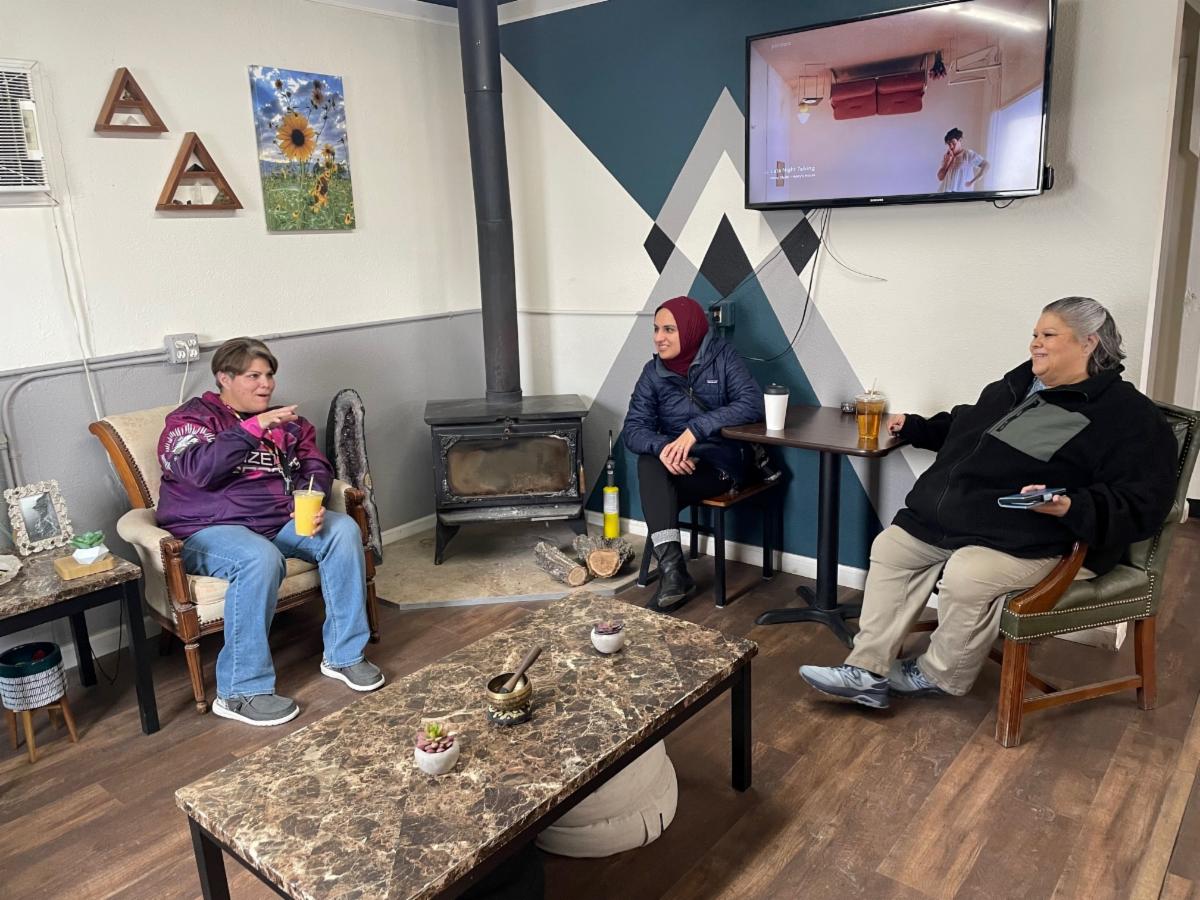
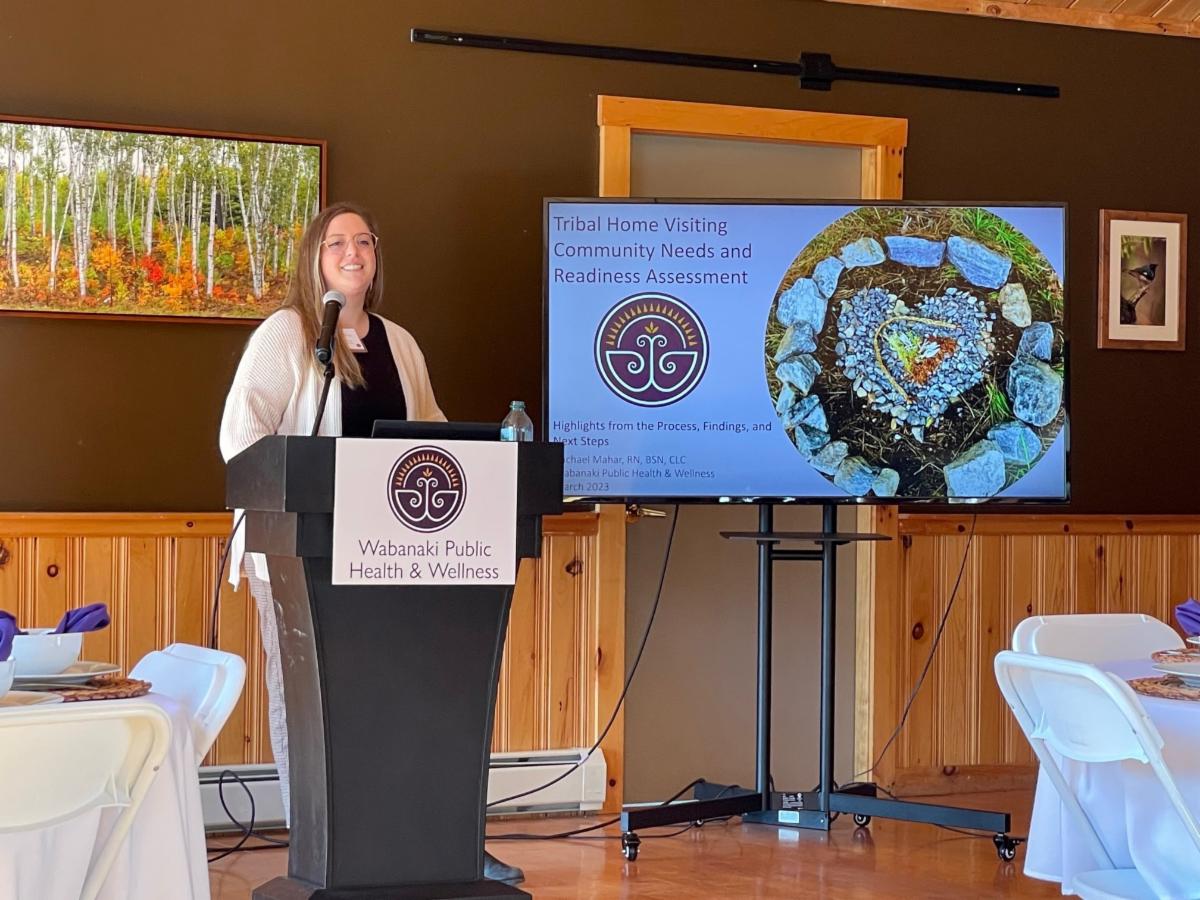
Tribal Home Visiting grantees hosted seven site visits between March and April 2023. Site visit agendas included Community Needs and Readiness Assessment (CNRA) data presentations, discussions on preparing for program implementation, roles, and responsibilities, Tribal Home Visiting data requirements, and model selection.
|
|
A highlight for the Walker River Paiute Tribe was the community meeting facilitated to analyze CNRA data and prioritize areas of focus for program design. “I left the community meeting feeling empowered, more confident about implementation, and supported by my community,” shared Courtney Quintero, manager of Walker River Paiute Home Visitation.
Hilary Harris of the Catawba Indian Nation reflected, “It went very well. There were not many expectations, but I knew it would be comfortable. We appreciated each of the sessions. The tools and trainings are significant.”
Rachael Mahar at Wabanaki noted, "We loved having the opportunity to share our communities with our federal funders and partners. There is so much beautiful energy in our work that can be felt but not explained."
The preparation and time investment required to host a site visit is substantial. ACF is grateful for the hospitality displayed by each of the DIG2 grantees.
“Wow, it has been so wonderful to have completed the year 1 site visits to all seven DIG2 grantees! I was lucky to visit three sites. The kindness and generosity of the hosts was unbelievable. I really enjoyed all the visits and learned so much. I especially enjoyed seeing your communities and meeting so many Tribal Home Visiting Champions," said Carrie Peake, Federal Project Officer.
Thank you, to all of our hosts, for being so passionate about sharing your knowledge, dreams, vision, and enthusiasm for implementing home visiting services in your community!
With Gratitude, the ACF, PATH and TEI Teams
|
|
Deputy Assistant Secretary Hamm chats with new
TELI Collaborative Participant!
|
|
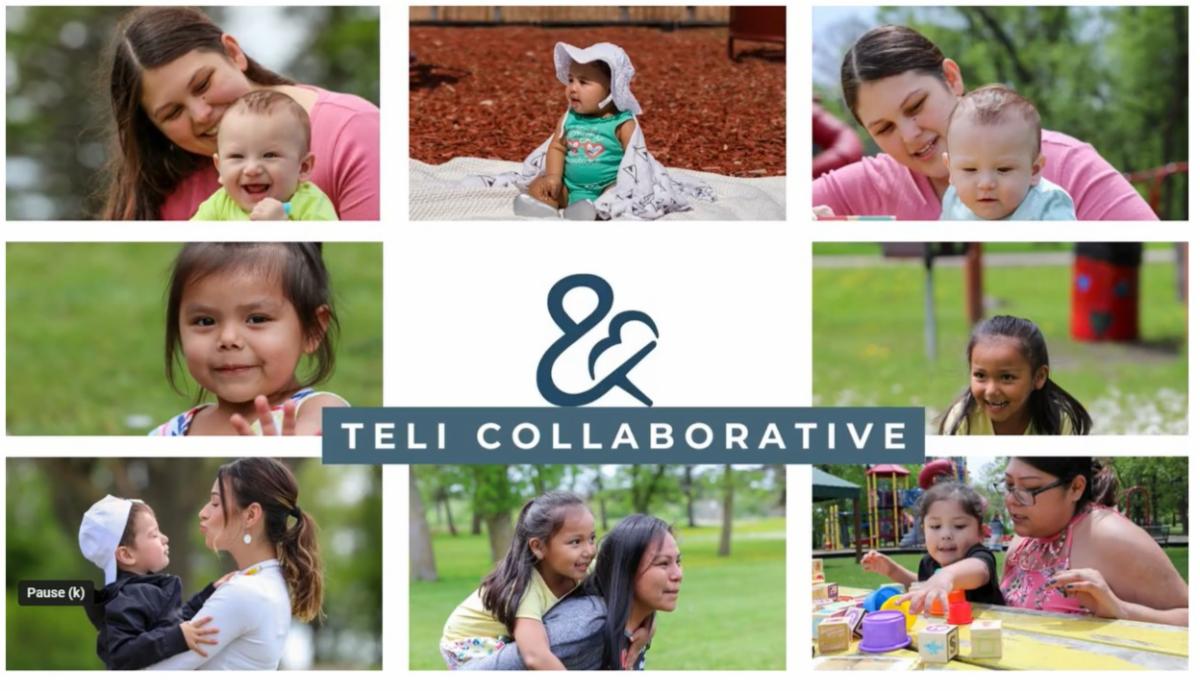
Tribes have a unique opportunity to better coordinate tribal early childhood services and improve the experiences of children and families by participating in the Tribal Early Learning Initiative (TELI). TELI is an opportunity for all tribal early childhood programs, including child care, Head Start, home visiting, and others, to partner in developing a stronger community early childhood system. Check out this conversation between Katie Hamm, Deputy Assistant Secretary for Early Childhood Development, and Anne Shade from the Bristol Bay Native Association (BBNA) discussing why BBNA decided to participate in the TELI Collaborative and what they hope to accomplish!
|
|
Sophia Transitioned from her Role as the PATH Team Project Director
|
|
PATH and Tribal Home Visiting would like to extend a heartfelt Thank You to Sophia Taula Lieras and wish her the best of luck, positive thoughts, energy, and prayers as she moves on to her next journey in supporting Indigenous families and communities.
PATH and the extended Tribal Home Visiting family have had the privilege and honor of working alongside Sophia over the last nine years.
Prior to working at ZERO TO THREE in her role with PATH, Sophia spent over 18 years working in urban Indian organizations with children and families. Her work spans a variety of areas, including home visiting, mental health, Tribal Temporary Assistance for Needy Families, and education.
Sophia brought a wealth of knowledge and a broader perspective to her leadership, which grew from her experiences as both a home visitor and home visiting program director. Her experiences in those roles shaped her understanding of what grantees need and want.
Sophia helped bring an Indigenous perspective to the broader home visiting field. She valued the many collaborative tables she sat at and was able to lift and highlight the amazing successes of tribal home visiting as well as surface concerns specific to delivering services within a tribal context. Sophia's passion, dedication, and commitment to working with Indigenous children and families were exemplified on the numerous committees and working groups she served.
We appreciate Sophia's calm, reflective, and thoughtful leadership. She set a tone of care and collaboration on the team and made extra efforts to ensure everyone's voice was heard and differing perspectives were raised. She values collaboration and worked hard to make sure PATH focused on teamwork. Sophia's wisdom, knowledge, and down-to-earth personality have impacted each of us in direct and indirect ways.
- She led with empathy!
- She led by example!
- She led with heart!
Kim Bradley, our Program Manager for Technical Assistance, is stepping into the Interim Project Director position, and Mary Caputo, our Senior Technical Assistance Specialist, is stepping into the Interim Program Manager for Technical Assistance position.
The Tribal Home Visiting Team
|
|
TEI would like to invite you to join us in two Sessions at the
Upcoming 2023 Indigenous Home Visiting Meeting!
|
|
Tuesday, June 6th from 1:30-3pm ET “Continuous quality improvement (CQI) in a tribal context: The approach and findings from the CQI Collaboratives process study.” This session will feature a panel discussion with TEI, the Office of Planning, Research, and Evaluation (OPRE), and Lake County Tribal Health Consortium’s Tribal Home Visiting Program in Northern California. The panel will highlight key findings from the Tribal Maternal, Infant, and Early Childhood Home Visiting Continuous Quality Improvement Collaboratives (CQICs). The CQIC process study approach, purpose, and methods will be introduced, along with key findings such as the changes tested, and improvements seen by grantees. Recommendations and suggestions for implementing the CQIC approach in Tribal Home Visiting or other federally funded grant programs will also be shared. We welcome your attendance at this session as we share CQIC reflections and lessons learned from multiple perspectives.
|
|
Wednesday, June 7th from 2-5pm ET “Strategies for cultivating successful research and community partnerships.” This session will highlight the value of engaging in a research/ evaluation and practice partnership, identify a set of strategies for identifying partners and building successful evaluation/research and practice partnerships, and share innovative Indigenous research approaches being implemented by researchers in partnership with communities. In Indigenous communities, research and evaluation efforts must involve thoughtful and intentional collaboration between program staff and researchers grounded in transparency, trust, and respect. During this session, attendees will learn from pairs of research and program partners. We welcome your attendance at this session as we share strategies and lessons learned for cultivating successful relationships from both the researcher and program perspective to support meaningful research and evaluation practice and other data related activities!
|
|
|
Making Amends: Recommended Strategies and Actions to Improve the Health and Safety of
American Indian and Alaska Native Mothers and Infants
|
|
“Making Amends: Recommended Strategies to Improve the Health and Safety of American Indians and Alaska Native Mothers and Infants” marks the first time that the Secretary of Health and Human Services Advisory Committee on Infant and Maternal Mortality (ACIMM) has made safeguarding and promoting the health and well-being of American Indian and Alaska Native (AI/AN) women, infants, and families a priority. |
|
This report offers a strategic set of recommended actions that could be among the many steps the Federal government must take, both to reconcile past actions and step up to the obligations to American Indians and Alaska Natives that it has abrogated since the founding of our nation.
|
|
|
Take a Moment to Reflect on the Day and Stretch your Body. |
|
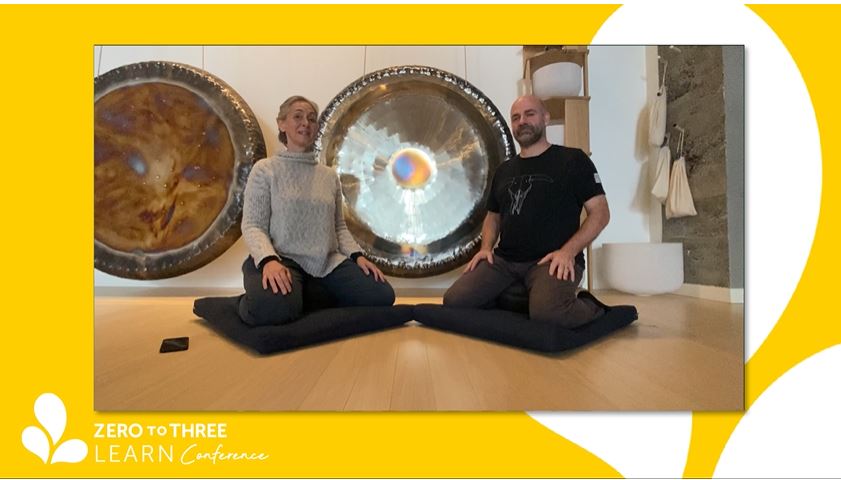
It is important to take a moment to reflect on the day and stretch your body. The ZERO TO THREE team created multiple videos for you to do just that! Click on this link to access these mindfulness sessions.
Instructions are provided on how to modify the stretches - to ensure you do not injure yourself.
|
|
Welcome to the Home Visitor Corner!
We want to recognize all of our home visiting programs for their creativity, ingenuity, and thoughtfulness to stay connected with their families.
|
|
DIG2 Grantees are making Connections with
Tribal Home Visiting Peers
|
|
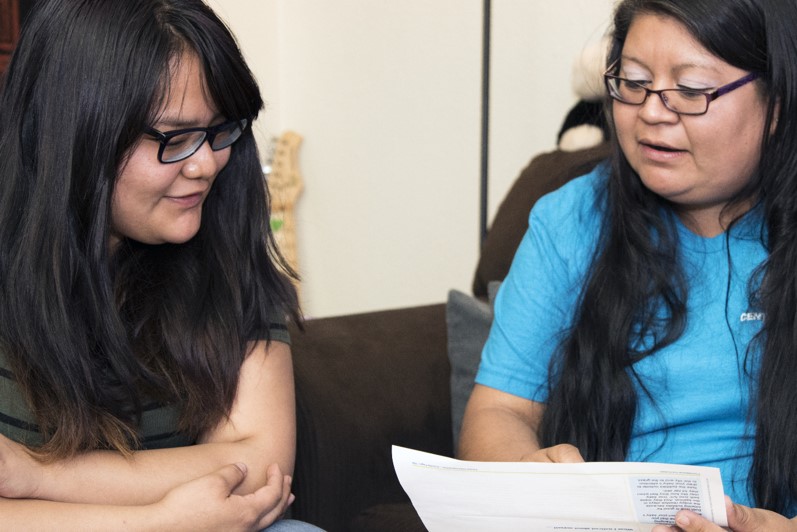
The best part about Tribal Home Visiting, aside from working with wonderful Indigenous communities, children, and families, is that you are not alone in experiencing home visiting development, implementation, and expansion stages.
Connecting with other programs can be one key to your success; these relationships offer an opportunity for growth, problem-solving, obtaining advice, and receiving constructive feedback. Read two examples of how grantees have connected and how it has benefited the program.
Rachael Mahar, Home Visiting Manager for Wabanaki Public Health and Wellness, shared that connecting with Terri Rattler, Program Manager for the Great Plains Tribal Leaders Health Board's Tribal Home Visiting program, was very much appreciated. “It was great to hear how things have changed over the years, as a continuous grantee, and how Great Plains was able to adapt to meet community needs and collaborate with other organizations. We are both in a similar situation, serving multiple Tribal communities in remote locations, and learning about their process of how they manage multiple grants and collaborate with multiple managers who have different scopes of work, but complement each other, was helpful to talk through.”
Hillary Harris, Home Visiting Manager for the Catawba Nation, is grateful for her connection: “I was connected to Trish from the Eastern Band of Cherokee Indians and Katherine from Taos Pueblo through my project officer and technical assistance provider. These connections have been so helpful. As someone who is new to the home visiting space, it has been incredibly beneficial to learn from others who have been so successful. I was so touched by their willingness to meet virtually and share their resources with someone they had never met. They shared insights that have continued to help me as I move through the process of our needs assessment and program design.”
|
|
A Home Visiting Story: Coming Full Circle |
|
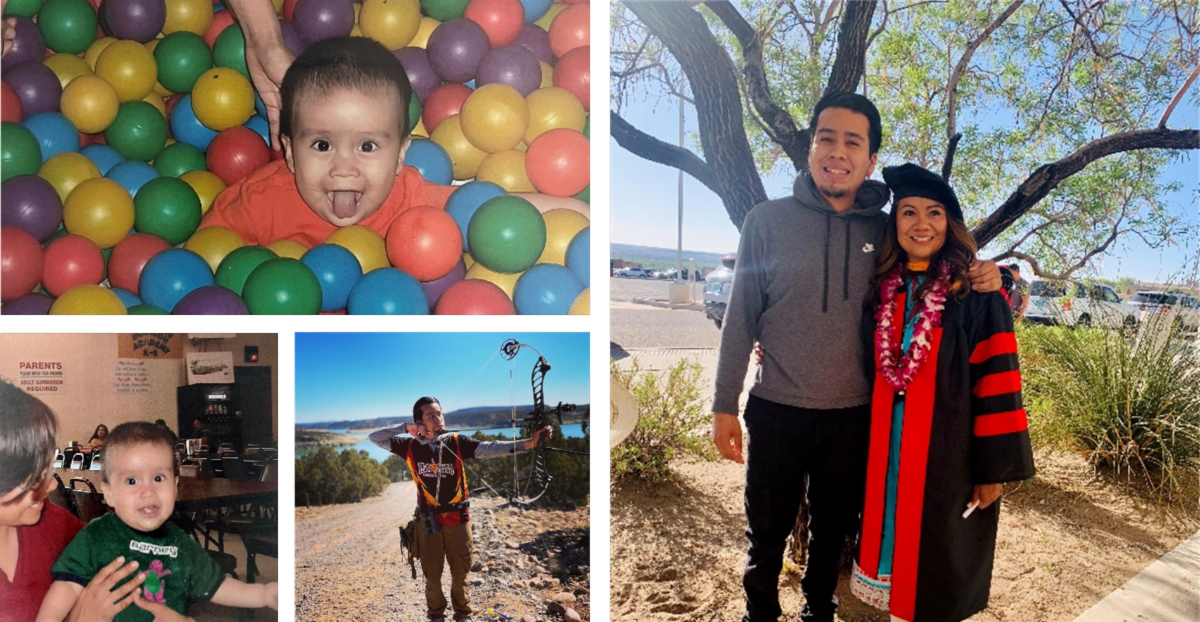
Hi everyone! My name is Kristyn Yepa, and I am a TEI Tribal Home Visiting Liaison. I am honored to share my journey of tribal home visiting, which I didn't realize has come full circle until recently. I had my son when I was 18 years old. I got pregnant the summer I graduated from high school, so I had to grow up fast! I learned that my son would have special needs when I was 4 months pregnant, at my first prenatal appointment. I learned very quickly the importance of early prenatal care. It was a very difficult time in my life with minimal emotional support and education about what my son would need after he was born.
When my son was born, he was rushed into surgery, and he spent a few weeks in the NICU before we brought him home. I was a student and a mother. I had to learn to juggle all his medical appointments and needs while attending nursing school. I'm not sure how I learned or first received services from Native American Professional Parent Resources., Inc., but I know it was a service that helped me tremendously.
I will not forget our case manager, Shelley. Shelley was our home visitor and she made me feel so supported. NAPPR provided group activities that were the most memorable times I had with my son and other families from Jemez Pueblo. I remember going to the zoo, making pizza, botanical gardens, swimming, and going to parks. Shelley also made referrals to specialty services like physical therapy, nutrition, occupational therapy, and making sure my son got his vaccines. I also remember her asking me so many questions and now that I look back, I'm pretty sure she was doing the screenings. She even came with me to spina bifida clinics that would last all day so I wasn't alone. She helped me to advocate for my son's needs to doctors when I felt scared or intimidated. I can't thank Shelley enough for all that she did for us. She really helped me to feel confident as a young mother.
Now, my son just turned 21 years old. He is a healthy young man who enjoys archery and attends community college. He still remembers Shelley! We look back on those pictures of the field trips we made with NAPPR and can't help but smile and laugh. NAPPR is still a strong tribal home visiting program in New Mexico and a tribal MIECHV grantee. I am also now a TEI liaison helping grantees like NAPPR build their capacity. I am so fortunate to be in this position to help tribal home visiting programs and give back, just like NAPPR helped me 20 years ago.
Kristyn Yepa, TEI Liaison
|
|
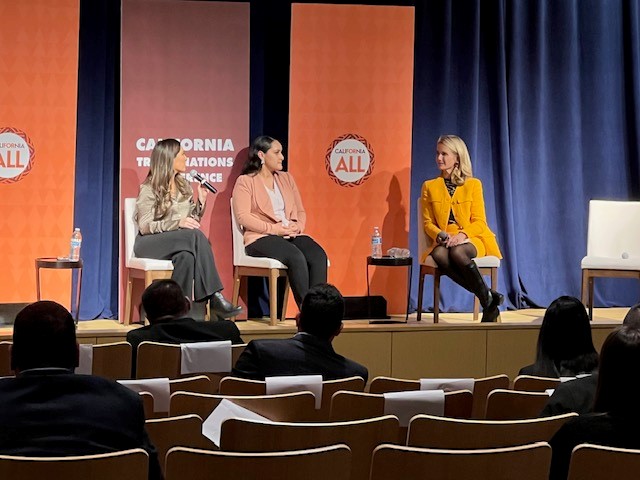
Season Goodpasture, Founder, Executive Director of Acorns to Oak Trees, Participates in the California Tribal Nations Summit |
Season attended the California Tribal Nations Summit as an invited guest to speak during a panel presentation with First Partner, Jennifer Siebel Newsom (partner of California Governor Newsom). Season spoke about her inspirational inaugural project with her daughter. She was inspirational and provided amazing advocacy for Tribal Home Visiting.
|
|
Pictures and stories wanted!
Share what's happening in your community!
|
|
|
|
Please send us stories about events, photos, or short descriptions of what has been happening in your community!
Happenings can include powwows, cultural classes, traditional outdoor activities, family gatherings, and anything else you would like to share with your colleagues.
|
|
|
|
Send pictures (and waiver requests) to Petra Smith at psmith@zerotothree.org |
|
We appreciate your interest in Tribal Home Visiting and look forward to sharing more news with you on a quarterly basis.
With Gratitude,
The Tribal Home Visiting Team at ACF, TEI, and PATH
|
|
Copyright © 2023. ZERO TO THREE. All Rights Reserved. |
|
|
|
|
|
|