In the February 2026 edition of the Cross Timbers Consulting Tribal Transportation News, you will find current information and updates affecting the Tribal transportation industry. If you have an event or information that you would like to see included in a future edition of the CTC Newsletter, please email: info@crosstimbersconsulting.com. | |  | |
IN THIS ISSUE:
+ 2026 Tribal Transportation Training: Registration, Draft Agenda, & Hotel Information
+ ITA Annual Meeting Recap
+ OTA Announcement
+ Tribal Transportation News Feedback Survey
+ Current Funding Opportunities
+ Federal Funding Opportunity Resources
+ Federal Resource Guide
+ Save the Dates
+ CTC Staff Contact Information
| | |
The 2026 Tribal Transportation Training (TTT) is designed to equip Tribal leaders, planners, and transportation professionals with the knowledge necessary to strengthen transportation infrastructure and to effectively manage, develop, and improve Tribal transportation programs. The 2026 TTT will also foster collaboration and information exchange by providing valuable networking opportunities among Tribal and federal participants.
Participation in this year's training is offered at no cost to tribal personnel, ensuring equitable access to critical professional development resources. Non-tribal participation may be accommodated on a space-available basis only.
The 2026 TTT is hosted and coordinated by the Citizen Potawatomi Nation, Pawnee Nation, Cherokee Nation, Absentee Shawnee Tribe, and Cross Timbers Consulting. Early registration is strongly encouraged to ensure accurate planning for meals and training materials. Participation is limited to 100 attendees.
| | |
ITA Annual Meeting
2026
The most recent Intertribal Transportation Association (ITA) Annual Meeting was held January 27–29, 2026, at the Okana Resort in Oklahoma City, OK, bringing together tribal transportation leaders, federal partners, and regional representatives for three days of updates, elections, and collaborative planning. The sessions covered a wide range of topics—including FHWA tribal programs, BIA updates, safety initiatives, funding opportunities, regional caucus elections, and policy discussions—along with networking events, and member reports, all aimed at strengthening tribal transportation coordination and advancing tribal infrastructure priorities.
| | | |
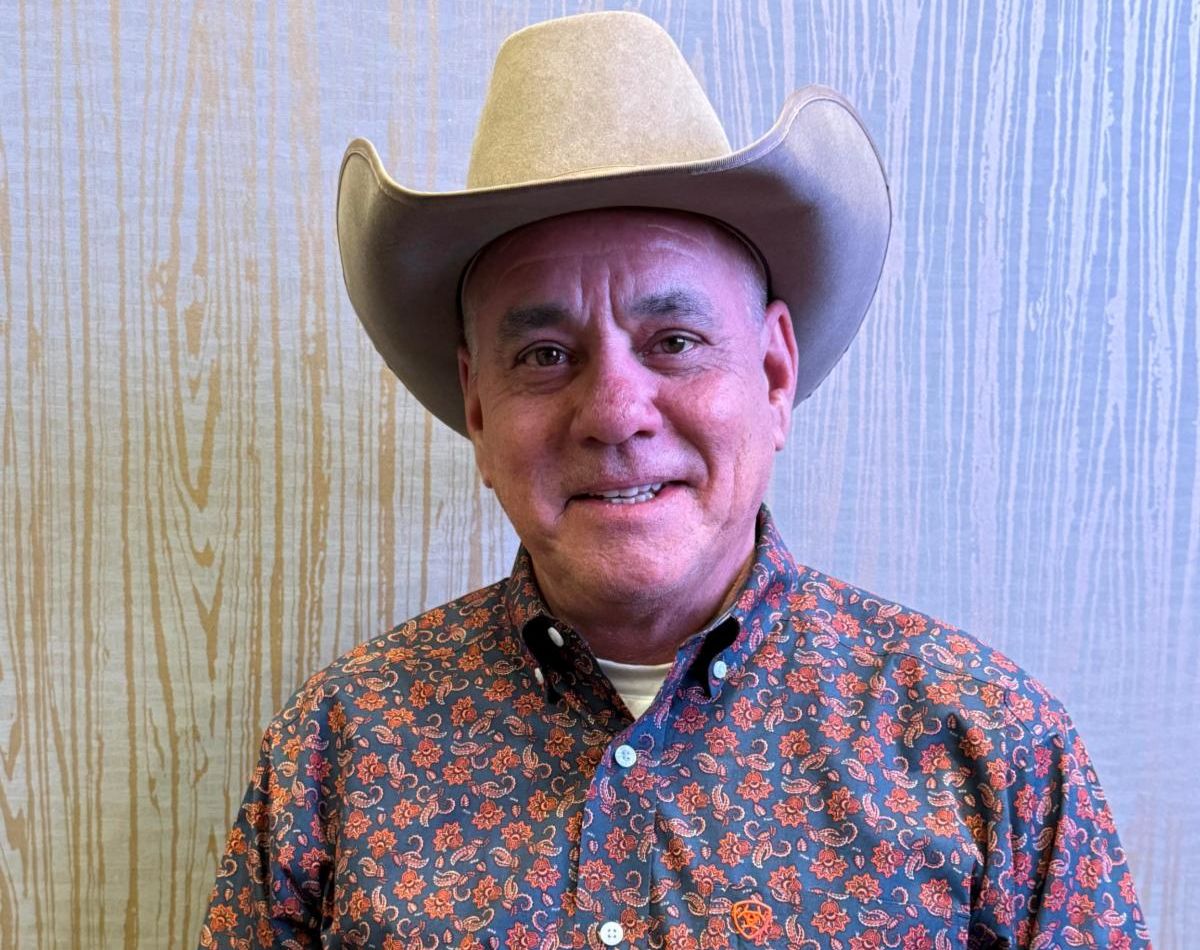
Andy Quetone
ITA President
President Quetone was elected during the 2025 ITA Annual Meeting.
Andy is the Director of the Cherokee Nation Department of Transportation, where he oversees the planning, design, and construction of tribal roads and bridges and manages an annual transportation budget exceeding $60 million.
His career reflects a long-standing commitment to public service, infrastructure excellence, and the sustainable growth of the Cherokee Nation.
| | |
New OTA President
Congratulations to Amy Hill of Muscogee Nation. She is the new president of the Oklahoma Transit Association. She is the first Native American woman to hold this position.
Amy is an enrolled citizen of the Muscogee (Creek) Nation of Oklahoma. She is of Muscogee (Creek), Cherokee, and Yuchi descent. She holds a Bachelor’s degree in Business with a minor in Management and has been with the Muscogee (Creek) Nation since 2014 and currently serves as the Director of Transit Services. Since joining the staff of the Muscogee (Creek) Nation Transit Authority her primary focus has been on administration of the Transit Program, Grant Management and Reporting, Transit Safety and Compliance, and administration of the Drug and Alcohol Testing Program. Amy currently serves as the President for the Oklahoma Transit Association Board of Directors, and as the current Secretary of the Oklahoma Tribal Transportation Council, as well a member of the Southern Plains TTAP Steering Committee, and has served as a Tribal Transit Toolkit Page Reviewing Committee member for National RTAP.
| | We need your input to help us improve the Tribal Transportation News. Please take a few minutes to share your thoughts on its effectiveness, content, and overall value. Your feedback will help us ensure the newsletter continues to inform, engage, and support your work. | | |
2026 Better Utilizing Investments to Leverage Development (BUILD)
BUILD grants will be awarded on a competitive basis for planning or constructing surface transportation infrastructure projects that will improve safety; environmental sustainability; quality of life; mobility and community connectivity; economic competitiveness and opportunity including tourism; state of good repair; partnership and collaboration; and innovation.
KEY DETAILS
-
Deadline: February 24, 2026, 5 PM ET
-
Available Funding: At least $1.5 billion in FY 2026 IIJA funds
- Maximum Award Size: $25 million
AGENCY CONTACT INFORMATION
| | |
TTP Bridge Program
DEADLINE: Any time during the year, federally recognized Indian Tribes may submit an application for eligible TTP bridges for planning, design, engineering, preconstruction, construction, and inspection of new or replacement bridges; replace, rehabilitate, seismically retrofit, paint, apply calcium magnesium acetate, sodium acetate/formate, or other environmentally acceptable, minimally corrosive anti-icing and deicing composition; or implement any countermeasure for TTP bridges classified as in poor condition, having a low load capacity, or needing highway geometric improvements, including multiple-pipe culverts.
DESCRIPTION: The TTP Bridge Program is focused on improving the number of TTP bridges in poor condition.
QUESTIONS: Contact Chris W. Riley, PE., Acting TTP Bridge Program Manager at chris.w.riley@dot.gov
| | |
Tribal High Priority Projects (HPP) Program
DEADLINE: Any time during the year, a Tribe can submit an application package for Tribal HPP Program funding. On January 31, the applications received will be reviewed for eligibility, evaluated, and ranked for funding. Applications submitted after January 31 will be collected for the next fiscal year funding cycle.
DESCRIPTION: This program is a nationwide priority program for: (1) An Indian Tribe or governmental subdivision of an Indian Tribe whose annual allocation of funding under the Tribal Transportation Program is insufficient to complete the highest priority project of the Indian Tribe or governmental subdivision of an Indian Tribe; or (2) Any Indian Tribe that has an emergency or disaster with respect to a transportation facility.
| | | | |