Then an angel of the Lord said to Philip, “Get up and go toward the south … “ (Acts 8:26)
It’s not every day that the New York Times publishes an obituary for a Trinity alumnus!
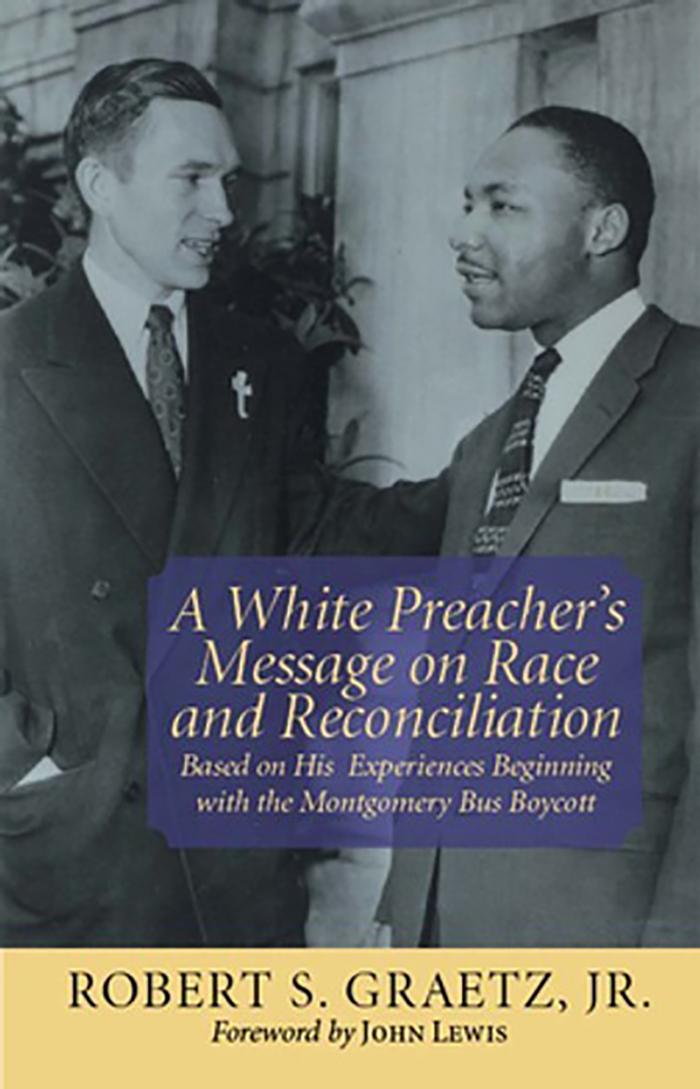
This summer we mourned the death of civil rights leader John Lewis. Now we mourn the loss of another civil rights leader, Pastor Robert S. Graetz, a graduate of Capital University and of the Evangelical Lutheran Theological Seminary (one of the predecessors of Trinity), who is recognized as the only white minister who publicly supported the Montgomery, Alabama, bus boycott in 1955-1956. In additional to vocal support for the boycott, Graetz organized rides for Black residents of Montgomery who relied on public transportation. For his efforts, Pastor Graetz was arrested, he and his family received death threats, and the Graetz home was bombed at least twice; yet he and his wife Jeannie remained stalwart in their support of the civil rights movement.
Acts 8:26, which begins the story of the evangelist Philip’s encounter with an Ethiopian believer, became an important scriptural text for Pastor Graetz. For many white Lutheran pastors of Black congregations during the 1950s and 1960s, it was the day to day responsibilities of ministry in Black communities that awakened activism and a commitment to social justice. Like Philip, Graetz responded to God’s call to “get up and go toward the south.” What he experienced in the South transformed him. In his own words,
“Arriving here, I realized I had no idea what it would be like to be Black and live life in daily repression. I had no idea what it would be like to be told day after day and year after year that you are a nobody, that you have no value.”
“I cannot minister to souls alone. My people also have bodies.”
One might say that Pastor Graetz knew, deep in his bones, that “Black Lives Matter” long before that became the name of a movement.
Later, the Graetzes returned to Columbus, where Pastor Graetz served St. Philip’s Lutheran Church from 1958-1967. At one point in his long pastoral service, Graetz worked in Washington D.C. as a lobbyist for marginalized individuals and groups. The Graetzes retired to Montgomery, the community that had such a formative influence on them, in 2007.
Sixty-five years after the beginning of the Montgomery bus boycott, laws have changed, but personal and structural racism continue to inflict deadly wounds on Black and Brown people and communities – and upon the fabric of our whole society. Pastor Robert S. Graetz now rests in peace. May his example inspire the rest of us not to rest but rather to stand up, step forward, and act for justice.
The Rev. Kathryn A. Kleinhans, Ph.D.
Dean