|
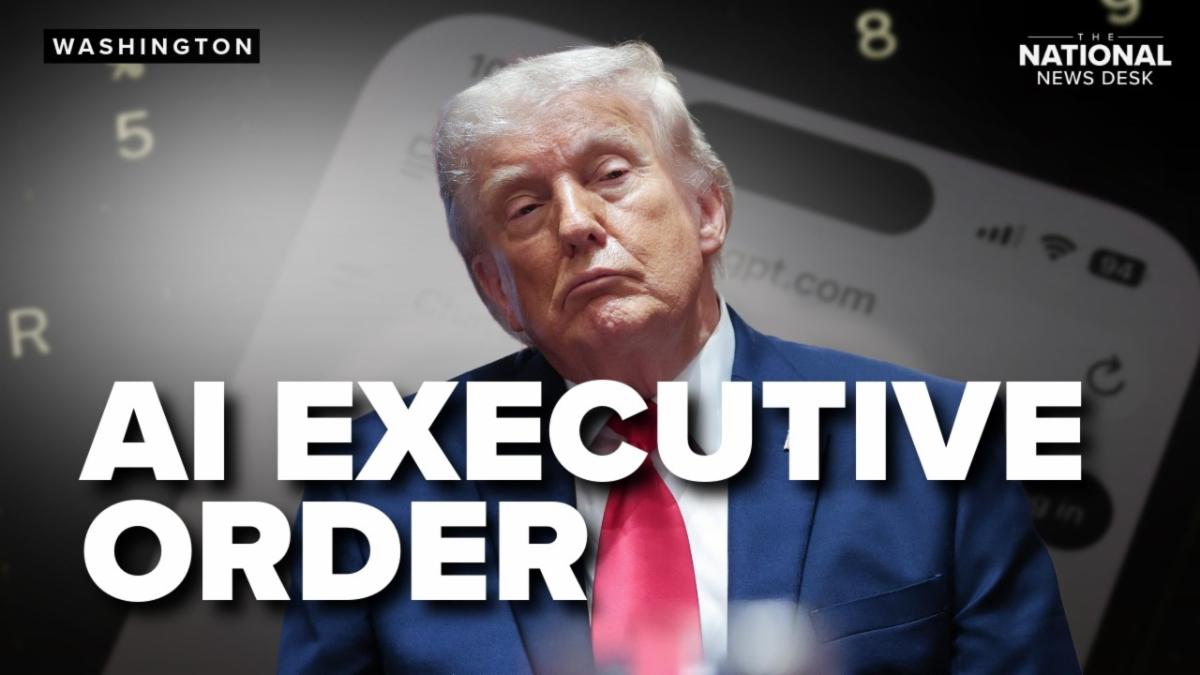
The order aims to increase the federal government’s oversight of the technology, asking national-security and cyber officials to work with agency heads and top tech companies to address software vulnerabilities - specifically identifying Anthropic’s Mythos.
But the executive order is a slimmed-down version of the one Trump shelved on May 21st, due to the tsunami of calls from Big Tech execs saying it went too far. That version included the cybersecurity component but would have asked companies to let the government review models for a longer period, up to 90 days.
Trump said at the time that he didn’t want to impede AI’s economic benefits or set the nation back in the tech race with China. It followed a last-minute intervention by venture capitalist and AI adviser David Sacks, who argued that the voluntary model testing could lead to mandatory regulation in the future.
So they shortened the window for model review. And Secretary of the Treasury Bessent was intimately involved because he has helped lead the administration’s response to Mythos, warning that new AI models could wreak havoc on the financial system. He has urged banks to integrate the models into their cybersecurity work.
The executive order is the administration’s latest shift on AI policy, highlighting how Trump is struggling to balance competing factions within the White House: one side seeking more oversight of models, and the other seeking to tear down all barriers to AI deployment. The technology’s implications for the economy and national security also challenged the Biden administration and have divided Congress, which hasn’t passed AI legislation.
National-security and cybersecurity officials, including National Cyber Director Sean Cairncross, have pushed for some AI restrictions to address the technology’s potential harms, which have spurred growing backlash around the country.
The order “keeps America leading in AI while putting these frontier capabilities to work strengthening our cyber defenses,” said Michael Kratsios, director of the White House Office of Science and Technology Policy, which helped lead work on the order.
Sacks said the order “is a game changer because it allows our AI labs to comply with the voluntary framework without delaying new model releases.”
Many AI companies have said they support the approach the White House has taken and had sent executives to Washington for a signing ceremony two weeks ago when Trump pulled the plug. Microsoft President and Vice Chair Brad Smith said Tuesday that the company welcomed the effort.
But critics say the order falls well short of the mandatory regulations needed to truly police dangerous AI systems and gives the administration flexibility not to enforce the provisions in a strict way. It mirrors the Trump administration’s broader pattern of creating a wild west environment for AI development.
Yes, the administration had come under pressure to regulate AI following the release of powerful models like Mythos and worries about bad actors using AI to create, for instance, biological weapons (well proven, by the way).
But $$$ talks and fears of China's advances in AI meant the administration backed down.
Also . . . SURPRISE!! . . . Anthropic announced yesterday that the administration "is letting us expand access to Mythos". The White House had previously opposed such a move because of security concerns.
Anthropic said it is expanding Mythos access to roughly 150 companies and organizations around the world, up from about 50 that got initial access in April, so that they can use the model to identify software bugs and patch vulnerabilities.
Those with access now include organizations in more than 15 countries and a range of industries that didn’t previously have access such as healthcare, power and water, the company said. The initial group included tech giants like Amazon.com, Microsoft, Apple and Alphabet-owned Google.
As we noted in previous posts, Mythos had actually slipped its shackles and was already loose in the wild.
|