Tuesday Tips
October 1, 2019
Himes Service Company delivers up-to-date and relevant tips to help you keep your facility safe and profitable. Check out this week's tip!
|
|
|
PPE
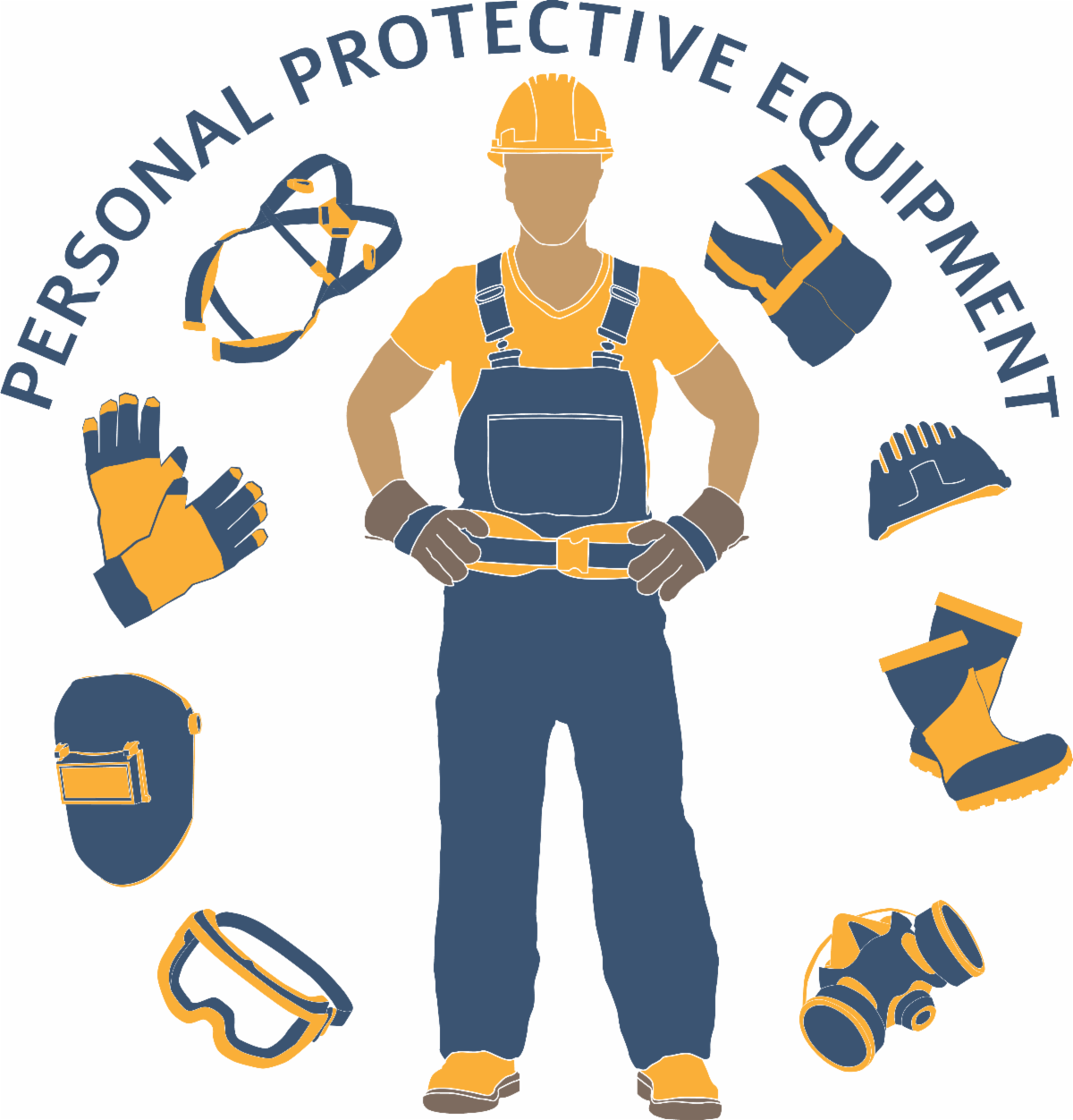
PPE (Personal Protective Equipment) is your last line of defense… a final protective barrier against hazards. It kicks in when other hazard avoidance mechanisms fail, and it can protect you from injury and save lives! Some of the PPE recommended in our industry include:
|
|
|
|
Head Protection
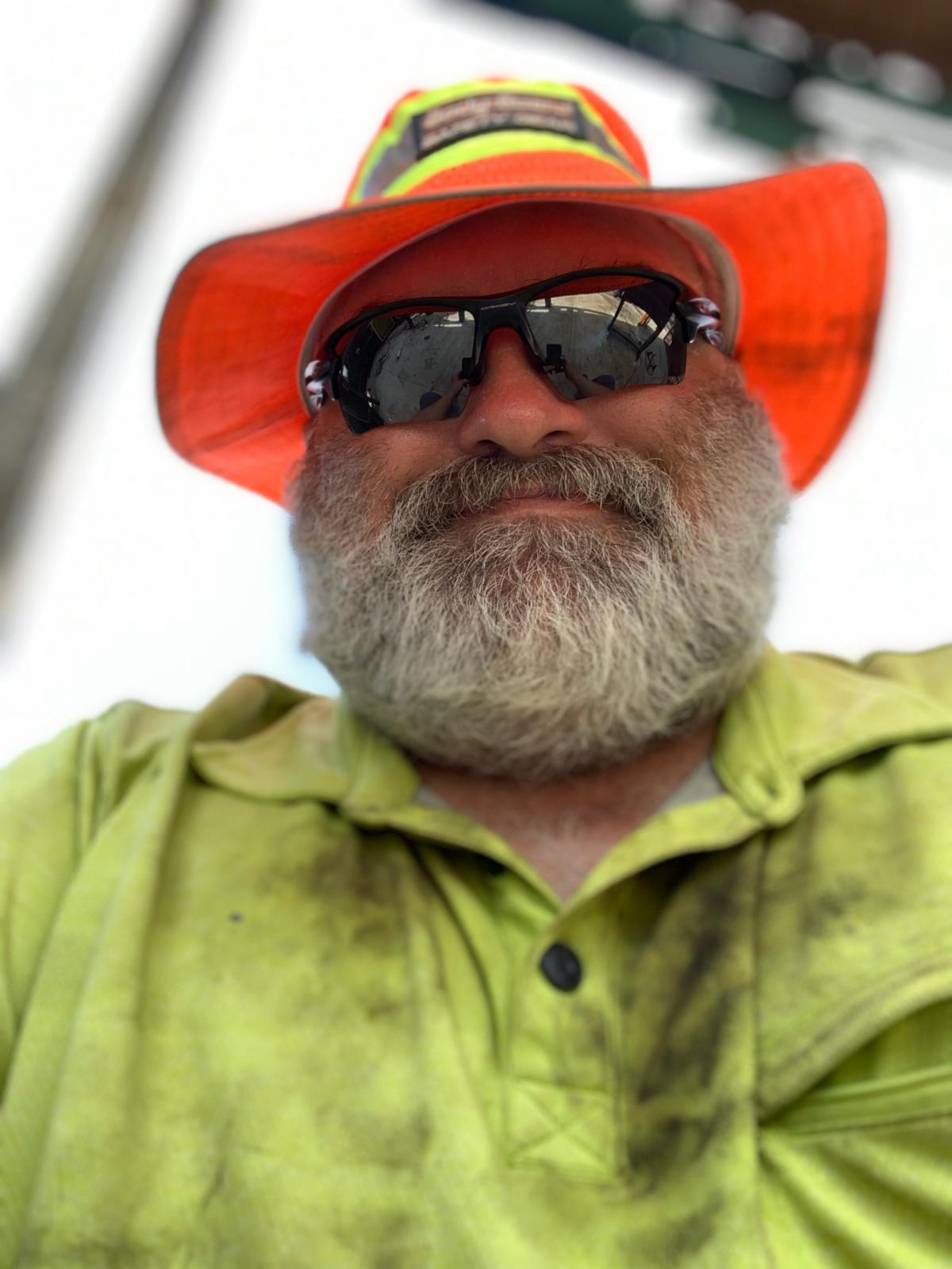
Wear an appropriate class hard hat when there are potentials of falling objects, hair entanglement, burning, or electrical hazards. Class C hard hats protect the wearer from impact, but do not guard against electrical hazards. Class G hard hats protect the head against impact and low-voltage electrical hazards, while class E also protects against high-voltage electrical hazards.
|
|
|
|
Eye Protection
Wear appropriate eye protection when there are potentials of hazards from flying objects or particles, chemicals, arcing, glare, or dust. Safety glasses provide front and side impact protection. Goggles cover the eyes more completely, protecting against dust, debris, and splashes. Welding hoods and shields cover the eyes and face and shield the face from flying sparks and debris while protecting the eyes from burns caused by the intense light.
|
|
|
|
Ear Protection
Utilize earplugs or earmuffs, if necessary to protect against hearing loss in an environment with high noise exposure (over 85 dBA). Ensure that hearing protection devices fit properly and are used consistently to avoid hearing loss.
|
|
|
|
Respiratory Protection
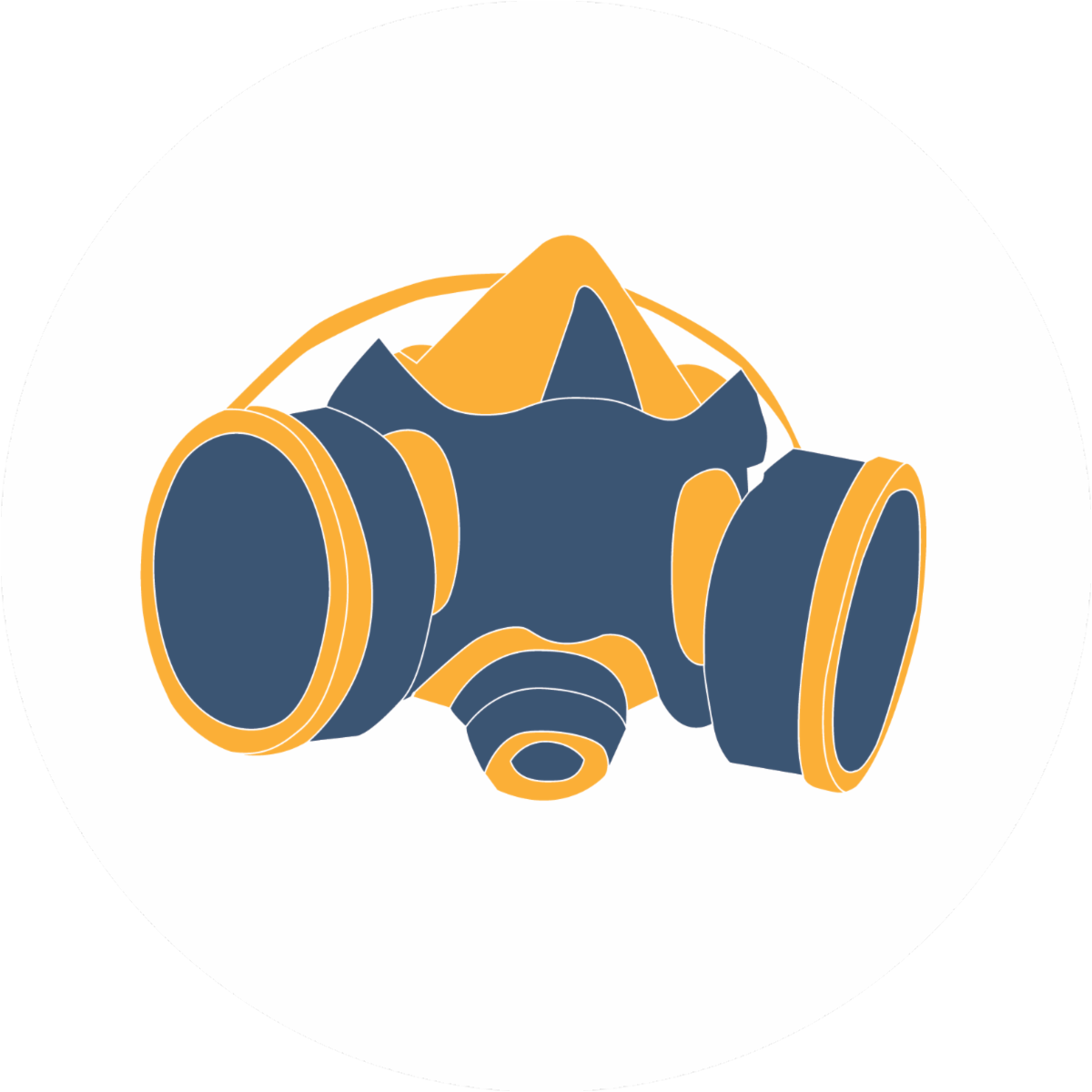
Wear respiratory protection when necessary to protect against inhaled hazards, such as dusts or vapors. Necessary respiratory protection could include dust masks, air-purifying respirators, or air-supplying respirators.
|
|
|
|
Hand Protection
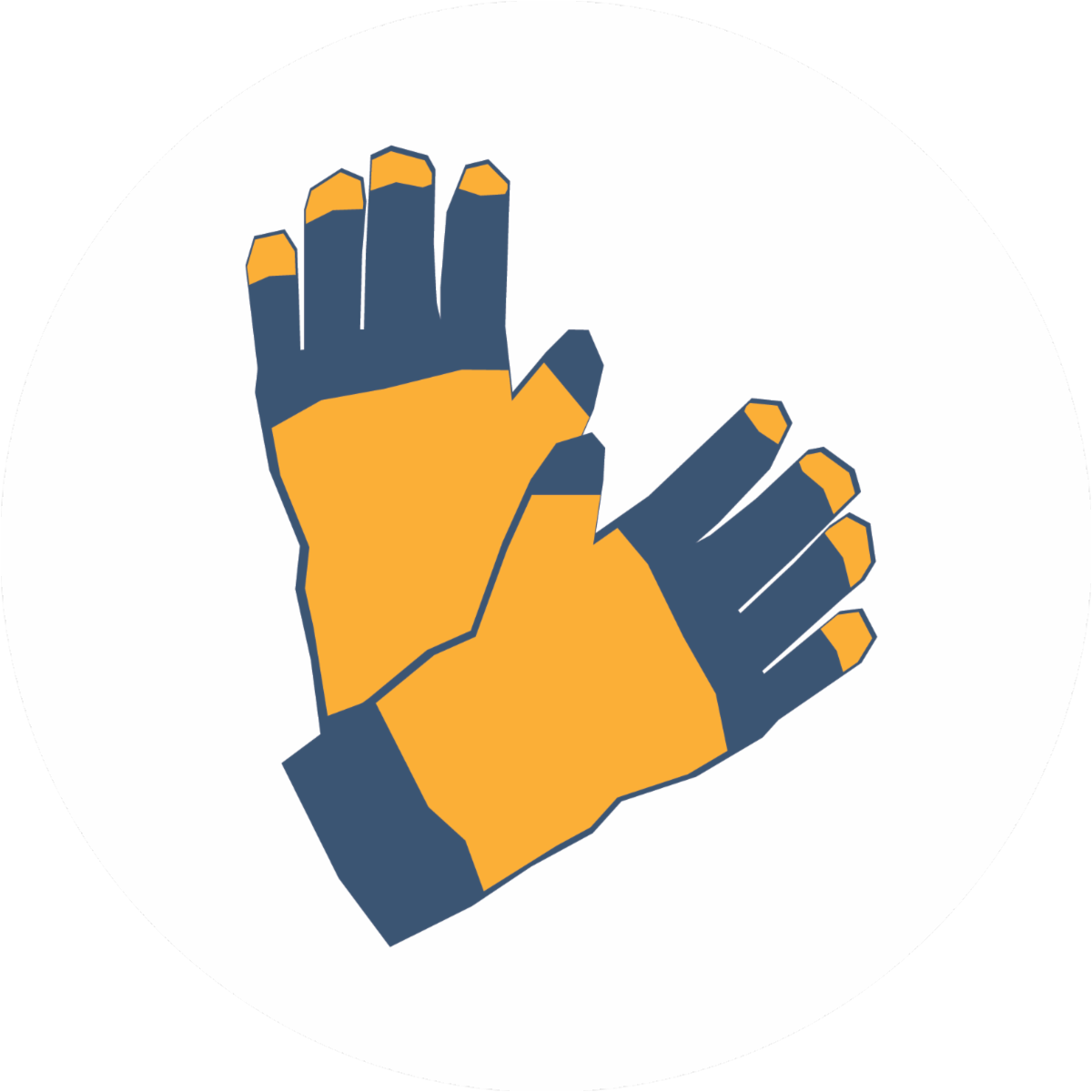
Wear appropriate gloves to protect against cuts and liquid hazards. Cut levels 0 through 5 offer increasing levels of protection against sharp edges. Ensure that gloves fit properly and replace worn or damaged gloves for maximum protection.
|
|
|
|
Protective Clothing
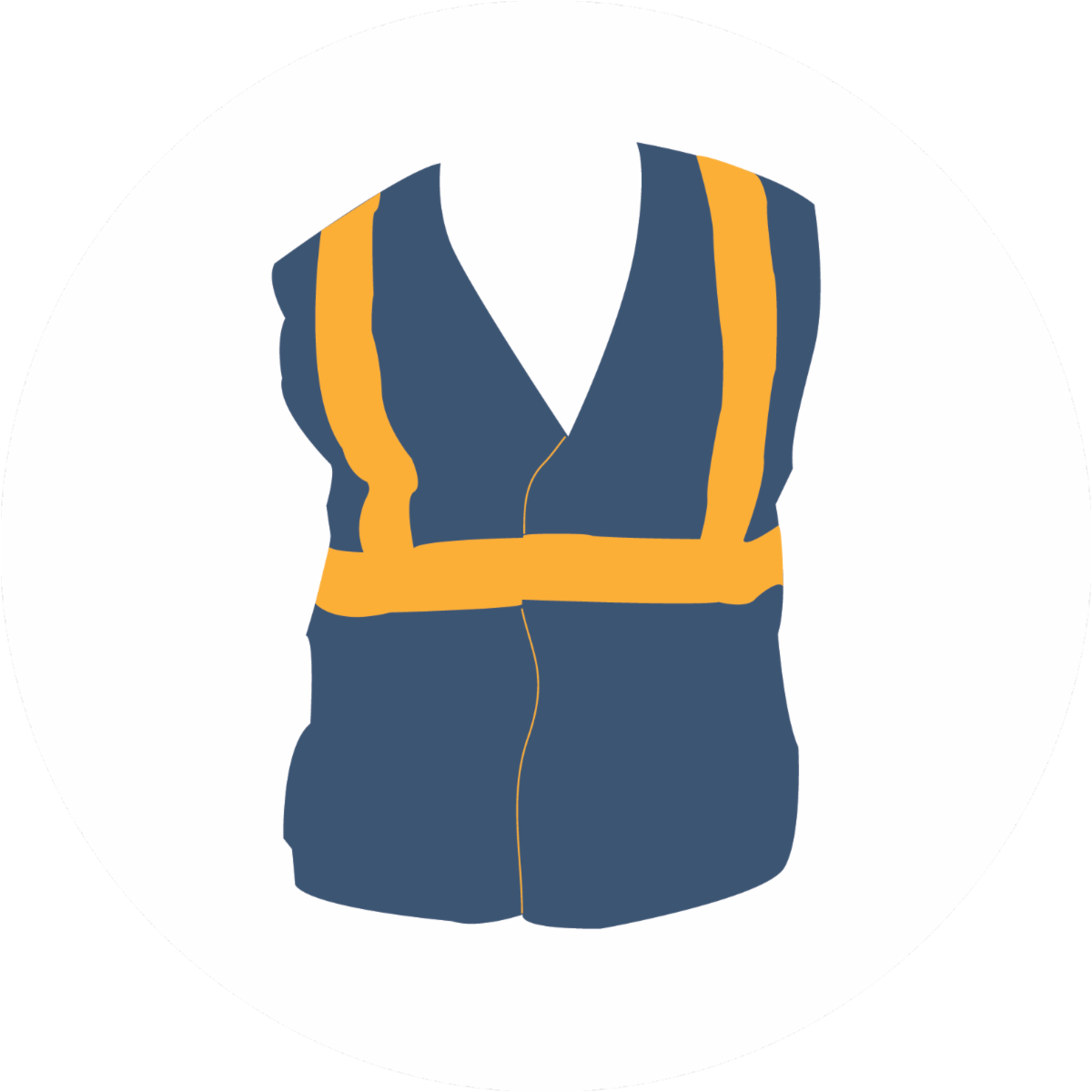
Wear protective clothing to increase visibility, support back muscles, stay warm, or to resist cuts, splashes, or fire. Wear safety vests or jackets to enhance visibility and any necessary neck, torso, and leg protection necessary in your environment.
|
|
|
|
Protective Footwear
Wear appropriate boots to protect from falling objects, chemicals, or stepping on sharp objects. Foot protection options include toe protection, puncture-resistant soles, electric shock protection, and more. Choose the right footwear for your work environment.
|
|
|
|
Fall Protection
Wear harnesses and lanyards and utilize anchor points as necessary to protect against slips and falls.
|
|
Always ensure that PPE fit properly, are in good operating condition, and are worn properly and consistently. Safety is no accident!
|
|
|
|
Roy Says...
Safety
First!
|
|
|
|
|
|
|