ColoradoBearCoalitionLogo-nooutside.png


Colorado Bear Coalition

Newsletter

March 2026


Putting Ideas into Action


In 2025, Colorado Parks and Wildlife received 5,299 reports of bear sightings and conflicts — a 15% increase over the previous six-year average.

78 bears were euthanized. Most of these deaths were linked to preventable attractants.


Colorado Bear Coalition (CBC) exists to reduce lethal management of black bears by addressing the root causes of conflict. We work with communities to remove attractants, strengthen deterrents, and implement practical solutions that keep bears wild and people safe.


Project Highlight


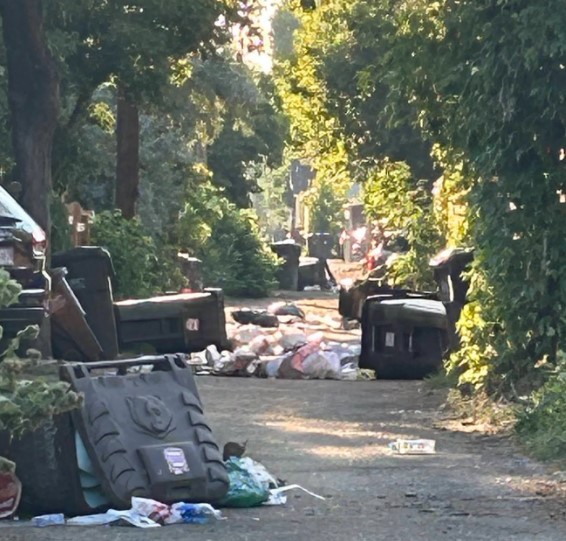
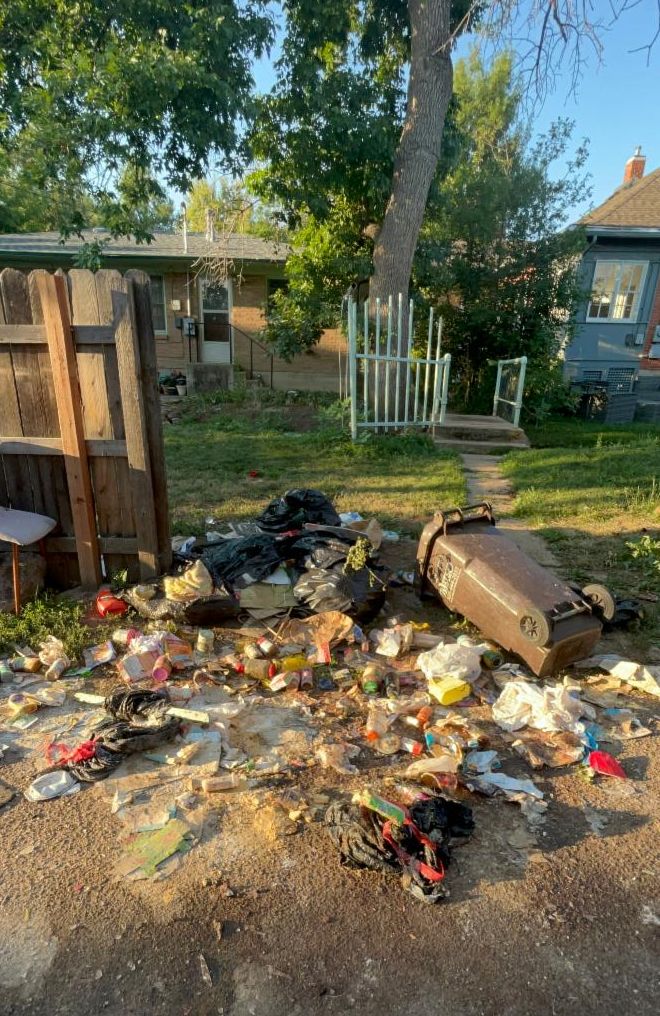
Photos taken on The Hill in Boulder, Fall 2023 — nine years after passage of the trash ordinance.


Securing Trash on the Hill

For years, The Hill — a densely populated student neighborhood in Boulder — has been one of the city’s highest human–bear conflict zones.


Between 2010 and 2014, the Boulder Bear Coalition (BBC) walked alleyways across the city to understand why bears were entering town. The answer was clear: unsecured trash. The Hill was the most concentrated problem area.


In response, BBC led the successful passage of Boulder’s Bear Protection Ordinance in 2014, requiring residents and business across Boulder to secure trash and compost.


Yet nine years later, significant issues remain.


Why the ordinance alone isn’t enough on The Hill, given the unique challenges of a student-dominated neighborhood:


  • High wear and tear: Plastic bear-resistant carts break under heavy multi-user use.
  • Hyperphagia timing: Fall move-in coincides with bears’ peak feeding season.
  • High density: Hundreds of containers per alley create nightly foraging opportunities.
  • Limited enforcement: Staffing constraints reduce ordinance effectiveness.

Trash Enclosures: A Scalable Solution

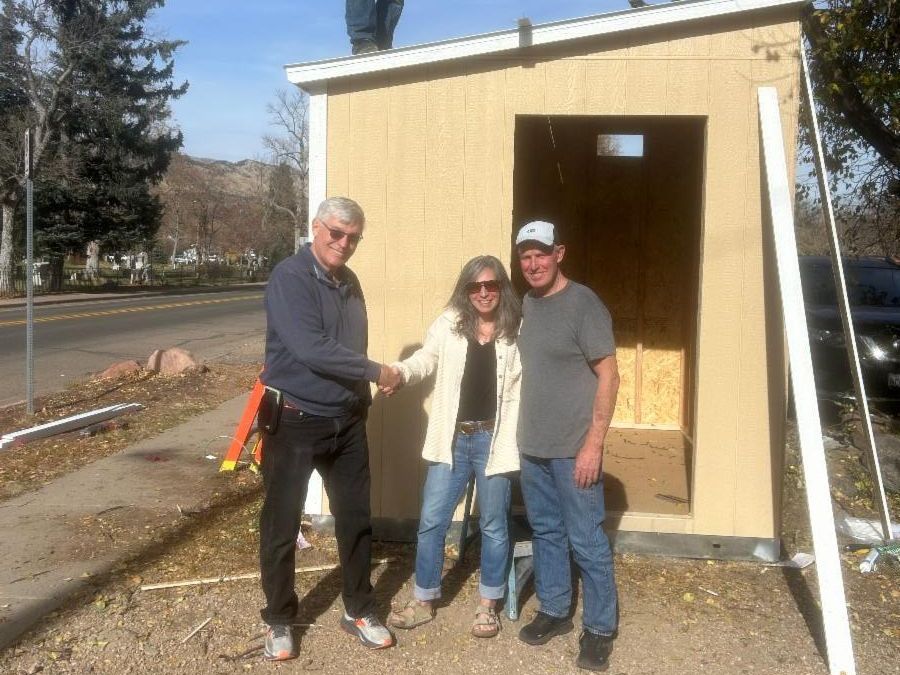
With support from the 2024 CPW Human-Bear Conflict Grant and in partnership with a local property manager, BBC installed three reinforced trash enclosures on The Hill in 2025. Three more installations are scheduled for 2026.

These enclosures:


  • Prevent bear access
  • Reduce repeated property damage
  • Remove reliable food rewards
  • Reduce likelihood of euthanasia


This is what proactive conflict prevention looks like.


Watch this recent CBS report highlighting our project to install trash enclosures on The Hill.


Volunteer Highlight


Carly Brooks

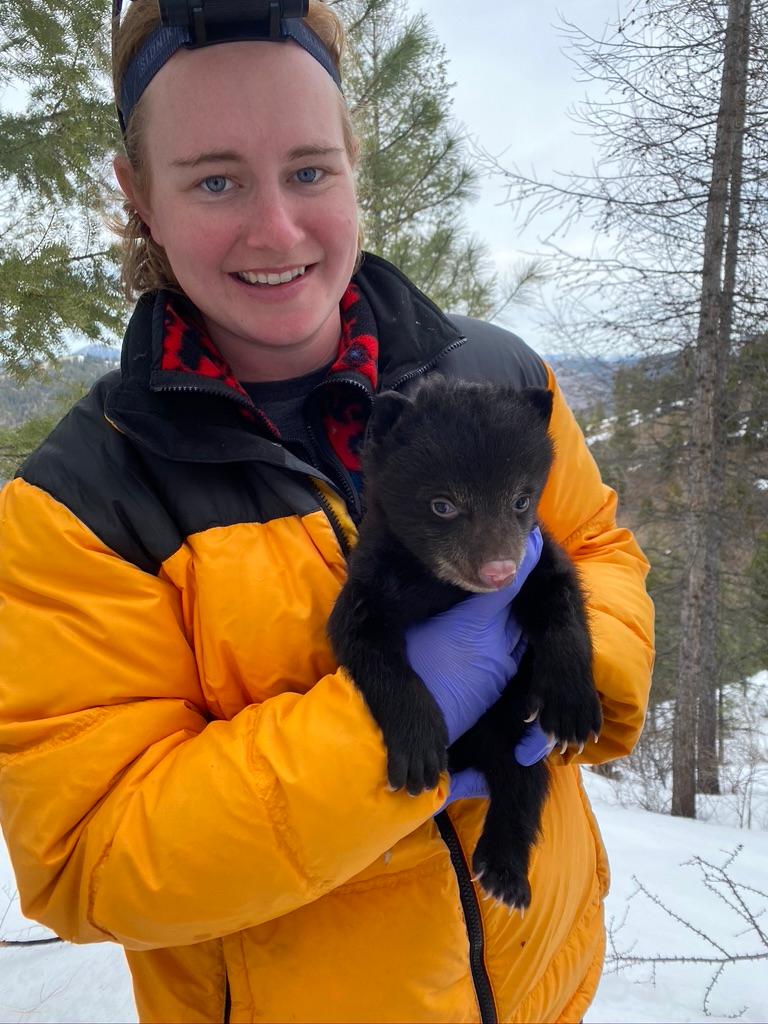
Carly is a wildlife biologist with seven years of experience studying black bears in Montana using trail cameras, genetic sampling, and GPS collars. Her expertise in bear ecology, movement, and human–wildlife conflict brings strong scientific insight to CBC’s work.


Carly is helping CBC analyze Boulder’s data to measure the effectiveness of Boulder's Bear Protection Ordinance and develop a model that other Colorado communities can adopt. Her work strengthens our ability to turn research into practical, scalable solutions that reduce human–bear conflict statewide.


Photo taken during Carly's time working with MPG Ranch, a private conservation-research station, where she aided in checking the den of a GPS-collared bear.


Statewide Update


Colorado Bear Conflict in 2025

According to Colorado Parks and Wildlife:


  • 5,299 total bear reports
    
  • 2,448 incidents resulted in property damage
    
  • 57% linked to trash
    
  • 78 bears euthanized
    
  • 52 bears relocated

The majority of conflicts are preventable.


Common attractants:


  • Trash
    
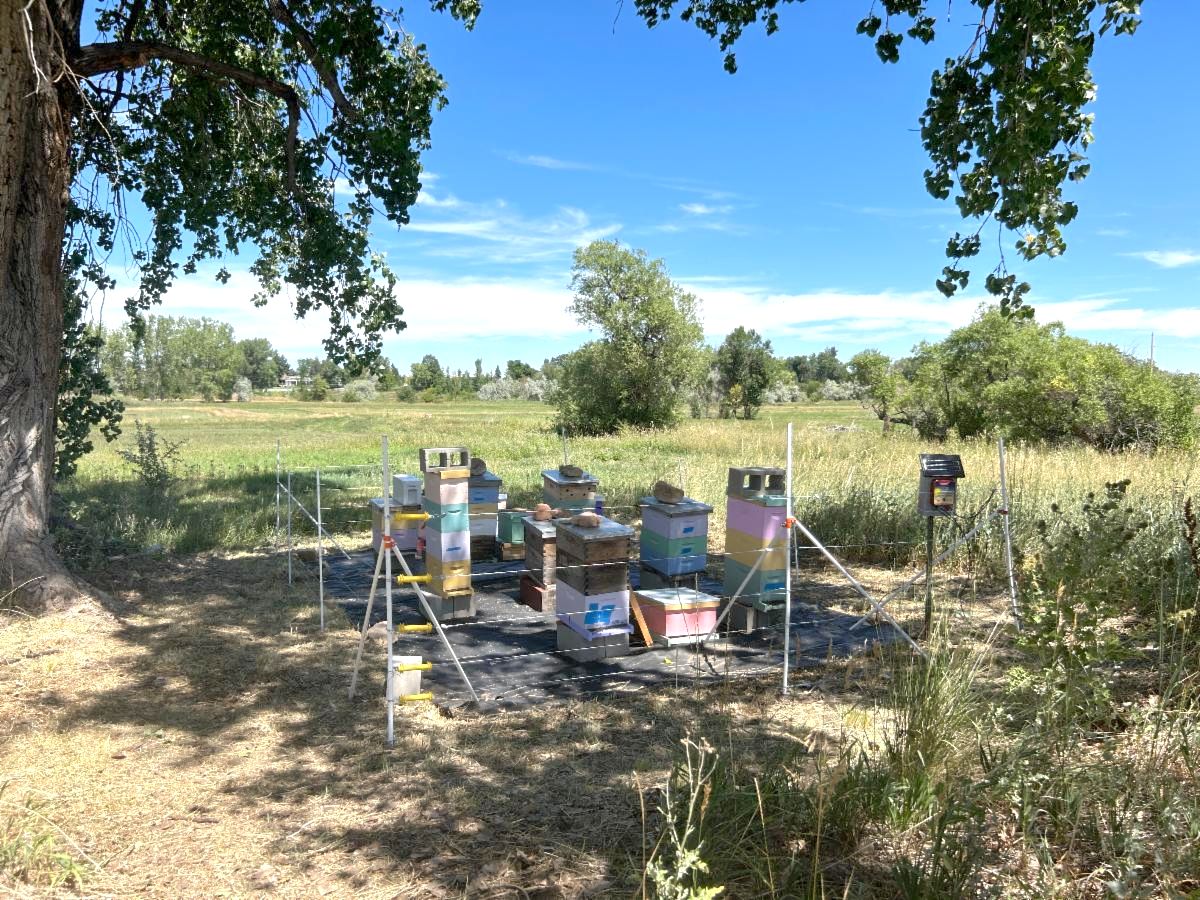
  • Livestock, chickens, and beehives
    
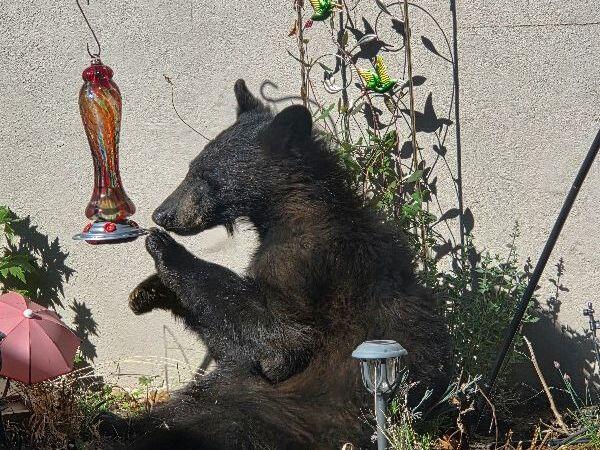
  • Bird feeders and pet food


Annual CPW black bear stats:


2025: 5,299 reports, 52 relocated, 78 euthanized

2024: 5,022 reports, 68 relocated, 98 euthanized

2023: 3,528 reports, 33 relocated, 63 euthanized 
2022: 4,293 reports, 59 relocated, 94 euthanized


[WATCH] Progression map shows reported bear activity across Colorado in 2025


This is not a wildlife overpopulation problem..

This is an attractant management problem.


Statewide Representation


CPW Wildlife & Habitat Roundtable

Steering Committee

CBC Executive Director Brenda Lee was selected to serve on the CPW Wildlife & Habitat Roundtable Steering Committee — strengthening the voice of proactive, non-lethal bear management at the state level.

We are working to ensure prevention remains the priority.


Keeping Chickens & Beehives Safe


Need Electric Fencing?

Electric fencing is one of the most effective tools for preventing bear access to livestock and apiaries.


If you keep chickens or beehives in bear country, fencing is essential — not optional.


Need help with materials or installation?


How You Can Help Keep Bears Wild


  • Secure your trash
    
  • Remove attractants
    
  • Install electric fencing
    
  • Advocate for infrastructure solutions
    
  • Support proactive conflict prevention
    
  • Educate your neighbors
    
  • Donate to our cause
    

Every preventable conflict avoided is one less bear euthanized.


Let’s keep bears wild — and alive.


Help us prevent the next human–bear conflict.


Facebook  Instagram  Web
 

COLORADO BEAR COALITION | 3024 6TH ST | BOULDER, CO 80304 US