A

happy playground

of mixed media art

made to turn the ordinary

into extraordinary

in everyday life.

May 28th, 2026, Issue # 130

Turning Fabric into Being


Inside every handmade art doll lives a thousand invisible decisions.


Howdie!


Happy Thursday!

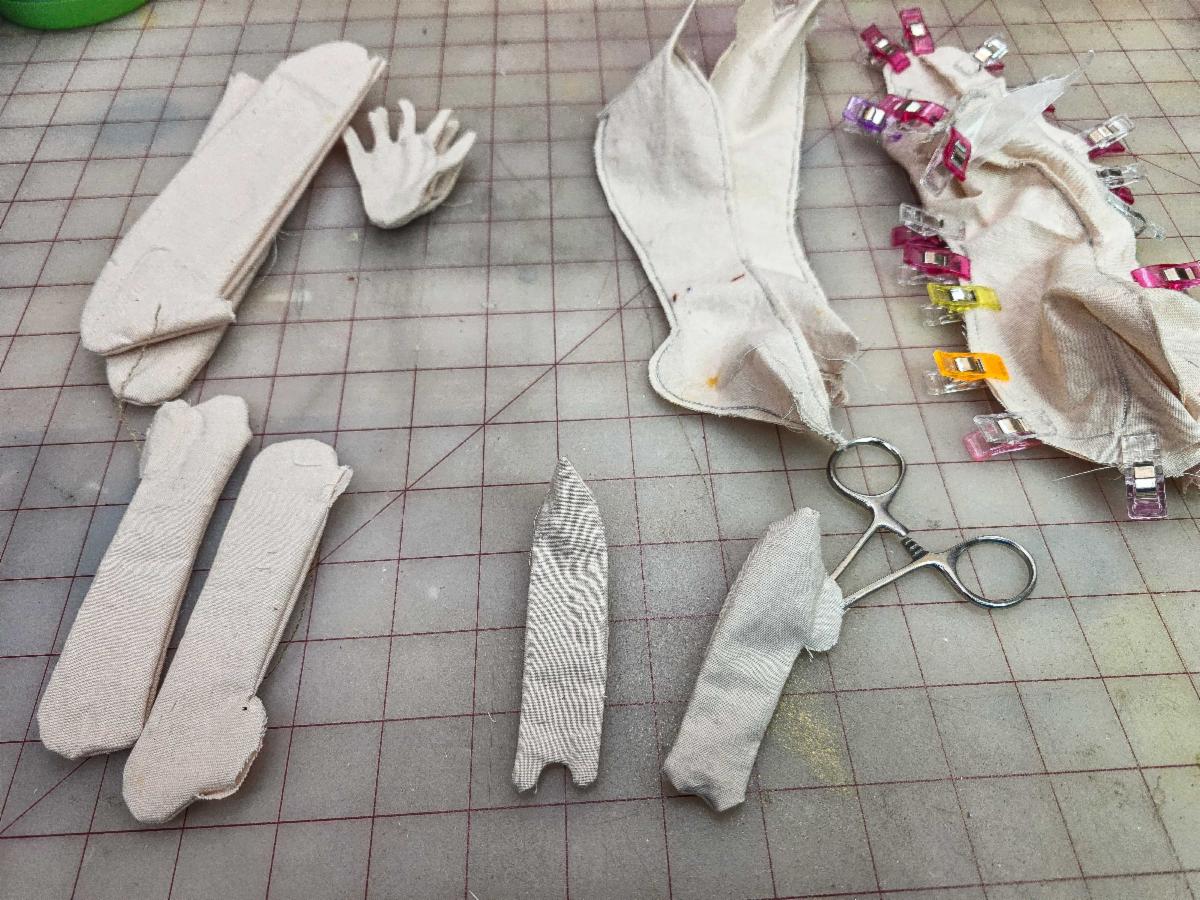
The body parts were sewn and waiting on the worktable—soft fabric shapes ready to become something more.


But before transformation comes inspection. Taking extra time to examine the seams before proceeding is one of those quiet decisions that saves enormous frustration and time later.


A weak seam today becomes tomorrow’s split elbow or collapsed shoulder. This problem appears after the fabric has been shaped, sculpted, and carefully stuffed. By then, repairing a failed seam means disassembling finished work just to reach the problem area.

Following inspection and correction comes one of the least glamorous—and most important—steps. It is one of those invisible details viewers never notice consciously… yet instantly recognizable when its wrong.

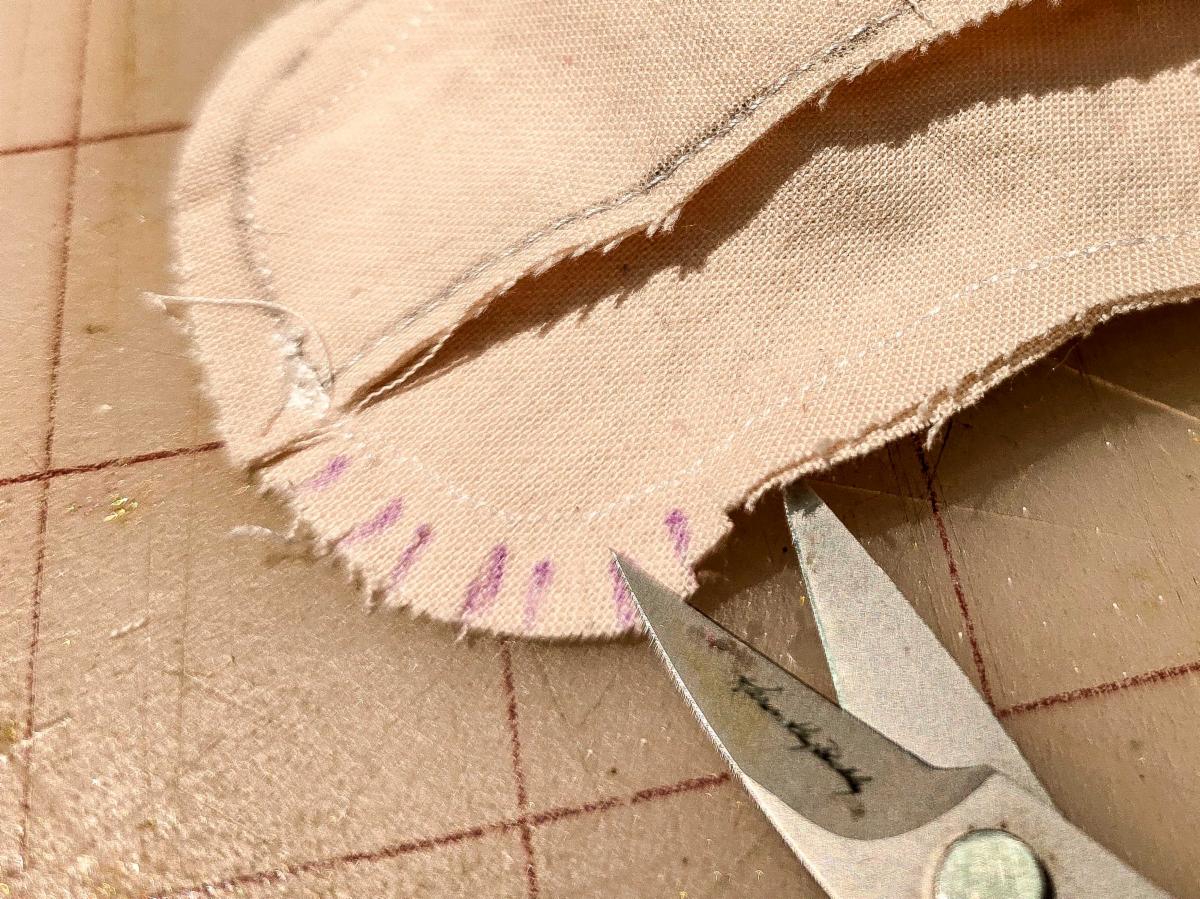
Tiny perpendicular snips are carefully cut into the seam allowance, roughly 3/8 inch apart and several threads away from the stitch line. This is slow, repetitive, precision work. Those small cuts allow curves to relax, soften, and lay beautifully. Without them, the fabric fights back. 


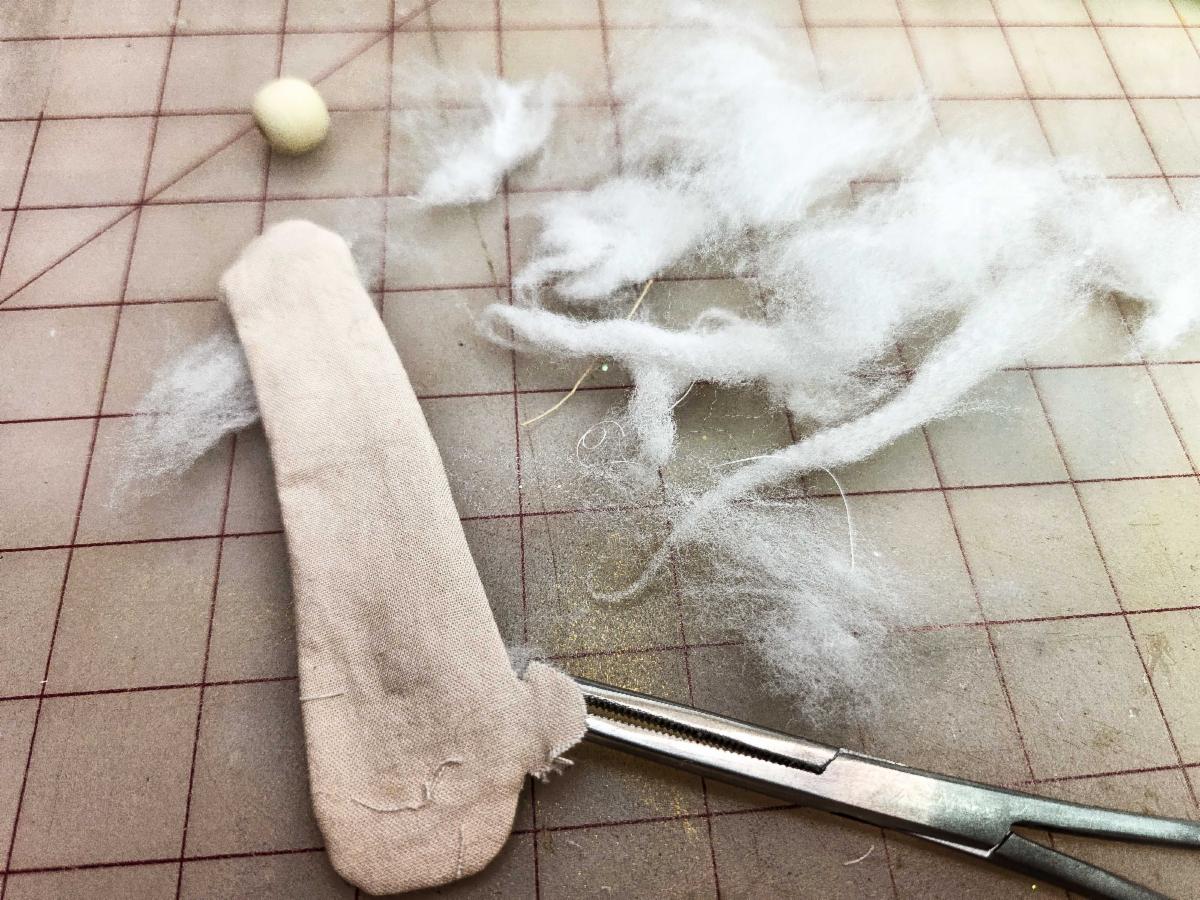
Using calipers and turning tools, the sewn pieces are carefully coaxed inside out. 


Stuffing, is a little magical.


And yes—there is absolutely an art to stuffing. Beginners often push in one giant wad of fiberfill and hope for the best. Experienced doll artists know that the stuffing must be torn into soft cloud-like tufts and added slowly, layer by layer, curve by curve, filling the form until matching limbs match.

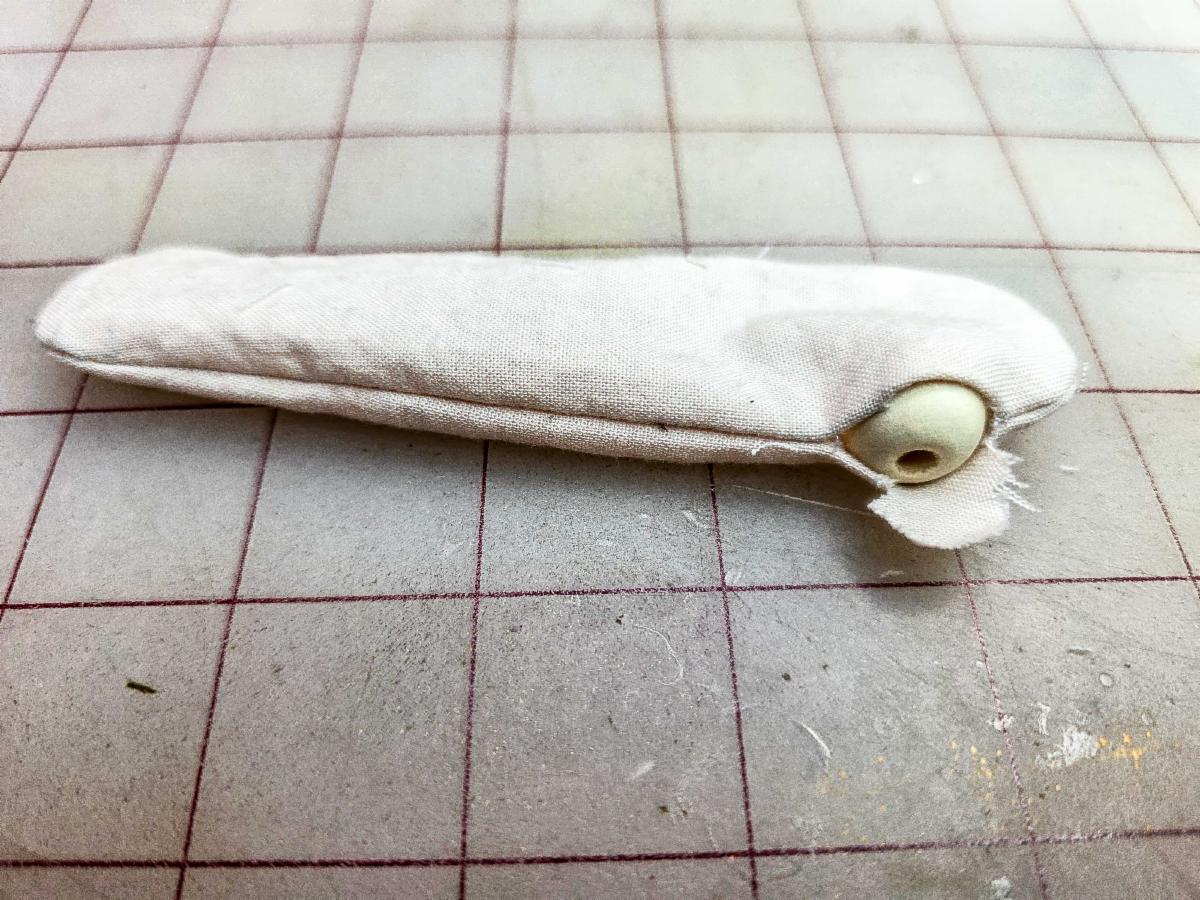
Beads and shank buttons are tucked into the areas where joints occur to help movement feel natural. And then finally, openings must be closed using a very fine needle and thread and tiny stitches made to disappear.

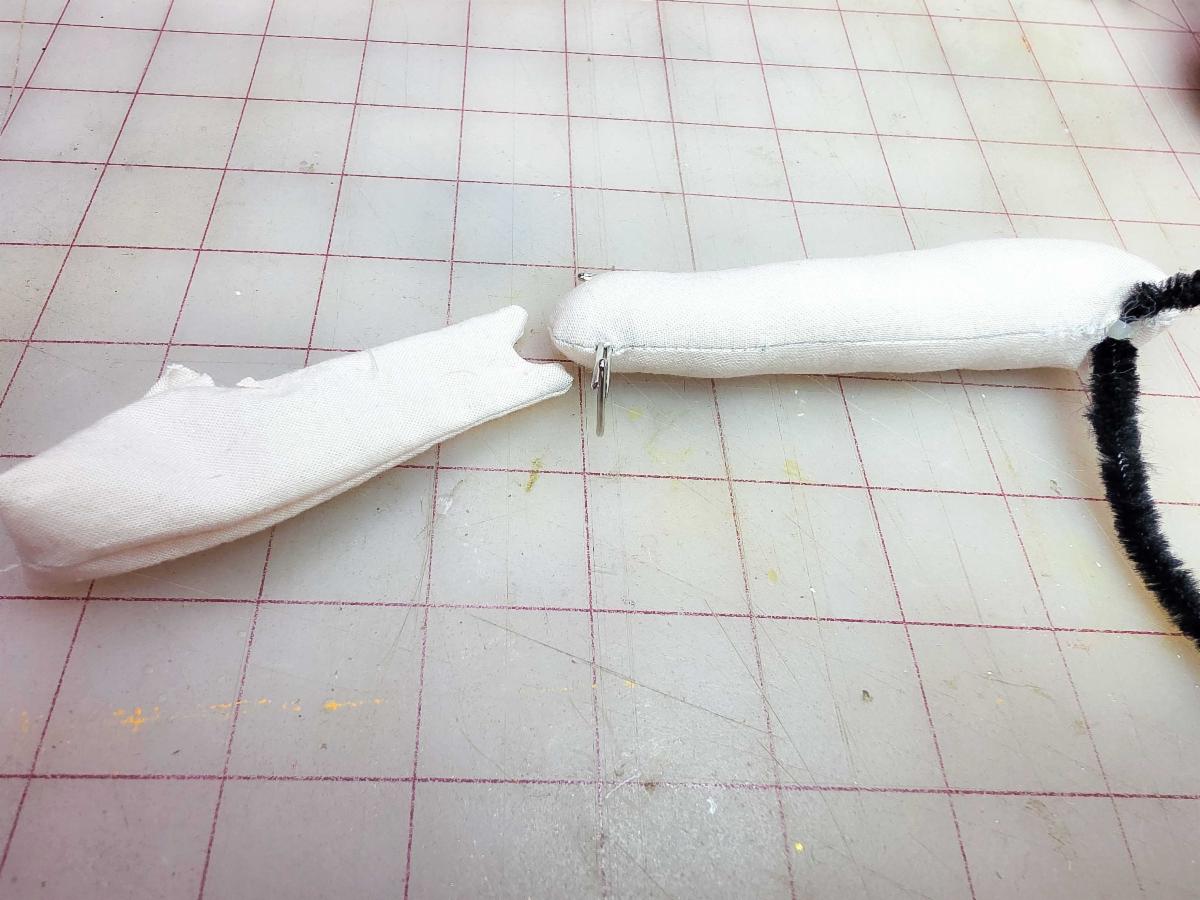
And that is how each piece is created. The upper arm is now ready to be attached to the forearm. Where the bead was inserted, and the pins hold it in place is where the forearm will be connected. The black pipe cleaner is holding the button in place that will be used to attach the forearm to the body.


And that is how an ordinary collection of stitched shapes slowly becomes a character capable of making someone smile, laugh, remember, or wonder.


That transformation—that tiny spark of personality appearing where there was once only cloth—is why I keep returning to the worktable.


What are you up to? What news do you have to share with me this week?

By for now,

Nora


P.S Forward this to someone who needs a reminder that a quiet, creative life is absolutely worth building.


Creative Notes and Sources:


Cleveland Clinic on Creativity and Mental Health

Research published by the American Journal of Public Health,

American Art Therapy Association; Harvard Health Publishing