|
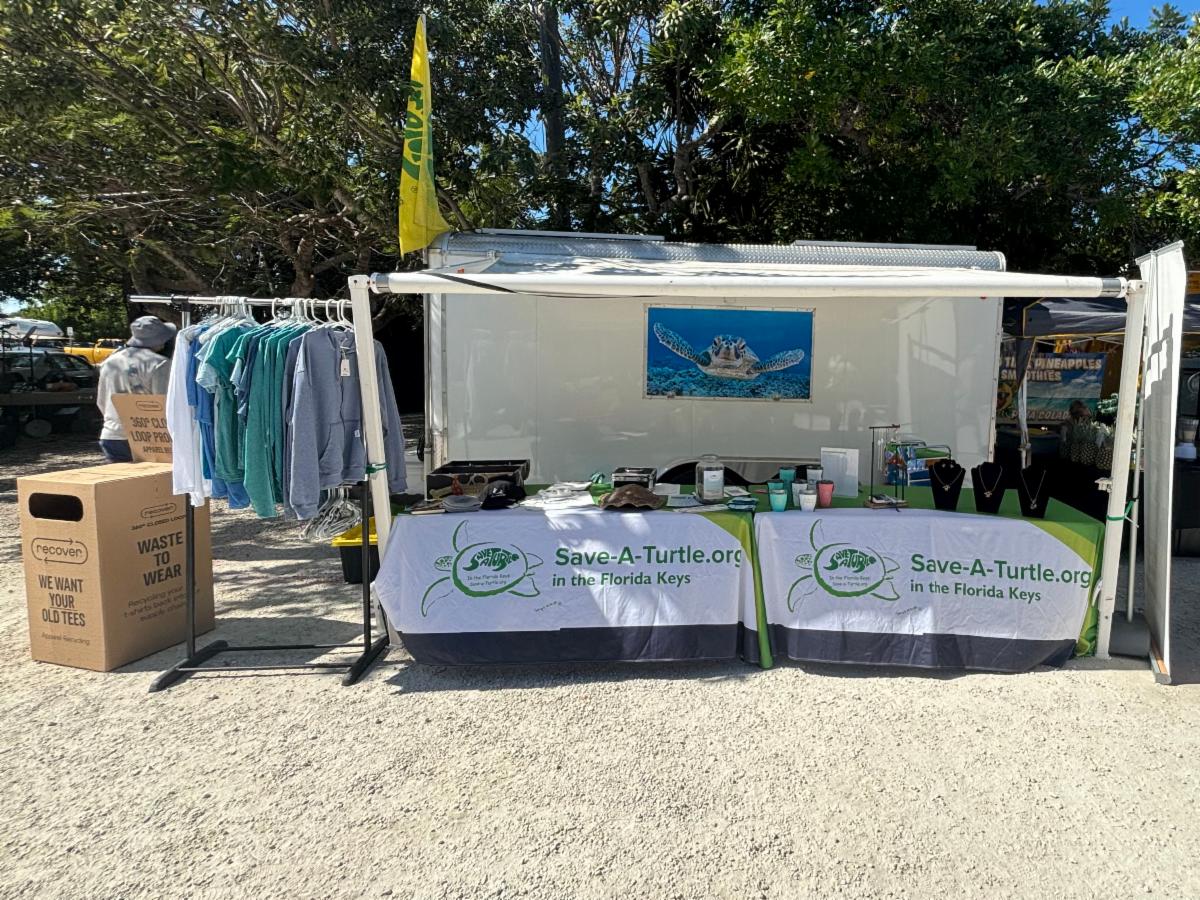
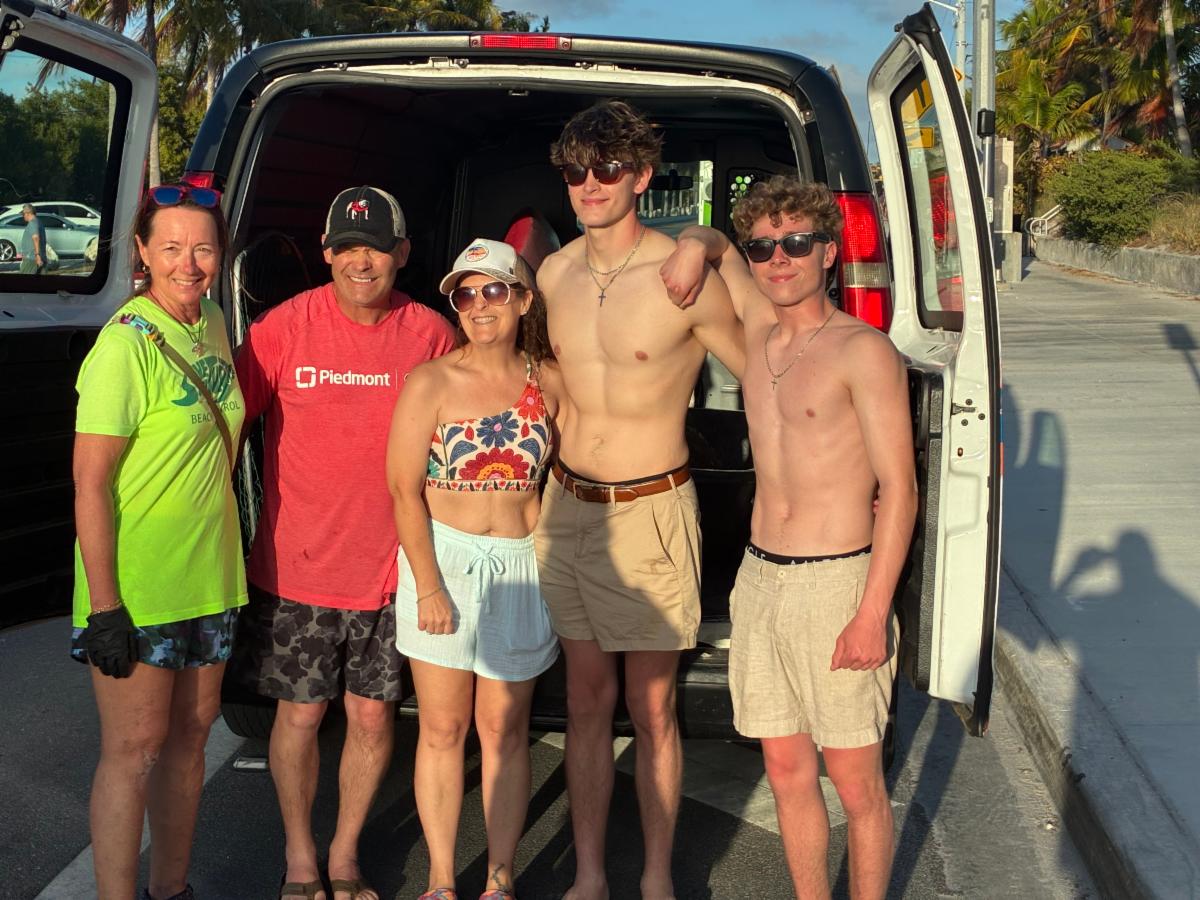
My name is Sherri Crilly, and I have been a volunteer with Save-A-Turtle since 2016. I am also an Florida Fish and Wildlife Conservation Commission (FWC) permit holder and volunteer for sea turtle nesting, stranding, and salvage in the Lower Keys.
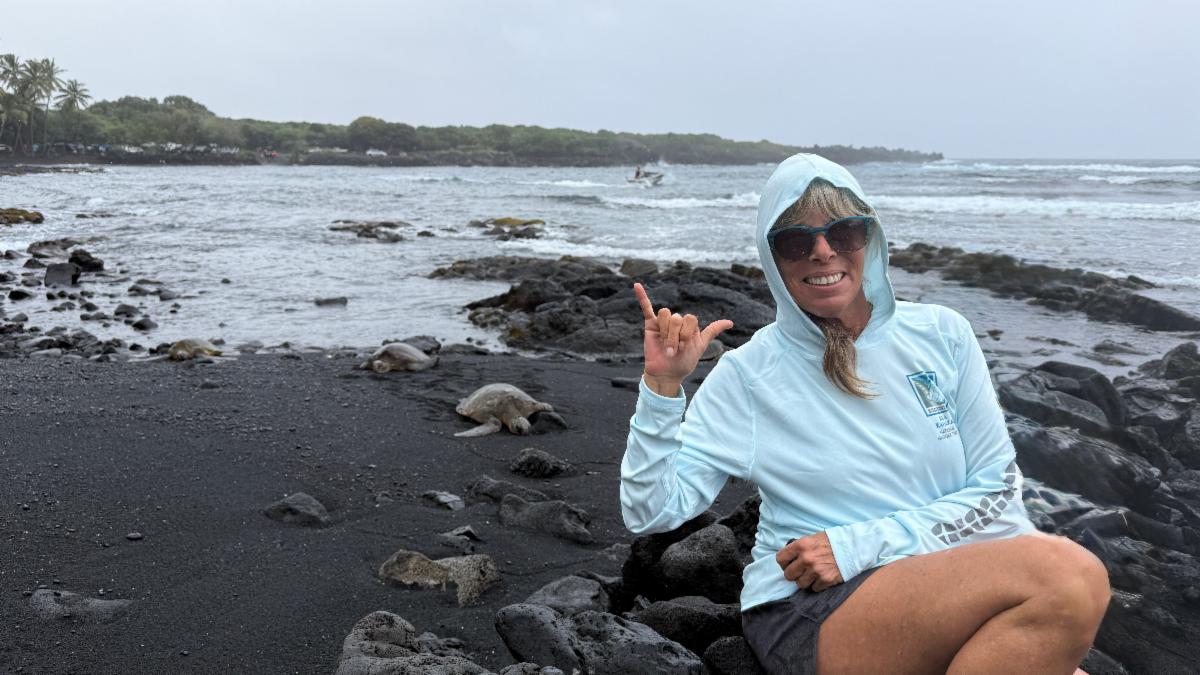
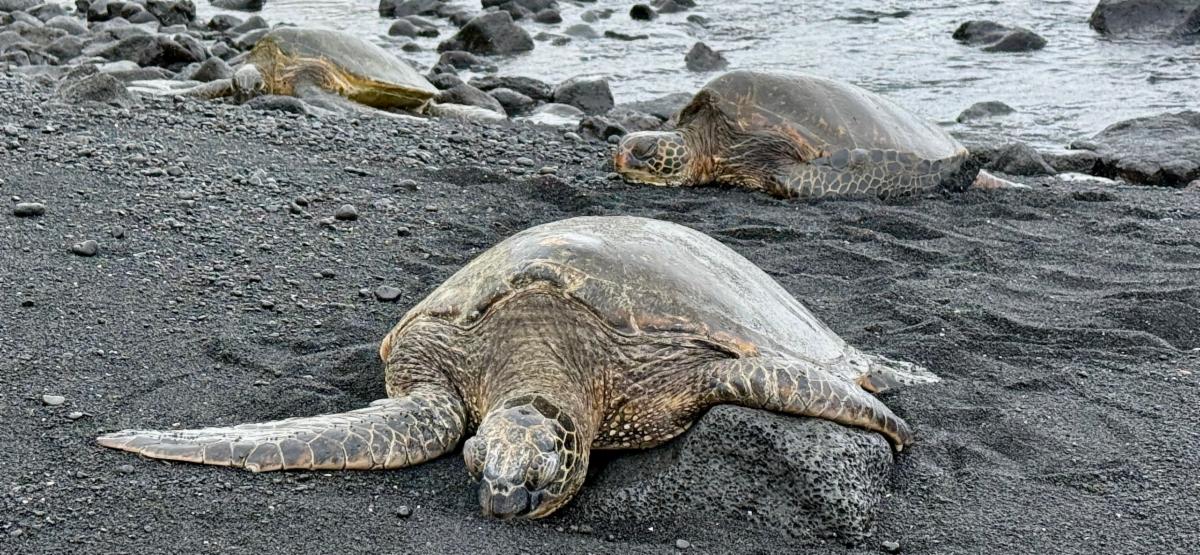
This past February, I was invited to attend the 44th International Sea Turtle Symposium in Kona, Hawaii—an annual gathering of veterinarians, educators, conservationists, scientists, students, and volunteers from around the world. The symposium brought together 675 attendees representing 53 countries. Kona is located on the west side of the Big Island of Hawai‘i.
Over the next few months, I’ll be sharing some of what I learned during this incredible experience.
Let’s start at the beginning.
Following a beautiful Hawaiian blessing and opening ceremony, speakers shared perspectives on the relationship between Indigenous communities and sea turtle conservation. Imagine being in a room filled with 675 people who collectively work to protect sea turtles—and hearing stories from cultures where sea turtles are still an essential source of food. Yes…crickets.
However, these stories truly touched my heart, and I’d like to share some of what I learned with you.
Conservation efforts often intersect with the rights and traditions of Indigenous communities—not only in Hawaii, but across Pacific islands and parts of South America. Many of us take for granted that a grocery store is just a short drive away, stocked with everything we need to nourish our families. In many parts of the world, this is not the case. Instead, communities rely on the ocean for food, including fish and, in some cases, sea turtles.
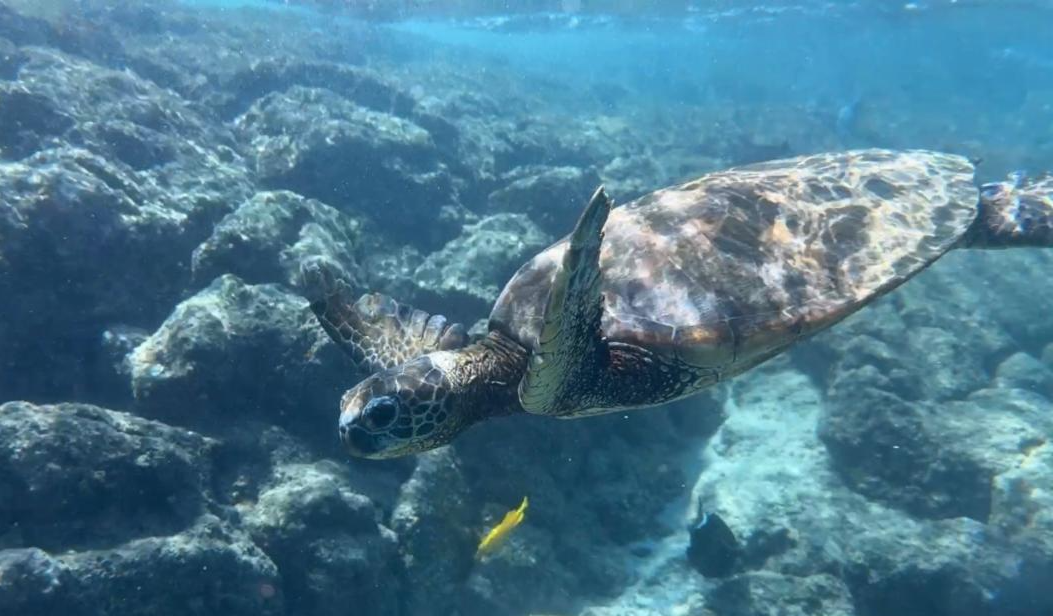
One story described how a single sea turtle can provide food for an entire family, offer a small source of income that allows a father to send his children to school, and even contribute to traditional healing practices. Another shared how green sea turtles are considered gifts from ancestors, with every part of the animal used out of necessity rather than profit. For example, beyond providing food, shells may be used for bowls and storage, while bones are crafted into fishing hooks.
In many of these cultures, sea turtles are viewed as sacred gifts. In Micronesia, for instance, a special tribal dance is performed as a turtle is brought into the village. The meat is distributed according to tradition—women receive the white meat, while the chief is presented with the head. In some communities, people are permitted to harvest sea turtle eggs, but they must raise one hatchling to a certain size and release it back into the ocean so it can grow to adulthood and reproduce.
Modern sea turtle conservation efforts began in the late 1950s and expanded globally in the 1970s, when populations declined dramatically due to overharvesting. Today, the challenge lies in balancing conservation with time-honored cultural practices and basic survival needs. This ongoing tension highlights the importance of bridging modern science with traditional knowledge—bringing scientists and Indigenous communities together to develop solutions that are both effective and respectful.
|