|
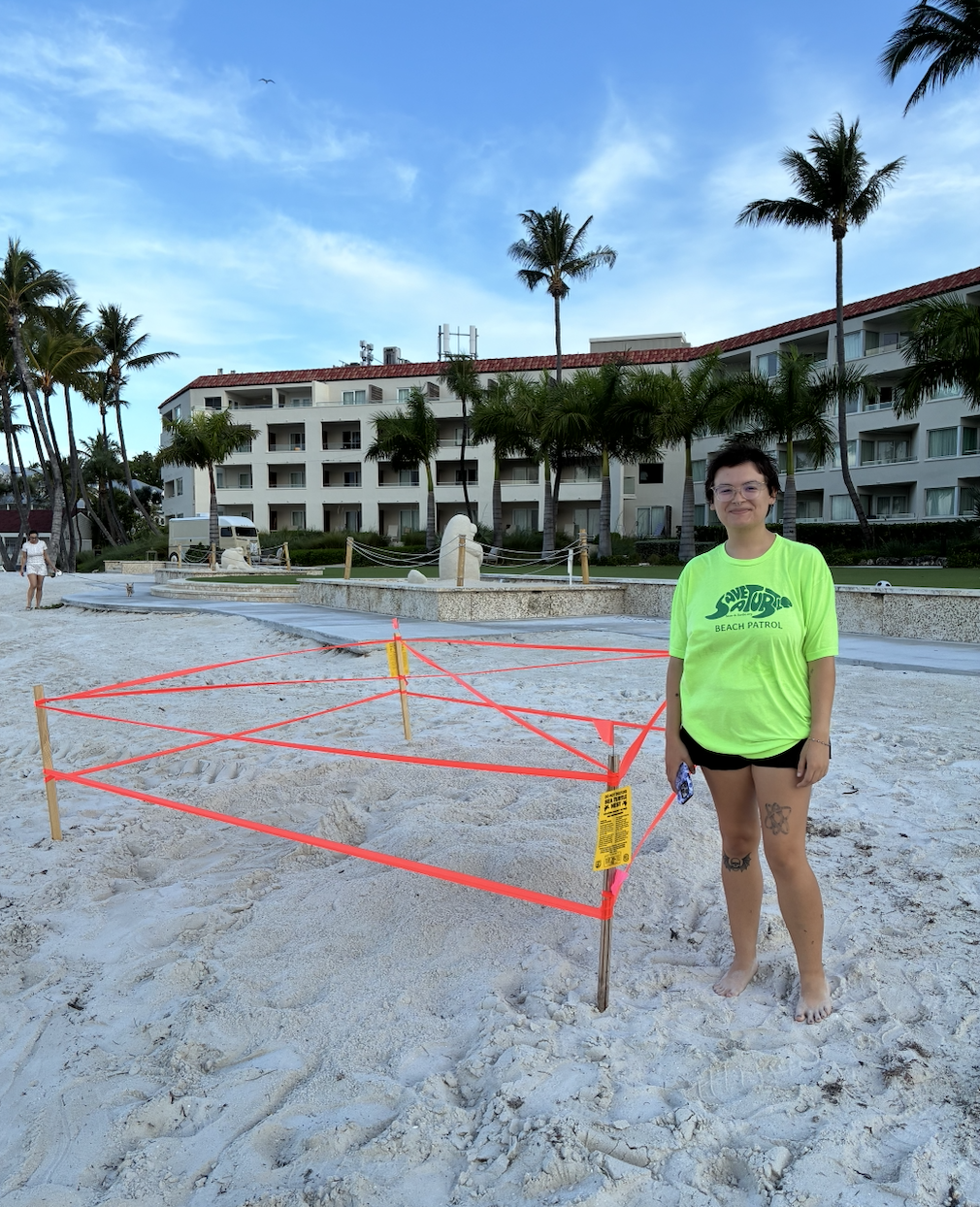
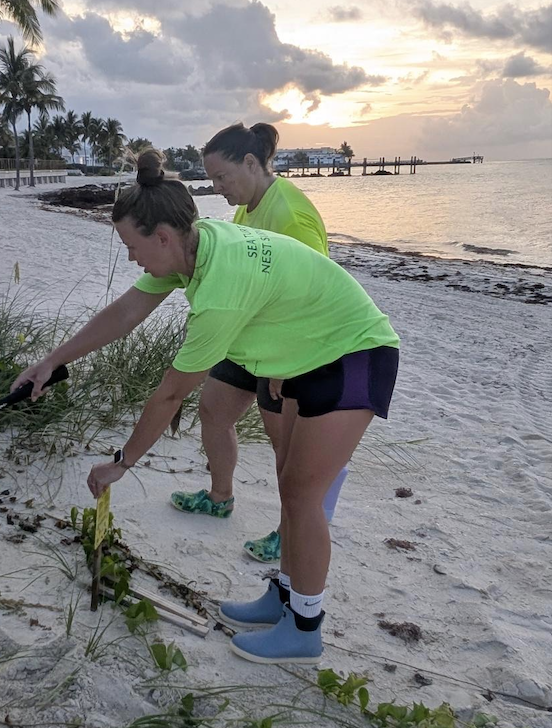
My name is Sherri Crilly, and I have been a volunteer with Save-A-Turtle since 2016. I am also an Florida Fish and Wildlife Conservation Commission (FWC) permit holder and volunteer for sea turtle nesting, stranding, and salvage in the Lower Keys.
We’ve all heard the term Head Start regarding young preschool children. The purpose of a Head Start program is simply to help prepare children for primary school through needs such as socialization, nutrition, emotional and physical development, as well as health and well-being.
But in sea turtles?
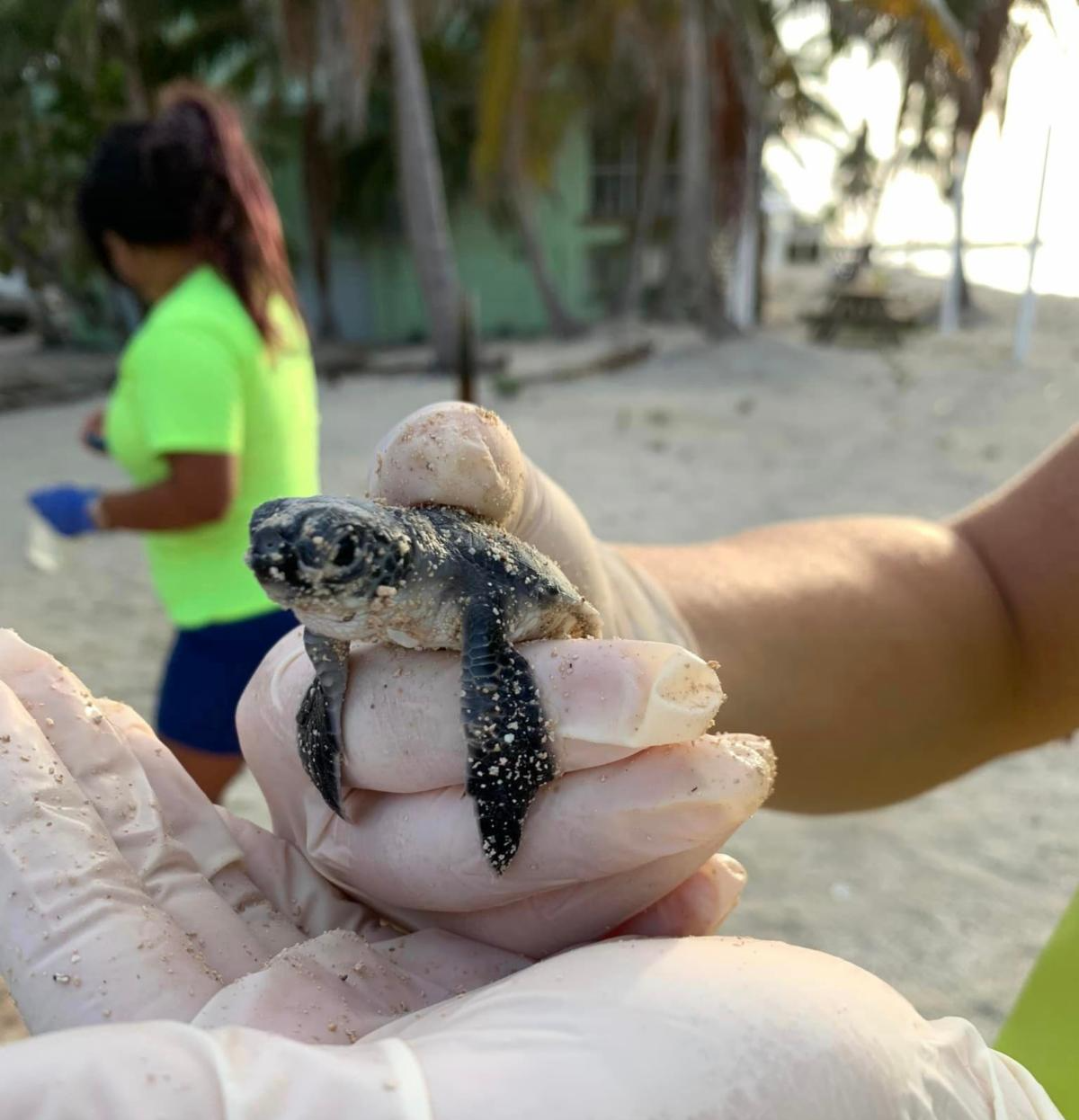
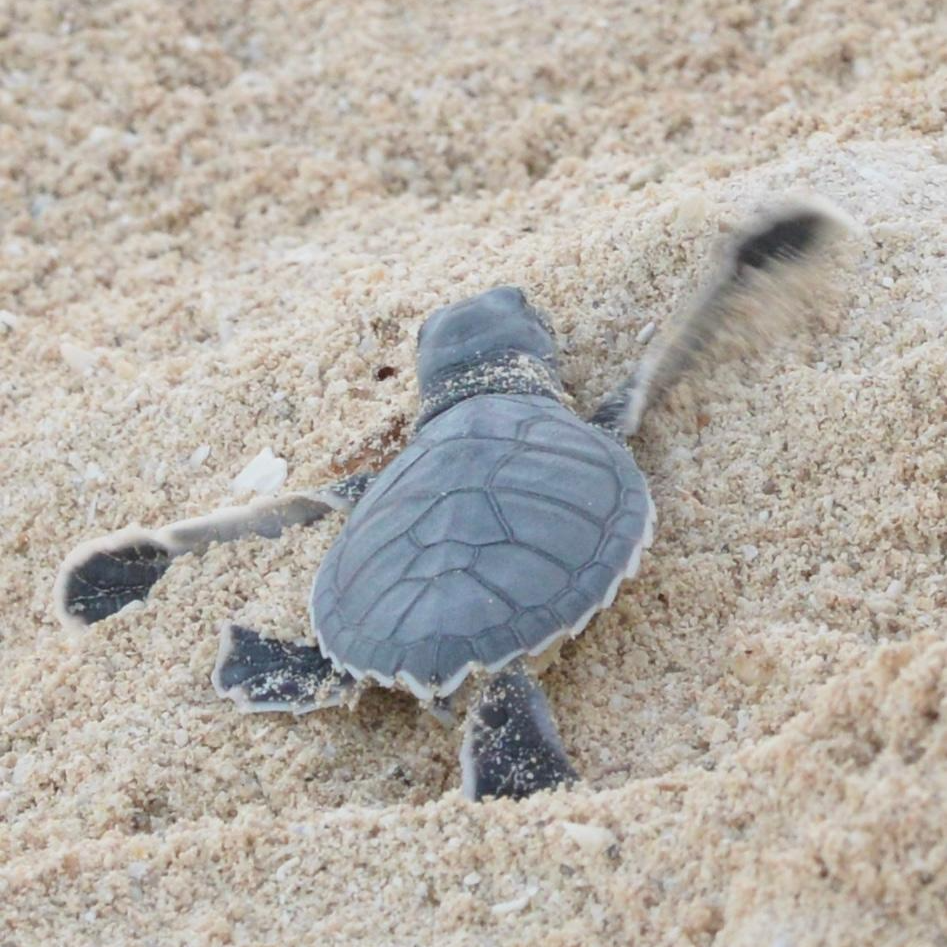
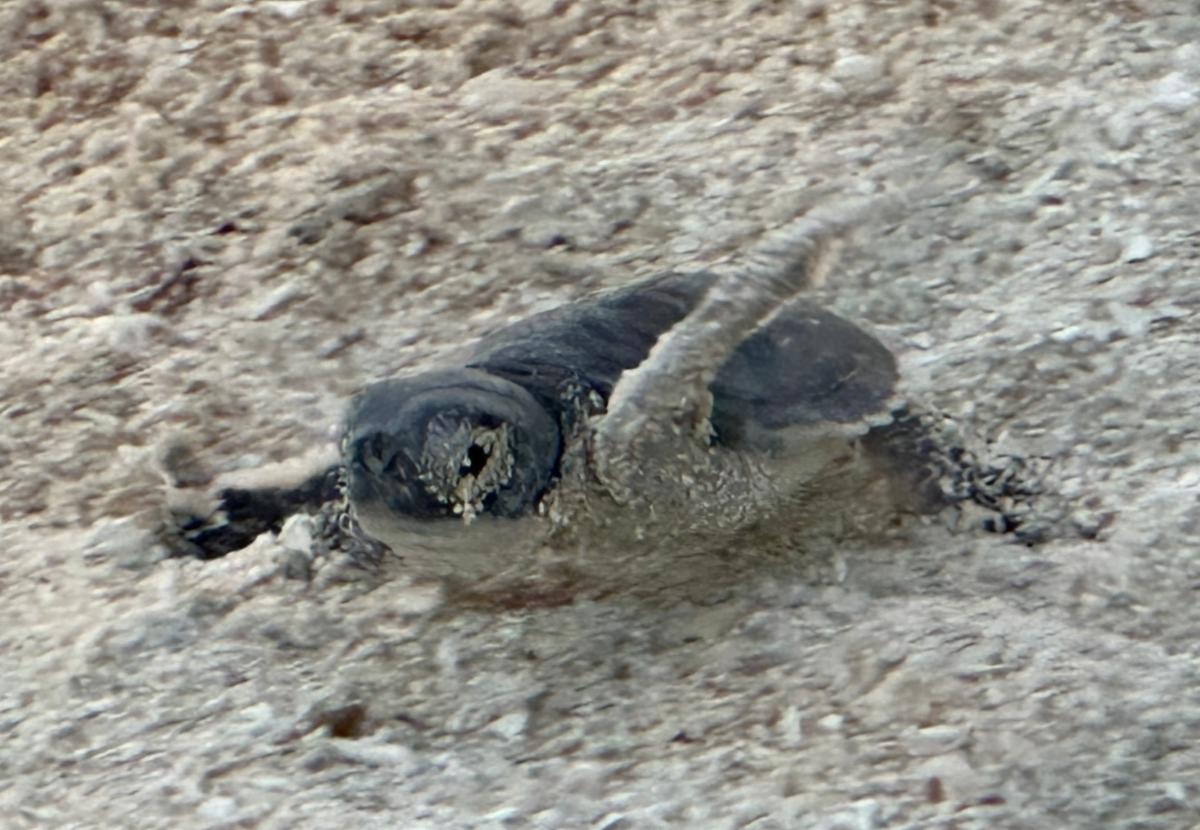
The statistics are well known: only 1 in 1,000 sea turtle hatchlings survive to adulthood. Sea turtles are the worst parents. The male impregnates the female, then off he goes to find another. The female makes her way to the beach to lay her eggs, returning to the ocean as soon as she is done. Fifty days or so later, the hatchlings emerge from the nest and, without any parental care, must find their way to the ocean, swim miles and miles to a patch of sargassum grass in the Gulf Stream, then spend the next few years there foraging and hiding from predators until they are big enough (about the size of a dinner plate) to make their way back inshore for more substantial feeding grounds. They are literally on their own from the moment mama drops that egg into the nest.
Because of these extreme challenges, many organizations globally provide the sea turtle version of a Head Start program to these quarter-sized reptiles to help improve their chances of survival. This includes keeping them in tanks or protected lagoons, providing healthy meals and proper nutrition, and monitoring their health. However, when it comes down to science, money, and success, head starting can be complicated and not necessarily successful.
In the Florida Keys, the process is simple. The Marathon Turtle Hospital is permitted by the FWC to keep only two rescued hatchlings for a period of two years before they are required to be released back to Mother Ocean. During this time, they are well nourished and cared for, which hopefully increases their chance of survival to adulthood. Additional space and funding are not needed for these tiny creatures at this well-equipped facility. But to be honest, we will never know if these littles survive.
In Hawaii, a major effort was put into a Head Start program. One group in particular released 1,000 green sea turtles from its head start program. Several years later, greens started nesting on the beach where the head starts were released, but where greens had never nested before. In doing so, they destroyed hawksbill turtle nests in the process of digging their own. So, by increasing the odds of one species, they inadvertently decreased the odds of another. It is important to note that the study did not track the released turtles, so it is not clear whether these nesting greens were the same ones released all those years ago. So, did the program work? No one knows.
Texas engaged in a large-scale, multi-year program involving green turtles between 1971 and 1988, releasing more than 18,000 post-hatchlings at 6–12 months old. While this program helped increase the immediate survival of hatchlings, there is no way to know how many of these babies survived to adulthood. The probability that a hatchling is still alive at maturity, which occurs between 10 and 20 years of age, is 0.078% and 0.06%, respectively. That’s still less than 1%. A lot of effort and cost with unknown results.
Once a sea turtle reaches its subadult stage, predation becomes less of a threat, while habitat loss and fisheries bycatch become the predominant dangers to populations of all sea turtle species. Without exaggerating, an estimated 12,000 sea turtles are unintentionally caught in fishing nets each year in the United States alone. Globally, that number is estimated to be between 250,000 and 300,000.
With such a high rate of bycatch (marine life accidentally caught in fishing nets), unless we could literally train sea turtles to avoid nets, all Head Start does is help a post-hatchling survive until it is released. There is no evidence of higher subadult or adult survivorship. Therefore, many researchers, including NOAA, believe that the only way Head Start programs will help increase overall sea turtle populations is through beach protection and Turtle Excluder Devices (TEDs) on commercial fishing nets.
Stay tuned, as that is the topic we will discuss next month.
|