|
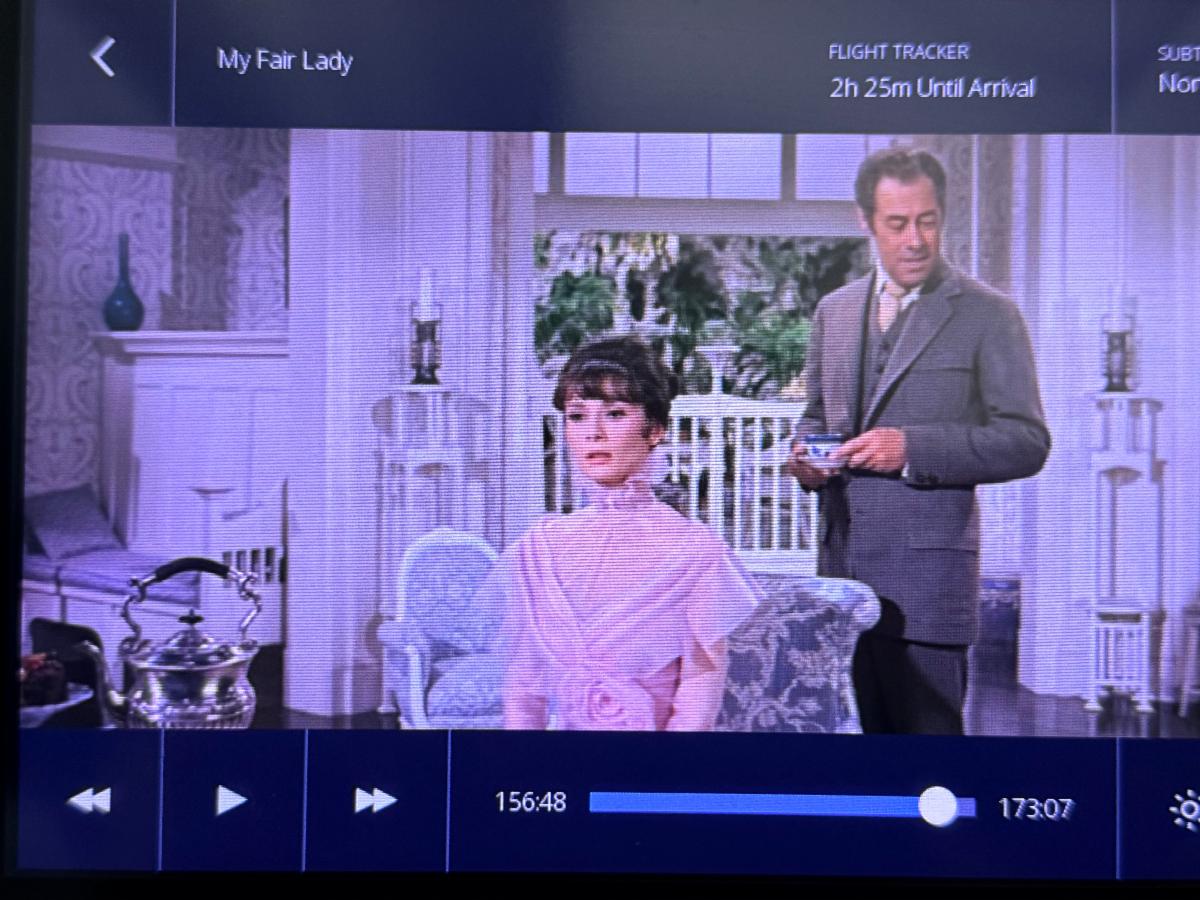
I was watching My Fair Lady on my Delta flight to California. Something classic. Sometimes you need that balance, mixing older stories in with modern themes.
The music came rushing back. The songs stirred memories, tugged at my heart, and even brought a few unexpected tears. But what stayed with me most wasn’t the music. It was Eliza’s plea to be seen, not as a project or a bet, but as a person.
When Professor Higgins responds, “The great secret, Eliza, is not about good manners or bad manners…but having the same manner for all human souls,” I cringed. His point was that treating everyone the same is fairness. But that idea wipes out individuality. It ignores difference. It dismisses need.
That moment runs directly counter to the Platinum Rule, which I care deeply about: treat people as they want to be treated. It recognizes that we are not the same, that our needs, experiences, and desires differ. Contrast that with the Golden Rule, treat others as you’d want to be treated, which quietly assumes sameness. If it works for me, it should work for you.
We know that assumption doesn’t hold. Not in leadership. Not in service. Not in the world we’re navigating today.
At its core, My Fair Lady is a story about molding. Professor Higgins sets out to transform Eliza into something he defines as acceptable, refined, and worthy. He wins the bet. The experiment succeeds. But what breaks your heart is her sorrow afterward, her realization that she was never seen as an individual, only as a transaction. And when it’s over, he admits he doesn’t know what to do with her.
That gave me pause.
How often do we do this as leaders, colleagues, friends, or even family members? How often are we trying to mold people to fit our expectations instead of giving them space to be who they are? Not everyone will fit our mold. Not everyone should.
The story ends with Higgins realizing the emptiness Eliza left behind when she was gone. He wants her back. But the uncomfortable truth is this: I’m not convinced he knows how to truly see her, even then.
And that’s the real question for us.
Are we trying to shape people into versions that make us comfortable, or are we willing to meet them where they are and lead, serve, and care accordingly?
That shift is where humanity lives. And it’s where real leadership begins.
For more on the Platinum rule, read this one I shared a while ago.
What's a trend you're seeing in how people show up and act, personally and professionally? Tell me about it! Would love to hear what the experience is shaping up out there.
|