|
Director’s Letter
A Season of Connection, Compassion, and Support
Dear Friends and Supporters,
As we settle into the fall season and look ahead to the holidays, we are reminded of the importance of connection, compassion, and community. While this time of year can bring joy and celebration, it can also present challenges for individuals and families affected by substance use disorders.
At the University of Michigan Addiction Center, our commitment to research, training, and treatment remains at the heart of our mission. Through these efforts, we strive to advance our understanding of addiction, improve access to effective care, and support individuals and families on their paths to recovery.
As the holiday season approaches, we encourage everyone to reach out, offer support, and help reduce the stigma surrounding addiction. For those seeking help, U-M Addiction Treatment Services (UMATS) provides compassionate, evidence-based care.
Wishing you and your loved ones a healthy and peaceful fall season.
Warm regards,
Frederic C. Blow, Ph.D.
Rachel Upjohn Research Professor of Psychiatry
Director, U-M Addiction Center
| | |
Why do college students drink, and what helps them avoid alcohol-related problems? A recent study coauthored by Addiction Center researchers Drs. Jillian Hardee, Lora Cope, and Meghan Martz examines how drinking motivations and strategies to reduce harm influence alcohol-related outcomes, including differences between men and women.
| | | |
This Michigan Medicine Health Lab story featured Dr. Brian Hicks. The underlying study by Drs. Brian Hicks and Mark Ilgen was published in JAMA Network Open and received coverage from U.S. News & World Report.
| | | |
Dr. Erin Bonar spoke with WJR Radio about the growing risks of online sports betting, particularly among young men. She discussed how easy access to betting apps can increase the risk of gambling addiction and why young adults may be especially vulnerable.
| | | The U-M Addiction Center is pleased to welcome three new fellows to our NIAAA T-32 Postdoctoral Research Training Fellowship program. Each brings unique expertise and research interests that will contribute to advancing the prevention and understanding of substance use and addiction. | | |
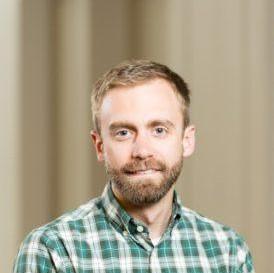
Matthew Myers, Ph.D., MPH
Dr. Myers earned his Ph.D. in Epidemiology from Michigan State University. His research focuses on substance use epidemiology, including how cannabis availability, environmental factors, and public policies influence substance use behaviors and related health and safety outcomes.
| | |
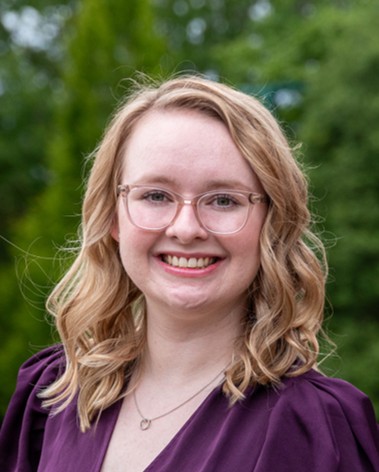
Avery Turner, Ph.D.
Dr. Turner earned her Ph.D. in Prevention Science from the University of Oregon. Her research focuses on substance use prevention among emerging adults, particularly the implementation and effectiveness of digital alcohol prevention programs in college settings.
| | |
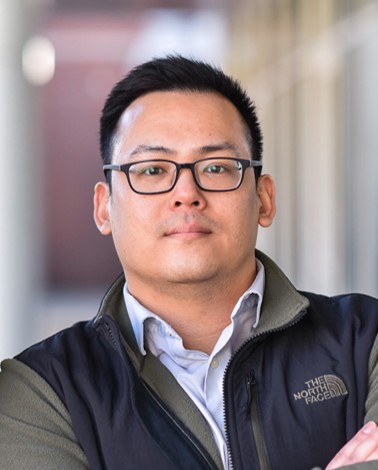
Danny Wang, Ph.D.
Dr. Wang earned his Ph.D. in Biobehavioral Health from Pennsylvania State University. His research uses advanced statistical methods and real-time data to better understand patterns of alcohol, cannabis, and other substance use among young adults.
| | |
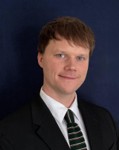
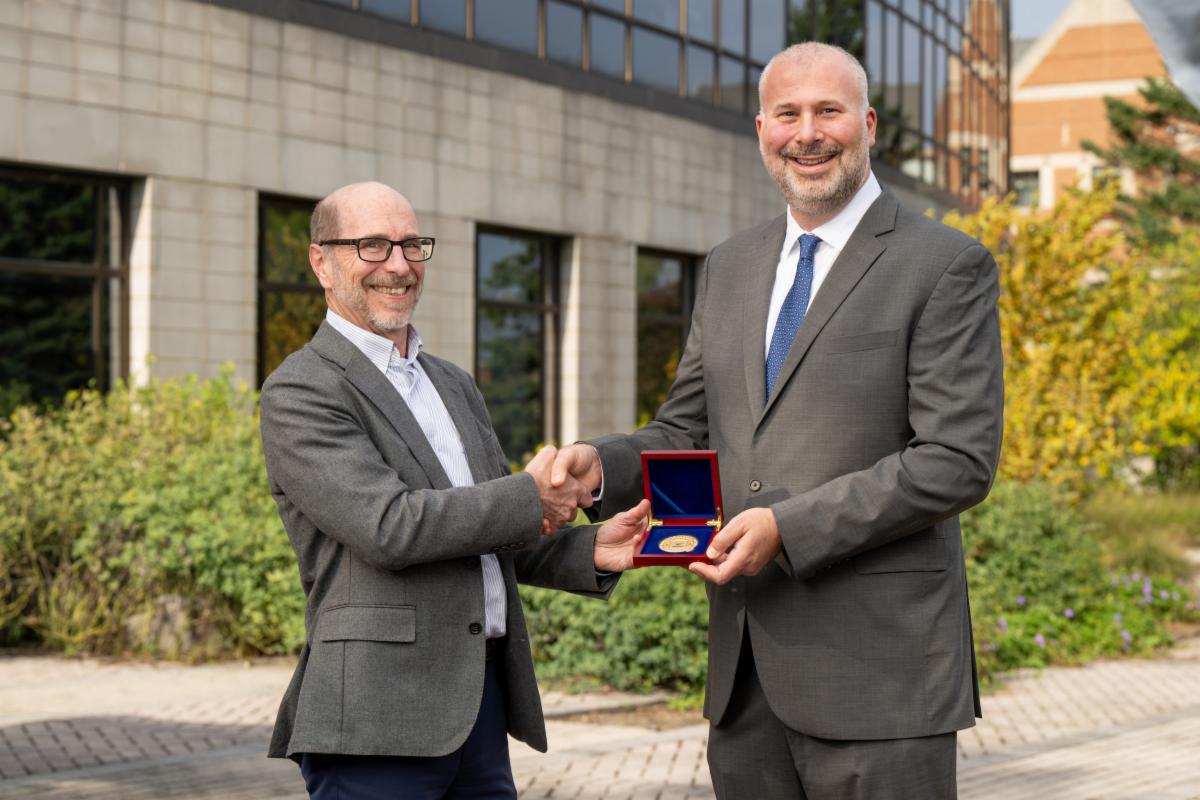
Mark A. Ilgen, Ph.D., was installed as the Albert J. Silverman, M.D., C.M. Research Professor of Psychiatric Disorders on October 1, 2026. Dr. Ilgen is a leading researcher in addiction and mental health, with a particular focus on substance use disorders, suicide prevention, and improving treatment outcomes. This prestigious professorship recognizes his significant contributions to psychiatric research and his ongoing commitment to advancing the field.
The photo shows Drs. Stephen Taylor (L) and Mark Ilgen (R).
| | | Meghan Martz, Ph.D., received a five-year R01 research grant from the National Institute on Alcohol Abuse and Alcoholism (NIAAA) to explore how brain-training techniques and smartphone-based tools can help young adults better manage their behavior and reduce risky alcohol use. | | Alexander Weigard, Ph.D., a four-year R01 research grant from the National Institute of Mental Health (NIMH) to study how thinking and decision-making abilities develop and how they may influence the risk of mental health conditions, including substance use disorders and ADHD. | | |
Mark Your Calendars: Giving Tuesday 2026
December 1, 2026 is Giving Tuesday, a global day of generosity when donors support their favorite non-profits. Look for an email sent out by us on 12/1 - We hope you will support the Addiction Center with a gift!
| | | Education, Resources & Other News | | |
We're seeking 8–10 community advisors who have used cannabis regularly, experienced challenges with cannabis use, or supported someone with either experience. Advisors will help guide a research study focused on improving treatment for cannabis use disorder. Participation involves up to four one-hour Zoom meetings per year, with compensation.
| | | |
At U-M Addiction Treatment Services (UMATS), recovery is a reality that our clinicians build with their patients every day.
| | | |
Dr. Nathan Menke was recently featured in a Michigan Medicine Health Lab podcast discussing the dangers of kratom and 7-OH, substances sold at gas stations and convenience stores that can lead to addiction and overdose. Listen in
| | | |
The U-M Addiction Center resource guide includes free online support groups, 24-hour helplines, and other important recovery and mental health-related resources.
| | |
University of Michigan Addiction Center
Department of Psychiatry, 4250 Plymouth Rd, Ann Arbor, MI 48109
| | | | |