DIVISION OF METABOLISM, ENDOCRINOLOGY, AND DIABETES | |
|
Dear Colleagues,
The postdoctoral basic science training program has had a successful year. In addition to the basic diabetes lecture series, our five current trainees have had numerous enrichments, which include hosting an outstanding seminar speaker, Dr. Andrea Dunaif, MD from the Icahn School of Medicine at Mount Sinai. We also held our annual postdoctoral research symposium, with the keynote address being provided by one of our external advisory board members, Dr. Philipp Scherer, PhD from University of Texas Southwestern.
We recognize that the COVID-19 pandemic has profoundly altered our lives and we hope that the transition back to our new normal is a smooth one.
Sincerely,
Multidisciplinary Training Program in Basic Diabetes Research Team
Michigan Medicine Division of Metabolism, Endocrinology, and Diabetes
| |
|
APPLICATION DEADLINE: JUNE 1, 2022
START DATE: SEPTEMBER 1, 2022
| |
|
The Multidisciplinary Postdoctoral Training Program in Basic Diabetes Research provides an opportunity for postdoctoral fellows with a PhD to pursue training in diverse aspects of diabetes research. Training grant preceptors fall into major interest groups across a spectrum of type 1 and 2 diabetes research – islet biology, autoimmune diabetes, adipocyte biology, neuronal regulation of metabolism, mechanisms of insulin resistance, metabolic control in liver and muscle, and diabetes complications – each area containing investigators pursuing basic research with potential translational applicability.
Laboratory training is supplemented by a core curriculum in molecular pathogenesis of diabetes, a series of educational seminars/classes and workshops on grant writing, career skills, and research methodologies.
Trainees must have a PhD or equivalent degrees and a desire for a career in diabetes research, no more than three years of postdoctoral training, and be a U.S. citizen or permanent resident. Applicants will provide a research proposal, biosketch, and letter from mentor.
We are committed to developing and maintaining diversity in the ethnic, cultural, and gender backgrounds of our trainees. Click here for more information and to apply.
| |
|
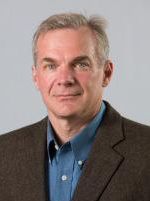
Ormond MacDougald, PhD
Dr. Ormond MacDougald is the John A. Faulkner Collegiate Professor of Physiology, and Professor of Molecular and Integrative Physiology and Internal Medicine.
Dr. MacDougald is an internationally recognized investigator for his work on development and functioning of adipocytes and adipose tissues. This research provides important insight into the problems of obesity and type 2 diabetes. Dr. MacDougald’s research is funded by the National Institute of Diabetes and Digestive and Kidney Diseases, among other sources.
“Our training program is a tremendous opportunity for postdoctoral fellows, whether they’re applying from within the University of Michigan or from outside the university, who are looking for a program that will significantly impact their early careers by providing a solid foundation in basic diabetes research and a network of world-renowned professionals in their area of specialty.”
Visit Dr. MacDougald's Lab
| |
|
Peter Arvan, MD, PhD
Dr. Peter Arvan is Chief of the Division of Metabolism, Endocrinology, and Diabetes (MEND), and Professor of Internal Medicine and Molecular and Integrative Physiology.
Dr. Arvan's laboratory is located within the Brehm Center for Diabetes Research, alongside a group of highly accomplished basic and clinical investigators focused on finding new therapies that better treat diabetes and other endocrine diseases. His laboratory is funded by public research support (from the National Institutes of Health) as well as private research support.
Dr. Arvan's research work has focused on hormone synthesis, especially in two areas: thyroid hormone synthesis and insulin synthesis. He is specifically interested in understanding how the proteins that are hormone precursors are made and converted into medically-active hormones, and how these steps go wrong in various endocrine diseases.
Visit Dr. Arvan's Lab
| |
|
Naima Dahir, PhD
Dr. Naima Dahir is currently working on expanding the efficacy of GLP-1 based drugs, such as liraglutide and semaglutide, for the treatment of dietary obesity. The laboratory of Dr. Roger Cone previously found that administration of the GLP1R agonist liraglutide to mice lacking Mc3R or mice treated with MC3R antagonist produced significantly more pronounced anorexia. For this project, Dr. Dahir is interested in delineating the details of these effects using multiple approaches including circuit-based mechanisms, behavioral, and pharmacological approaches.
| |
|
Julie E. Finnell, PhD
Dr. Julie E. Finnell is a third-year postdoctoral trainee in the lab of Dr. Carrie Ferrario in the Department of Pharmacology. As a part of the Ferrario lab, Dr. Finnell’s work is focused on understanding neuronal mechanisms that underlie the motivation for food and how diets high in fat and sugar can alter these mechanisms to promote obesity and diabetes. Her goal is to remain in academia where she hopes to study the neurobiological intersection between obesity and co-morbid depressive behaviors.
| |
|
Adelaide Tovar, PhD
Dr. Adelaide Tovar is working in the labs of Dr. Jacob Kitzman and Dr. Stephen C.J. Parker using massively parallel reporter assays (MPRA) and other functional genomics approaches to characterize T2D-associated variants. Using a previous MPRA library, they discovered that a subset of T2D-associated variants preferentially drive enhancer activity in combination with the INS promoter. Interestingly, many of these variants overlap or are in proximity to HNF1A motifs, a key transcription factor important for beta cell and hepatocyte function. Dr. Tovar is currently developing a new library to specifically interrogate the influence of these motifs on gene regulatory activity.
| |
|
Jordan Wean, PhD
Dual incretin (GLP-1/GIP) agonists are likely the next blockbuster drugs for diabetes and obesity, although their mechanism of action is incompletely understood. Working in Dr. Randy Seeley's lab, Dr. Jordan Wean’s research focuses on identifying the role that subsets of GIP receptor expressing neurons play in the enhanced effectiveness of dual incretin therapy as compared to GLP-1 receptor agonism alone. Dr. Wean's findings indicate that GABAergic GIP receptor positive neurons play an important physiological role in food intake and body weight regulation, but are not required for the beneficial effects of dual incretin therapy.
| |
|
Irina Zhang, PhD
Dr. Irina Zhang is a second-year postdoctoral fellow in the laboratory of Dr. Leslie Satin. Dr. Zhang's research interest is investigating the role of ER stress in pancreatic beta cells. Her previous work identified that ER Ca2+ depletion led to store-operated Ca2+ entry and consequently drove the sub-threshold Ca2+ oscillations in pancreatic beta cells under ER stress conditions. Dr. Zhang then continued studying the mechanism of ER stress causing ER Ca2+ depletion and found the involvement of ER Ca2+ channel Ryanodine Receptor 1 in beta-cell dysfunction. Currently, she is confirming these findings in diabetic animal models and also investigating the role of an inward-rectifier Kir2.1 in beta-cell function.
| |
|
"My experience on the T32 was very positive. It was a supportive program where I was given the opportunity to explore research I was interested in, and I felt like Dr. MacDougald's door was always open to discuss both triumphs and challenges." - Sarah Elzinga, PhD (2017-2019)
"As a trainee with a PhD in Analytical Chemistry, the transition from chemistry to medical research is a big leap for me. The T32 training program provides me the opportunities to embrace diabetic research quickly via seminars and conversations with experts. The financial and academic support from the T32 training program also motivates me to contribute to the society of diabetic research with new ideas and methods." - Chenchen He, PhD (2019-2020)
"As a postdoc, the T32 Training Program in Basic Diabetes Research was a wonderful stepping stone in my career. It helped me to establish connections with and learn from PIs and other postdocs working on diabetes. I went on to be awarded an F32 and then a K01 from NIDDK to pursue my interests in this area of research."
- Lindsey Muir, PhD (2014-2015)
"I joined the T32 in August of 2018, a few months after starting as a Michigan postdoc. By joining this T32, I was able to meet other postdocs and form new friendships with others who were in a similar stage of their career. The annual T32 symposium was a great opportunity to share my research and learn about what others were doing and how our interests overlap. Under this funding, I was able to collaborate both within my lab and with neighboring labs at Michigan, resulting in 2 recent publications. This T32 also helped me to achieve my goal of successfully obtaining a F32 fellowship from the NIH." - Rebecca Schill, PhD (2018-2019)
| |
|
ALUMNI ON THE MOVE
-
Amy Rumora, PhD - Assistant Professor at Columbia University, Department of Neurology
-
Bailey Peck, PhD - Medical Science Liaison at Albireo Pharma
-
Allison Ho Kowalsky, PhD - Field Application Scientist at Thermo Fisher Scientific
| |
Visit the Go Blue Guide website to discover Ann Arbor and life at Michigan Medicine.
| | | | | |