|
On Tuesday, the U.S. Preventive Service Task Force (USPSTF) released proposed new breast cancer screening guidelines (USPSTF release and scroll down for email release). The USPSTF has proposed biennial screening mammography starting at age 40 and recommends an “I” for insufficient evidence on secondary screening for women with dense breasts. Digital breast tomosynthesis as a screening modality for breast cancer is proposed to no longer be graded “I.”
The USPSTF’s proposal to recommend breast cancer screening mammography starting at age 40 is great news and would be an important change from the 2009 and 2015 guidelines which recommended breast screening starting at age 50. This is clearly an acknowledgement that breast cancer can be deadly for younger women, especially women of color, and it is important news for members of the PALS Coalition members who have strongly supported breast screening guidelines starting at age 40. However, it is disappointing that the proposal recommends every other year for the interval and gives secondary screening for women with dense breasts an “I” grade.
You may be interested in two of the first statements released yesterday in response to the proposed guidelines by two members of Congress who have been strong voices on breast cancer screening:
Rep. Rosa DeLauro Statement & Rep. Debbie Wasserman Schultz Statement
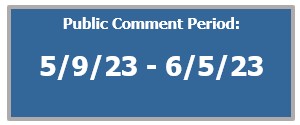
The USPSTF will accept public comments electronically via their website for 4 weeks (until June 5, 2023 at 11:59pm) and we urge you to make your voices heard. If your organization is releasing a statement or comment on the proposed guidelines, please pass it along to me and I will compile these into one document to share with our congressional PALS Act allies.
Secondly, The PALS Coalition will be releasing a joint statement (draft attached) listing the names of any of your organizations who wish to add your name to the statement – we welcome organizations as well as Breast Centers. Please respond by Friday, May 12 at 9:00am ET to Marilyn.yager@alston.com with the name of your organization if you wish to be listed on the attached statement.
|