brought to you by UAB Clinical Simulation

Summer 2026


Wheel Talk


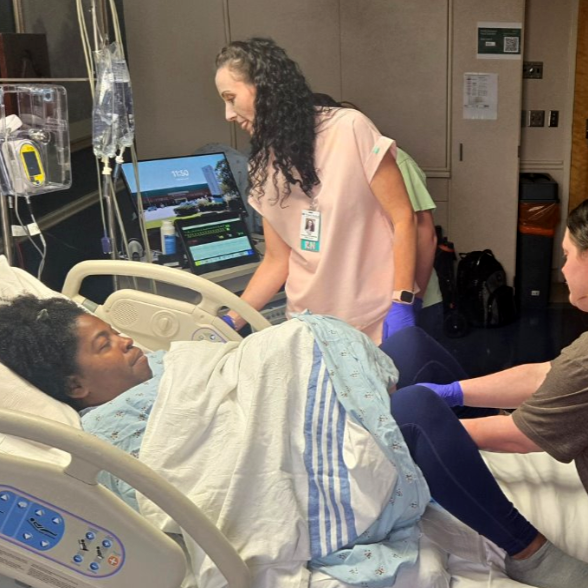
Mobile Sim delivers shoulder dystocia simulation to Russell Medical

Some emergencies you can see coming. Shoulder dystocia isn't one of them.


On June 11, the UAB Mobile Simulation team partnered with Russell Medical Center in Alexander City, Ala., for a hybrid immersive simulation built around exactly that scenario—a standardized patient combined with a birthing trainer, giving seven registered nurses an hour to work through prompt recognition, urgent team communication and evidence-based management of a shoulder dystocia emergency.


Read More


Words on the Street


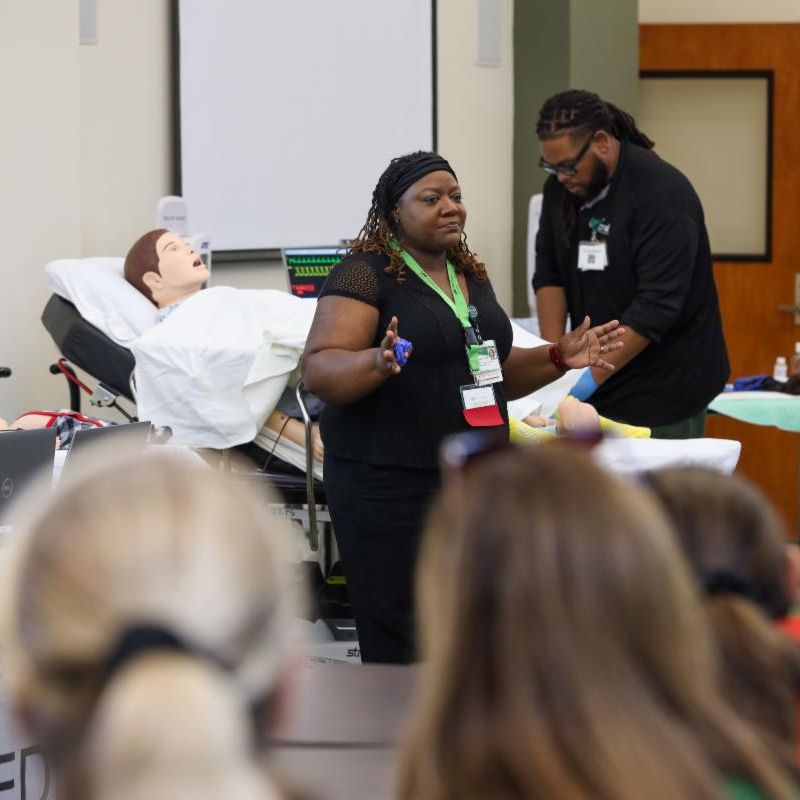
Mobile Sim showcased at CIPES Symposium


The UAB Mobile Simulation team highlighted its efforts to expand healthcare education in underserved communities during the 2026 Center for Interprofessional Education and Simulation (CIPES) Symposium. 


This year's symposium theme, "Interprofessionalism on Wheels: Reaching Patients in the Community Through Innovation," focused on current and emerging interprofessional programs across UAB and the broader community. A keynote presentation examining the state of rural health in Alabama underscored the importance of innovative approaches to improving healthcare access and outcomes. 


As part of the event, the mobile simulation team presented a breakout session showcasing how high-fidelity simulation training is delivered directly to healthcare professionals in rural Alabama. "We got to stand in front of a room of simulation colleagues and healthcare professionals and walk through what mobile simulation looks like for rural Alabama—the access gaps, the stakes and what it takes to bring high-fidelity training to communities that would otherwise go without it," mobile simulation coordinator Mercedees Willis said. 


Read More

Team Spotlight:

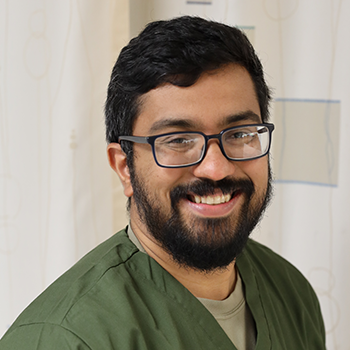
Jobin Abraham, M.S.


For nearly five years, Jobin Abraham has helped keep UAB Mobile Simulation moving—first as a Simulation Specialist and now as Program Director I. 


Abraham, who holds a Master of Science in Molecular Biology and Genetics and a Bachelor of Engineering in Biotechnology, joined UAB Clinical Simulation in 2021. Then, he supported the Mobile Simulation program through audiovisual systems, manikin operations and simulation hardware, while helping create realistic learning environments for learners across Alabama. In 2024, he transitioned to his current role, where his responsibilities include logistics, scheduling, data management, equipment coordination and operational support. 


For Abraham, one of the best parts of Mobile Simulation is the opportunity to meet healthcare professionals and learners throughout the state and see firsthand how simulation can make a difference. 


“It is rewarding to know that the education we provide helps improve patient care and clinical confidence," he said. 


Read More


eLearning eXperiences


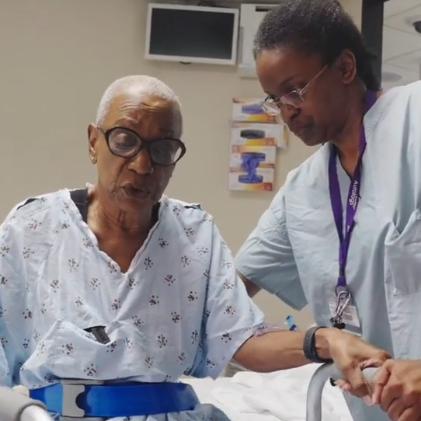
Preventing Patient Falls

A patient prepares to stand. A chair is nearby. A walker is within reach. In moments like these, small decisions shape what happens next. 


The Patient Mobility and Fall Prevention iSim places learners alongside a hospitalized patient as she moves through common care activities. As the scenario unfolds, learners observe the environment, identify potential risks and decide how best to support safe movement.


Read More


Further Down the Road


Mercedees Willis, DNP, MSN, AGACNP-BC

Mobile Simulation Coordinator


Practicing for the Moments That Matter Most

Y'all, summer's winding down, and it's got us thinking about what a season like this one actually adds up to. Every simulation we run and every room we get to stand in front of is really the same mission wearing a different hat: making sure rural teams have the chance to practice for the moments that matter most, before those moments ever show up for real. 


That's the throughline behind everything in this issue, and it's the throughline behind this program, full stop. We build every scenario in collaboration with the teams and content experts who know that specialty best, and we hand each team the reps they don't otherwise get—and somewhere down the line, that's the difference in an actual delivery room, an actual code, an actual patient. 


Here's what I'd ask of you this time: If this newsletter told you something you didn't know about the work happening in rural Alabama, forward it to someone. A colleague, a hospital administrator, someone on a community board—anyone who'd want to know this kind of training exists. (Worth noting: this program is available to teams within the Alabama Rural Health Collaborative, so if you know a facility that isn't part of ARHC yet, that's a great first step for them). The more people who see this work, the more communities we get to reach. Help us get the word out.