|
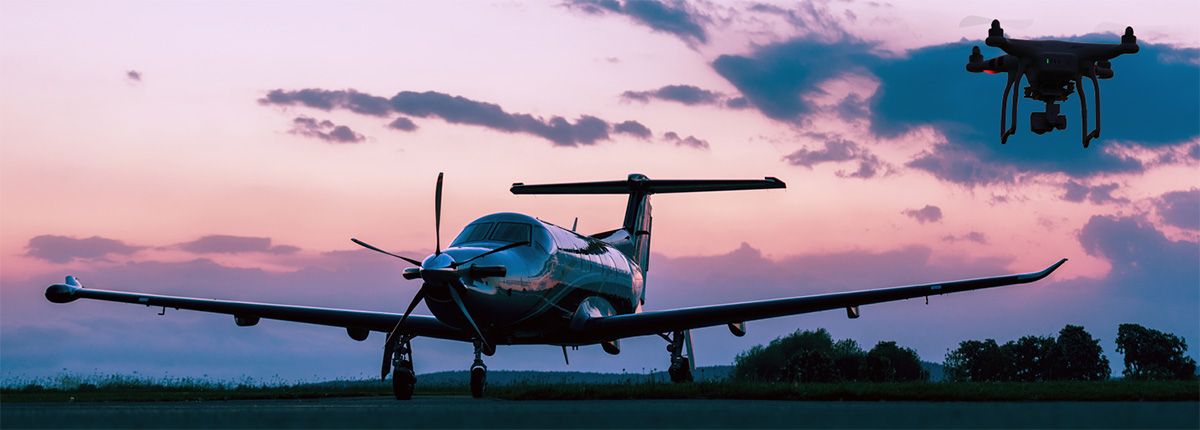
RPIC had been conducting flights over the non-movement areas of ZZZ [airport] for approximately 1 week without concern or incidents and under the direction and authorization of the ATCT (Air Traffic Control Tower). The sUAS was being used to capture photos and video of an airplane that was conducting high speed taxis and takeoff and landings. On the morning of Day 0 the RPIC was located about 500 ft North of Taxiway X and about 200 ft East of the Runway X edge line over the infield. At approximately XA:27 the airplane took the runway to conduct a high-speed taxi.
The RPIC heard the taxi clearance given via VHF radio and observed the airplane take Runway X. The [RPIC] then immediately launched the drone, ascended to 69 feet AGL and positioned about 75 feet to the south in order to get video of the passing airplane.
After the taxi was complete the RPIC realized that they had not requested clearance from ATCT for "UAS operations" and landed immediately. The sUAS was airborne for 1.5 minutes.
Typically, after the high-speed taxi, the airplane would then taxi to the South end of the runway, make a 180 degree turn and takeoff on Runway Y. The sUAS would stay airborne for the entire sequence.
As the airplane was still enroute to the approach end of Runway Y, the RPIC called the Tower to request permission for "UAS Ops". The controller replied with "negative you'll need to wait 3 more minutes until sunrise". The RPIC decided to discontinue all UAS Operations for the remainder of the day.
Safety: No other air traffic was in the area. Only the one participating airplane. Visual Observer was used.
Contributing factors to the unapproved sUAS flights at a Class D airport: Human Error and environmental.
Human Error: The RPIC was rushed due to changes in the plan the night prior. Small events occurred in the morning at the airport that delayed the RPIC in setting up equipment and pre-flight activities. Being rushed to get video of the plane's taxi and takeoff led the RPIC to inadvertently take off prior to contacting the tower. The prior week's UAS operations were very methodical in regards to timing and sequencing. In the unexpected, expedited timeline of the airplane being photographed on that morning, the RPIC forgot one very important step: call the Tower for clearance.
Environmental: The RPIC believed that it was daylight. It was bright enough to see the sUAS, the airplane and the entire airfield clearly. The video on the remote was also properly exposed. It wasn't until the Tower stated that they needed to wait "another 3 minutes for sunrise" did they realize the sun was not fully "up". This was the earliest that this operation had been conducted all week, which also shows the condensed timeline for prep as stated above.
Corrective Actions: An internal review of operating procedures at airports is being reviewed by the safety group. Additional training is being given to the RPIC and the rest of the team to include: Review of Part 107 requirements/regulations, radio procedures at airports and in controlled airspace, definitions of night / civil twilight operations, etc. Lessons learned are being discussed with management, the RPIC and other team members.
|