|
Upper Clark Fork Working Group
Summer 2021 Newsletter
| The goal of the Upper Clark Fork Working Group (UCFWG) newsletter is to help members learn more about the group, its meetings and activities, and relevant stories and opportunities. Have ideas and stories for upcoming newsletters? Please contact Madison Boone at madison.boone@montana.edu with your newsletter ideas, feedback, and questions. | |
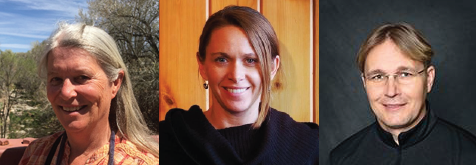
Meet members of the UCFWG and learn more about their roles and work. | |
August Field Workshop and Summer 2021 Topic Discussions
Did you miss a recent UCFWG Topic Discussion? Want to revisit a specific topic or presentation? Find summaries of the most recent Topic Discussions and recording links below!
| Upcoming Events and Opportunities | Learn more about upcoming UCFWG events, workshops, and other opportunities of interest. | |
UCFWG Communications Poll | |
Have you taken the Communications Poll yet?
The UCFWG Communications Team has heard from approximately 10% of our participants. We are interested in receiving feedback on the UCFWG from more of you. Please click through this 5-minute survey and let us know how we can deliver effective content to you.
| | |
|
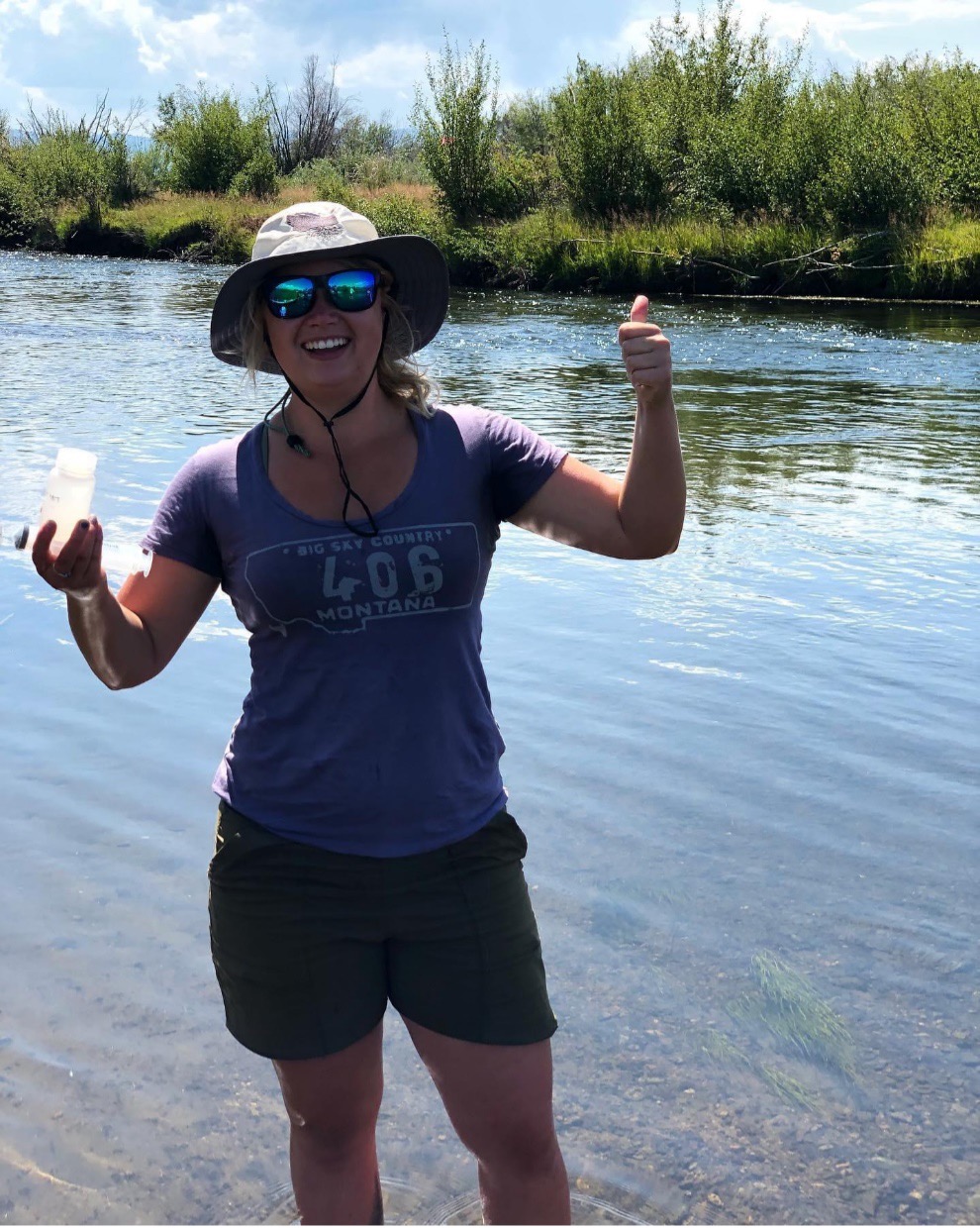
Claire Utzman has been involved in CREWS research efforts for several years and during that time her position has evolved. She started in the Valett Aquatic Ecology Lab as a technician and after two short years began managing the lab. This fall she will begin her master’s degree focusing on aquatic biofilms. Claire is the lead analytical chemist in the Valett lab and oversees running all water samples for ammonium, soluble reactive phosphorus, nitrate, and dissolved organic carbon. She leads the NSF-funded Long Term Research in Environmental Biology (LTREB) monitoring project on the Upper Clark Fork River. She visits 16 sites in the Upper Clark Fork River Basin biweekly to collect water samples and physicochemical measurements. Claire also serves as a data manager for the CREWS and LTREB projects.
| |
|
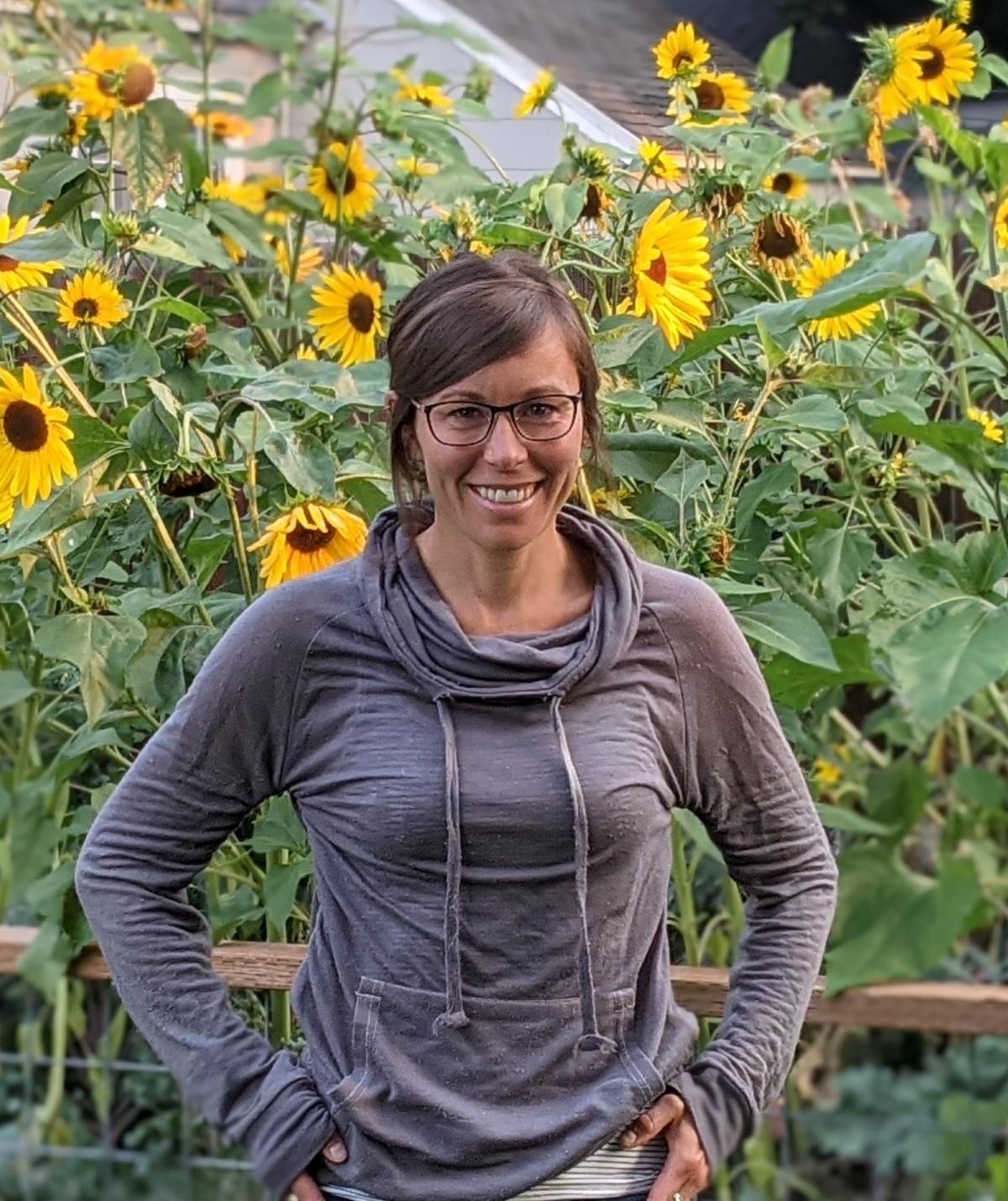
Marisa Sowles is a Water Resource Specialist at Geum Environmental Consulting, Inc. Her interest in natural resources; particularly rivers, floodplains, and wetlands; drives a passion for understanding how natural environments and processes can be restored to address water quality impacts such as metals and nutrients. Marisa has worked on the Upper Clark Fork River for more than 10 years. Most recently, Marisa has supported NRDP’s collaboration with the University of Montana to establish the Upper Clark Fork Working Group and she is excited to see the growing, diverse community of professionals that is helping to improve our understanding of the Clark Fork River ecosystem, history, and plan for its future.
| |
August Field Restoration Workshop | |
|
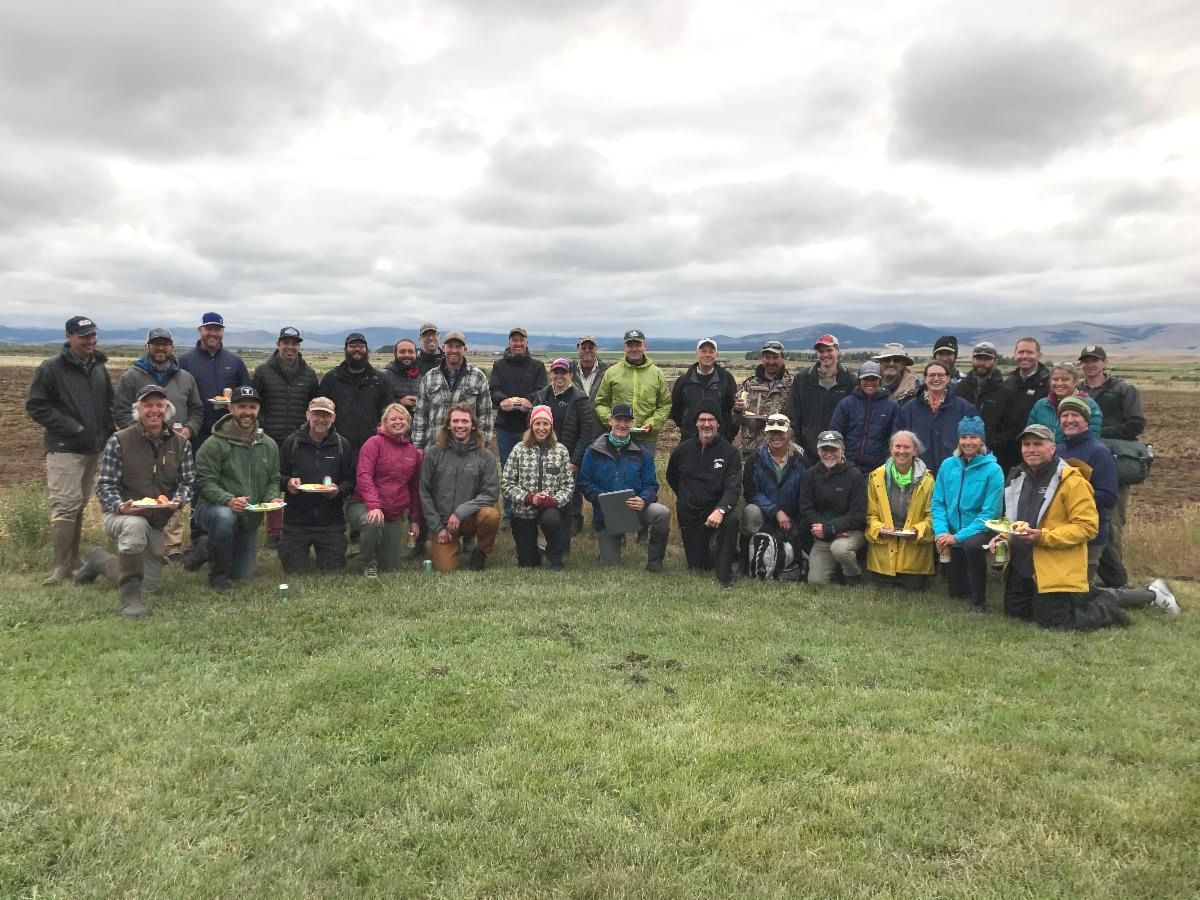
On August 18, approximately 45 Upper Clark Fork Working Group members gathered along the Clark Fork River, split into seven interdisciplinary teams, and observed ecosystem components that are either present or lacking at 14 different locations. Tom Parker from Geum Environmental Consulting, Inc., will lead a follow-up discussion about the workshop at the September 9 UCFWG Topic Discussion, where he will provide a summary of what the teams observed and the questions they identified, show data associated with locations they visited in the field, and discuss questions raised by the group and how they might be pursued relative to the UCFWG's Strategic Plan. More information about the workshop, including notes, will be posted on the UCFWG website soon.
| | |
Summer UCFWG Topic Discussions | | |
June 2021 - "Historic and contemporary assessment of algal blooms in the Upper Clark Fork River" | |
 | |
At the June 10 UCFWG Topic Discussion, Maury Valett, Professor of Systems Ecology at the University of Montana, presented "Historic and contemporary assessment of algal blooms in the Upper Clark Fork River." Restoration and remediation on the UCFR address the issue of nutrient enrichment, which has been important for some time and even drove the first water quality standards for river systems focused on algae. River algae, which are protists, not plants, can be seen as falling under three general categories according to Valett: the good, the bad, and the ugly. The good, also known as diatoms, are nutritious, readily grazed, and promote productivity. The bad, the green algae, have the potential to bloom when nutrients are abundant, while the ugly, cyanobacteria, are almost impossible to graze, introduce new nitrogen (N) from the atmosphere and proliferate when other algae are limited by N because they must rely on forms already available in the system., At the same time, cyanobacteria potentially generating toxins that can be harmful and even deadly at times.
To better understand the development and impact of algal blooms, researchers are investigating which features regulate riverine algal blooms and primary production along the UCFR, and the implications of riverine algal blooms for river food webs and apical predators. Along the UCFR, the Montana NSF EPSCoR CREWS and NSF LTREB projects have established 16 research sites – thirteen on the main river and three sites on significant tributaries. These sites, some of which are also monitored by the Montana Department of Environmental Quality (DEQ), have enabled researchers to get a clearer picture of the character of the UCFR. For example, researchers have recognized that the UCFR as a whole is rich in phosphorus (P). Monitoring along the 16 sites shows clear spatial differences and seasonal changes in its availability.
What does the bloom look like and what impacts its duration and extent? Researchers have 21 years of data for three focal sites on the UCFR that have allowed them to assess average conditions during summer and early fall for those locations. One factor that has been examined is the magnitude of the spring flood reflecting river response to snowmelt. However, floods of magnitude below 50 cfs are associated with a variety of bloom sizes, and across all years and locations, flood size explains only 22% of variation as a single predictor. While there is a role for the magnitude of a flood in relation to bloom size, there is still more work to do to tease apart the year-to-year variation in bloom intensity.
As the bloom progresses, researchers have seen changes in the phases of the algae with a transition from the "bad" (green algae) to the "ugly" (cyanobacteria) over time. This switch also has functional implications. Based on these observations, the researchers have developed a working hypothesis concerning longitudinal and temporal gradients on the UCFR. Longitudinally, the team expects that upstream higher N:P ratios should promote prolonged green-algal abundance while downstream there will be a stronger cyanobacteria presence due to N going away while P remains rich. Temporally, researchers expect to see longer durations of the green filamentous phase upstream that may eventually transition into a cyanobacteria dominant phase, while downstream, they propose a more rapid change from green algae to cyanobacteria. Researchers have also looked at biological influences on the size, duration, and composition of the bloom. Faculty and students from UM and MSU are investigating the role of diatoms and macroinvertebrates, potential algal grazers, as controls over algal blooms, though there is still more work to be done in this area too.
Maury concluded his presentation by summarizing the problem of algal blooms in the UCFR and what researchers understand about them at this moment. Nitrogen appears to limit algal growth in late summer, blooms progress from green algae to cyanobacteria, and nutrients promote the growth of algal blooms, with the relative abundance of nutrients influencing the timing and composition of t bloom. Ultimately, interactions between these nutrients and metals are a key area of future research efforts that can help inform management decisions on the UCFR.
| | |
July 2021 - "Upper Clark Fork River Floodplain: Geomorphology, Ecology, Restoration and Adaptive Management" | |
|
At the July 8 UCFWG Topic Discussion, presenters Karin Boyd (Applied Geomorphology), Amy Sacry (Geum Environmental Consulting), and Robert Pal (MTU) spoke about the "Upper Clark Fork River Floodplain – Geomorphology, Ecology, Restoration and Adaptive Management."
Karin Boyd began the presentation by setting the geomorphic context for the UCFR floodplain. There is historical evidence that in some parts the UCFR was a typical beaver-mediated, multi-thread system. However, starting in the 1850s and coinciding with beaver eradication in the West, the UCFR began to transition from a swampy, beaver-mediated system to a concentration of flows in a single thread. Agriculture was also a contributing factor to this onset, and by 1868 the UCFR had become a single thread. In 1908, the arrival of tailings obliterated the original topography of the area, and aggradation on the floodplain caused channel entrenchment, creating high banks along the UCFR.
Karin shared that one of the biggest questions is whether the UCFR will "heal" itself geomorphically. Along the UCFR, restoration and remediation teams want to achieve high amounts of tailings' recruitment, channel migration, and inset floodplain bench construction, but the river is stuck in its 2000 geomorphic state with low sediment input. Part of this is due to areas like the Warm Springs Ponds, Mill Willow Bypass, and Silver Bow Creek capturing sediment support that could facilitate healing of the river below. Another reason is that much of the primary source of material, boulder batholith, doesn't make it into the system anymore. Karin shared that one way to move forward on restoration goals (and "unsticking" the current state of the UCFR) is to excavate the floodplain and reconnect the system to a floodplain with a robust riparian corridor, making it hydrologically connected. She finished by showing examples from previous restoration efforts and how the various completed phases have performed.
Amy Sacry spoke next about the UCFR's floodplain ecology and restoration, focusing on floodplain vegetation. One of the main drivers of ecological function in floodplains is hydrological conductivity, both above and below ground and in a lateral and longitudinal context. Another important driver of ecological function is heterogeneity. The more heterogeneous a floodplain, the more environmental gradients and habitat availability it supports. Vegetation dynamics in floodplains are driven primarily by hydrologic disturbance, and the rate and direction of vegetation succession are driven by the magnitude, frequency, and duration of the next series of disturbance events. As areas become less subject to disturbance, plant community succession continues to later stages and starts to have a greater influence on site conditions and habitat formation.
Amy shared that losing connectivity is the most substantial impact on UCFR floodplain recovery. Outside of the functional floodplain, the accumulated tailings area shows uniform topography, older age classes of vegetation, and a dry understory often dominated by non-native species. Floodplain alterations have also reduced the cover of key riparian species like black cottonwood, limiting some river and floodplain functions. Restoration and remediation activities have applied a basic successional model to the floodplain. This application is aimed at creating a broader range of conditions in the hope that natural flood dynamics will trigger and expand vegetation recovery. Specific restoration and remediation actions on the UCFR include the removal of tailings, reconstruction of a new floodplain at lower elevation (allowing for a more natural range of connectivity), reconstruction of stream banks, construction of diverse geomorphic features, and application of vegetation treatments.
The post-restoration trajectories of the UCFR also depend on many factors, and understanding what realistic expectations, outcomes, and targets are for the process is essential. One way to determine post-restoration trajectories and targets is by evaluating how a site has responded to what has already been done. For example, constructed point bars on the UCFR have become areas of high diversity and bank treatments designed to be deformable over time have been variable since their application. Amy also noted that because they are building new floodplain by excavating and importing soil, rather than through processes like accretion, this could impact post-restoration trajectories that will take many years to fully understand. However, maximizing floodplain connectivity and diversity and mimicking the vegetation recruitment process can help speed up recovery time.
Robert Pal ended the presentation by speaking about the streambank, floodplain, and riparian monitoring that has followed remediation and restoration actions on the UCFR. Currently, two teams from MTU are working on different aspects of monitoring in the restoration area of the UCFR.
| | |
|
Upcoming Topic Discussion Meetings
Topic Discussions are regular meetings that occur on the second Thursday of each month and feature a speaker or set of speakers presenting on a topic related to the UCFR.
-
September 9 - Restoration Field Workshop Recap
-
October 14 - TBD
-
November 11 - TBD
Zoom link for all meetings:
https://umontana.zoom.us/j/97494359807
| | |
|
Have a Workshop Idea?
Please take the UCFWG Communication Poll and let us know what you are interested in. We would love to hear from you.
UCFWG Communication Poll
Have an Event you want Advertised to the UCFWG Community?
Send an email to either Madison Boone, madison.boone@montana.edu, or Andrew Hauer, andrew.hauer@umontana.edu, and we will work with you to post your event on our website, newsletter, and send emails to our community.
| | |
|
NSF Support Acknowledgement
This material is based upon work supported by the National Science Foundation under Grant No. OIA- 1757351. Any opinions, findings and conclusions or recommendations expressed in this material are those of the author(s) and do not necessarily reflect the views of the National Science Foundation.
| | | | |