|
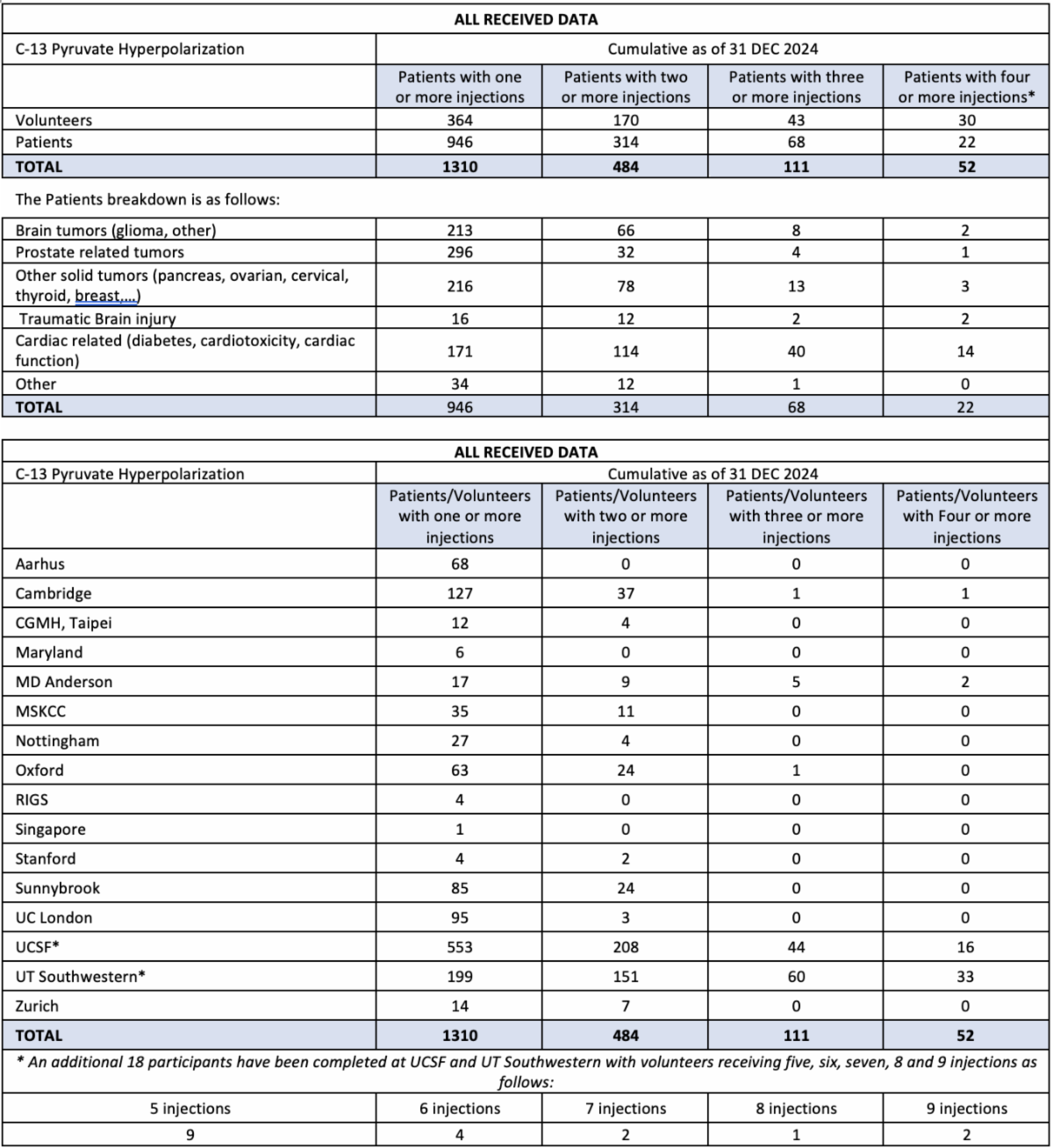
In the table below, many of the C-13 Pyruvate studies were done with multiple injections with nearly 40% of subjects receiving at least a second dose, thus allowing test/retest, MR technique comparisons, different locations, or follow up of responses to therapy. This also attests to the high safety profile of the formulation, composed of 250 mM pyruvate with a 3-5 uM EPA limit, typically delivered at a rate of 0.43 mL/kg body weight.
Consistent with last years data, only self-reported mild side effects associated with the injection and no moderate or severe adverse events even after multiple administrations to the same subject were reported.
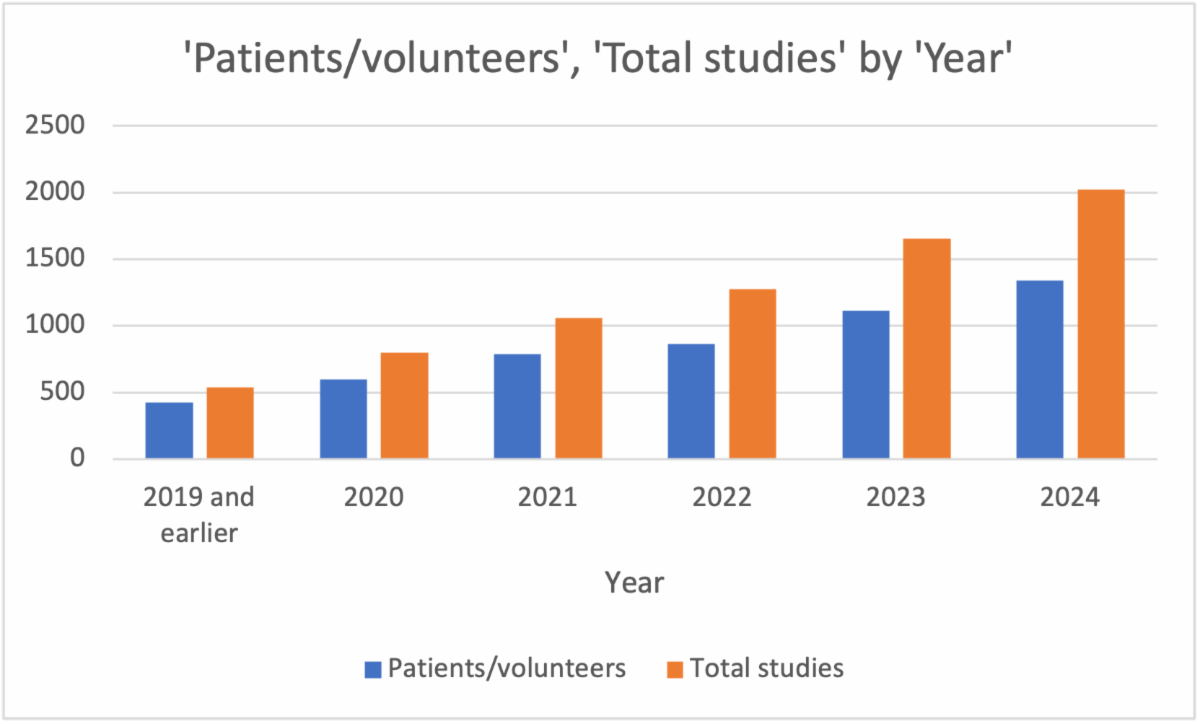
On average, three out of 10 studies involved volunteers at the first and second injections; further repeat injections favor volunteers. Amongst the applications evaluated, these have remained focused on cancer patients, with prostate, brain and other solid tumors, but cardiology (with about 20% of all studies) continued to sustain high interest both in the evaluation of drug cardiotoxicity or diabetes and cardiac functions.
Exciting clinical results from co-injecting hyperpolarized [1-13C]Pyruvate and [13C,15N2]urea and from additional probes were presented at the workshop, requiring new SOP's and optimizations to the production process and facilitated by the MPQC multi-probe quality control unit allowing release of the HP drug product in a matter of seconds!!
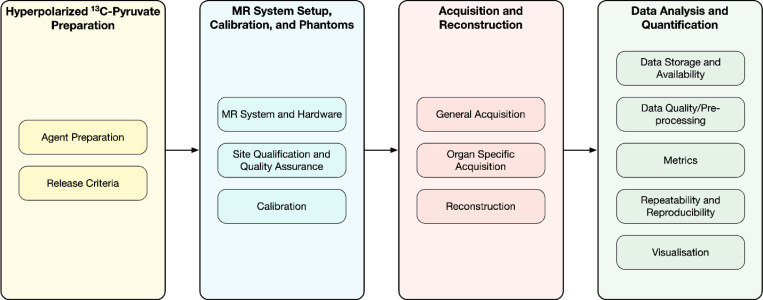
Over 110 publications describing the results and clinical implications of hyperpolarized C-13 Pyruvate were authored and released to date. The review publication of Peder Larson et al in Magnetic Resonance in Medicine titled “Current methods for hyperpolarized [1-13C]pyruvate MRI human studies” provided a consensus view and is heavily consulted. The new manuscript titled “Consensus Recommendations for Hyperpolarized [1‐13C]pyruvate MRI Multi-center Human Studies” has been provisionally accepted for publication.
|