ADAPTATION FINANCE BULLETIN |
UNFCCC Adaptation Committee | | Spotlight on COP 30 adaptation finance-related outcomes | | |
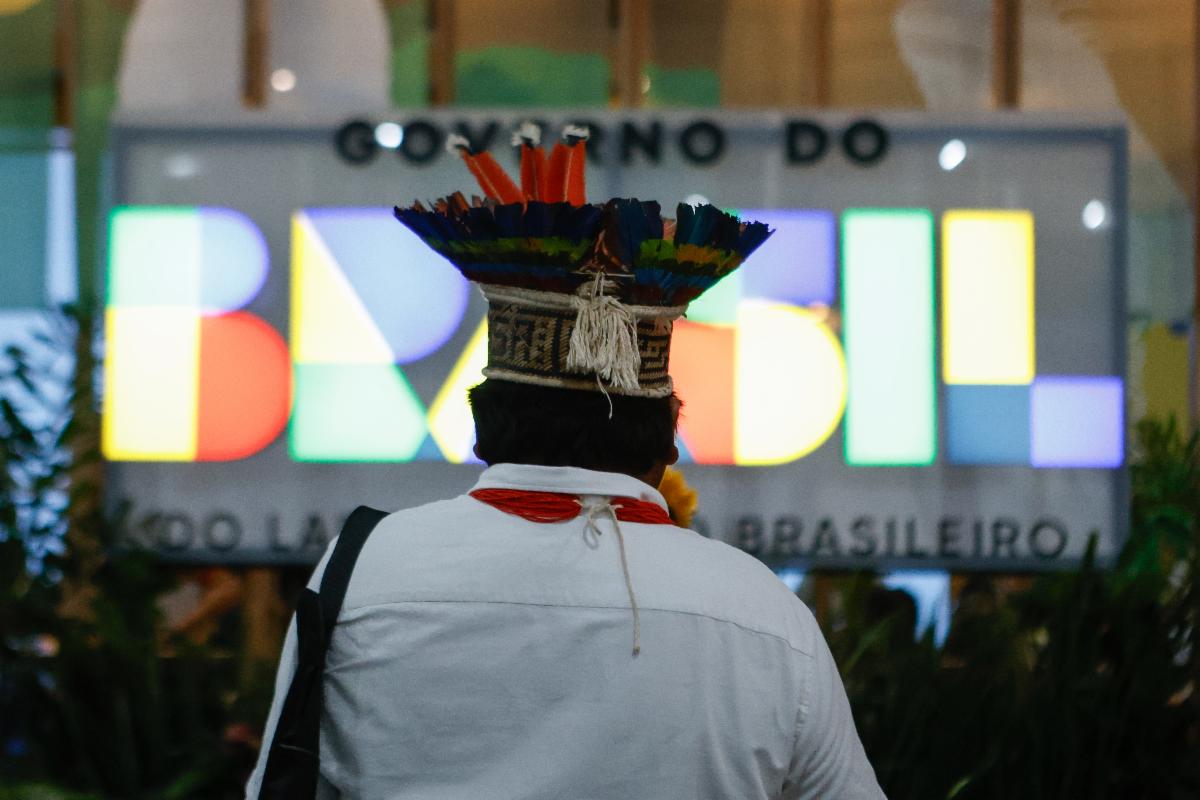
The 2025 UN Climate Change Conference in Belém reaffirmed the global commitment set out in decision 1/CMA.6 of scaling up climate financing to developing country Parties.
At the thirtieth session of the Conference of the Parties to the UNFCCC (COP 30), the twentieth session of the Conference of the Parties serving as the meeting of the Parties to the Kyoto Protocol (CMP 20), and the seventh session of the Conference of the Parties serving as the meeting of the Parties to the Paris Agreement (CMA 7), Parties adopted a wide range of decisions relevant to adaptation finance as follows below:
Global Mutirão:
In its decision 1/CMA.7, the CMA reaffirmed the call to scale up financing for developing country Parties for climate action to at least USD 1.3 trillion per year by 2035 and recalled its decision to pursue efforts to at least triple annual outflows from the operating entities of the Financial Mechanism, the Adaptation Fund, the Least Developed Countries Fund and the Special Climate Change Fund from the 2022 level by 2030. It further called for efforts to at least triple adaptation finance by 2035 in the context of decision 1/CMA.6, including paragraph 16 thereof. It also decided to convene a high-level ministerial round table to reflect on the implementation of the new collective quantified goal on climate finance, and established a two-year work programme on climate finance, including on Article 9, paragraph 1, of the Paris Agreement.
Matters relating to the Adaptation Fund:
The CMP (decision 1/CMP.20) and the CMA (decision 9/CMA.7) welcomed the 2025 annual report of the Adaptation Fund Board (AFB), as well as its ongoing work on direct access. The CMP and the CMA also welcomed the AFB decisions to increase the country cap from USD 20 million to USD 40 million, the maximum single-country project and programme size from USD 10 million to USD 25 million, and the maximum regional (multi-country) project and programme size from USD 14 million to USD 30 million.
The CMA (decision 9/CMA.7) further requested the AFB to complete, as a matter of priority, its consideration of arrangements for the Fund’s transition to exclusively serving the Paris Agreement, and invited the AFB to report to CMA 8 on the Fund’s efforts in contributing towards the global goal on adaptation and the implementation of national adaptation plans and adaptation components of nationally determined contributions.
Guidance to the Green Climate Fund:
The COP (decision 2/CP.30) urged the Board of the Green Climate Fund (GCF) to further enhance the efficient and timely delivery of resources by simplifying access modalities to reduce procedural burdens and ensure more timely, effective and balanced access to resources for developing country Parties.
The CMA (decision 6/CMA.7) encouraged the GCF Board to continue supporting country-driven adaptation action, including in the context of the global goal on adaptation.
Guidance to the Global Environment Facility:
The COP (decision 3/CP.30) requested the Global Environment Facility (GEF) to further simplify and operationalize the preparation, review and approval processes to enhance predictability, reduce delays and provide more responsive support to developing country Parties. It encouraged the GEF, in its consideration of partnerships, to build national and local capacity, so that projects are not only designed but also implemented and managed locally.
The CMA (decision 7/CMA.7) invited the GEF to explore how it could support developing country Parties in their efforts towards achieving the global goal on adaptation, and requested strengthened support for capacity-building and institutional arrangements to effectively implement the enhanced transparency framework under the Paris Agreement.
Guidance to the Fund for responding to Loss and Damage:
The COP (decision 4/CP.30) and the CMA (decision 8/CMA.7) welcomed the establishment of the Barbados Implementation Modalities, comprising a first set of grant-based interventions for 2025 and 2026 and supporting bottom-up, country-led and country-owned approaches for responding to loss and damage, and also welcomed the 2026 workplan of the Fund.
Global goal on adaptation:
In its decision 12/CMA.7, the CMA invited the Global Environment Facility, the Green Climate Fund and the Adaptation Fund to support developing countries in implementing the United Arab Emirates Framework for Global Climate Resilience through or as part of their existing processes and modalities.
Other related decisions taken at the Conference include:
-
Matters relating to the Standing Committee on Finance (COP (decision 1/CP.30), CMA (decision 5/CMA.7))
-
Matters related to the global stocktake (decision 3/CMA.7)
-
Sharm el-Sheikh dialogue on the scope of Article 2, paragraph 1(c), of the Paris Agreement and its complementarity with Article 9 of the Paris Agreement (decision 11/CMA.7)
-
Compilation and synthesis of, and summary report on the in‑session workshop on, biennial communications of information related to Article 9, paragraph 5, of the Paris Agreement (COP (decision 5/CP.30), CMA (decision 10/CMA.7))
-
Further guidance for the mechanism established by Article 6, paragraph 4, of the Paris Agreement (decision 20/CMA.7)
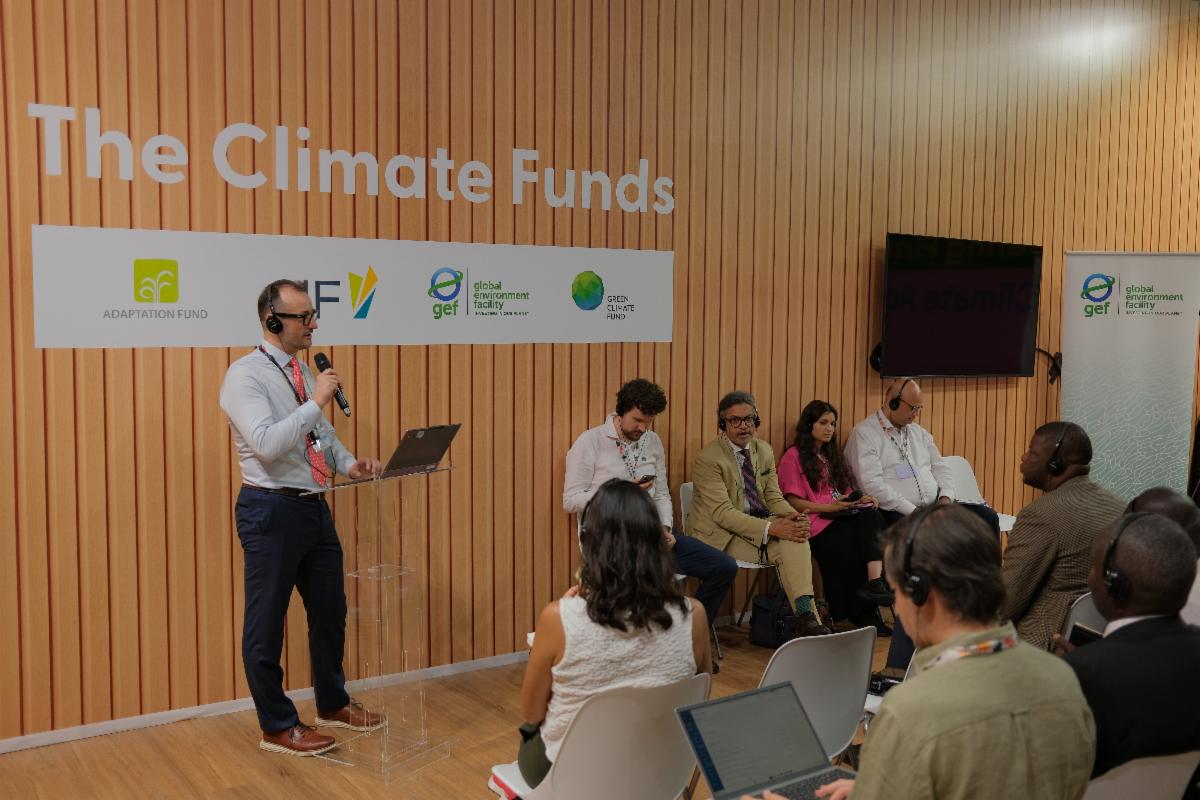
| | Updates from the multilateral climate funds at COP 30 | | Photo credit: Green Climate Fund | | The multilateral climate funds – the Adaptation Fund (AF), the Climate Investment Funds (CIF), the Global Environment Facility (GEF) and the Green Climate Fund (GCF) – co-hosted the Climate Funds Pavilion at COP 30, featuring joint launches and technical sessions on scaling adaptation finance, stakeholder engagement and local climate action. These included: | |
Launch of the Multilateral Climate Funds Joint Results Report
At a special event held on 18 November 2025, the AF, the CIF, the GEF and the GCF launched their inaugural joint results report, showcasing their collective impact across four key areas: mitigation, adaptation, energy and technology, and nature.
For more information, see the joint press release.
|
Scaling Adaptation Finance: The role of the Climate Funds
At their joint event on 11 November 2025, the AF, the CIF, the GEF and the GCF discussed how multilateral climate funds were scaling finance for resilience, expanding access, mobilizing new capital, and coordinating efforts to amplify impact.
|
Programmatic approaches on country platforms: Learning from and building capacity for locally-led evaluations
On 13 November 2025, the AF, the CIF, the GEF and the GCF held a joint session reflecting on how they were harmonizing monitoring, evaluation and learning systems to strengthen country ownership, and how collaborative, programmatic approaches through country platforms could generate evidence and lessons that support national priorities and country-led climate action.
| | News from the Adaptation Fund | | Photo credit: Adaptation Fund | | Adaptation Fund mobilizes USD 135 million in new pledges | | Approximately USD 135 million equivalent in new pledges to the Adaptation Fund were announced at COP 30. The contributing States included Germany, Spain, Sweden, Ireland, Luxembourg, Switzerland, Belgium (the Walloon Region), Portugal, Republic of Korea and Iceland. | New guidance on mobilizing adaptation finance | In November 2025, the Asian Development Bank, the Commonwealth Secretariat, the Adaptation Fund and the NDC Partnership Support Unit launched new guidance to help countries identify, prioritize and mobilize finance for climate adaptation. The new "Adaptation Financing Supplement" to the Climate Investment Planning and Mobilization Framework online tool guides countries in developing investment plans supported by financing strategies, institutional mechanisms and bankable projects. | |
Outcomes of the 45th AFB meeting
In October 2025, at its 45th meeting, the Adaptation Fund Board (AFB) approved over USD 125 million across 18 new adaptation projects in the most vulnerable countries, strengthening its global adaptation portfolio. It also endorsed another 18 project concepts and pre-concepts, and approved USD 1.3 million in project formulation grants to help implementing partners further develop these proposals.
In addition, the Board approved a revised Strategic Results Framework to further strengthen the Fund's monitoring and evaluation systems, and gave the go-ahead for the Secretariat to develop an option for a new, more streamlined reaccreditation process aimed at enhancing the efficiency and transparency of the Fund's accreditation programs.
| | News from the Global Environment Facility | | |
GEF approves USD 372 million in funding
In December 2025, the Global Environment Facility (GEF) approved more than USD 372 million to implement 36 programs and projects across 59 countries, primarily benefitting small islands developing States and the least developed countries. These investments will support the protection and management of critical ecosystems, mitigation of greenhouse gas emissions, and empowerment of civil society and Indigenous Peoples to deliver sustainable and inclusive environmental solutions.
| |
Outcomes of the 39th LDCF/SCCF Council Meeting
At its 39th meeting, held from 17 to 18 December 2025, the Least Developed Countries Fund (LDCF) and the Special Climate Change Fund (SCCF) Council approved new funding worth USD 49 million from the LDCF and USD 3 million from the SCCF. The funded projects will continue to build resilience in highly vulnerable least developed countries and small island developing States through ecosystem restoration, inclusive governance and community empowerment.
At the same meeting, contributors, including Belgium, Germany, Ireland and Sweden, announced new pledges totalling nearly USD 39 million in additional support for the funds, reflecting continued donor confidence in the GEF’s adaptation financing.
| | News from the Green Climate Fund |
Accreditation framework: First accreditation window for 2026 open
| |
Since January 2026, the Green Climate Fund's (GCF) first accreditation application window has been open under its new accreditation framework, adopted in 2025. The window will last until the end of March 2026.
The accreditation process follows the pre-screening step, and operates on two cycles each year. Each cycle includes a two-month application window and a nine-month review period. The second window will open in July 2026.
| GCF supports fifteen new country and regional platforms | At COP 30, the GCF showcased support for fifteen new country and regional platforms. These platforms will be supported through the GCF’s Readiness Programme and are a coordinated effort to support countries in leading the planning, financing, and delivery of their own climate action. The platforms will help governments turn national priorities into investable pipelines, deploy finance more effectively, and speed up the implementation of projects and policies. | GCF marks a decade of its programming and operations | |
On 10 November 2025, the GCF hosted an event commemorating 10 years of its programming and operations. Since 2015, the GCF portfolio has grown from USD 145.8 million to USD 19.3 billion, with more than 300 projects in over 130 countries. GCF partners and stakeholders reflected on the scale and reach of GCF's finance in pursuit of its three main goals of delivering capital at scale, strengthening national institutions, and partnering for greater climate impact.
The event also launched the GCF.10 Impact Report that comprises case studies and results from the GCF projects.
| |
The GCF Board approved USD 1.332 billion for 22 projects in 38 countries at its 43rd meeting in October 2025. Of these, 13 projects focus on adaptation and 7 projects are cross-cutting. This is a record volume approved at a GCF Board meeting and is part of the highest volume approved during a single year amounting to USD 3.26 billion in 2025.
The GCF Board also approved five new accredited entities, all of which are national and regional entities, and discussed further details of its planned regional presence, including the establishment of GCF regional offices.
| News from the Fund for responding to Loss and Damage | Barbados Implementation Modalities: First call for funding requests | |
At COP 30, the Fund for responding to Loss and Damage (FRLD) launched its first call for funding requests under the Barbados Implementation Modalities, a framework of grant-based interventions for 2025 and 2026 to support developing countries’ response efforts to climate-induced loss and damage.
Application materials and guidance for this call are available here. The submission deadline is 15 June 2026.
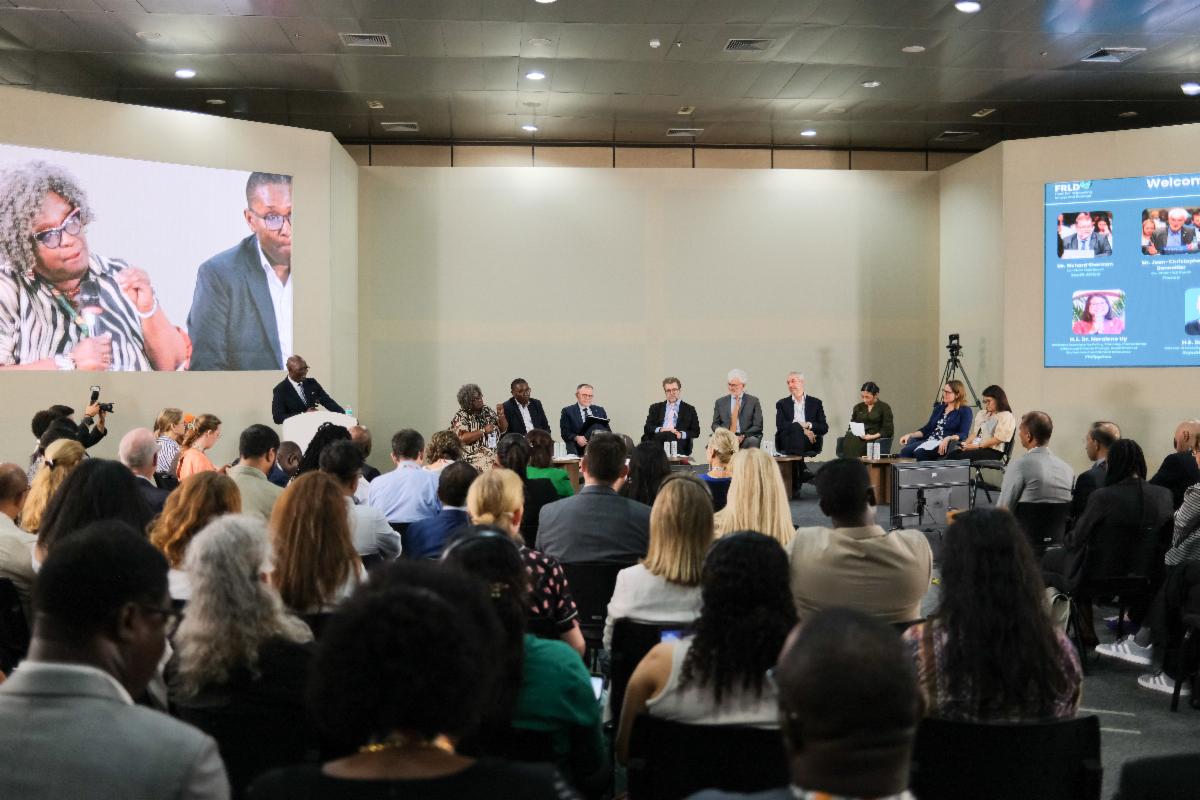
| | FRLD Board holds its 7th meeting | | The FRLD Board held its 7th meeting from 7 to 9 October 2025 in Manila, Philippines. The Board adopted the funding cycle, funding criteria, and access modalities for the Barbados Implementation Modalities, and agreed that the first replenishment process will start in 2027, outlining steps towards its long-term resource mobilization strategy. | | News from the Adaptation Committee | |
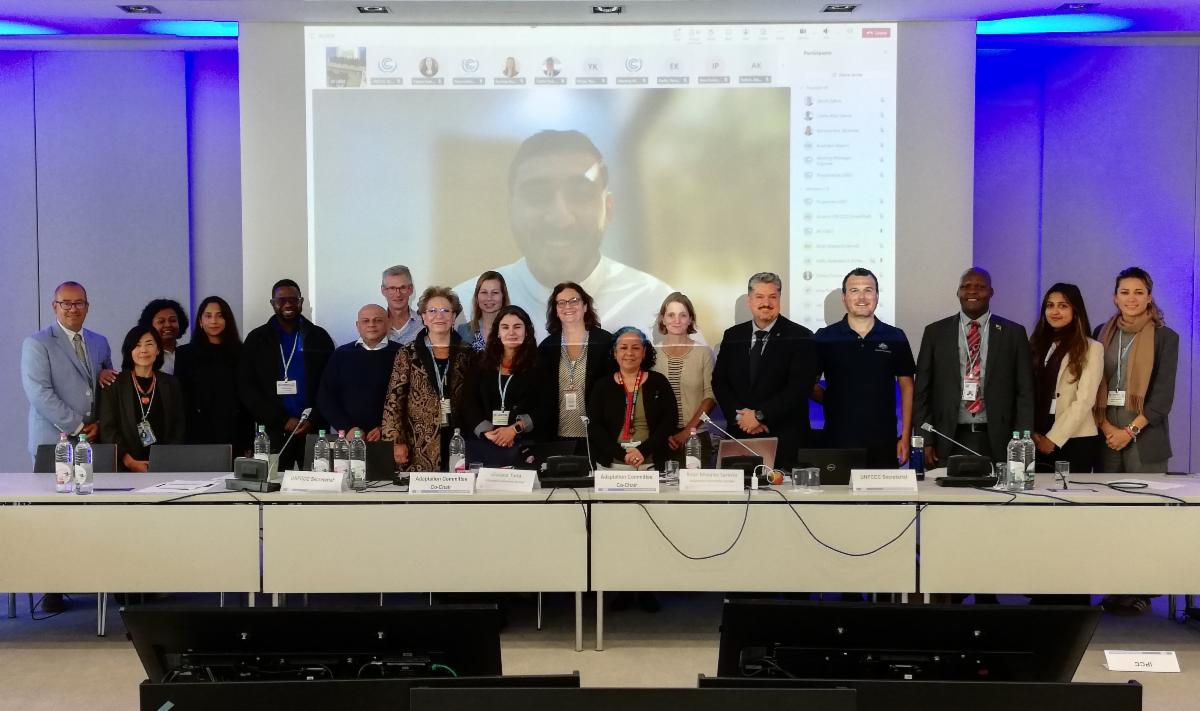
At its 28th meeting in September 2025, the Adaptation Committee (AC) celebrated the completion of its interactive portal on the state of adaptation action by Parties, now showcasing validated country profiles of all 198 Parties to the UNFCCC. The portal serves as a central point for accessing information on adaptation action as reported by Parties in their national reports and communications and includes information on action related to adaptation finance. The portal will be regularly updated and serve as a basis for several mandated and planned synthesis reports on global adaptation progress.
The AC also advanced planning for its 2026 thematic dialogue which will focus on opportunities for accessing adaptation finance from the operating entities of the Financial Mechanism and the Adaptation Fund.
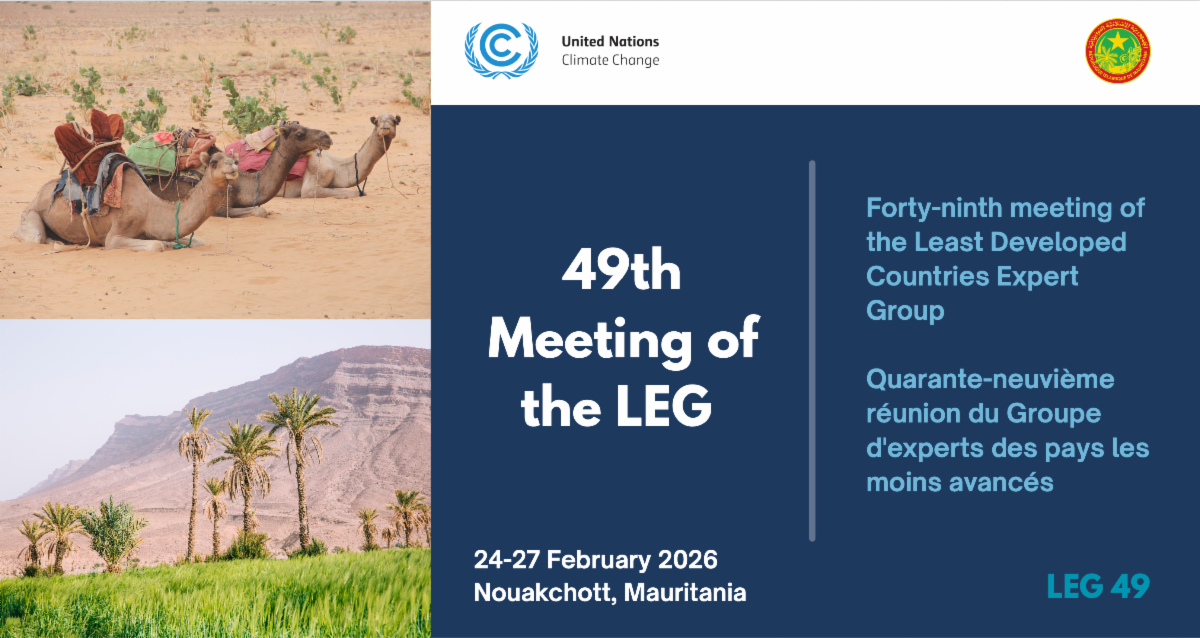
| | News from the Least Developed Countries Expert Group | | The Least Developed Countries Expert Group (LEG) held its 49th meeting from 24 to 27 February 2026 in Nouakchott, Mauritania. The agenda of the meeting included the development of the LEG rolling work programme for 2026–2027, and discussions with relevant organizations regarding support to the least developed countries. | Following the launch of the updated technical guidelines for the process to formulate and implement national adaptation plans (NAPs) by the LEG at the 2025 NAP Expo, the LEG organized a series of webinars in October 2025 to support Parties and other relevant actors in understanding and applying the updated guidelines. These included webinars on introducing the updated NAP technical guidelines, financing and implementation and monitoring, evaluation and learning. | The 2025 NAP progress report was published in October 2025, taking stock of global and country-level progress in formulating and implementing NAPs, covering the period from November 2024 to September 2025. The report includes dedicated sections on the support provided and received, and underscores that finance remains a constraint for countries to advance NAP formulation and implementation, pointing to the need for a decisive shift in adaptation finance to make funding more accessible, timely and transformative. | | News from the Standing Committee on Finance | | |
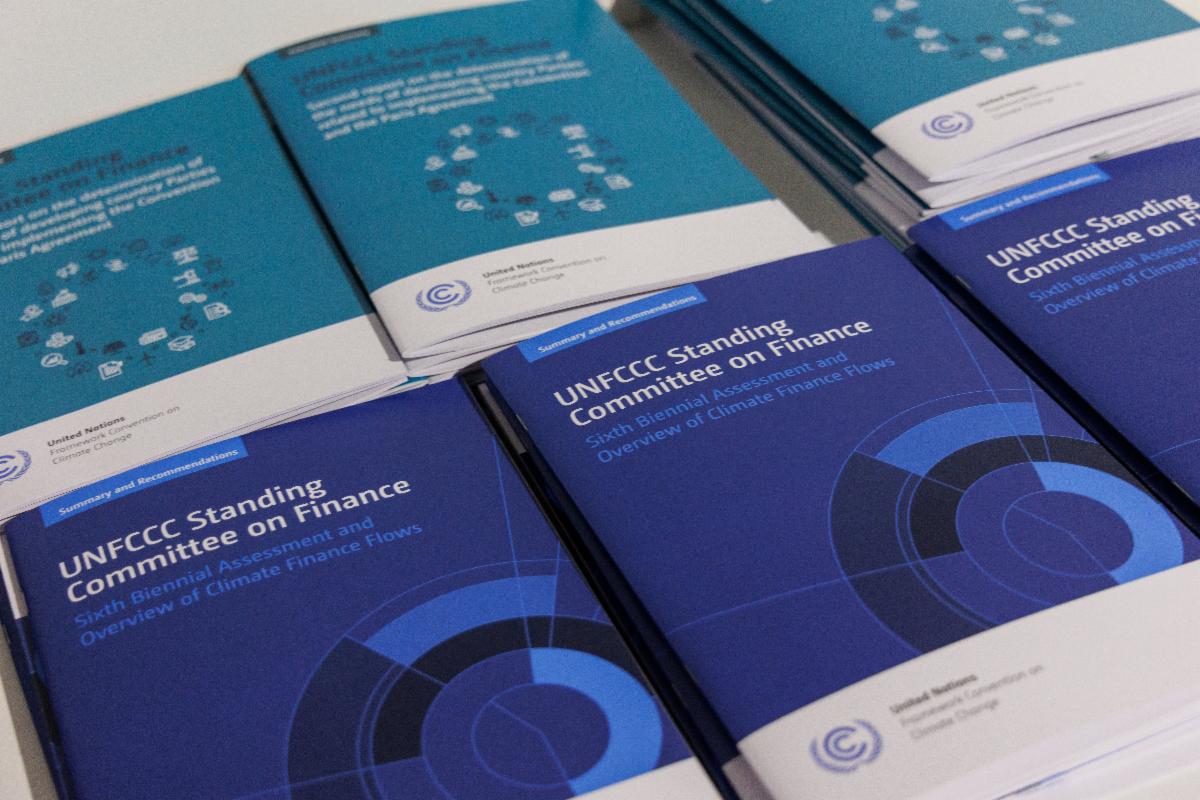
The Standing Committee on Finance (SCF) held its 39th meeting from 11 to 12 February 2026 in Bonn, Germany. Agenda items included mandates from COP 30 and CMA 7, the updated SCF workplan, the seventh Biennial Assessment and Overview of Climate Finance Flows, and the third USD 100 billion progress report.
A compilation of SCF 39 outcomes is available here.
| |
News from the Executive Committee of the Warsaw International Mechanism for Loss and Damage associated with Climate Change Impacts
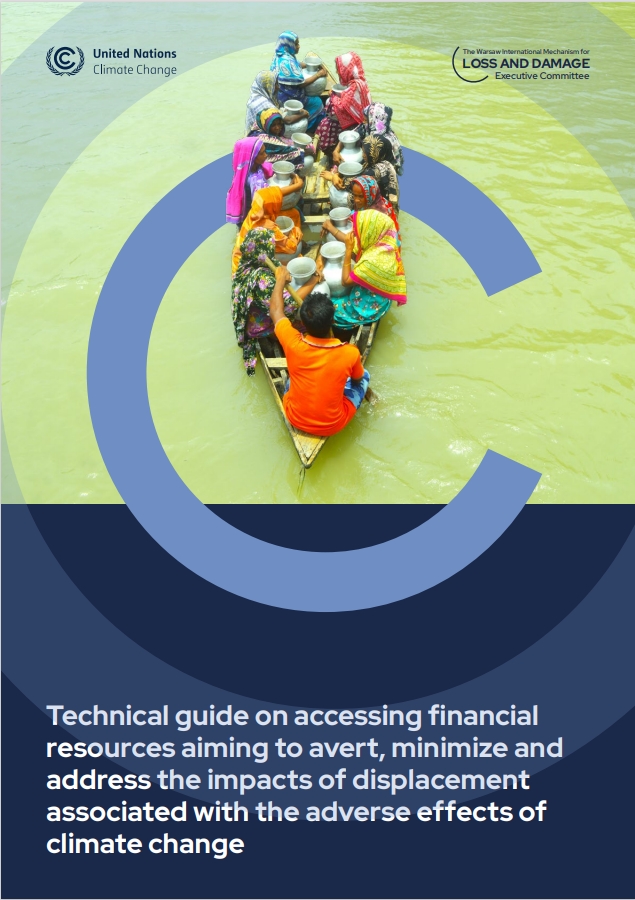
| | The Executive Committee of the Warsaw International Mechanism for Loss and Damage associated with Climate Change Impacts published a technical guide to support Parties and stakeholders in accessing finance to avert, minimize and address displacement linked to climate change. The technical guide provides analytical tools and a structured process for identifying human‑mobility risks, prioritizing responses and connecting them with suitable funding instruments and sources across the risk management cycle – adaptation, preparedness, response, recovery and durable solutions. | | | | |