|
|
University of New Mexico
METALS
Superfund Center
Metals Exposure and Toxicity Assessment on Tribal Lands in the Southwest
| |
|
Welcome to our December 2024 Newsletter! | |
|
METALS Project Spotlight
Bio Project Gut
Mechanisms of Modulation of Gut Immunity by Ingested Uranium and Mixed Metal Exposures
Co-leads: Drs. Eliseo Castillo and Julie In
Ingestion is a major route of uranium and mixed metal exposures, but how do these metal exposures affect the gut? Gastrointestinal distress is known to have widespread effects in the peripheral organs of the body, thus the famous saying, “You are what you eat.”
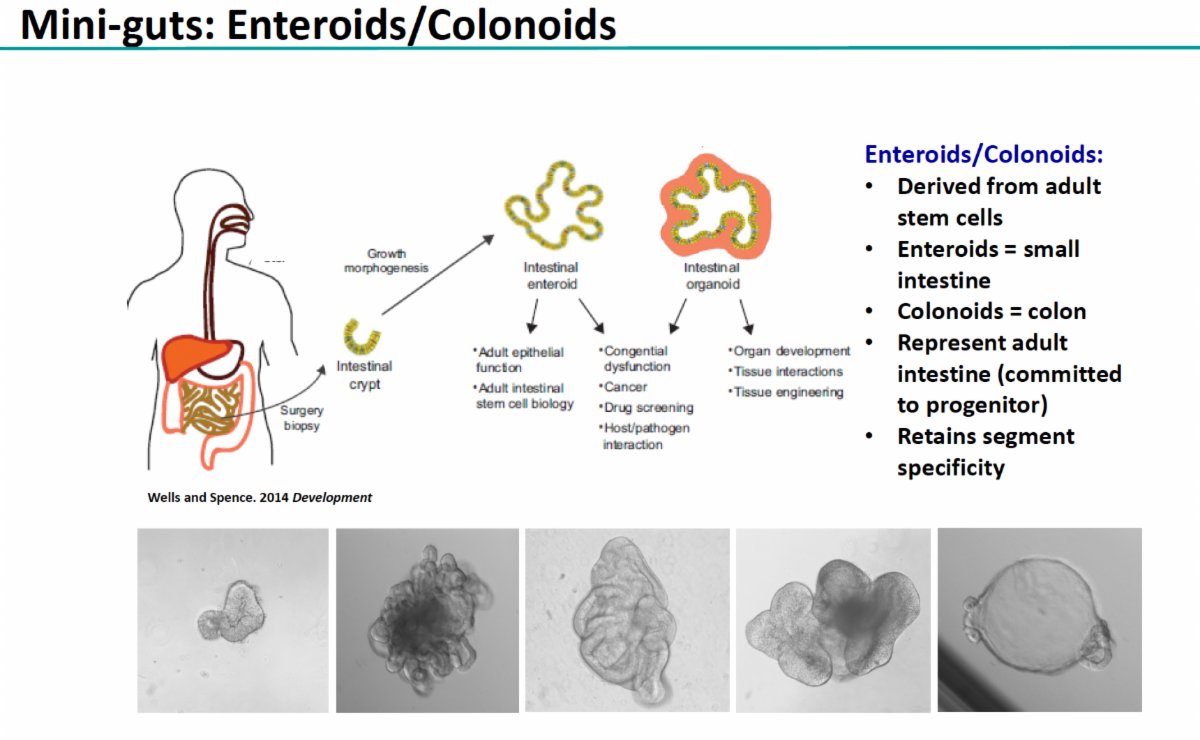
We’ve begun to address this important question using a novel model of the gut – human colonic organoids, also known as colonoids. 3-dimensional cultures (organoids) that mimic gut function and contain all the cell types found in the gut epithelia. The resulting organoid also contains memory of their donor – all genotypes and phenotypes from the donor’s gut will exist in culture (Fig. 1).
Using colonoids, we exposed them to uranium-bearing particulate dust from the Village of Paguate on the Pueblo of Laguna . After an overnight exposure, the colonoids were processed for single cell RNA sequencing. This method allows us to identify and quantify every type of cell that exists in our colonoids. This single cell analysis has opened up many avenues of research and provided us with a greater understanding of how the gut epithelia is reacting to uranium-bearing particulate dust exposure.
Our recent article, “Single cell analysis of human colonoids exposed to uranium-bearing dust” focused on the changes occurring to the colonic enteroendocrine cells (EECs). These cells are the major hormone-producing cells of the gut and produce up to 95% of our body’s serotonin. Changes to EECs can have far-reaching benefits and consequences to our overall health. Colonoids exposed to uranium-bearing particulate dust exhibited a large increase in the total EEC population, with an increase in the gut hormones: serotonin, peptide tyrosine tyrosine (PYY), cholecystokinin (CCK), glucagon (GCG), and gastric inhibitory peptide (GIP). This highlights the importance of understanding acute and chronic exposure to uranium-bearing particulate dust. The far-reaching effects of these changes continue to be studied by our labs.
This study was led by former METALS trainee, Dr. Roger Atanga, and current METALS trainees Myranda Thompson and Dr. Siem Goitom.
| |
METALS Researchers' Spotlight | |
|
Director of the UNM METALS Superfund Research Program Center, Dr. Jose Cerrato, was recently appointed as Vice President of the Association of Environmental Engineering and Science Professors (AEESP):
https://aeesp.org/about/officers-board
| |
|
|
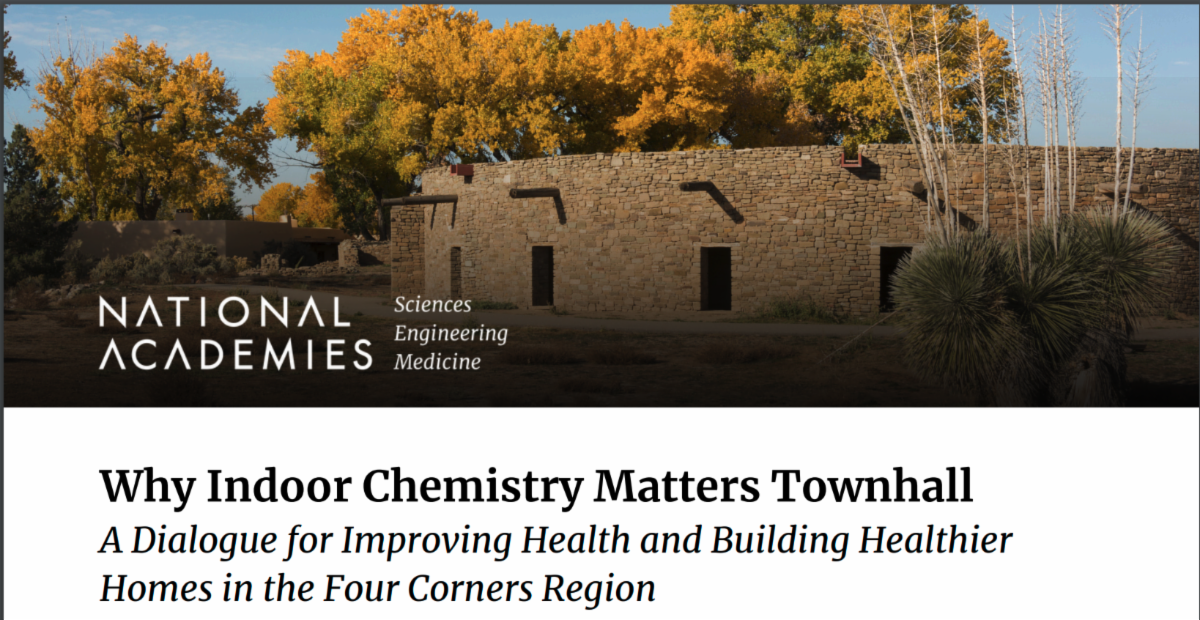
Why Indoor Chemistry Matters Townhall
METALS researchers worked with the National Academies of Sciences to organize a hybrid townhall which was held on Nov 14 with at San Juan College in Farminton, NM. Johnnye Lewis, Jose Cerrato, Debra MacKenzie, and Mallery Quetawki presented at the meeting. Discussion topics included improving health, creating healthy homes, and understanding exposures in water, land, and air in the Four Corners region. The workshop also included resources for communities and an interactive discussion on solutions.
| |
|
Chris Shuey recently presented his talk titled "Overview of Public Health Concerns of Abandoned Uranium Mines: From Miners to Community Members Living Near Waste Sites" at the APHA annual meeting held at Minneapolis from October 27th to October 30th.
| |
|
Dr. Laurie Hudson presented on the Thinking Zinc Clinical trial as part of a symposium on Intervention studies for metal exposure reduction and mitigation at the International Society of Environmental Epidemiology's 36th Annual conference in Santiago, Chile on August 28, 2024.
| |
|
METALS trainees presented the following work at the Mountain West Regional Chapter of the Society of Toxicology on Sept 19-21,2024 in Salt Lake City, UT.
Charlotte McVeigh, Graduate Student, University of New Mexico, “Investigating Bone Marrow Adipocytes and Their Function in Enhanced Breast Cancer Metastasis Following Tungsten Exposure in Orthotopic Mouse Models”
Sumira Phatak, Postdoctoral Researcher, University of New Mexico, “Single Nucleus Transcriptomics Reveals Cell Type-Specific Heterogeneity and Neuroimmune Effects Within the Brain After Gestational Ozone Exposure”
Jorge Moreno, Graduate Student, University of New Mexico, “Investigating Immune Dysregulation Mechanisms Following Inhalation Exposure to Uranium Bearing Dust.”
| |
|
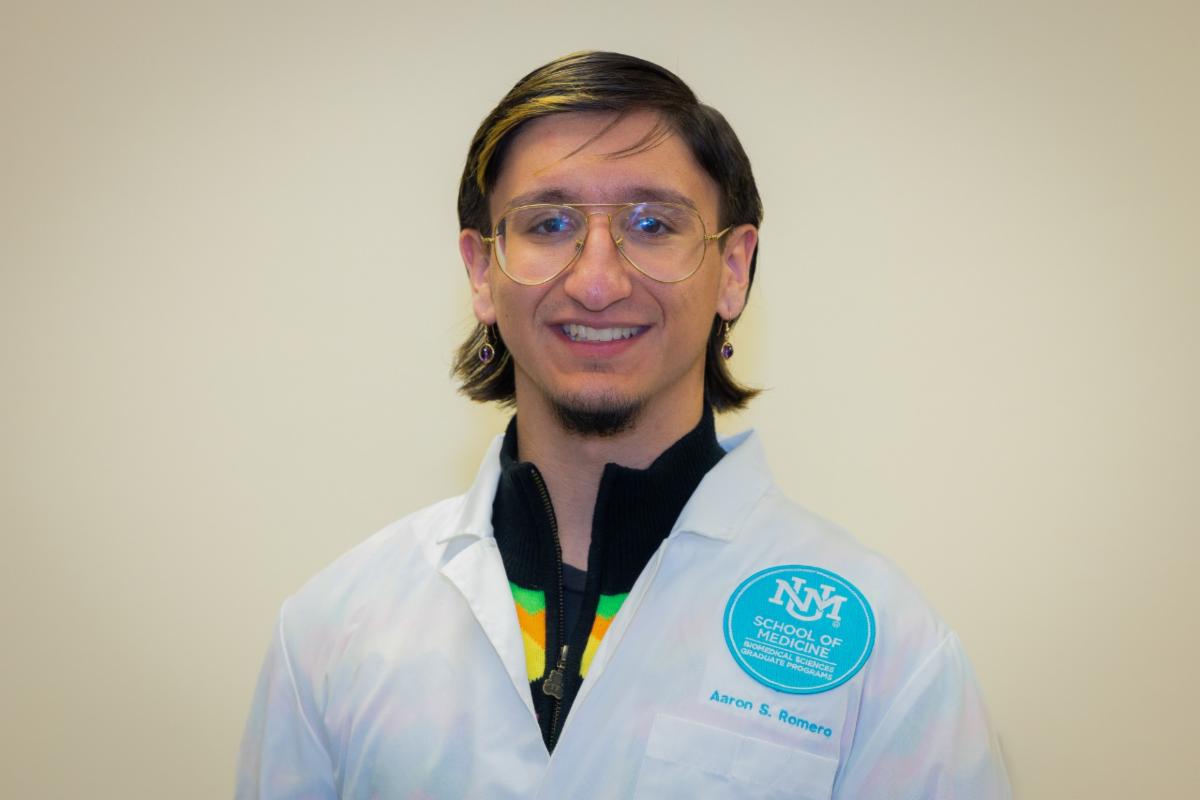
Aaron Romero
Aaron is an SRP trainee and PhD candidate in the Department of Internal Medicine at the University of New Mexico working with Drs. Eliseo Castillo and Julie In on Bioproject Gut within the METALS Center.
His project looks at different aspects of gastrointestinal (GI) health including how microplastic, uranium, and arsenic exposures affect the gut. Specifically, the focus of his project is to understand the potential pathogenesis of these particulates on GI health utilizing both animal models and intestinal organoids derived from human and mouse intestinal stem cells.
| |  |
|
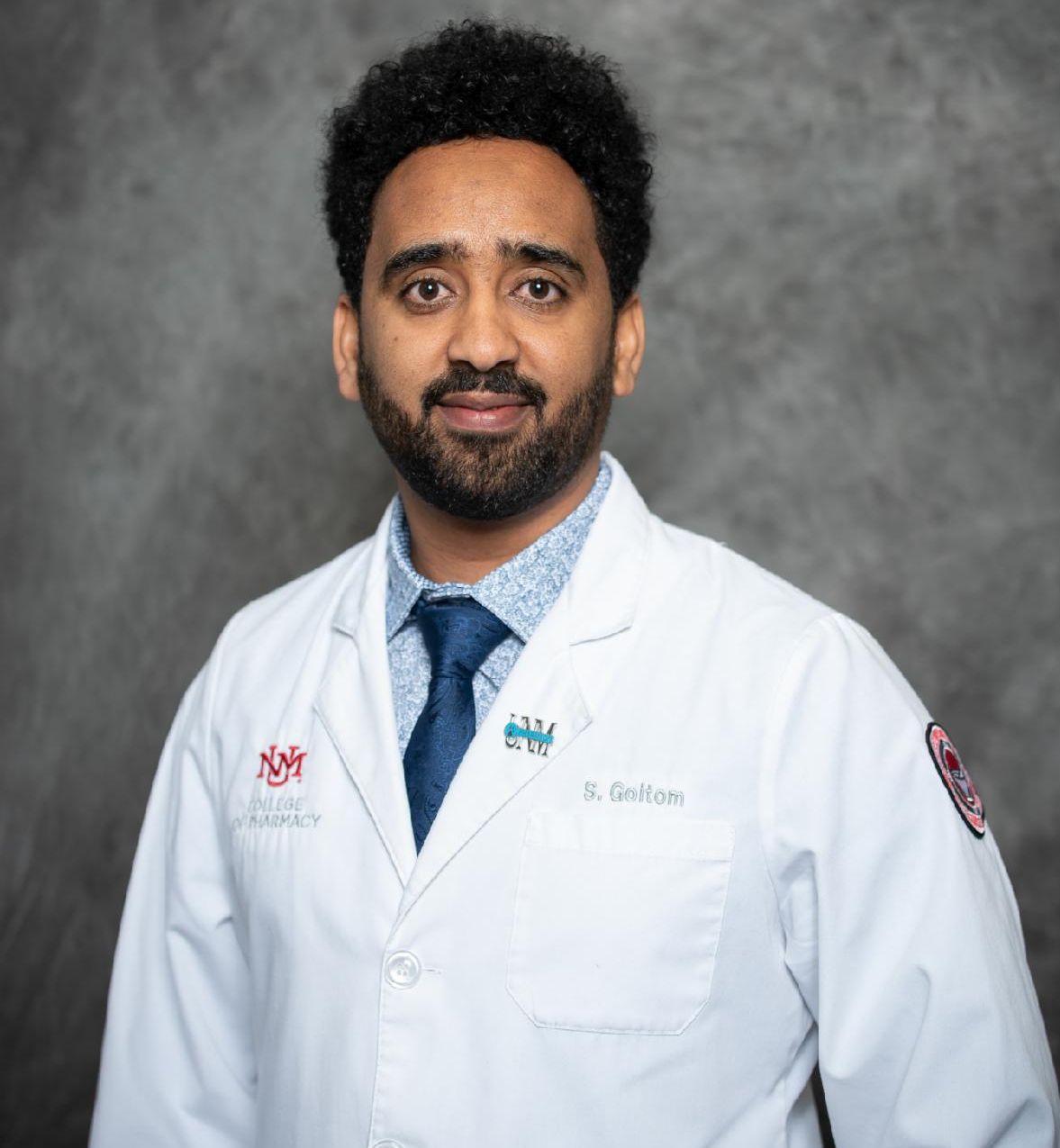
Siem S Goitom, PharmD
Siem is a recent graduate of UNM College of Pharmacy, class of 2024. He is currently an ASERT Postdoctoral Fellow obtaining his Pharmacist Clinician certification. He is currently mentored by Dr. Eliseo Castillo and Dr. Julie In, in the Department of Internal Medicine, Division of Gastroenterology and Hepatology.
He is currently working on gut health impacts of uranium, using mouse models and organoids. He is focused on academic research and his pharmacist clinician role. His passion lies in research, education, and pharmacy.
| | |
|
Listening Session and meetings with Laguna Staff Officers
METALS researchers and Village of Paguate (Pueblo of Laguna) hosted a listening session on July 27, 2024 from 9am-1pm at the Paguate Community Center. The meeting's purpose was to open up a dialogue surrounding how research results should be reported back to communities.
On August 27 and on November 19th, METALS researchers presented on human health research at Staff Officers meetings at the Pueblo of Laguna where the study was recommended to be approved by the Pueblo of Laguna Council.
Laguna Tribal Historic Preservation Office
On Sept 19, METALS researchers presented on human health research to the Tribal Historic Preservation Office (THPO) at the Pueblo of Laguna. The THPO advises the Pueblo leadership and sent a letter for approval for METALS health studies to the Laguna Council.
Laguna Council Approves Resolution for Health Studies
Pueblo of Laguna Council unanimously adopted a resolution approving METALS' three biomedical projects on Nov 22, 2024. The vote came after a 2-hour presentation by our team, Deb MacKenzie, Erica Dashner-Titus, Laguna resident and RECA advocate Loretta Anderson, and Chris Shuey. Dr. Christine Lowery of Paguate provided valuable comments online during the meeting.
Laguna Feast Days
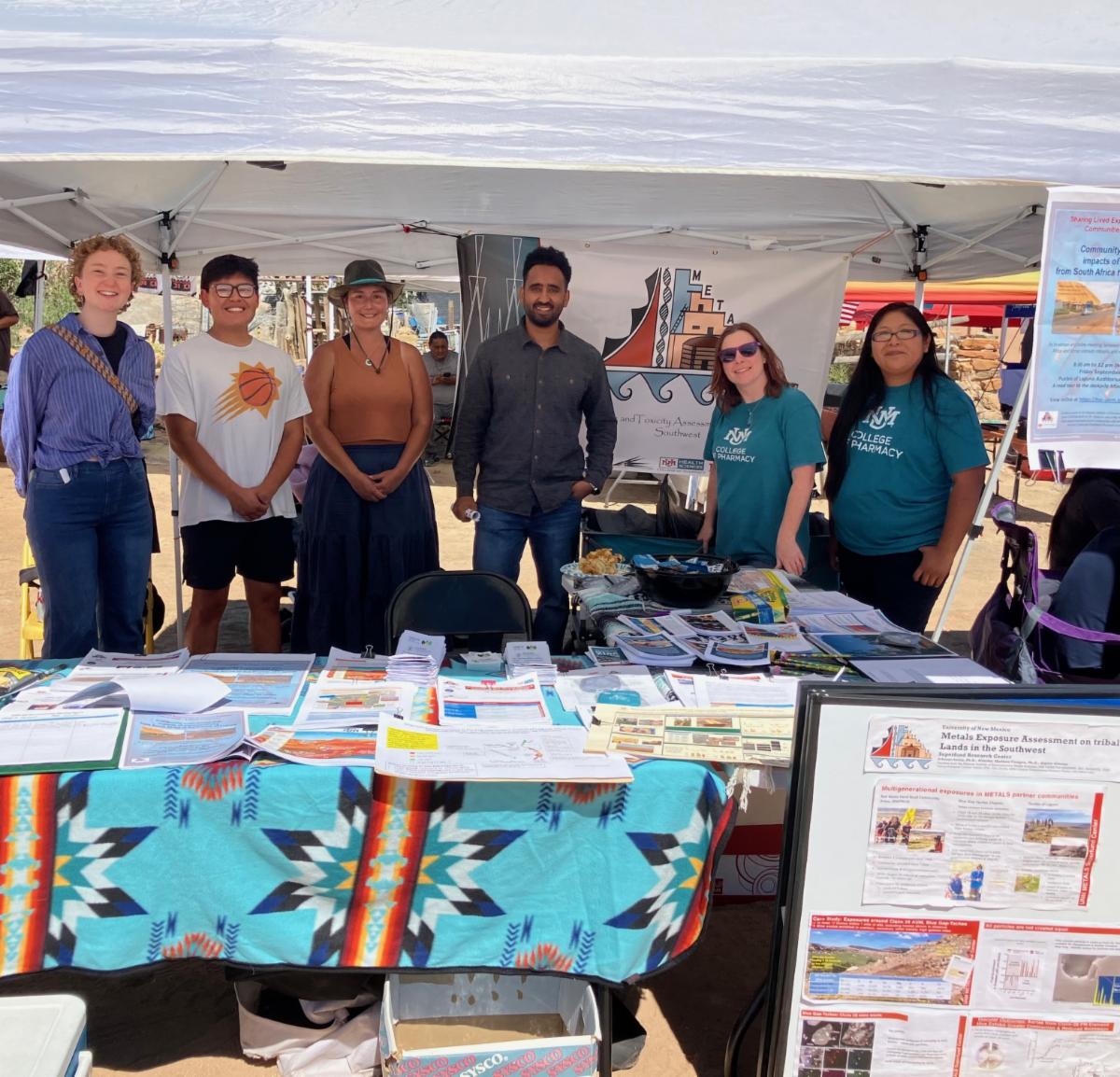
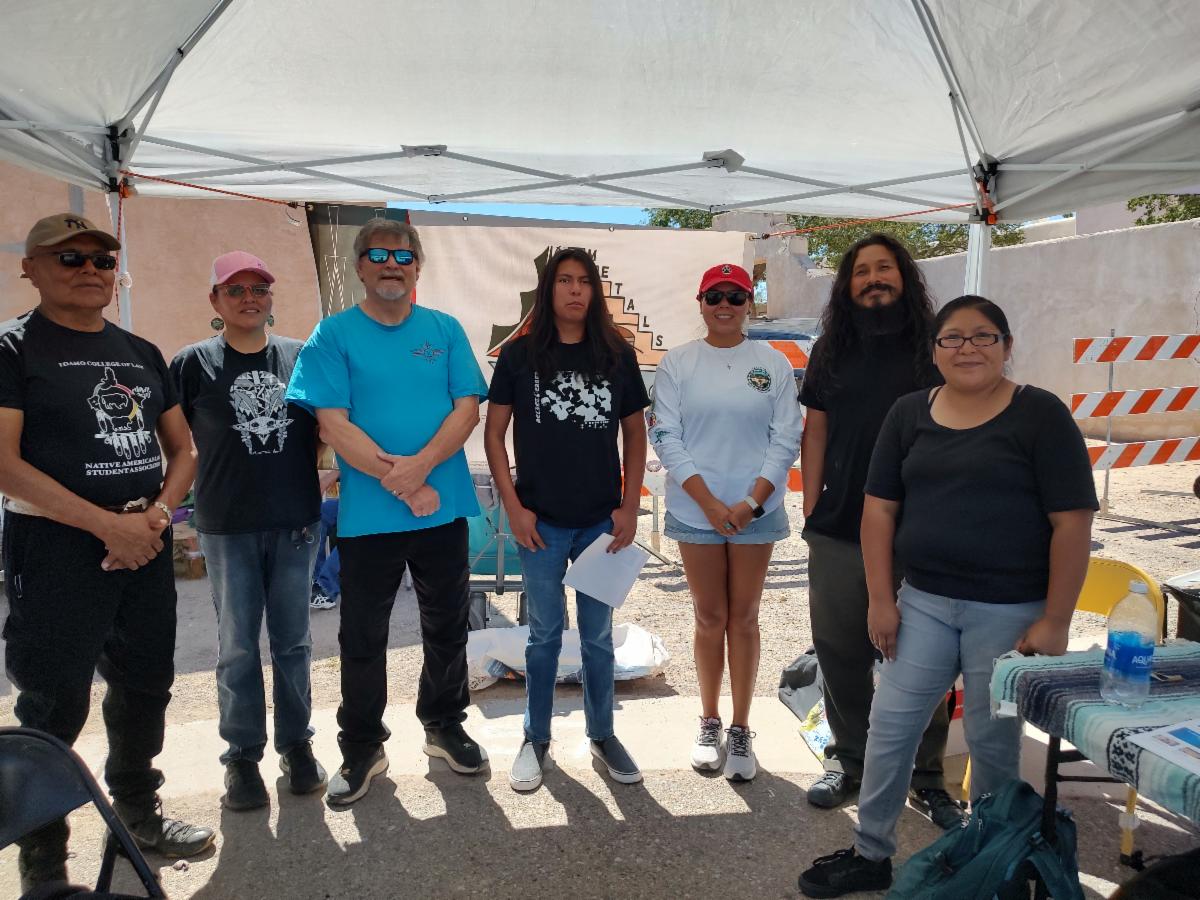
METALS researchers attended and handed out information at METALS resource table at the Pueblo of Laguna Feast Days on Sept 19th and Sept 25th, 2024, in the Village of Old Laguna and the Village of Paguate, respectively.
| |
|
NEW PUBLICATIONS
Atanga R, Appell LL, Thompson MN, Lauer FT, Brearley A, Campen MJ, Castillo EF, In JG. Single cell analysis of human colonoids exposed to uranium-bearing dust. Environmental Health Perspectives. 2024 May 21;132(5):057006. https://doi.org/10.1289/EHP13855
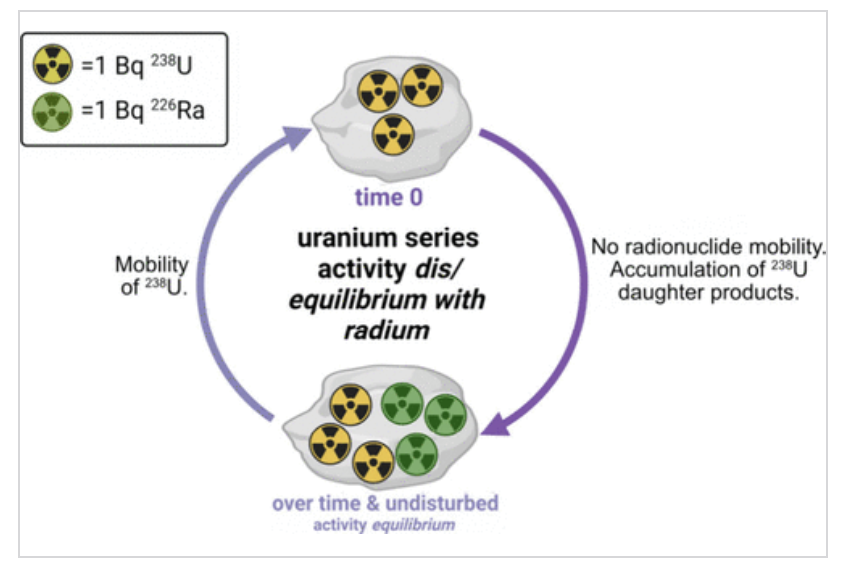
Rodriguez VG, Majumdar A, Meza I, Corcoran L, Pierson A, Gagnon K, Cano C, Ali AM, Shuey CM, Jojola G, Tan W, et al. Radiological Analyses of 226Ra and 238U in Surface Water and Sediments from the Jackpile Member of the Morrison Formation, Pueblo of Laguna, New Mexico. Environmental Science & Technology. 2024 Aug 13. https://pubs.acs.org/doi/full/10.1021/acs.est.4c01257
| | |
| |
NIH/NIEHS P42 ES025589 (UNM METALS) This material was developed in part under cited research awards to the University of New Mexico. It has not been formally reviewed by the funding agencies. The views expressed are solely those of the speakers and do not necessarily reflect those of the agencies. The funders do not endorse any products or commercial services mentioned in this presentation.
| | | | |