|
|
HUMANS IN SPACE
US Spacewalk 97: Watch Live with NASA
| | |
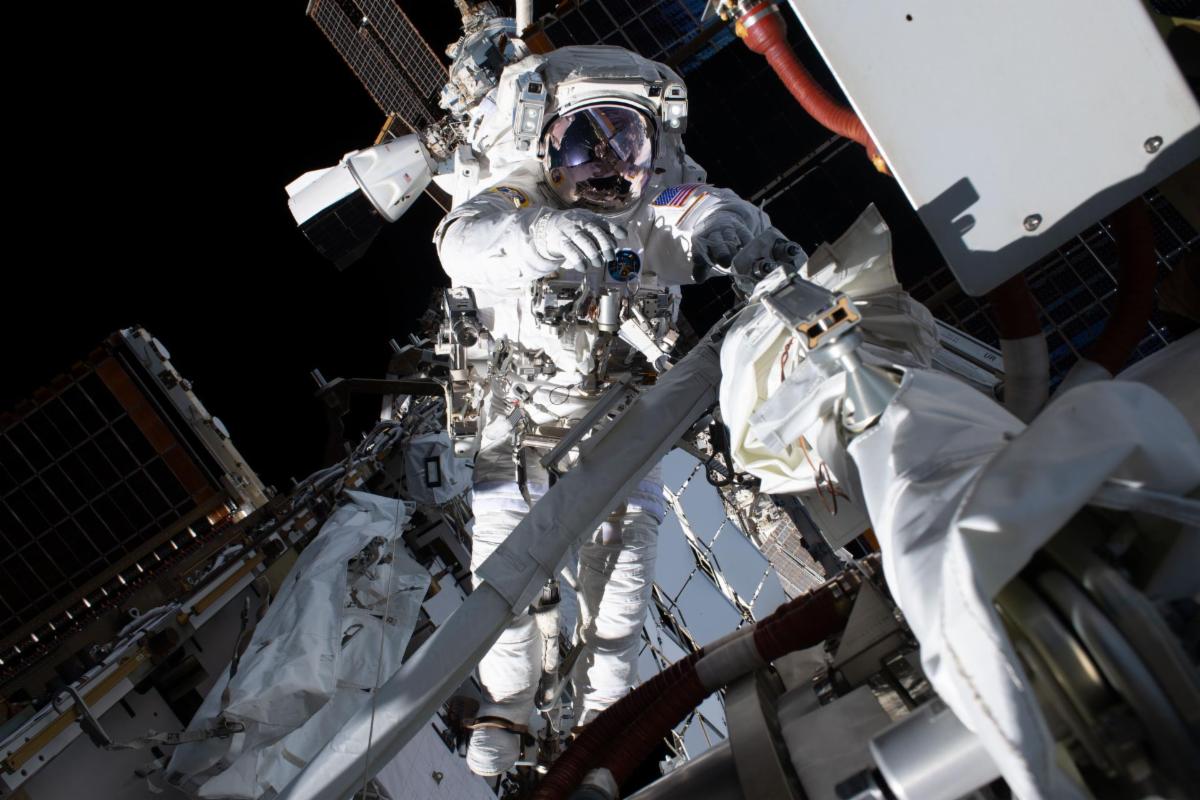
NASA astronaut Anil Menon and ESA (European Space Agency) astronaut Sophie Adenot will conduct a spacewalk on Tuesday, Aug. 18, to replace a Space-to-Ground antenna on the orbiting laboratory. This antenna is a critical communications link that NASA uses to transmit data, enabling high‑speed communication between the Mission Control Center in Houston and the space station.
Live coverage of the spacewalk will begin at 7 a.m. EDT. The spacewalk is scheduled to start at approximately 8:35 a.m. and is expected to last six and a half hours.
WAYS TO WATCH
| | | |
HUMANS IN SPACE
Astronaut Mike Fincke Departs
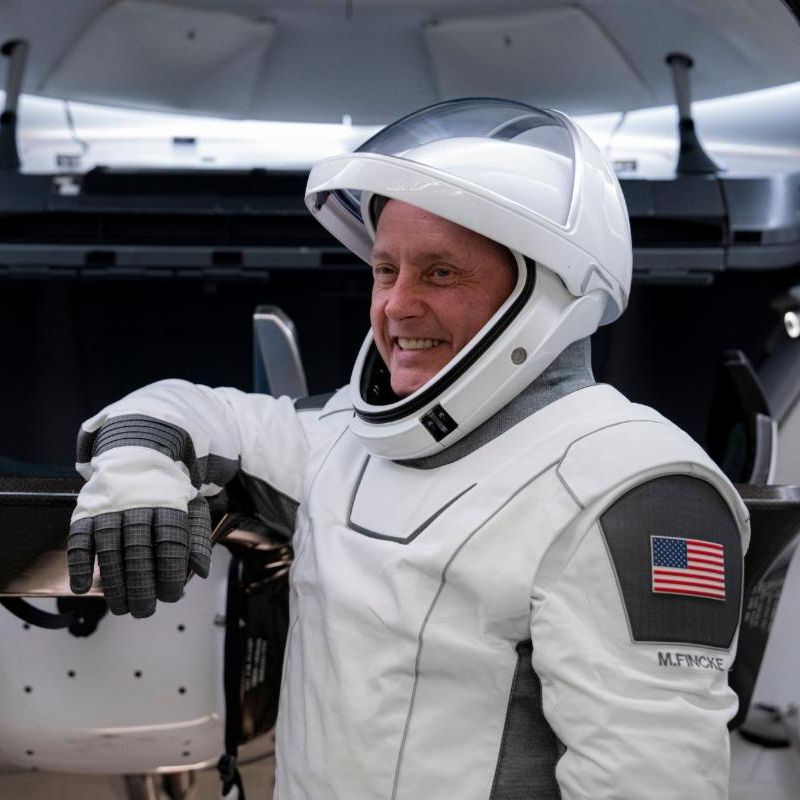
NASA astronaut Mike Fincke departed NASA on Wednesday after 30 years of service. Throughout his career, he flew four missions, spent 549 days in space, and completed nine spacewalks in support of the International Space Station.
CAREER HIGHLIGHTS
| | |
THE SOLAR SYSTEM
Total Solar Eclipse
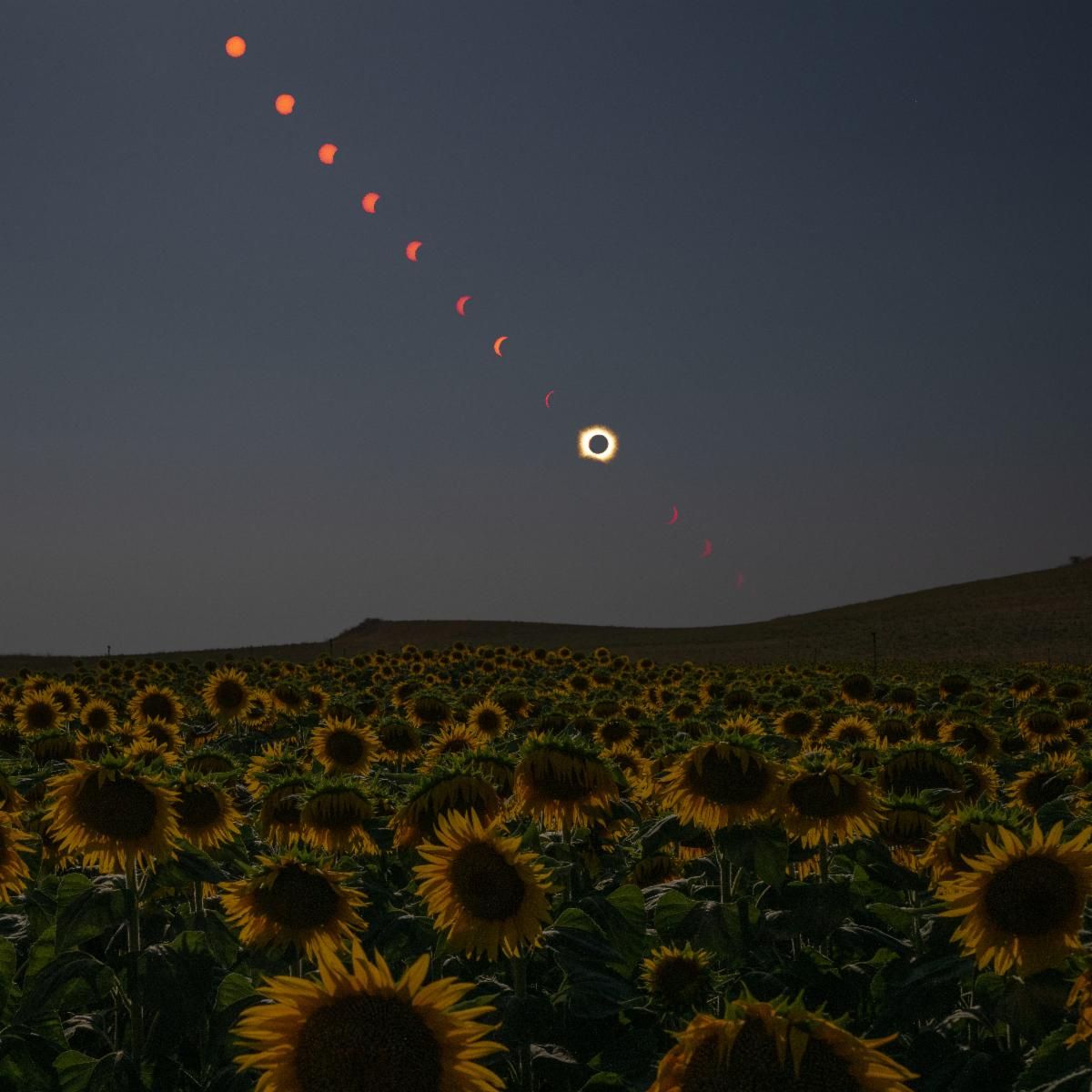
On Wednesday, a total solar eclipse – the Moon passing between the Sun and Earth, completely blocking the face of the Sun – swept across parts of Greenland, Iceland, northern Russia, the Atlantic Ocean, Spain, and a small corner of Portugal. A partial eclipse was visible in parts of the U.S., most of Canada, much of Europe, and northwest Africa.
VIEW NASA IMAGES
| | | |
THE UNIVERSE
Nebula Roars to Life
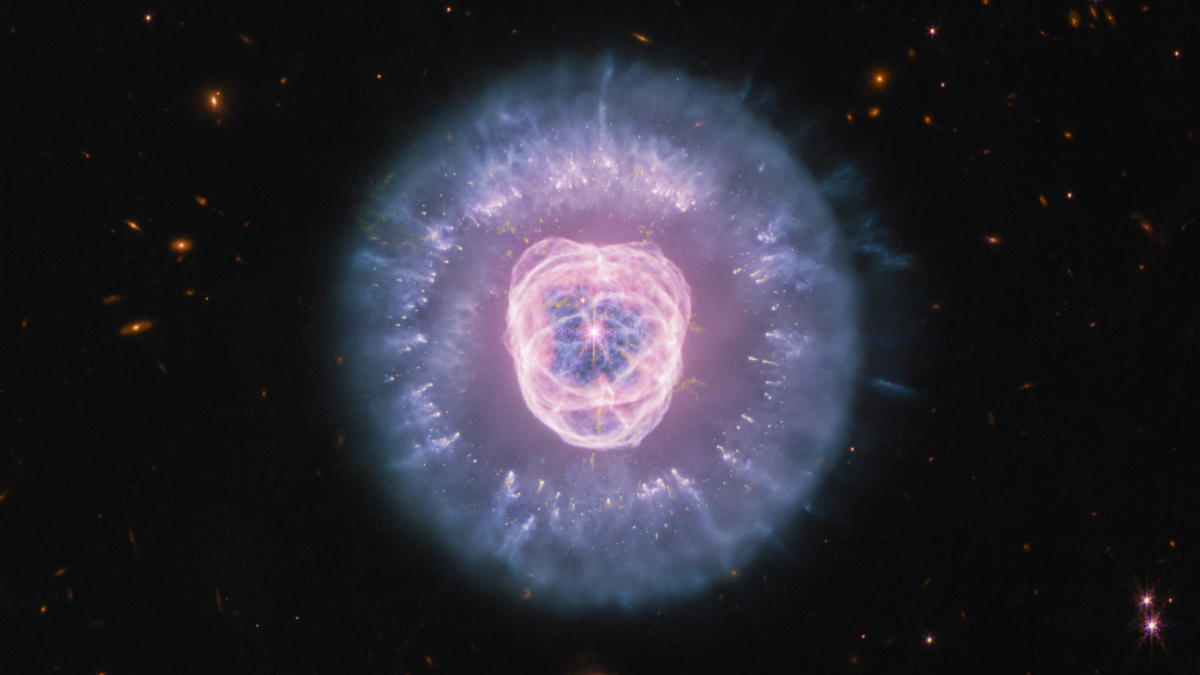
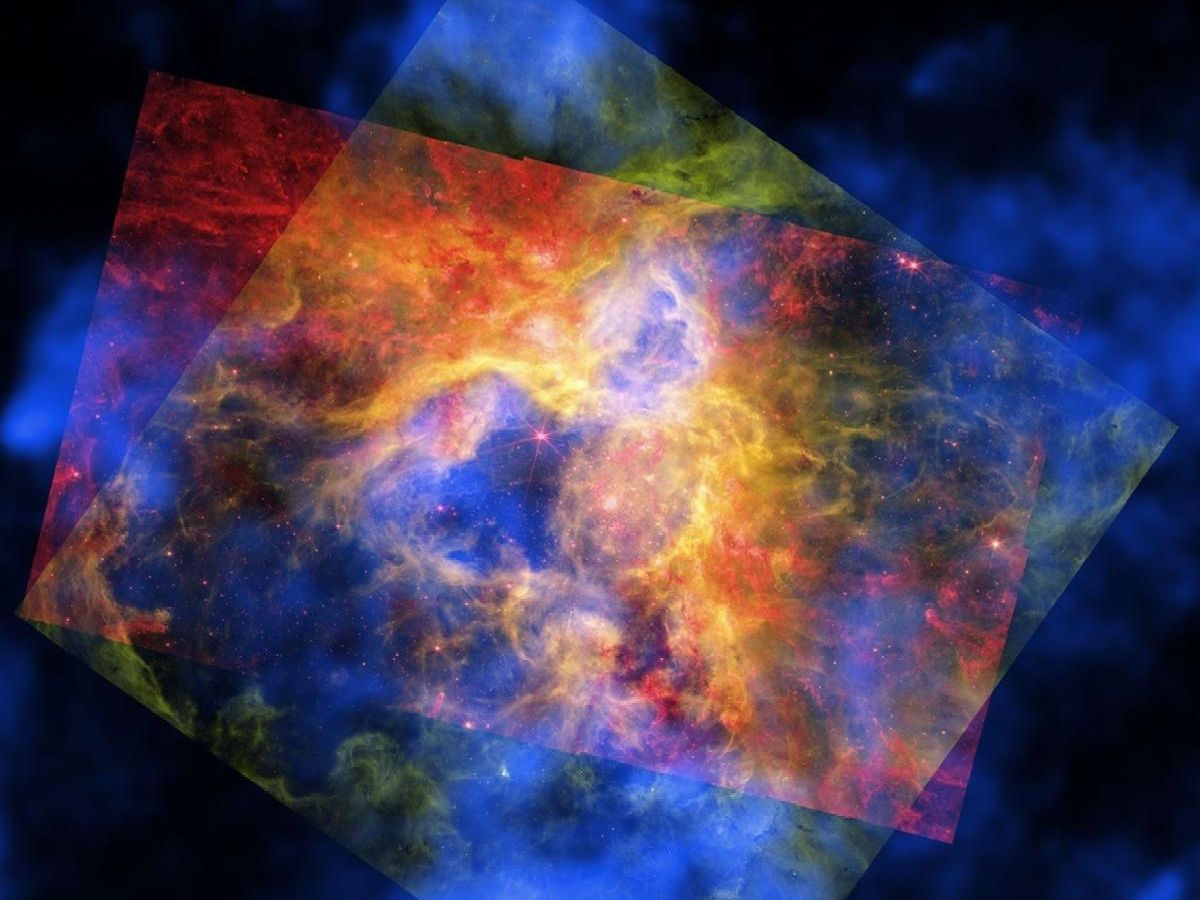
Observing across the starry plains of space, NASA’s James Webb Space Telescope has captured new images of NGC 2392, nicknamed the Lion Nebula. The agency’s Hubble Space Telescope previously viewed this planetary nebula in 2000, imaging the lion‑face‑shaped object in visible light and revealing features such as the hazy, comet‑shaped “mane.” Now, Webb has provided a clearer, more detailed view of the nebula thanks to its high‑resolution imaging.
LEARN MORE
| |
PODCAST
Unveiling the Dark Universe
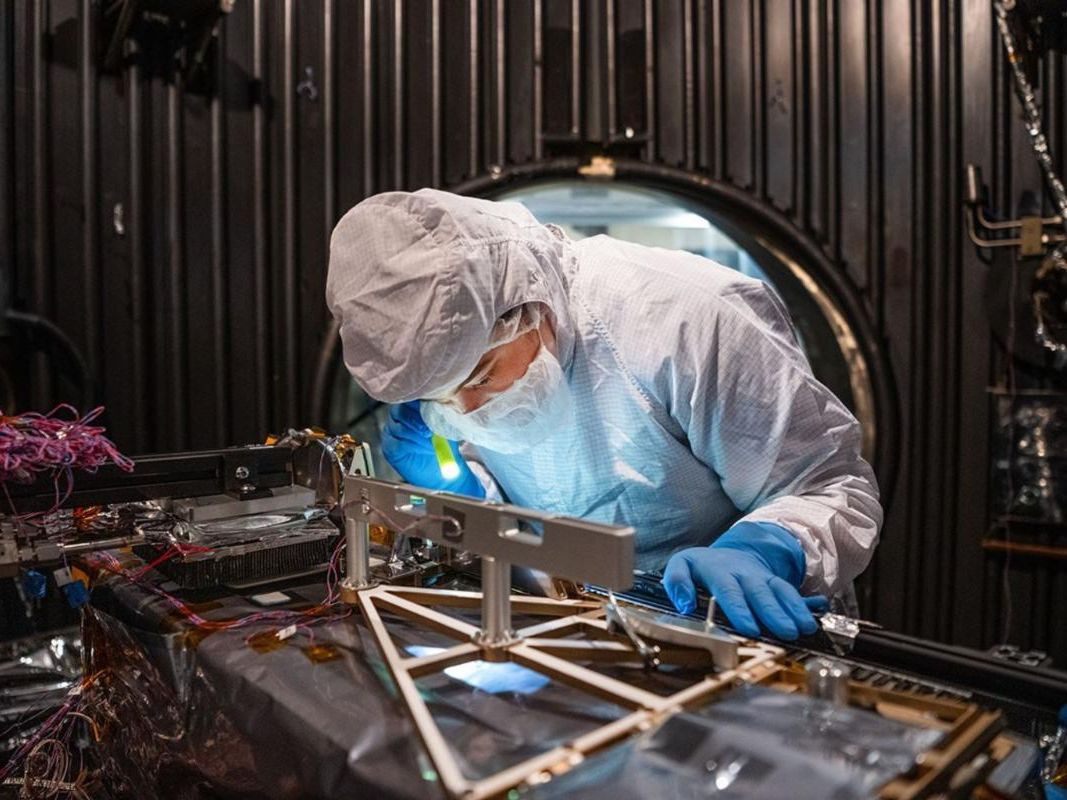
Meet NASA’s newest space telescope: Roman. With resolution comparable to Hubble but a field of view 100 times larger, the Nancy Grace Roman Space Telescope will help answer some of the most important questions in astronomy. In the first episode of a new podcast series dedicated to the mission, NASA scientists explain how Roman’s wide view will shed light on dark energy — one of the most puzzling mysteries in the universe. You’ll also meet Nancy Grace Roman, who joined NASA at the dawn of the space age and championed the development of large space telescopes that have transformed our understanding of the cosmos.
LISTEN
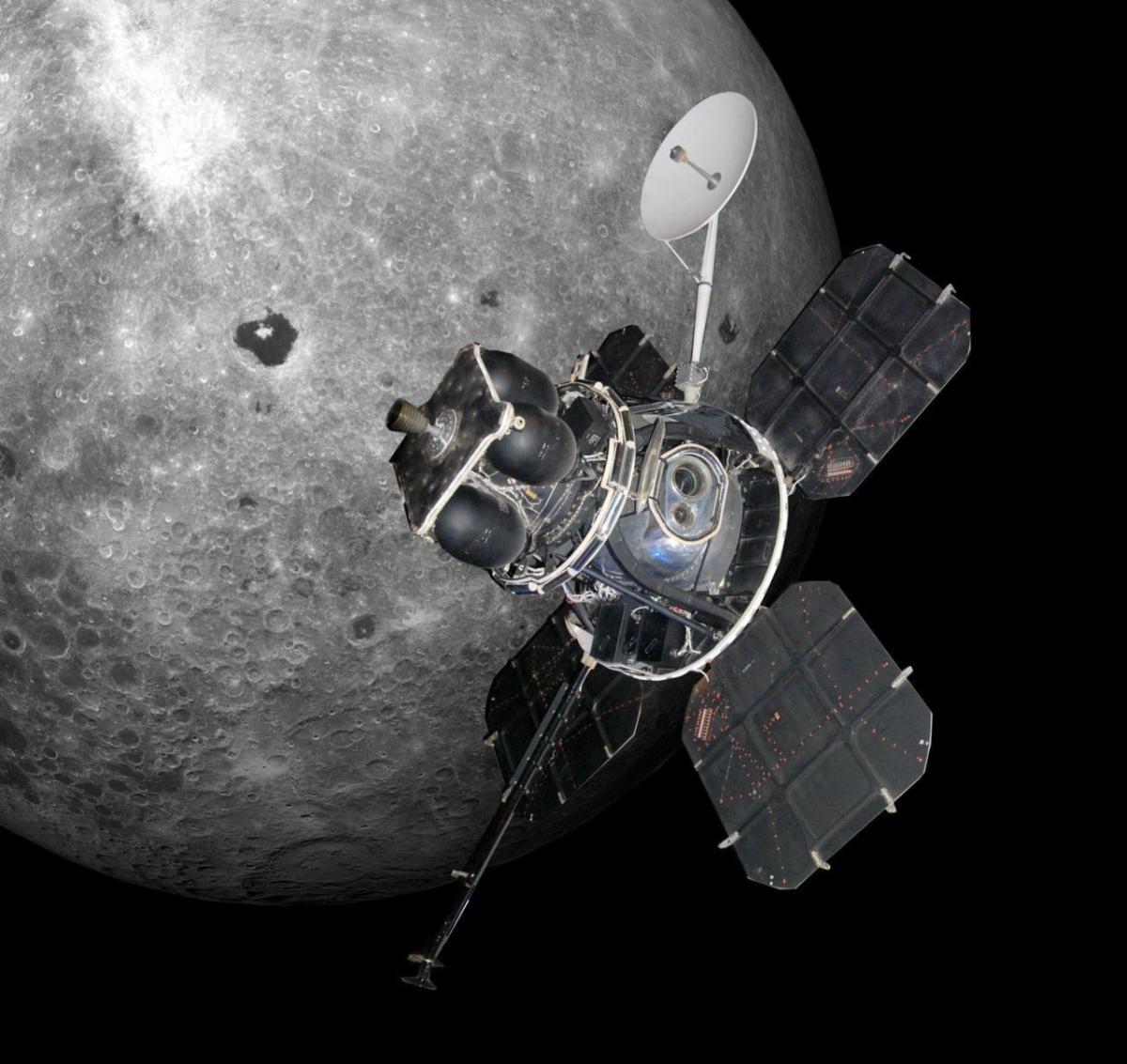
| | NASA’s Lunar Orbiter 1 mission achieved a first 60 years ago today. On Aug. 14, 1966, it became the first American spacecraft to orbit the Moon. | |
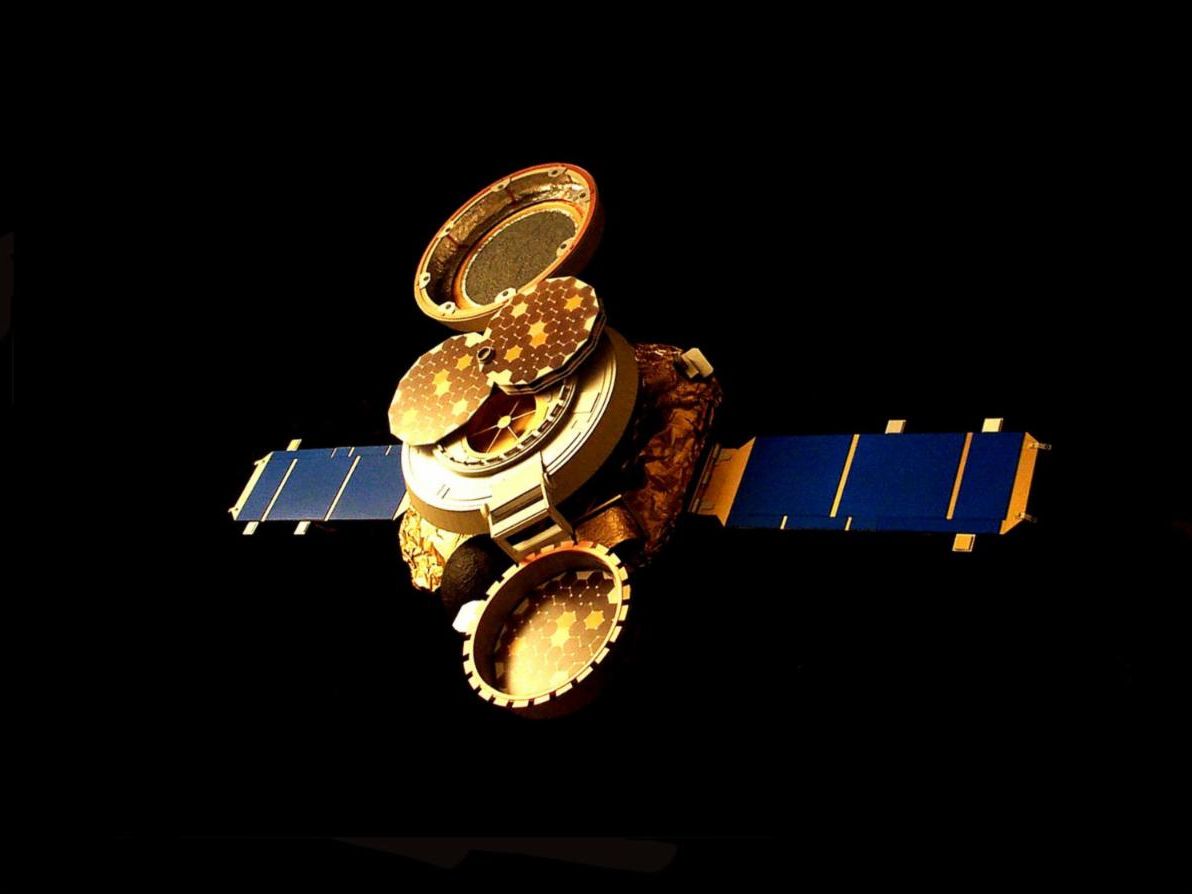
| What was the primary purpose of the Lunar Orbiter 1 mission? | | | | Find out the answer in next week's NASA newsletter! 🤓 | | | | Last week, we asked what NASA’s Genesis spacecraft used to collect solar wind samples during its two-year mission in space. The answer? Collector plates are composed of various ultra-pure materials. Genesis carried arrays of carefully manufactured materials — including sapphire, diamond-like carbon, gold, and silicon carbide — designed to trap solar wind ions without introducing contamination. Although the sample return capsule crashed in Utah in 2004, scientists were able to recover and analyze fragments of some of these plates, obtaining valuable clues about the Sun’s composition and the formation of the solar system. | | |
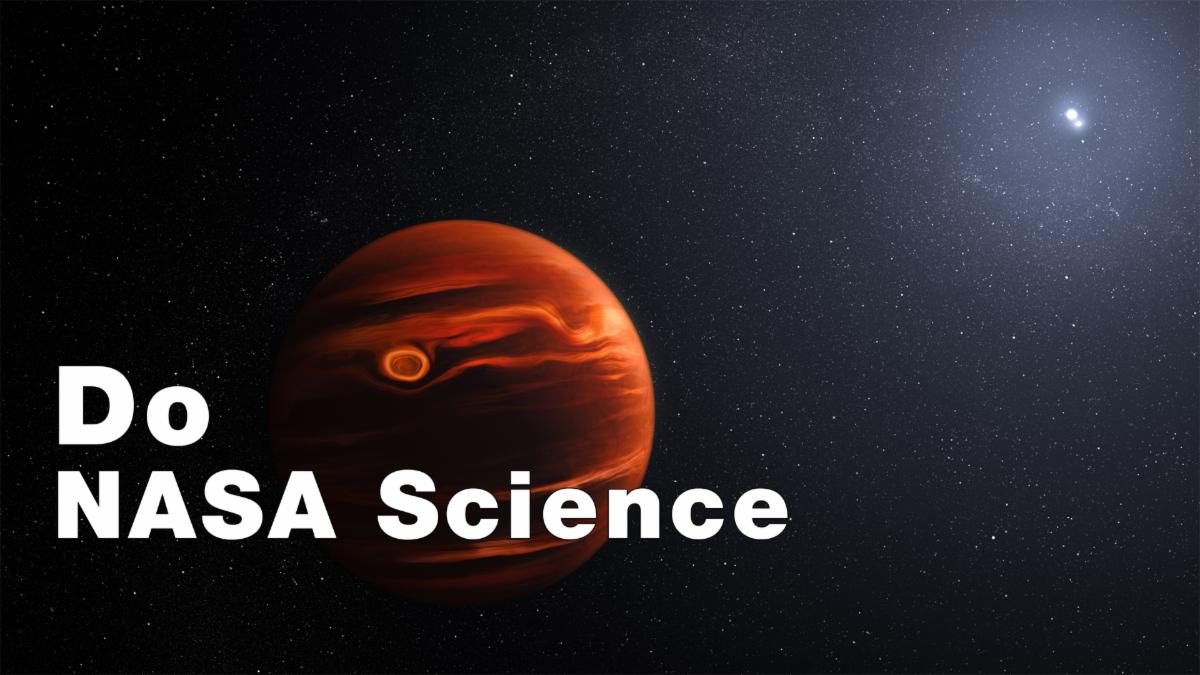
Volunteers in the citizen‑science project Backyard Worlds: Cool Neighbors help search for the Sun’s faintest nearby objects — brown dwarfs — using infrared images from NASA’s Wide-field Infrared Survey Explorer. Brown dwarfs are gas objects too small to become stars, with masses between those of stars and planets. Because they are so dim, scientists need your help to spot them. Your discoveries could even be selected for follow‑up observations with the James Webb Space Telescope!
Through NASA's citizen science projects, volunteers help with cutting-edge research in Earth science, planetary science, astrophysics, biological and physical sciences, and heliophysics. With just your phone or computer, you can help NASA expand our understanding of the universe — including life here on Earth. Projects are available in 18+ languages beyond English and open to anyone, regardless of country of origin or citizenship status, and need no special gear, just curiosity and a willingness to learn.
JOIN THE PROJECT
| | |
National Aeronautics and Space Administration
NASA explores the unknown in air and space, innovates for the benefit of humanity, and inspires the world through discovery.
Visit nasa.gov
| | | | | |