|
|
HUMANS IN SPACE
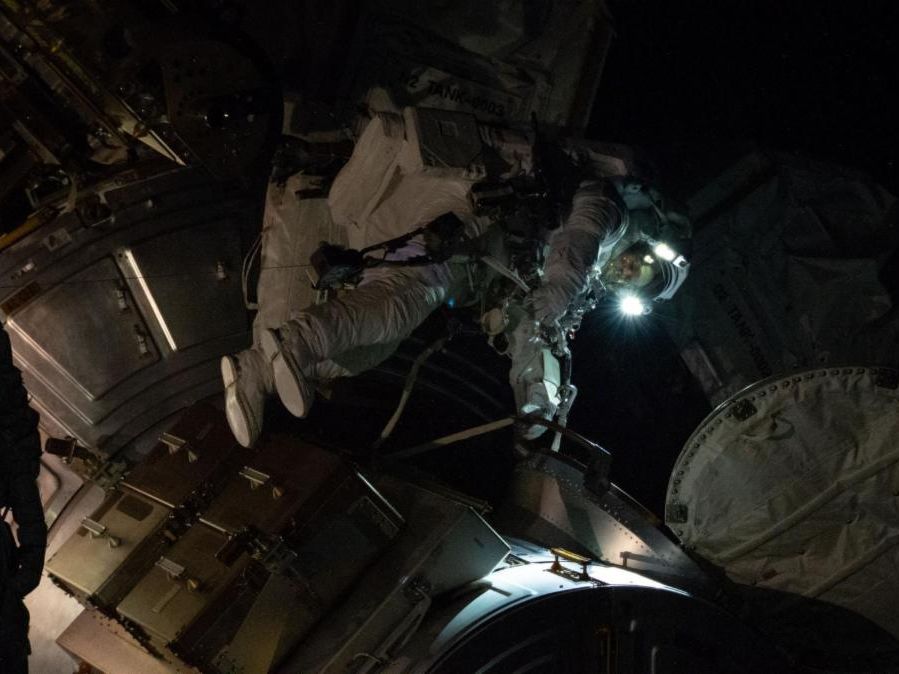
US Spacewalk 98: Watch Live with NASA
| | |
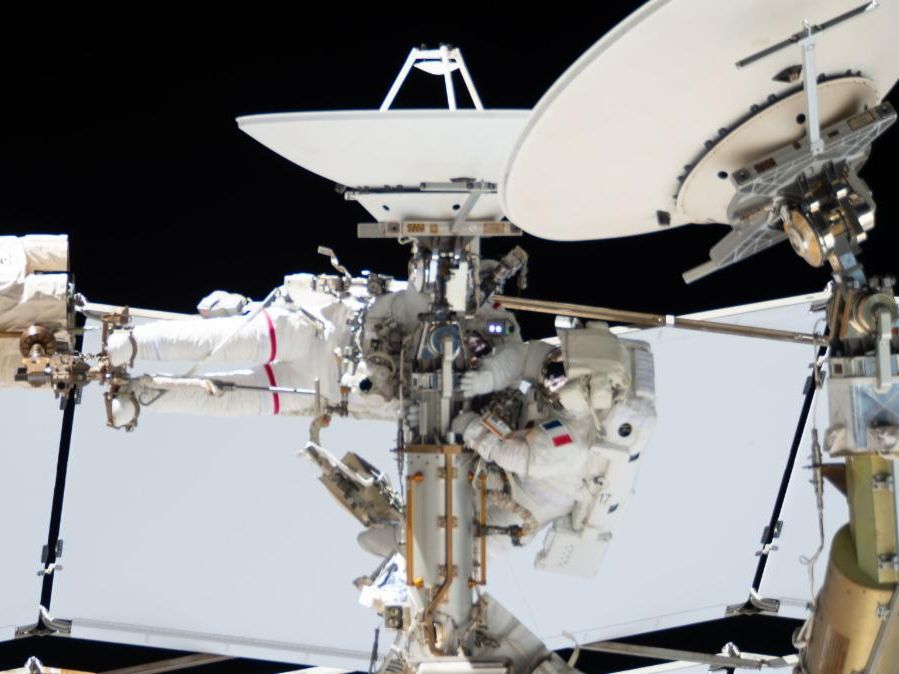
NASA astronaut Anil Menon and ESA (European Space Agency) astronaut Sophie Adenot will conduct a spacewalk on Tuesday, Aug. 25, to complete work replacing a space‑to‑ground antenna on the International Space Station. The pair began the task during their Aug. 18 spacewalk. The antenna provides a critical communications link that enables high‑speed data transmission between the station and NASA’s Mission Control Center in Houston.
Live coverage of the spacewalk will begin at 7 a.m. EDT.
WAYS TO WATCH
| | | |
HUMANS IN SPACE
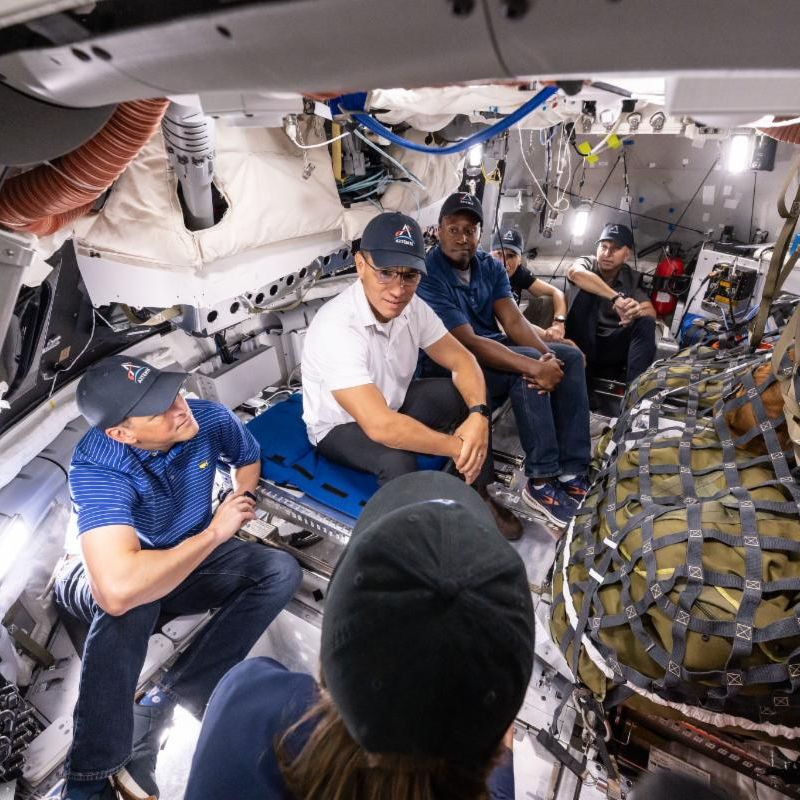
Training for Artemis III
On the latest episode of Houston We Have a Podcast, Debbie O’Connell, chief training officer for Artemis III, explains how the mission’s crew — NASA astronauts Randy Bresnick, Frank Rubio, and Andre Douglas, along with ESA astronaut Luca Parmitano — is preparing for one of NASA’s most challenging missions yet.
LISTEN
| | |
SCIENCE
Join the Challenge
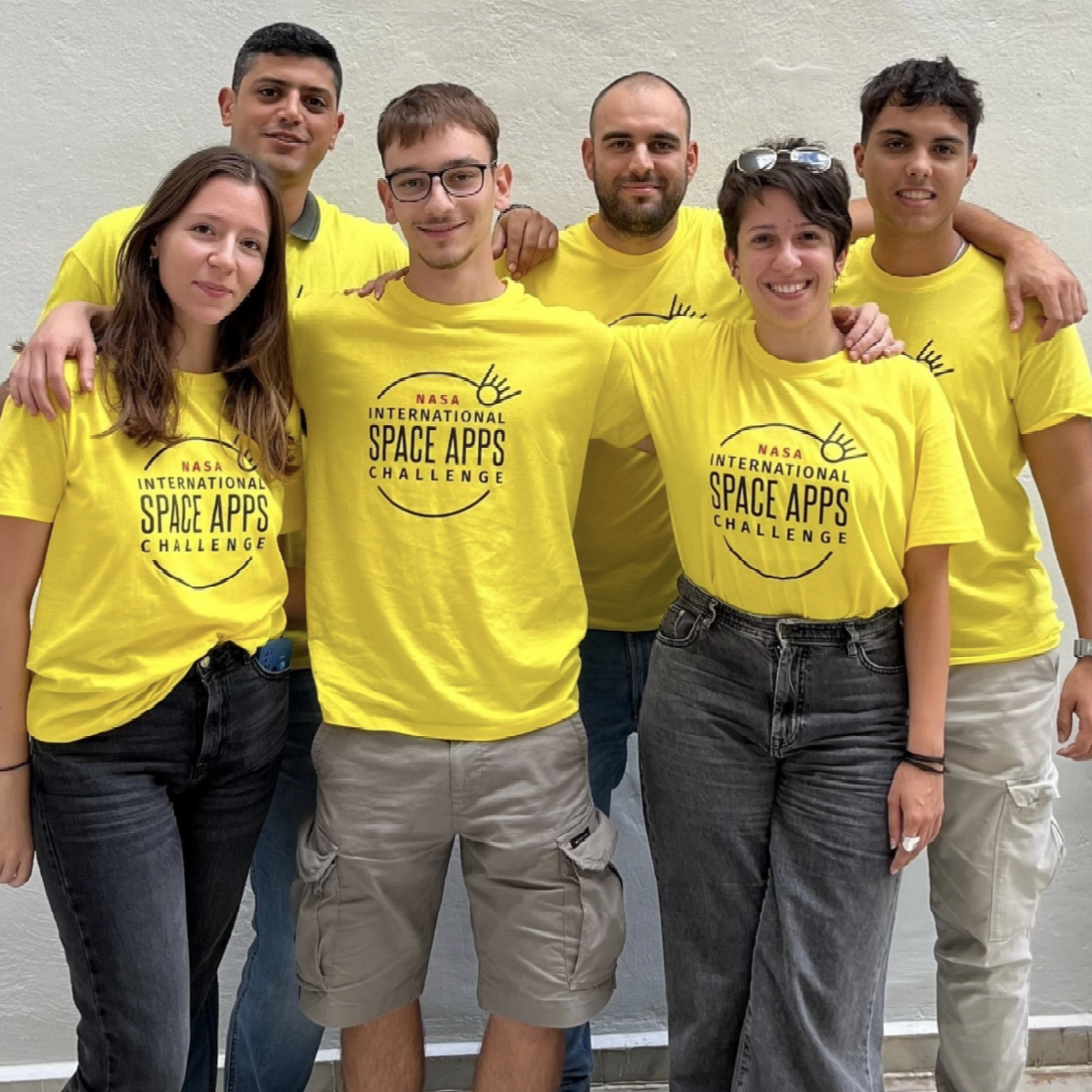
Discovery awaits at the 2026 NASA Space Apps Challenge: The Next Frontier. On Nov. 14–15, NASA invites technologists, citizen scientists, and anyone with an interest in space and science to join the planet’s largest annual hackathon. Over one exciting weekend, participants will dive into open data from NASA and its space agency partners to tackle real challenges shaping the future of Earth and space exploration. Registration opens Wed., Aug. 26.
REGISTER
| |
| |
THE UNIVERSE
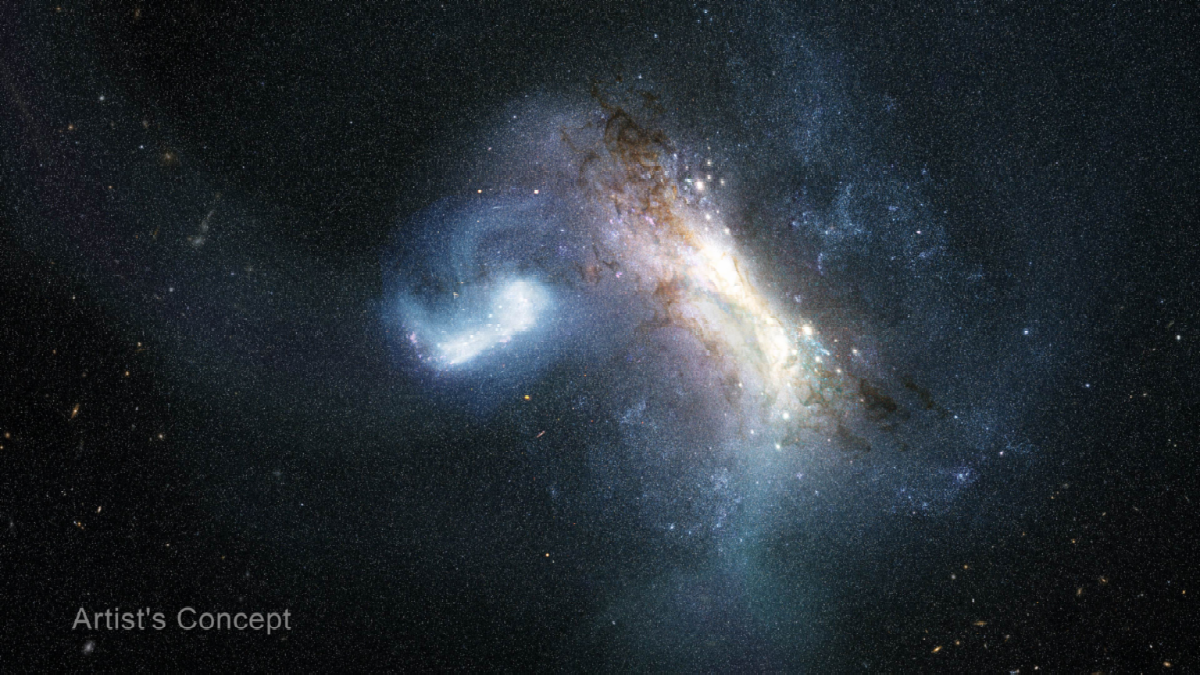
Cosmic Archaeology
Our home galaxy, the Milky Way, grew to its current size in part by consuming smaller galaxies. Now, new data from NASA’s Hubble Space Telescope shows definitive evidence of a dwarf galaxy merging with the young Milky Way galaxy in the earliest phases of its evolution. This finding extends our knowledge of our galaxy’s history 1.8 billion years further back in time than before.
LEARN MORE
| |
MISSIONS
Swift Boost Update
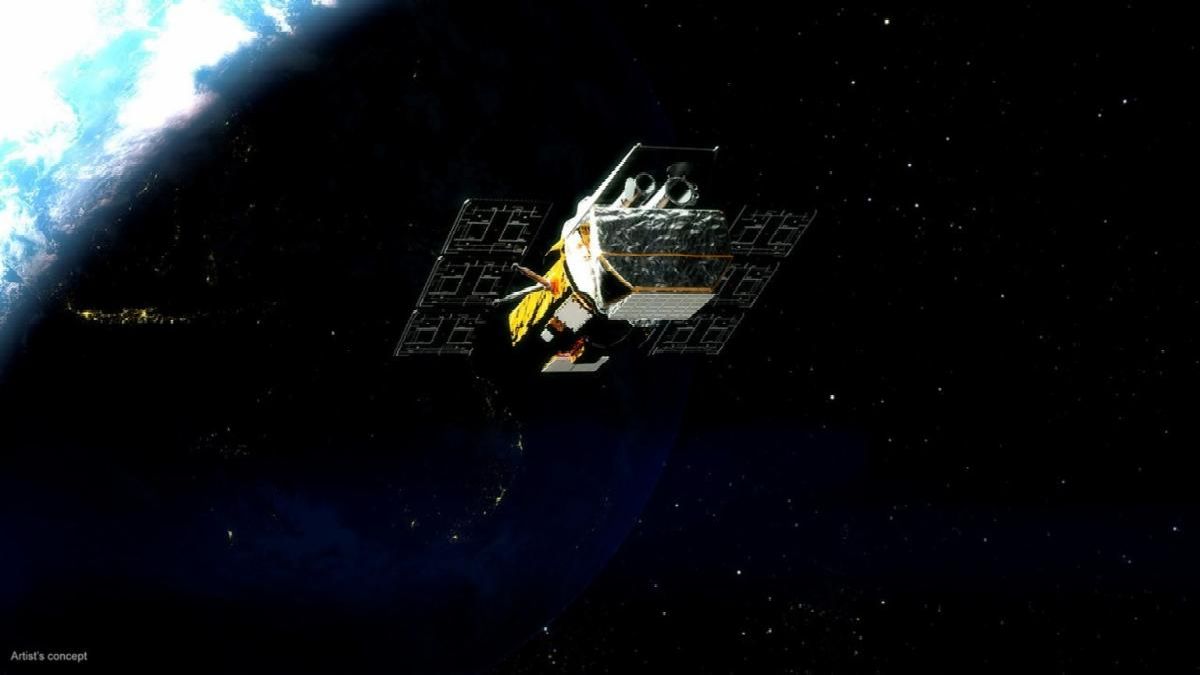
Due to an ongoing commercial spacecraft attitude control issue, NASA and Katalyst Space have announced that the LINK spacecraft will not capture or boost an agency satellite to a higher altitude as originally planned. However, LINK will still attempt rendezvous and proximity operations with NASA’s Neil Gehrels Swift Observatory to demonstrate key capabilities critical to the future of space exploration.
LEARN MORE
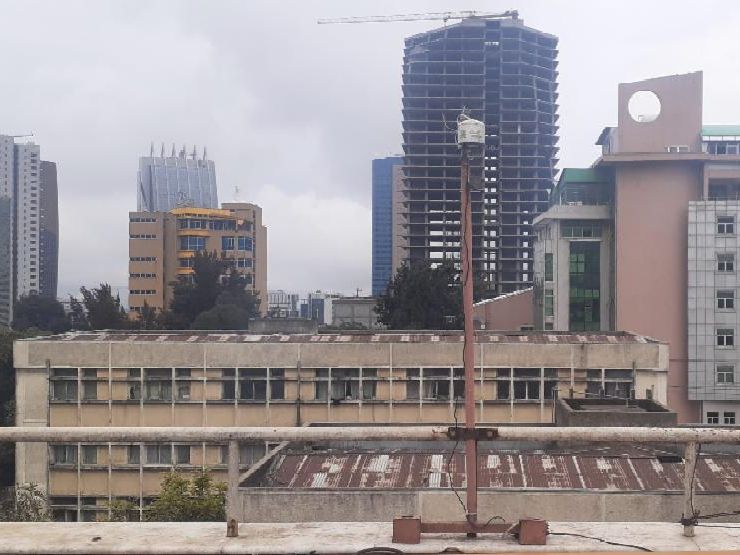
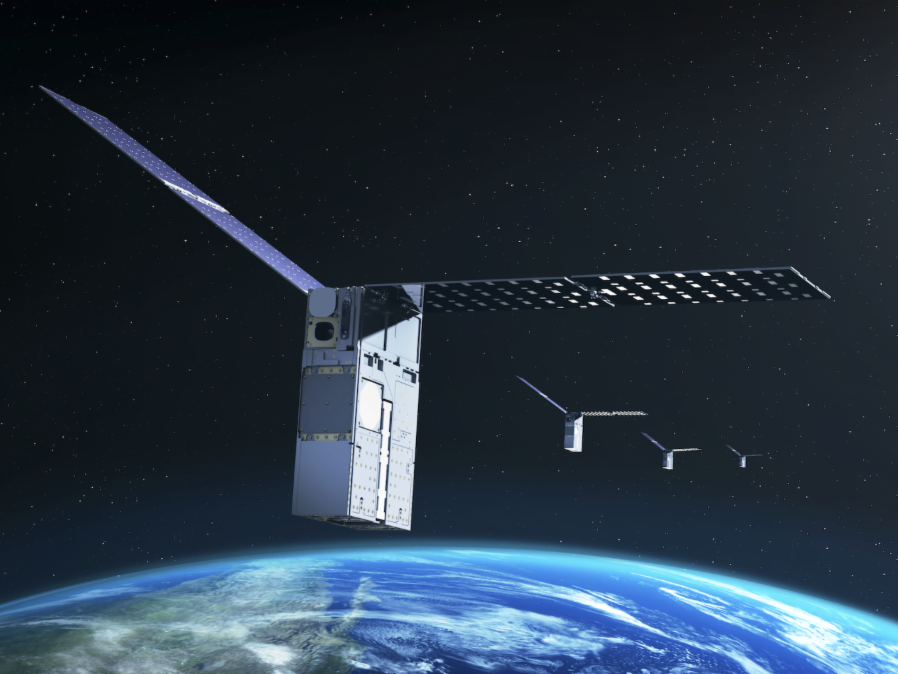
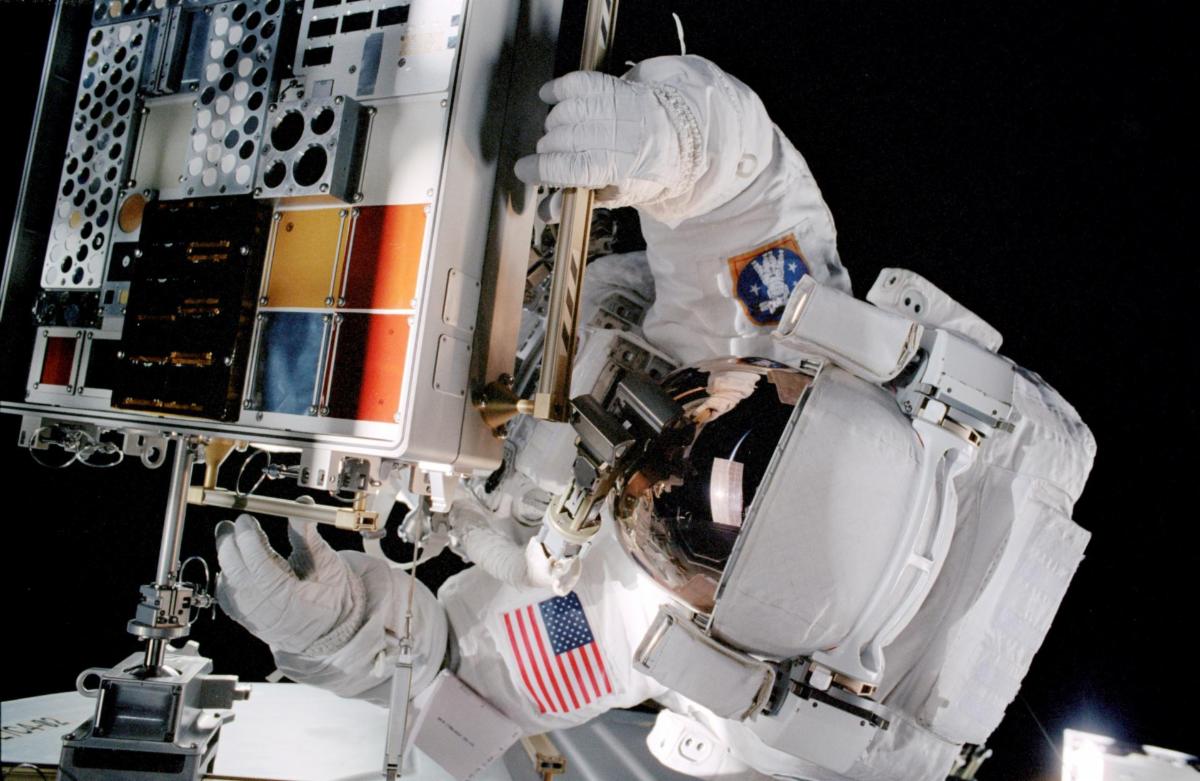
| | | | NASA’s Starling mission has reached another milestone in spacecraft autonomy, successfully demonstrating a new navigation system that allows a satellite to pinpoint its position in orbit by referencing other objects in space—no navigational network required. | | Twenty-five years ago this week, NASA installed two new experimental packages named MISSE-1 and MISSE-2 on the outside of the International Space Station. Ever since, MISSE has provided a unique testbed for exposing materials and technological components directly to the harsh environment of low Earth orbit. | |
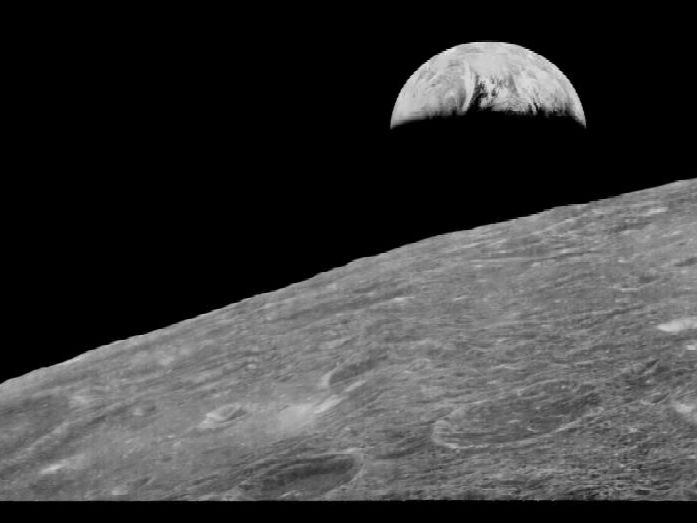
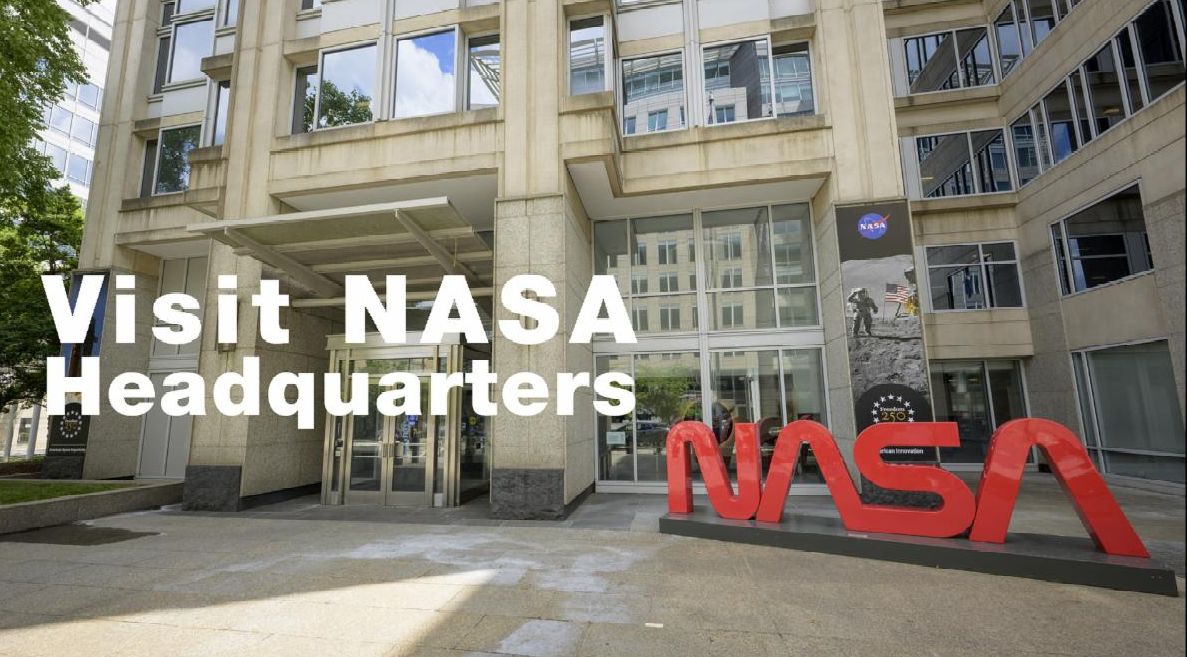
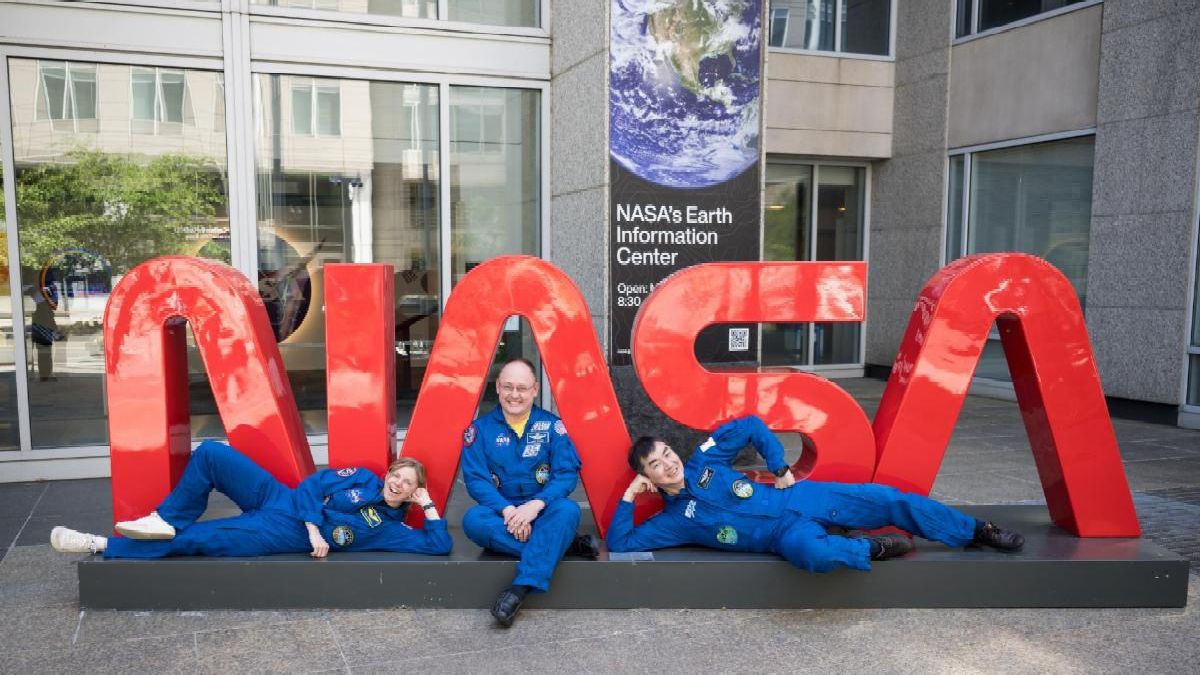
| What does the acronym MISSE stand for? | | | | Find out the answer in next week's NASA newsletter! 🤓 | | | | Last week, we asked what the primary purpose of the Lunar Orbiter 1 mission was. The answer? To photograph potential Apollo landing sites around the Moon’s equator. For 11 days, the spacecraft took 205 photos of the lunar surface, including the first photo of Earth as seen from lunar orbit. In 2008, the Lunar Orbiter Image Recovery Project released this restored Lunar Orbiter 1 Earthrise image that it demodulated using refurbished tape drives from the 1960s and modern digital technology. | | Step into the newly reimagined exhibit space at NASA Headquarters in Washington, where space exploration comes to life. Wander through immersive exhibits, get an up‑close look at Apollo and Artemis artifacts, and join in‑person events at the James Webb Auditorium. Then unwind with a coffee or tea — and maybe a NASA‑themed donut — from the pop‑up café before browsing space‑inspired gifts at the NASA Employee Exchange Store. Whether you’re captivated by today’s cutting‑edge missions or inspired by the history of America’s space program, the NASA Headquarters offers a welcoming gateway to explore, learn, and experience NASA up close. | |
THURSDAY. AUG. 27 11 AM EDT
Building the Moon Base
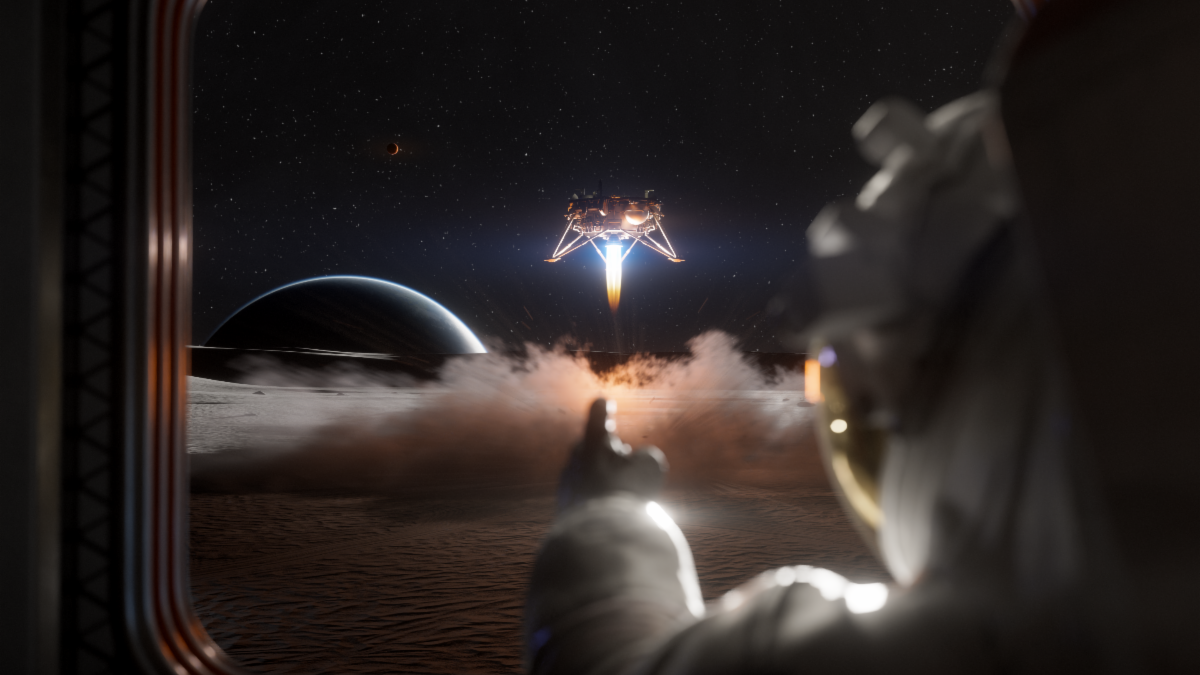
NASA's Chief Exploration scientist, Dr. Jake Bleacher, will discuss what it takes to establish the systems and infrastructure needed for astronauts to live and work on the Moon.
REGISTER
| | |
MON-FRI 8:30 a.m. – 5:30 p.m. EDT
NASA Headquarters
Your self-guided adventure begins with hands-on displays that invite you to explore at your own pace—from a replica Mars rover and authentic mission artifacts to interactive exhibits that spark curiosity and reveal something new at every turn.
GENERAL INFORMATION
| | |
MON-FRI 8:30 a.m. – 5:30 p.m. EDT
Earth Information Center
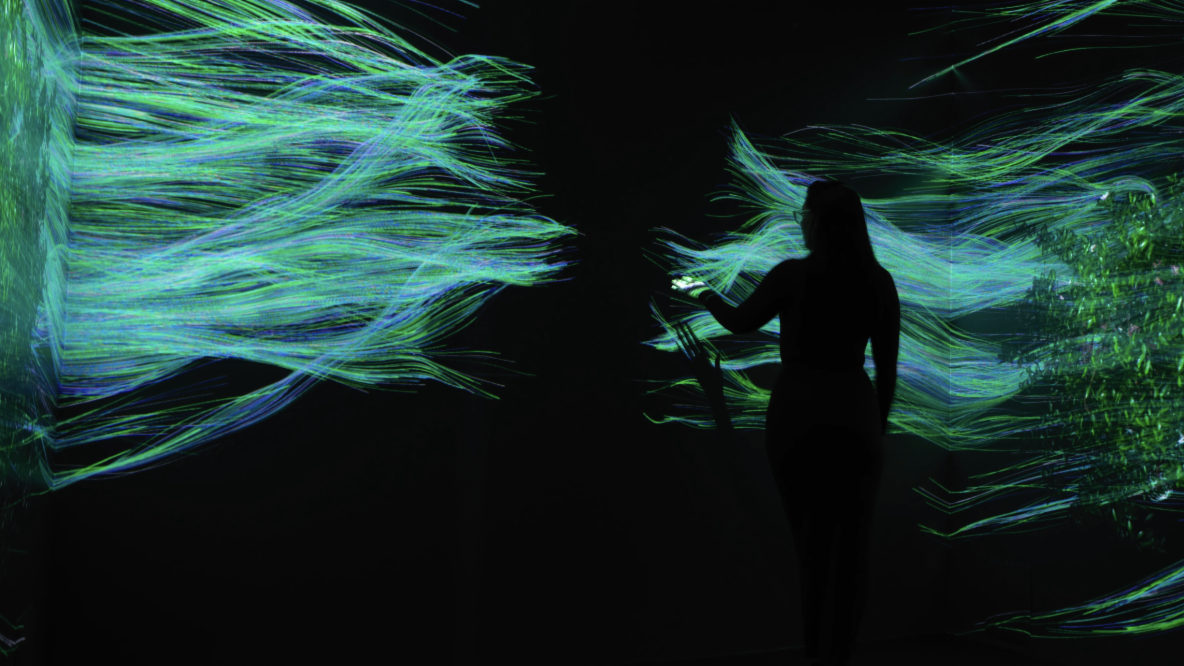
Learn how scientists collect and interpret data from a variety of sources to give us the big picture of what we know about our home planet. Explore high-resolution data visualizations, investigate three interactive experiences, and watch short, narrated videos displayed on NASA’s hyperwall.
PLAN YOUR VISIT
| | |
National Aeronautics and Space Administration
NASA explores the unknown in air and space, innovates for the benefit of humanity, and inspires the world through discovery.
Visit nasa.gov
| | | | | |