Connecting members with the latest news from USAHA, and with each other. | | Hi USAHA! Happy spring, and welcome back to your Connection newsletter. USAHA’s district meetings are well underway, with the northeast version already in the books for this year, the north central meeting looming, and the southern and western meetings slated for June. To learn more and register for the perfect excuse to visit your favorite part of the country, visit the USAHA website. | | We are pleased to bring to you in this edition some key USAHA leadership introductions, a Government Relations Committee meeting wrap-up, and a 101 on USAHA’s District at Large – Allied Industries (DAL-AI). We hope you are finding time in your busy schedule to take advantage of the change of seasons and surround yourself with the people and things you enjoy the most. That is different for each of us, but important for all of us. You may prefer communing with nature or enjoying the hustle and bustle of an urban area as it wakes up from a long winter. But wherever your Happy Place is, we hope you find yourself there as often as possible, and we hope you enjoy this edition of Connection. | | |
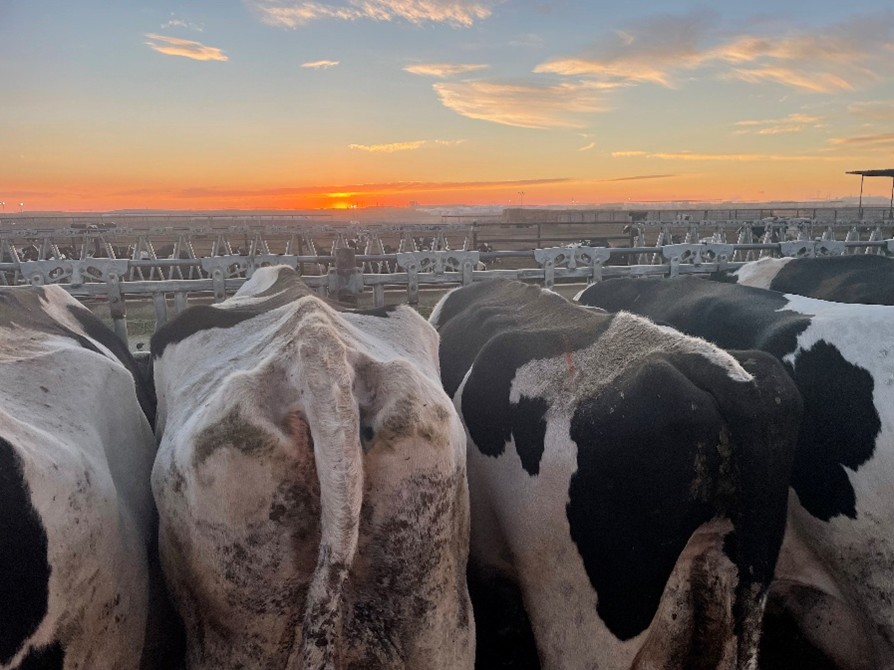
USAHA’s 3rd Vice President Scott Leibsle titles this photo from his A-roll “Sunrise on a Holstein Herd”
and describes this as his Happy Place. At 6:30am on a random field workday, Scott asked his staff to drive him to the corrals that were furthest away from the chaos and leave him be for the next 3 hours to get some hands-on work done. We are not sure how successful he was, but he took a darn good photo.
Keep reading to learn more about what makes Scott and other USAHA executive committee (EC) members tick.
| | On Tour and In Service: A Year-to-Date with USAHA President Charlie Broaddus | | |
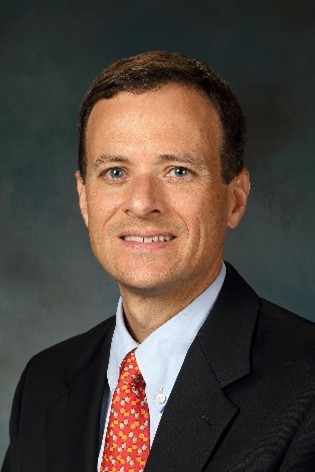
There are not many public service presidential positions where you can head out on your debut tour and your farewell tour simultaneously. But that is exactly the situation the USAHA president finds him or herself in every year while “doing the circuit” of USAHA district meetings. The USAHA president is a VIP guest at as many of the district meetings as they can attend and is responsible for providing a USAHA update to members in attendance. For some members, this may constitute the debut opportunity to meet our association’s president in a meaningful way, and for that president, the district meeting tour marks the midway point of the highest profile year of an executive committee (EC) commitment that has spanned 5 years by that time. So, maybe it’s not quite farewell, but it is at least over-the-hump of the 6-year commitment.
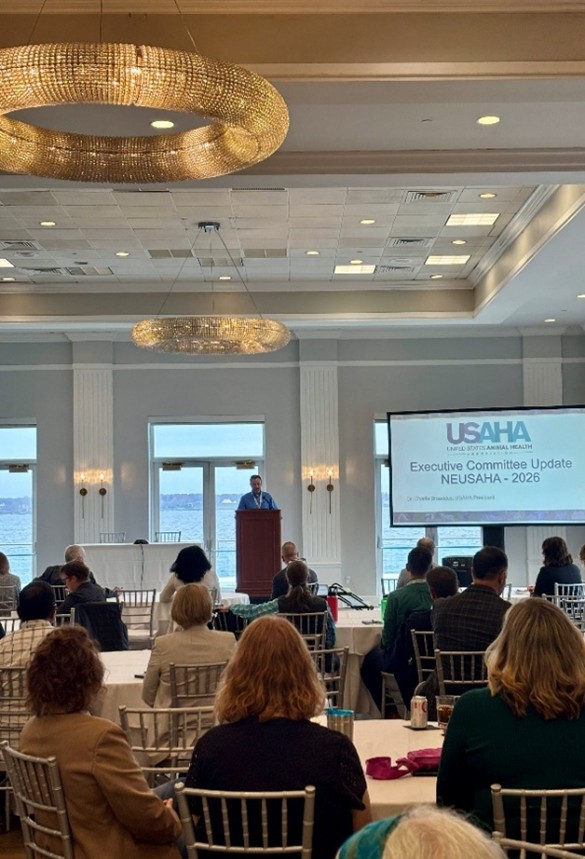
| | Virginia State Veterinarian Charlie Broaddus finds himself in the phrenetic but rewarding role of USAHA president this year, and we caught up with him at the recent Northeast USAHA meeting in Newport, Rhode Island. Charlie reflected on the decisions that got him to this point, noting that being a part of USAHA’s EC has allowed him to serve others on a broader scale beyond the confines of his Virginia home-state border. Charlie is thankful for this opportunity because he garners professional satisfaction from making a meaningful difference and leaving the industries he serves in a better place than he found them. | | So… it will come as no surprise that when we asked Charlie for his best presidential advice for members, his answer was a resounding “Get involved!” You may have heard this before, but it is worth repeating. And heeding. Charlie went on to say, “USAHA is based on human connections and the active engagement in issues that make life better for those Americans involved in the most basic and essential industry in our world – producing food. If you have ideas, share them! Discuss, refine, and nurture them – many will not go on to make a difference, but some will – only those that you put forward. The USAHA organizational structure is well-designed to facilitate that flow of ideas and energy to make the world a better place.” | |
|
One of the slides Charlie shared during his presentation to NEUSAHA members read:
“USAHA offers the single best avenue to improve agricultural animal health and welfare policy for the public good. More brains, experiences, backgrounds, and opinions make for better solutions.
Contribute yours.”
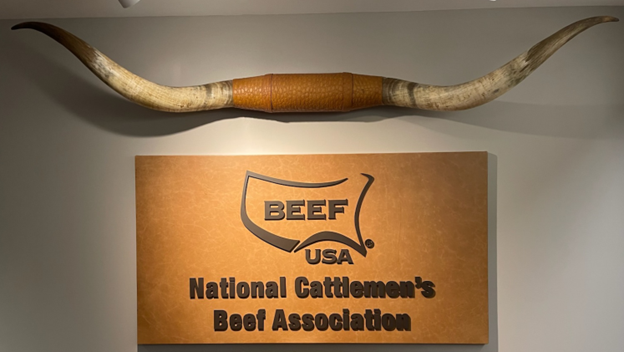
| | | | Charlie is also a team player and would like USAHA history to recognize him as a strong and capable voice in a long line of solid USAHA leaders. One way Charlie intends to leave USAHA a little better than he found it is by advocating for and supporting sound budget decisions that allow USAHA to achieve its stated goal of maintaining two years of operational expenses in reserve. Various circumstances in recent years have dipped into those reserves, and Charlie notes that rebuilding them will put USAHA in a secure position for many years to come and will further the good work of those who have served before him. | | It hasn’t been all work, though. There has been and will still be a little bit of professional “play” for our USAHA president. Charlie has enjoyed immensely getting to know his EC colleagues and the USAHA committee chairs a bit better during his tenure, and he noted it will be an honor to attend the WOAH meeting in Paris as part of the US delegation. That is definitely one of the best perks of this presidential gig! | | | Enjoyable down time can also occur while out “on tour.” An EC meeting several years ago doubled as a scouting trip to Mount Rushmore during some down time. Charlie was so impressed with the monument that he hopes to go back with his family one day. But until then, Charlie is grateful to be in the here and now. In fact, when we asked what era Charlie would most want to live in, he noted, “I can’t think of any time I’d rather live in the US than right now. We are so incredibly fortunate to live in this country, with all the amazing opportunities that we have – not perfect, but still wonderful. While I do sometimes yearn for the simpler times before social media and the ability to instantly communicate, for better or worse, with others through our phones/computers, I think that we have it in ourselves to “simplify,” and with some intentional effort to do that at times, I am very grateful to be living in this exact time.” | | USAHA is certainly grateful to have Charlie as the “leader of our band” this year, and we wish him continued successful tours here and abroad until we all gather again for the 2026 Annual Meeting. | | What’s Ahead: Critical Updates from the 2026 GRC Meeting | | USAHA 1st Vice President Kathy Simmons chaired the 2026 Governmental Relations Committee (GRC) Meeting in Washington, DC in mid-March. We always bring you a synopsis of the annual GRC meeting in the spring edition of Connection, and it seems especially important to do that this year given the unique challenges state and federal governments and animal health industries are facing. If you are new to USAHA, or even if you are a more experienced member, you may be wondering why this meeting should matter to you. Fortunately, Kathy was prepared for that question and offered this answer: | | “The USAHA, GRC meeting is a high-value gathering of USAHA and AAVLD leadership, committee chairpersons, and district presidents. It serves as a forum for valuable information sharing and networking, and it stimulates committee planning and brainstorming for the annual USAHA meeting in the Fall. Additionally, the meeting location in Washington, DC affords the opportunity for political exchanges and introductions to agricultural leaders in government and industry.” | | The second day of the GRC meeting is historically held at the National Cattleman’s Beef Association office in DC. Those who have attended will attest to the plush comfy conference room chairs being just as memorable as the NCBA logo that greets you. | | The GRC is a fluid committee representative of the entire US. As USAHA EC members and committee chairs change, so does the GRC. However, the immense value of the GRC meeting stays consistent year after year – an opportunity for GRC members to communicate openly and directly about “hot topics” and USAHA resolutions with federal government and organizational partners who make up the fabric of USAHA and US animal health. Although the GRC takeaways are different each year, they are always relevant to USAHA members. | | The 2026 GRC meeting discussions revealed some key dates and time frames to keep your eyes on in the coming months and years: | | - FDA reminds us of the upcoming reauthorization in 2028 of the Animal Drug User Fee Act, which is reauthorized by Congress every five years. Their recently published Guidance for Industry (GFI) #273, Defined Durations of Use for Medically Important Antimicrobial Drugs in Feed, is set for implementation in February 2029, and GFI #152, with an updated list of the medically important antimicrobial drugs for human health, is expected to be released this year.
| | - USDA, Agricultural Research Service (ARS) reported on the progress of the ARS strategic research action plan development - retrospective review and listening sessions (2025); action plans (on the website); draft research objectives (spring of 2026); finalize research objectives (late spring 2026); develop deliverable strategies (early summer 2026); undergo peer review process (late summer/early fall 2026); initiate new action plan (2027). Keep an eye on the ARS website for more information.
| | - The National Bio and Agro-Defense Facility, commonly known as NBAF in government speak, will begin their Foreign Animal Disease Diagnostician training and Foreign Animal Disease research in the summer of 2027.
| - USDA, Food Safety Inspection Service reminded attendees the Product of USA Rule was revised after the first of this year to mean that an animal must be born, raised, and processed in the United States to receive a “product of the USA” label.
| | Federal staffing updates were also discussed: | | - USDA reports that the hiring freeze at ARS has been lifted, and hiring will start with NBAF staff.
| | - USDA, APHIS has experienced a challenging year, having endured a 20% reduction in force (16% were veterinarians) at the agency. They shared staffing changes at the Department’s executive level: Acting APHIS Administrator - Kelly Moore, Chief Veterinary Officer - Alan Huddleston, and the lead in veterinary field operations - Adis Dijab.
| | - As of mid-March, the CDC staff had reduced the number of veterinarians working at the agency from 145 to 112. CDC’s rabies program activities have been especially hard hit due to additional staffing reductions.
| |
|
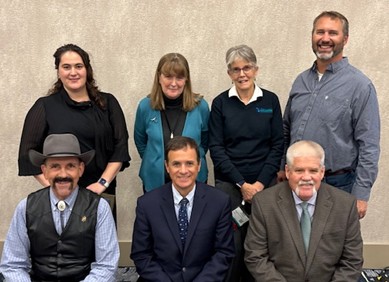
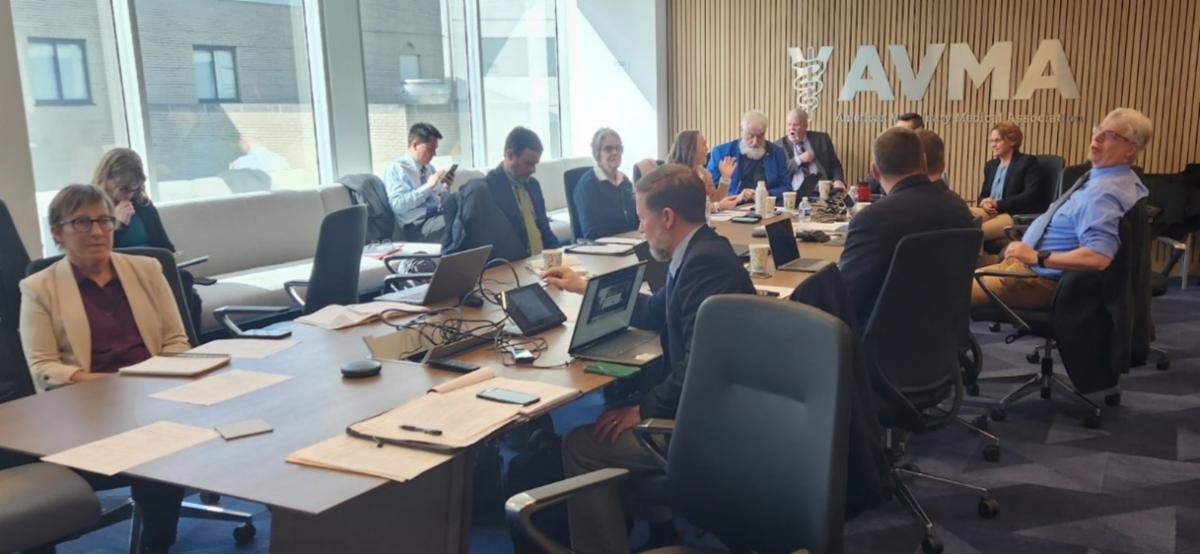
The AVMA generally hosts Day 1 of the GRC meeting, which serves as a welcomed
in-person gathering that beats a zoom call any day!
| | | | Important GRC topical updates include the following: | | - The AVMA governmental relations team reported out on priority legislative issues involving xylazine, the Rural Veterinary Workforce Act, the Veterinary Medicine Loan Repayment Program, and the Healthy Dog Importation Act.
| | - USDA, APHIS, Wildlife Services re-emphasized the practical consequences of CDC staffing shortages on the National Rabies Management Program, as well as other Program challenges, including vaccine procurement problems and efficacy of oral vaccine in skunks.
| | - The Department of Homeland Security’s Customs and Border Protection has strengthened its collaboration with USDA to guard against the threat of New World screwworm from Mexico.
| | - The FDA, Center for Veterinary Medicine (CVM) reviewed their strategic planning with prioritization of accelerating cures for animals. There was a review of the recently formed FDA innovation centers at universities and the innovation agenda at CVM, as well as processes to facilitate the approval of new animal products.
| | - The National Association of State Departments of Agriculture (NASDA) updated meeting attendees on their policy work and areas of mutual concern with USAHA. NASDA is engaged in foreign animal disease issues, works with states on traceability issues, and supports the USDA’s Rural Veterinary Action Plan. NASDA works in international animal health through missions to foreign countries with the USDA Foreign Agricultural Service.
| - USDA, Food Safety Inspection Service representatives informed the GRC the agency intends to take a science-based approach for regulating Salmonella and plans to continue the HACCP-based system for pathogenic E. coli as well as additional testing and training opportunities for listeria.
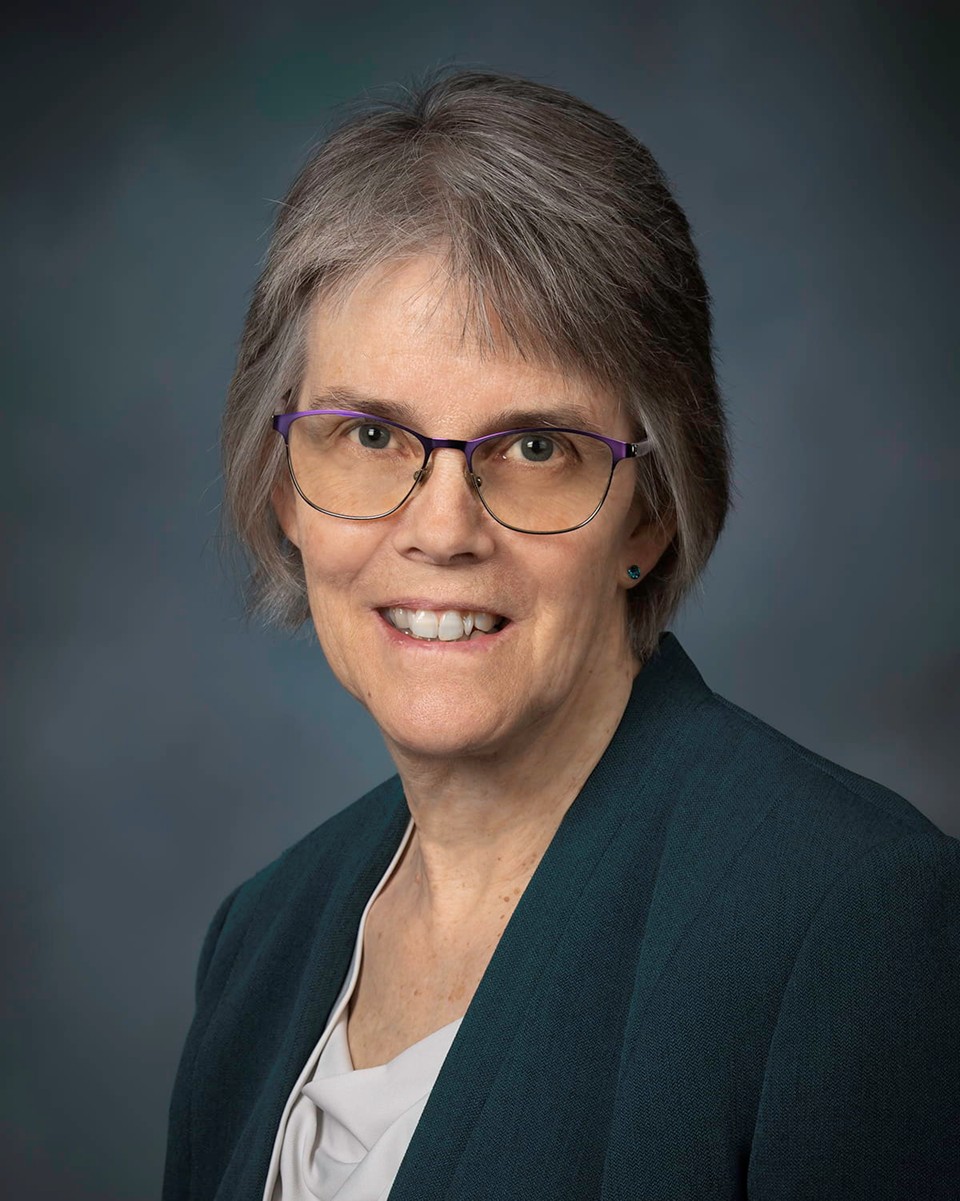
| | Thank you to the 2026 GRC members for traveling to our nation’s capital to engage in these important discussions with key partners related to animal health. You may have heard the saying, “When times are most challenging, communicate more.” The annual GRC meeting affords that important opportunity for USAHA, and we are grateful for it. | | From Finances to Farm Life: Getting to Know Nora Wineland | | Michigan State Veterinarian Nora Wineland cites her enthusiasm for USAHA and her desire to contribute to making it better where she can as the impetus for her to throw her proverbial hat into the ring when USAHA put out the call in 2025 for a new treasurer. Nora was elected as USAHA’s treasurer at the close of the 2025 Annual Meeting, and she will serve as our money manager for 6 years. We wanted to give you a chance to get to know her a little better here. Nora describes USAHA as an impactful organization that has been a “north star” for her. USAHA reminds her that being an animal health professional is important work; what we all do matters. Deciding to give back to the organization was an easy decision for Nora, and we are glad she made it. | | | During her USAHA term, Nora looks forward to building on her past financial management experience in the nonprofit and not-for-profit sectors, including having worked with an accountant to file taxes for a non-profit cooperative. And yet, despite having plenty of experience managing money for various entities, Nora firmly believes that it is humans, not money, that make the world go ‘round. “It is all about the human connection, whether that is working with colleagues on projects, collaborating across organizations, supporting causes that appeal to us, supporting other people, or just hanging out with friends. These things can bring us joy in an otherwise challenging world.” In fact, one of Nora’s favorite things thus far about serving as USAHA’s treasurer is getting to know her executive committee (EC) colleagues a bit better. | | |
One of Nora’s goals as treasurer is to work with her EC colleagues and USAHA staff to build up the Association’s reserves while making sure she keeps the focus on a strong financial future for USAHA.
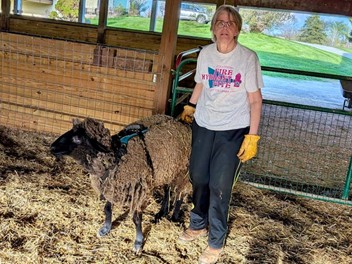
And let’s talk about free time! What is that, you ask? Well, so did Nora. But we pushed her to share with us how she spends hers if in fact she ever finds time for it in a busy schedule, and her bucket list is long. Nora is an avid veggie gardener, as well as a grower of blackberries and raspberries. She is even trying her hand at mushrooms with some logs she inoculated a year or so ago. When she needs a break from “digging in the dirt”, Nora spends time with her horses and sheep, and one in particular keeps her busier than the others – an ewe named Blackie that sustained a back injury as a lamb. Nora’s effort to get Blackie to walk again is a labor of love, and seeing Blackie’s progress is just as rewarding as seeing those veggies grow.
| | |
Nora and her labor of love, Blackie. After Blackie expressed some displeasure with a
borrowed mobility cart from the MSU rehab service, Nora pivoted to a canine Help-em-up harness. Blackie has progressed to the point of being able to ambulate on her own once
Nora gets her going with the harness.
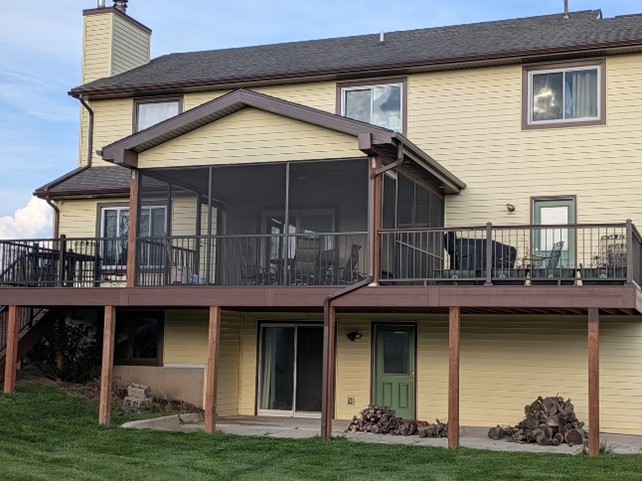
| | Nora is also a runner and works to complete a 5K monthly! She strives to pick races that support causes she cares about and are run in interesting places. With plenty of beautiful parks nearby, the choices are endless. She admits to not always winning a medal, but she appreciates the chance to keep moving and get out there. After a long day at work, a nice run fits the bill, as does the cold dark beer that follows. We think that reward is likely better than any medal, and we wonder if Nora’s runs take her to the tops of mountains to join Scott Leibsle for a cold beer (keep reading for more on that 😊). | | Financially speaking, Nora describes herself as frugal but not afraid to spend a little after a healthy dose of due diligence. She is willing to spend money to make the existing (insert any word here - appliance, vehicle, etc.) work for as long as possible, but once it is done for good, she moves on quickly. When she is finally forced to buy a replacement (appliance, vehicle, etc.) she doesn’t go cheap. Instead, she goes for the full feature and pays attention to quality, while also staying within budget. This last part is the hardest, of course, but it certainly bodes well for USAHA! Nora shared that the recent renovation of her three-season porch is one of the most enjoyable things she and her husband have purchased. That oasis is now complete with a roof, a screened-in section, and a fan for enjoyment spring through fall. It overlooks the back yard, garden, and barn so Nora can keep an eye on all the critters and the growing veggies. | | This is Blackie’s view of Nora’s porch reno… Looking good! | | Nora closed our conversation with this sentiment: “It is a true honor to serve as part of the executive committee of this esteemed organization, and I intend to serve it well.” We know you will, Nora, and thank you for stepping into this important service role. | | |
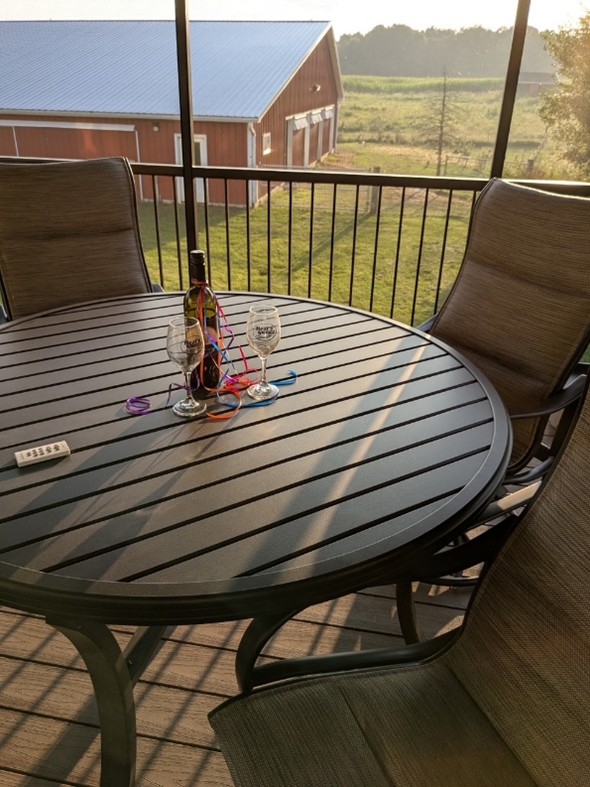
…and this is Nora’s view of Blackie’s house from the new digs, a Room with a View! Wine and glasses sold separately but certainly a nice thing to come home to after a long day at work.
Cheers!
| | Climbing Higher: Scott Leibsle Takes on the USAHA 3rd VP Role | | Idaho State Veterinarian Scott Leibsle picked up the torch for the Western States Livestock Health Association and is running with it as the newest USAHA Executive Committee (EC) member. Scott was elected to the EC by the membership at the 2025 Annual Meeting and his term began at the close of that gathering. Each year, the new 3rd VP is ushered into the “cool kids club” via a nice dinner with EC colleagues and USAHA staff to celebrate the close of the annual meeting and to begin mapping out the plan for the coming year. Although we didn’t ask Scott to spill the beans on his inaugural EC dinner, we did get him to dish out some other details that we hope will allow you to get to know USAHA's newest leader. | And we didn’t want to mess with a good thing. Scott eloquently shares some great insights in his answers to our questions that can serve as advice and lessons for all of us so we are sharing this with you as a mostly-unaltered Q&A that will introduce you to USAHA’s newest EC member. | | |
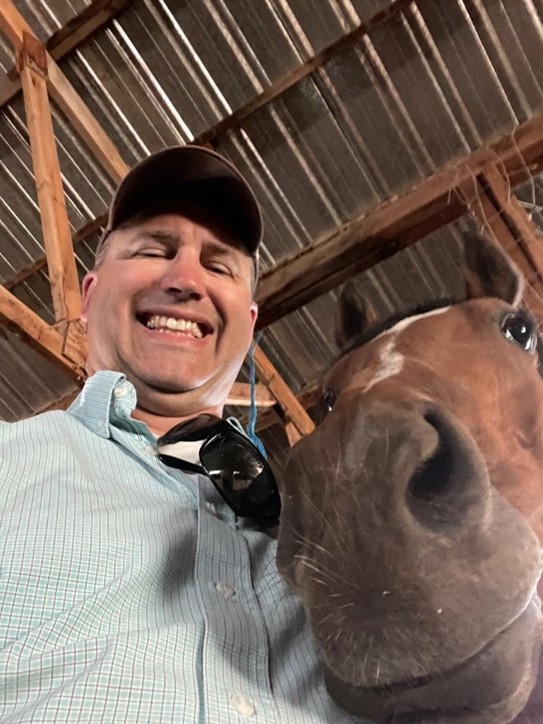
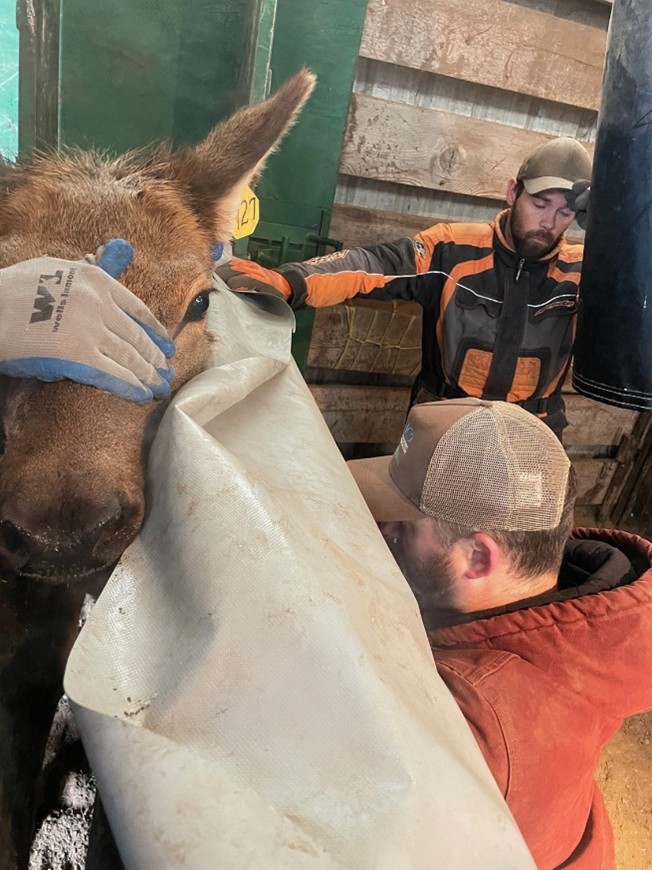
Here is a little teaser for one of Scott’s recommendations – get out of the office when you can and get your hands on some live animals. Fortunately, this live animal only looks mildly concerned. | | | Q: Why were you interested in the USAHA 3rd VP position and/or what has been your favorite part of being an EC member thus far? | | As a state animal health official (SAHO), much of my attention is focused on the support of Idaho’s livestock industries and their trading partners, most of which are in the immediate surrounding states. The best part of the EC for me, so far, is that it provides me with the opportunity to interact directly with SAHOs from other parts of the country that I wouldn’t normally interact with and to hear their perspectives on issues. Many times, they have opinions or analyses that would never have occurred to me, which, in turn, have helped me do my job better in my own state. | | Q: What are your goals/projects for USAHA as a member of the EC, and/or what would you like your organizational legacy to be? | | Improving rural access to large animal veterinary services has been a passion project of mine for a long time. I’m a 3rd generation veterinarian (all large animal vets), and I still remember the days when the small animal services of my grandfather’s practice were merely a “courtesy offering” to his clients while his large animal practice was both the core of his business and a foundational component of the community. Now it’s the large animal services that are usually the “courtesy offering” to the client base, if they’re available at all. However, the urgent need to find veterinarians to serve our industries that remain a critical component of this nation’s food supply has not changed…in fact, it’s become significantly worse. I support any initiative that will both encourage young veterinarians to pursue large animal practice as well as help them reduce the income disparity with their small animal counterparts. | | Like most large animal veterinarians, Scott’s 3rd generation recipe for success is time tested and pretty simple: good colleagues, a good truck, and plenty of optimism. | | Q: What is your favorite part of your state job and why? | | Meeting and interacting with the many members of the livestock industry is by far my favorite part of the job. I never refuse an invitation from a producer to visit their operation and have them tell me about their business. Agriculture is such a diverse and rapidly changing industry, it is always in my best interest to experience an operation first-hand. I think it’s hard enough for government officials to establish credibility with their regulated community as-is, let alone to do so if they’ve never even set foot on their facility to attempt to understand from the producer’s point of view what their challenges are. It also gets me out from behind a computer screen, which is always a welcome change. | |
An elk is not an animal to be complacent around, and one of the selfish perks of developing a good relationship with the producers Scott serves is that they have his back when good restraint is critical. We are going to trust that the partner in the background here got that memo.
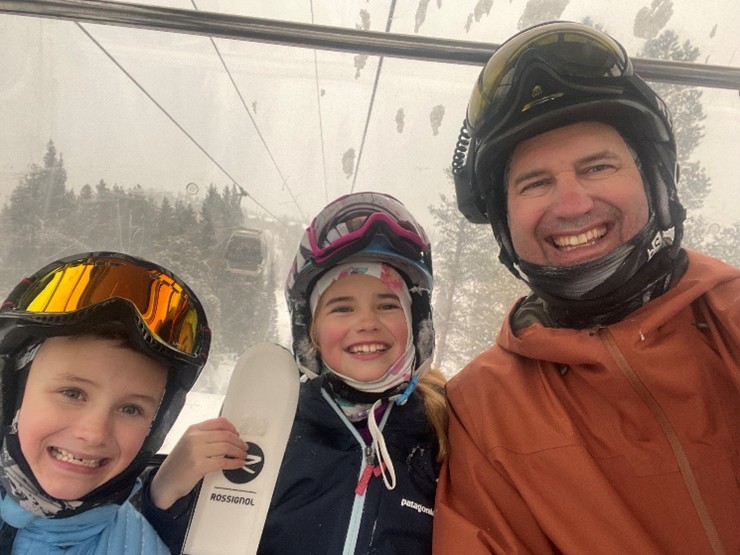
| | Q: What do you like to do when you are not working and why? | | Spending time with my wife and kids in the Idaho outdoors is always my first choice. Downhill skiing in the winter, golf, pickleball and rafting in the summer, and upland hunting in the fall are all popular family activities. In the event I’m forced to be inside, I have a steady supply of projects going in my woodshop to keep me busy. | | Scott enjoying some time on the slopes with his kiddos, Allison (12) and Johnny (9) | Q: What three words would your staff use to describe you and what three would you use to describe yourself? Which version is more accurate? | | I would describe myself as enthusiastic, driven and playfully sarcastic. For my staff….at least one of the words they use to describe me would be LOUD. They might even say loud twice. They would probably also mention sarcastic or at least quick-witted. I think I’m a healthy mix of both versions. | | |
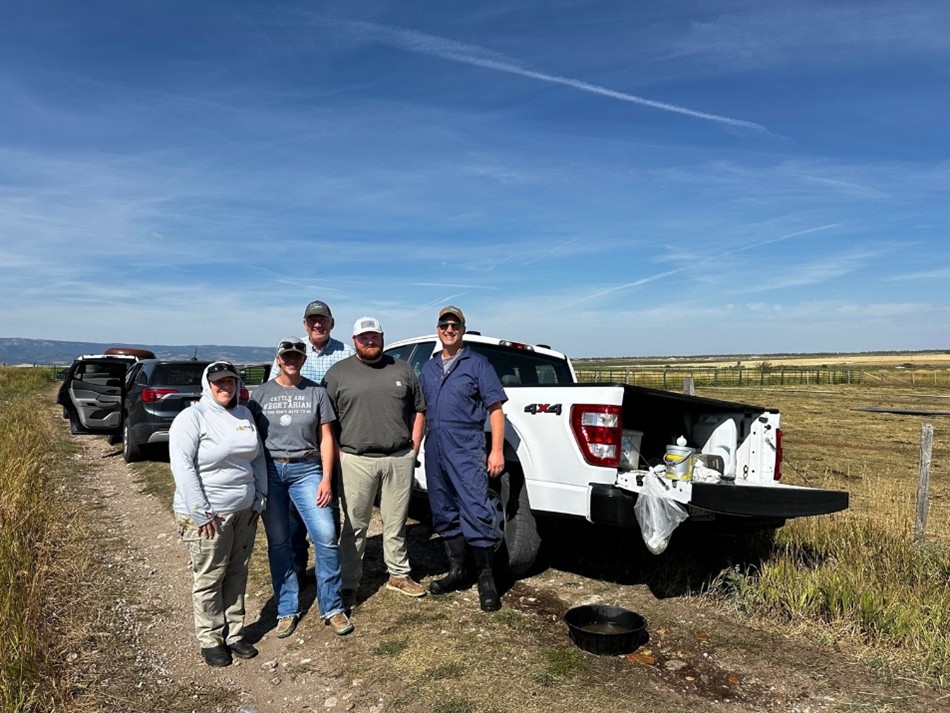
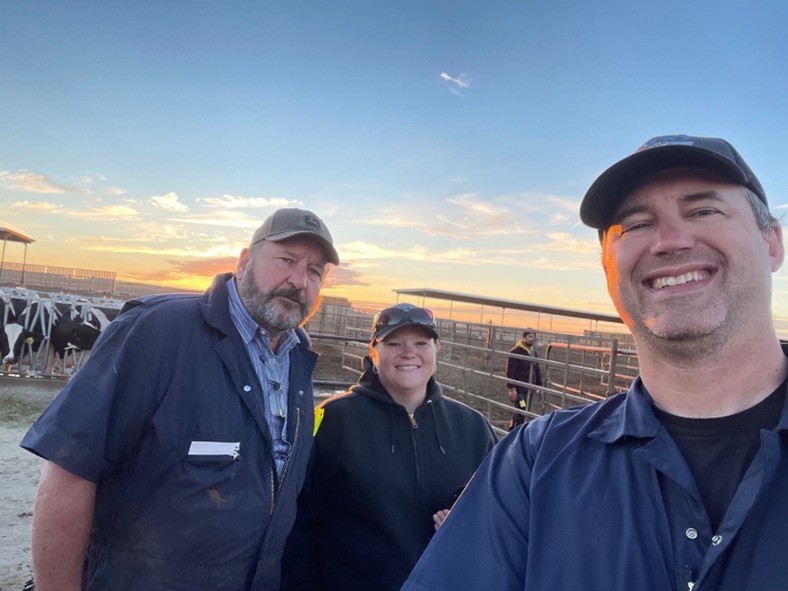
Regardless of the descriptions used, it does look like everybody is getting along, and that is the
most important thing!
| | Q: What is your favorite thing about living in Idaho, and if you could pick one other place to live, where would it be and why? | | My favorite thing about Idaho is that Boise has all the offerings of most major cities, but I can also be in the middle of nowhere in 30 minutes. Idaho’s beautiful outdoors with endless recreation makes it an ideal place for me and my family. I’m not sure I would have a single place in mind if I could live anywhere else. It would just need to have a similar variety of outdoor activities available with beautiful scenery. | | Q: And saving the most critical question for the end, would you rather sit on a beach with an umbrella drink or hike a mountain with a Gatorade? | | Hike a mountain with Gatorade….and then crack open a beverage when I get to the top. | | Well, at least if Nora and Scott are both playing hooky at the 2026 Annual Meeting, we know where to look for them – at the top of a mountain drinking a cold beverage! Thank you, Scott, for stepping up to serve on USAHA’s executive committee on behalf of your district. | |
Get to Know USAHA's District-at-Large - Allied Industries
Large Animal Veterinary Workforce Shortage Identified as an Industry Priority
| | In past April/May editions of Connection we have highlighted one of USAHA’s geographic districts in advance of the spring meeting season. This year, we are shifting our focus to the “district” that transcends geography by bringing together agricultural and animal industries across the entire US: the District at Large – Allied Industries (DAL-AI). Officially and under our by-laws, the DAL-AI represents the Allied Organization members of USAHA, which in turn serve as voting members on USAHA’s Board of Directors. But in a more “boots on the ground” grass roots sense, this geography-neutral district comprises the USAHA members who ensure the wheels keep turning in American agriculture daily. They feed us, protect us, educate us, and ensure the services and tools needed by the diverse US agriculture sector are up to date, reliable, and available. And under the leadership of Co-chairs Gene Lollis and Tim Richards, the DAL-AI has been busy since the 2025 Annual Meeting in Colorado. | | The stated vision of the DAL-AI is to unite all agricultural industries by leveraging DAL‑AI within USAHA as the central platform for collaboration, communication, and advocacy on shared, cross-industry issues that affect agriculture nationwide. This is no small undertaking with a diverse multi-sector membership based throughout the country, each with unique local and regional influences and priorities. But Gene and Tim are committed to uniting the DAL-AI around unifying themes because a united national industry voice is certainly more impactful than a fragmented one. Policy makers pay closer attention when the constituent voice is organized and singularly focused. | | Key takeaways from the 2025 DAL-AI meeting in Colorado (held during the USAHA Annual Meeting) included strong member support for collaborative work and common messaging across organizations and clear member alignment on the importance of developing a collective voice on shared priorities affecting animal agriculture. During that meeting, the DAL-AI also proposed a strategy for managing industry-focused resolutions. This proposed process includes developing the resolution concepts within DAL-AI and then sharing those with USAHA’s four geographic district and committee of jurisdiction members to increase alignment and impact. USAHA executive committee guidance on the role DAL-AI can play in formal resolution submission is currently pending and expected soon. Regardless, this resolution process discussion highlights why it is imperative that geographic district leadership teams encourage DAL-AI members, and industry members in general, to join their spring meetings and engage in the important discussions that may result in formal resolution submission. Resolution concepts initially identified in late 2025 of interest to DAL-AI include animal disease outbreak preparedness and the role of animal-derived protein in food security. | | DAL-AI has more recently rallied around a priority topic they would like to focus on in 2026, one that aligns with the stated priorities of some EC members as well: the ongoing US large animal veterinary workforce shortages. As follow-up to the DAL-AI’s 2025 DAL-AI roundtable discussions, Gene and Tim are currently soliciting feedback from members re. additional priorities, and they are collaborating with USAHA Executive Director Ben Richey to schedule a series of member coordination meetings between now and the 2026 USAHA Annual Meeting (October 15-20; Madison, WI) to focus on the veterinary workforce priority and to prepare for Annual Meeting discussions on this and other topics. | In short, and admirably, the DAL-AI has been busy under Gene and Tim’s leadership. It is no small feat to unify such a large and diverse membership, and it is impossible to do so if discussions are limited to only one short meeting per year embedded in a larger gathering with an already-busy schedule. We congratulate the co-chairs and members of the DAL-AI for maintaining these important conversations in a more impactful way and look forward to learning more about this ongoing effort in Madison in October. In the meantime, we hope that the remaining geographic district meetings have plenty of DAL-AI engagement, and we urge leadership teams to involve their regional industry members in these important discussions that take place. | | |
Finally, in case you missed it or if you just need a refresher, USAHA’s New World screwworm white paper, New World Screwworm (NWS) Preparedness, Prevention, and Response
is hot off the presses.
Check it and related resources out here!
| | | | |