|
|
US Biochar Initiative Newsletter December 2016
|
|
|
From: TOM MILES, Executive Director
As 2016 draws to a close, the US Biochar Initiative would like to share an update with you, and ask for your support as we continue to ramp up a North American Biochar Industry.
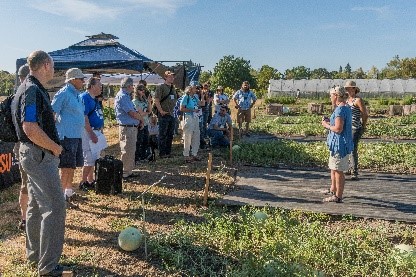
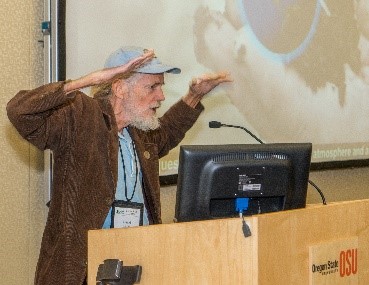
Many of us were able to gather in Corvallis, Oregon in August for the
Biochar 2016 Symposium
. It was an exciting time of sharing information and forging new relationships. One outcome of the conference was a commitment to holding another conference as soon as possible, hopefully in 2017, and the USBI board is working on that now.
USBI is growing along with the biochar industry. We have added two new board members,
Josiah Hunt
and
Ghasideh Pourhashem
, and we have established USBI as a 501-c-3 nonprofit organization. We thank
Gloria Flora
for hosting USBI as a project of
Sustainable Obtainable Solutions
and for serving as Executive Director from 2010-2016.
As we look into the future, we see a lot of change ahead, but we also see some constants. Energy and agriculture are perennial human needs. We know that biochar can improve results for agriculture and that biomass energy has a role to play in meeting our energy needs. As the effects of climate change become more evident over time, biochar stands ready as an important part of climate solutions. Now more than ever, we must stay the course, keep doing what we do so well, and grow our industry.
Your USBI board has been active since the conference, and below we will share some details about what we are doing. But first, we would like to ask for your support. All of the USBI work is done by volunteers and that will continue for some time, but in order to grow, we need to pay for items like website hosting and email communications. Please consider USBI when you make year-end donations. Your donation is tax deductible. Click here to give any amount that you can.
|
|
|
We would like to introduce ourselves to you so you can get an idea of who the USBI Board is and why we support USBI:
|
|
|
|
|
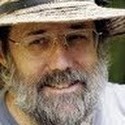
TOM MILES,
Executive Director
T R Miles Technical Consultants, OR
My business is bioenergy and industrial design and development. For me biochar is an important co-product of biomass energy, a tool for nutrient management, and a way to improve soil health. It was a privilege to chair the Biochar 2016 conference and to work with our hosts at the Oregon State University College of Forestry. I serve on the board of the International Biochar Initiative and sponsor a biochar discussion on Yahoo. I look forward to promoting biochar through USBI. I am available at USBiochar@gmail.com
|
|
|
|
|
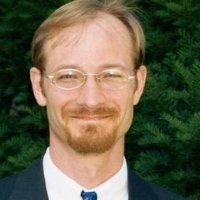
JONAH LEVINE,
Secretary
Biochar Solutions, CO
I work for commercial biochar, soil, and wood products operations. Bringing biochar into the integrated wood products business providing energy and diversified materials are primary goals. I am honored to join the USBI in work that is important to me; supporting and developing efficient methods for the use of biochar to improve soil fertility and sequester carbon. Farming and the natural sciences have long interested me, but it’s climate change that gives a sense of urgency to the work I do. I look forward to the progress we will make together.
|
|
|
|
|
|
RON LARSON,
Treasurer
Larson Consultants
, CO
|
|
I’m the board’s only retiree, working mostly on policy aspects of biochar, with a little time left over for IBI and Biochar Journal activities. As USBI’s Treasurer, I am the contact for our registration with Colorado and the IRS. Much of my day is spent on the web, especially working to get biochar better known as the best of the half called CDR (Carbon Dioxide Removal) at the Google Geoengineering Group site. I follow/manage the ‘biochar” list, which Erich Knight, Tom Miles and I started in 2006; about ten years earlier we started the “stoves” list, introducing and still contributing on char-making stoves. Other biochar policy areas I follow include those of the UN (IPCC and COP meetings), USDA and DoE, and in Colorado: wildfire mitigation possibilities.
|
|
|
|
|
ALBERT BATES,
Global Village Initiative, TN
|
|
Hi I am Albert and I am fresh from attending the UN climate conference in Marrakech where I did a number of slide shows and other presentations, along with IBI board members Johannes Lehmann and Annette Cowie. We are doing what we can to get the world to recognize the valuable contribution biochar has to make in reversing the buildup of atmospheric and oceanic carbon while building soil fertility and improving the lives of farmers everywhere. My recent book, The Paris Agreement, describes how the United Nations is playing an essential role in bringing biochar practices to global scale.
|
|
|
|
|
|
JOHN BONITZ
Celebrity Dirt, NC
|
|
My interest in carbon storage using biochar is a culmination of two and a half decades of work in a variety of environmental fields. It took me that long, focusing on mitigation of climate change, before I discovered the diverse and powerful problem solving potential of biochar. And so now I dedicate my days to mitigation, adaption, increased resilience, and other services through returning carbon to the soil, where we need it. When I'm not with my wife and two kids, I fill my days with consulting in this work, as well as hands-on work on the family farm, making soil amendments. USBI has the potential to help us fulfill the tremendous potential for biochar here in the United States, and this is why I'm honored to serve on the Board.
|
|
|
|
|
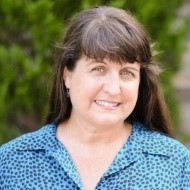
KATHLEEN DRAPER
Finger Lakes Biochar, NY
|
|
Jumping into the early days of building a biochar industry has changed my life in many unanticipated ways. As editor of the Biochar Journal and a Board member of the International Biochar Initiative, I have the distinct honor of collaborating with people across the country and around the world that are actively working to revive soils, reduce environmental impacts of agriculture and rebalance carbon. This is enlightening, empowering, at times exhausting, but more often very exciting and rewarding! I believe USBI can help bridge the challenges and complexities of working together with technology innovators, academic researchers, grassroots organizations, and the many other types of organizations and individuals that are needed to help create a viable, resilient, and responsive biochar industry.
|
|
|
|
|
|
JOSIAH HUNT
Pacific Biochar, CA, HI
|
|
Hi, my name is Josiah Hunt and I’m writing this from Santa Rosa, California, the new headquarters of Pacific Biochar Benefit Corporation. It’s cold today and I can’t wait to get back home to my farm in Hawaii. But I’m here on work that is important to me; supporting and developing efficient methods for the use of biochar to improve soil fertility and sequester carbon. I was born a plant and soil geek, it has always interested me, but it’s climate change that gives a sense of urgency to the work I do. I am honored to be a part of the USBI team, and I look forward to the progress we will make together.
|
|
|
|
|
GHASIDEH POURHASHEM
Baker Institute, RIce University, TX
|
|
To be able to realize biochar’s multiple benefits at a wider scale, effective policies connected to sound science are needed. I am interested in analyzing market tools based on biochar’s benefits that can influence policies to promote biochar production and application while supporting both producers and consumers of biochar so the greater goal of sustainability can be reached. I am excited to join USBI board. The United States Biochar Initiative aims to promote sustainable production and use of biochar and it provides a central platform where all stakeholders in biochar have a chance to get involved, communicate and learn about the latest progress. This is essential in moving the biochar to a level where many of its benefits could be widely and economically harvested, and I am looking forward to being a part of it.
|
|
|
|
|
|
KELPIE WILSON
Wilson Biochar Associates, OR
|
|
What I love most about biochar is that anyone can participate in the biochar industry, whether as a consumer or a producer. I love teaching people how to make their own biochar using simple technologies. I also enjoy working with industry on standards and on developing the marketing information needed to reach the farmers and gardeners who will see the benefits of biochar in their enterprises. USBI is an essential part of this effort that I have supported since the first USBI conference in 2009. In my experience, true change comes about when those who are prepared for it connect with the right opportunities. Let’s grow USBI so we are ready when those opportunities come along, and they most certainly will.
|
|
|
|
|
USBI 2016 Year in Review and Where We Go From Here
2016 has been a year of growth for our biochar community. We continue to see more research in North America and worldwide. After years of product and market development producers are beginning to expand production and develop biochar products directed to specific markets such as retail garden, horticulture, tree care, turf and landscaping, storm water, and remediation.
Education and demonstration have improved but we still have a long way to go. While many people still do not know about biochar, biochar products are now available in many garden centers. Master gardeners and agricultural extension agents are beginning to learn from campus research. Biochar has drawn new interest from the organic recycling and compost communities. We need volunteers to develop strategies for education.
USBI has stimulated three recent policy initiatives that should benefit the use of biochar. In September 2015 the California Air Pollution Control Officers Association (CAPCOA) adopted a “Biochar Production Project Reporting” protocol, based on work by IBI, so that greenhouse gas reduction credits can be claimed for biochar made from sustainable feedstocks. See CAPCOA
Greenhouse Gas Reduction Exchange
(www.ghgrx.org).
In February 2016, after a three-year effort by USBI and IBI, the American Association of Plant Food Control Officials (
AAPFCO
) adopted an official definition of biochar that will serve as a common reference for labeling biochar in all the United States, the Canadian provinces, and Puerto Rico.
In October 2016, the USDA Natural Resources Conservation Service (NRCS) announced an amendment to the
Conservation Stewardship Program
(CSP) conservation enhancement practice, Biochar Production from Woody Residue (E384135Z pdf),
to support the production of biochar following fuel reduction harvests or wildfires. This new conservation practice is based on methods developed by an NRCS-funded Conservation Innovation Grant working with farmers in Oregon, that is being managed by USBI Board Member Kelpie Wilson.
During 2017 we intend to build on the excitement of Biochar 2016. It was a privilege to contact biochar producers and users throughout North America and to experience the lively and productive interaction at the conference. We drew many sectors into the biochar discussion, including private industry, research, academia, extension, government, and the agricultural, bioenergy and organic recycling industries. Host the next conference in 2017/2018! Contact us at USBiochar@gmail.com.
Topics from the conference included standards, formation of an industry association, and new markets such as feed. With your support, we intend to continue the discussion of a biochar producers group, to publish working documents for standards, to publish a directory of the biochar industry, to collaborate with regional groups, and to promote the use of biochar as a feed additive.
It takes a diverse community of organisms to build healthy soil and it will take a strong network of diverse players to build a vibrant biochar industry. We hope you will join this network and support USBI now and in the years to come. Please visit the USBI website to learn more and make a donation.
HAPPY HOLIDAYS FROM USBI!
|
|
|
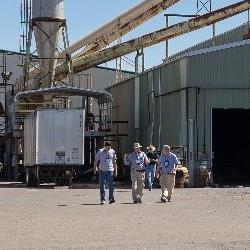
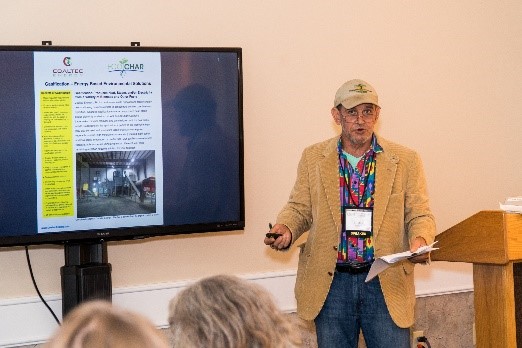
PHOTOS FROM BIOCHAR 2016 BY MARCUS KAUFFMAN
|
|
|
|
|
|
|
|