|
UT Energy Bulletin | May 2026 |
| | | |
2026–27 Chevron Energy Graduate Fellows Announced
Chevron and the Energy Institute at The University of Texas at Austin have announced the recipients of the 2026–27 UT Chevron Energy Graduate Fellows Awards. The prestigious fellowships support eight outstanding graduate students conducting innovative research across the energy spectrum during a key year of their education. Chris Dillon, General Manager External Innovation, Chevron Technical Center, said of the awardees, “From advancing lower carbon technologies to rethinking the future of global energy systems, these fellows are working on challenges that truly matter.”
Meet the Fellows
| | | |
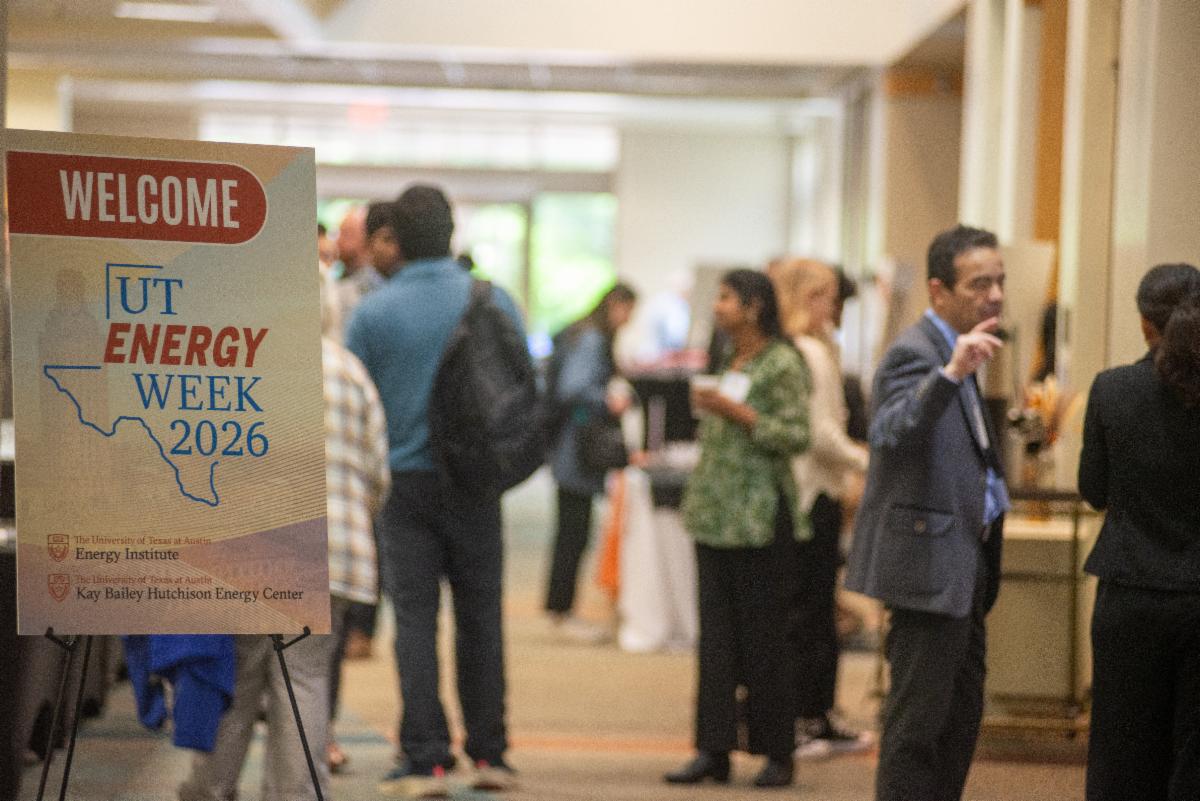
UT Energy Week 2026: Shaping the Future of Energy in Texas
At UT Energy Week 2026, researchers and industry leaders convened for five days of panels, presentations, and discussions addressing the most timely issues impacting the future of energy in Texas. The annual event brought together policymakers, academics, students, and energy professionals to explore topics ranging from nuclear energy and geothermal resources to AI infrastructure and critical minerals. Catch up on any sessions you missed by viewing the Energy Week recordings here and here.
Explore the Program and Video Links
| | | |
Transition Macroeconomics Consortium Launches New Site and Video
An international community of researchers and practitioners known as the Transition Macroeconomics Consortium has launched a standalone project website to communicate its work to develop and promote economic frameworks that are fit-for-the-purpose of modeling the dynamics of decarbonizing the economy.
Visit the Site or Watch the Explainer Video
| | | |
Data Centers Are Growing in Texas, But Big Questions Remain About Water Use
A recent white paper from the Bureau of Economic Geology’s COMPASS research consortium projects that data centers could potentially account for 3% to 9% of Texas’s water use by 2040.
Read More
| | | |
UT Startup Advances Hydrogen Breakthroughs with Seed Fund Investment
The UT Seed Fund is helping launch Celadyne Technologies, a startup tackling one of hydrogen energy’s biggest barriers—efficiency and durability—using advanced membrane technology, in order to scale hydrogen solutions for defense, transportation, and industrial applications.
Read More
| | | |
Next-Generation Nuclear Innovation
UT Austin researchers are advancing nuclear technologies across energy, medicine, and national security—from modular robotics in hazardous environments to breakthroughs in cancer treatment and next-generation reactors. The annual Texas Nuclear Symposium held as part of UT Energy Week 2026 showcased the latest developments in nuclear energy at UT and in the State of Texas.
Read More
| | | |
Tokyo Semester Abroad Connects UT Students and Japanese Energy Experts
Participants in the Cockrell School of Engineering’s Advanced Nanotechnology & Innovation for Beginners Maymester in Tokyo, led by EI Director Brian Korgel, recently spent a memorable day learning from experts from across Japan’s energy and engineering sectors, connecting with industry leaders from Koyo Engineering Corporation, Woven by Toyota, the Japan Research Institute and Tokyo Electric Power Company.
| | | |
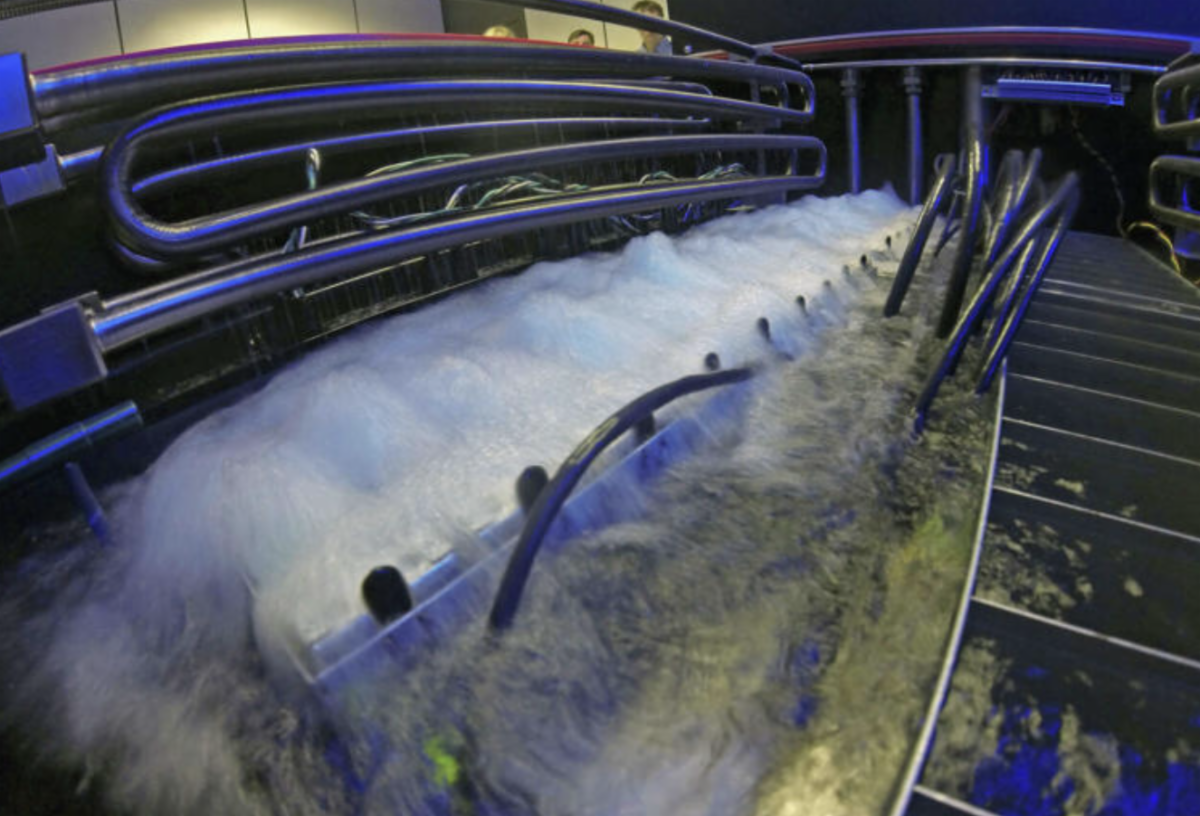
UT Researchers Explore Immersion Cooling for Next-Generation Data Centers
To address the rising energy demands of AI-driven data centers, researchers at The University of Texas at Austin are studying immersion cooling systems that regulate server temperatures by submerging electronics in specialized cooling fluids. The research aims to identify more efficient, sustainable cooling solutions capable of reducing both electricity consumption and water usage as digital infrastructure continues to expand.
Read More
| | | |
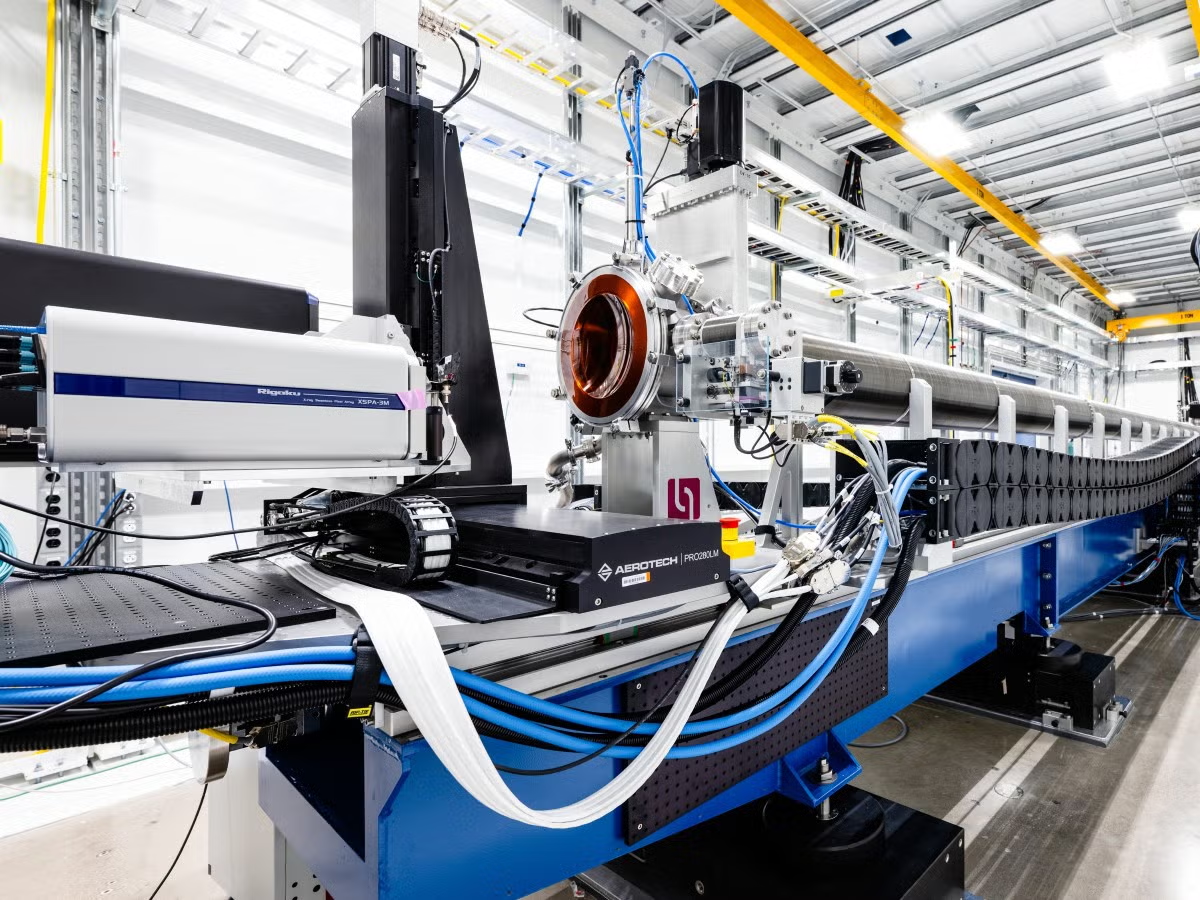
UT Research Reveals Salt’s Role in Next-Generation Energy Materials
Researchers at UT Austin and partnering national laboratories have discovered how salt can be used to control the formation of nanocrystal gels, helping simplify the development of advanced materials with customizable properties. The findings may contribute to future innovations in energy storage, energy-efficient windows, and other emerging energy technologies.
Read More
| | | |
Exploring the Future of Energy Through Quantum Materials
In a recent interview, Edoardo Baldini shares how advances in quantum materials research could contribute to more energy-efficient electronics and next-generation information technologies. By studying how particles interact within complex materials, Baldini’s lab is uncovering behaviors that may one day support faster computing, improved imaging systems, and lower-energy technologies.
Read More
| | | |
Campus Construction Projects Emphasize Energy Efficiency in New Labs and Residence Halls
As major construction projects reshape the University of Texas at Austin campus, the
Uuniversity is increasing its focus on sustainable design and long-term environmental
performance. New projects, including the Engineering Discovery Building and the Whitis Court
Residence Hall, are being developed to meet LEED Gold certification standards through
features such as energy-efficient systems, water conservation measures, biophilic design, and
the use of low-emission materials.
Read More
| | | |
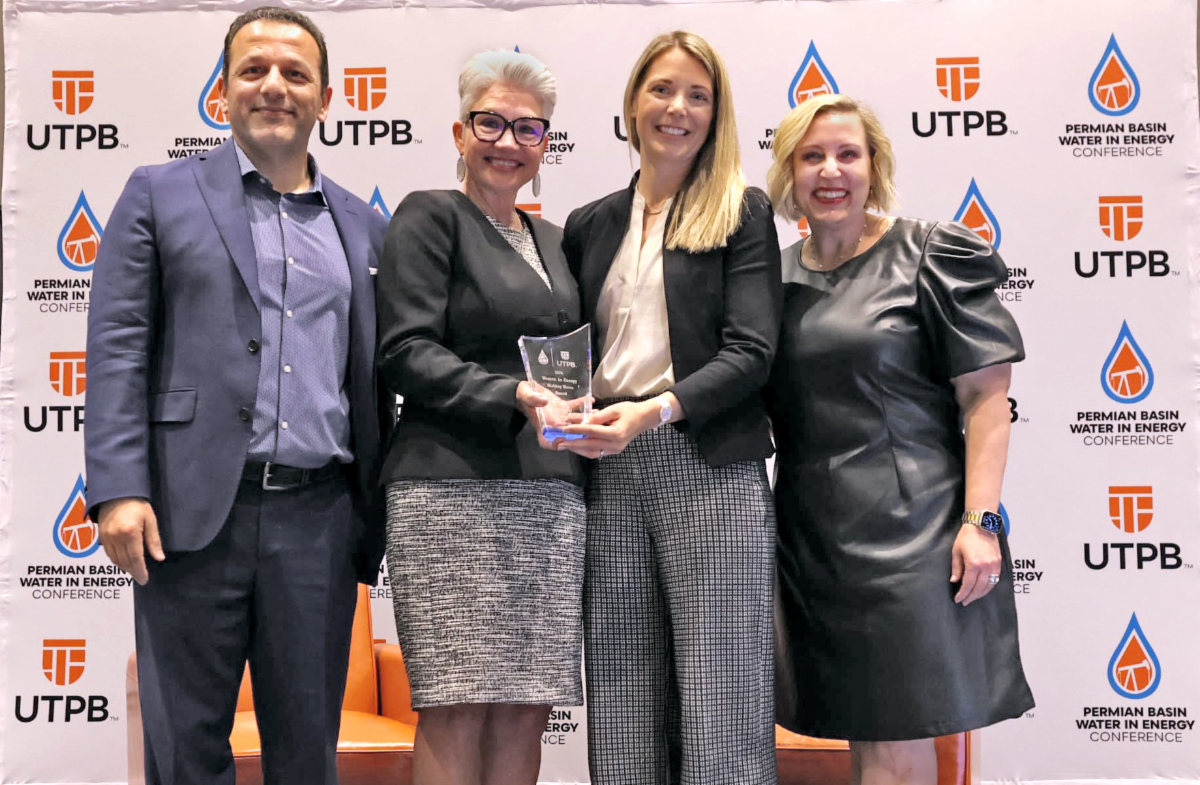
Katie Smye Honored for Leadership in Energy and Water Research
The Bureau of Economic Geology’s Katie Smye was recently recognized with the Woman in Energy: Making Waves Award for her leadership in water and energy research. Her work on reservoir dynamics, injection systems, and induced seismicity continues to support a deeper understanding of the environmental and operational challenges facing the energy industry.
Read More
| | | |
Jackson School Graduate To Apply Machine Learning Forecasting for Electricity Systems
Christian Fogerty, a graduating student in the Jackson School of Geosciences’s Energy and Earth Resources program, was featured in a Class of 2026 profile highlighting his research on machine learning forecasting for electricity systems. After graduation, Fogerty will join AI energy startup Halcyon, where he will work on energy and regulatory data platforms for industry professionals.
Read More
| |
Season 2 of Phases and Stages: The Texas Energy Story Coming Soon
The first season of our podcast, Phases and Stages: The Texas Energy Story was all about place. Host Andy Uhler traveled throughout the state to capture the voices, concerns, and expectations of communities in Texas experiencing the transition of the energy industry first-hand. You can check out all of the cities and towns and their stories here.
Season 2 is about ideas. Uhler will chronicle a new era of Texas wildcatters. These wildcatters aren't searching for black gold, they're betting on innovation in the existing energy industry infrastructure (think: small, modular nuclear reactors and carbon capture and storage) and on innovation in the energy industry of the future (see: geothermal and nuclear fusion).
We’ll hear from CEOs of start up companies shepherding the ideas, and the hedge funds and banking insiders providing the capital for these projects. We’ll also hear from the Texans poised to build this new energy industry and the young people who will undoubtedly work there.
The first episode of Season 2 is already in production. We'll let you know as soon as it's available to download and listen.
| | |
Energy Institute
Andy Uhler was interviewed about the Phases & Stages podcast on HPM's program Hello Houston. Uhler reflected on the changing dynamics of the energy industry, from shifting federal support and sustainability priorities to the growth of renewables and emerging energy technologies across Texas, particularly in regions like Matagorda County.
Brandon Mulder reports in The Texas Tribune and Texas Standard that rising electricity demand from data centers is driving a surge in natural gas projects on Texas’s power grid, marking the first time in a decade that gas generation has surpassed wind in ERCOT’s interconnection queue.
Jorge Piñon told The New York Times and ABC News that Cuba is effectively out of oil and Al Jazeera, CNN, and Miami Herald that fuel shortages and widespread blackouts are deepening Cuba’s economic crisis while accelerating the country’s push toward renewable energy and solar development.
| |
Nuclear and Radiation Engineering Program | Energy Institute
Danielle Zigon and Derek Haas were quoted in an Austin-American Statesman article on the new momentum behind nuclear energy in Texas and the recent Texas Nuclear Symposium held during UT Energy Week 2026.
| |
Energy Institute | Hildebrand Department of Petroleum and Geosystems Engineering
Carey King and Hugh Daigle discussed the implications of the United Arab Emirates’ decision to leave OPEC and OPEC+ in South China Morning Post, highlighting tensions over production quotas, long-term export ambitions, and the evolving geopolitical dynamics shaping global oil strategy.
| |
Cockrell School of Engineering | Hildebrand Department of Petroleum and Geosystems Engineering
Hugh Daigle also discussed the potential energy market impacts of the United Arab Emirates’ planned exit from OPEC in a recent interview with Marketplace. Daigle noted that ongoing conflict and infrastructure damage in the Middle East could continue disrupting global oil supply, while the UAE’s departure could eventually contribute to increased production and lower oil prices over the longer term.
| |
LBJ School of Public Affairs
Rajeev Patel told Texas Standard that the war in Iran could affect Texas grocery prices by disrupting global energy and fertilizer markets, increasing costs for farmers and food supply chains. Patel noted that prolonged disruptions to fertilizer shipments and global trade routes could lead to higher food prices and reduced crop availability.
James K. Galbraith examined the geopolitical and economic implications of escalating tensions with Iran in a recent Project Syndicate commentary, arguing that continued instability in the region has increased uncertainty in global energy markets while exposing broader challenges in U.S. foreign policy strategy and long-term planning.
| |
Bureau of Economic Geology | COMPASS
Ning Lin discussed the recent white paper from The University of Texas at Austin that estimates data centers could account for up to 9% of statewide water use by 2040 with ABC13 Houston.
Mariam Arzumanyan told The Texas Newsroom that uncertainty remains around how much water Texas data centers will ultimately consume because cooling systems and energy sources vary widely across facilities.
| |
Webber Energy Group
Joshua Rhodes was quoted in Politico Power Switch and E&E News noting that the entire electricity system is trying to grow simultaneously on both supply and demand sides with a limited number of transformers available.
Rhodes was also quoted in Grist noting that while clean energy development in Texas is expected to continue following federal incentive rollbacks, it will proceed more slowly and at greater cost, likely resulting in higher electricity prices and reduced returns for rural counties.
Rhodes was quoted in Houston Public Media about the significant uncertainty about how much generation capacity and transmission infrastructure needs to be built to support rapid data center growth in Texas.
| |
Cockrell School of Engineering | Walker Department of Mechanical Engineering
Michael Webber discussed the growing presence of offshore wind energy at Houston’s Offshore Technology Conference in a recent Houston Chronicle opinion piece, arguing that rising electricity demand, grid reliability concerns, and Texas’s existing energy infrastructure could position the state as a major player in offshore wind development, despite continued political resistance surrounding renewable energy expansion.
| |
College of Natural Sciences | Department of Physics
Swadesh Mahajan was featured in Stet News discussing the opportunities and challenges facing nuclear energy startup Ampera with its proposed thorium-powered portable reactor systems. He highlighted the potential of deployable nuclear power for applications such as data centers and maritime operations, while emphasizing key hurdles as advanced nuclear technologies continue to evolve.
| |
College of Liberal Arts | Department of Government
Nathan Jensen told WIRED that tax incentives for data center-related energy infrastructure are drawing increased scrutiny as companies pursue larger-scale power projects across Texas. Jensen noted that while Texas’s JETI incentive program includes stronger safeguards than earlier tax abatement programs, oversight for projects tied to behind-the-meter power generation remains relatively limited.
UT Environmental Science and Government student Maiya Olsen published an opinion piece for Public Citizen about how the rapid expansion of AI and data centers is reshaping Texas’s energy landscape. Olsen explored the strain that rising electricity demand could place on ERCOT, transmission infrastructure, utility costs, and emissions, while highlighting debates around regulation and grid reliability.
| | | |
Register Now: KBH Energy Center Symposium 2026
September 11, 2026
The University of Texas at Austin
Register Now
| | | | |
Save The Date: Hydrogen Day 2026
October 8, 2026
The University of Texas at Austin
| | | | |
Save The Date: Global Solar Power & Energy Storage Forum
October 9, 2026
The University of Texas at Austin
| | | | | |
Register Now: EEMDL 2026 Annual Event
October 13-15, 2026
The University of Texas at Austin
Register Now
| | | | | |
Save The Date: UT Energy Week 2027
April 5-9, 2027
The University of Texas at Austin
| | | Thank you to our partners and sponsors for supporting the UT Energy Institute | |
| | | |