Son’s gift brings new name: Faillace Department of Psychiatry and Behavioral Sciences
|
|
As a visionary pioneer in psychiatric medicine, Louis Faillace, MD, made contributions to his field that are immeasurable. But for his children, it is his role as a loving, supportive father that has been the most precious.
In gratitude for that gift, his son Anthony Faillace has made another: a $3.5 million gift to The University of Texas Health Science Center at Houston (UTHealth).
The gift will create three endowed chairs and a scholars program. The department will now bear a new name: the Louis A. Faillace, MD, Department of Psychiatry and Behavioral Sciences at McGovern Medical School at UTHealth.
“The gift supports faculty and research because those are things important to him,” said Anthony Faillace, whose father was the founding chair of the department. “As an academic and a physician treating mental illness, my father has always worked to make the world a better place. As a result, he made me consider what might make others’ lives better.”
A researcher and clinician recognized for his work in the field of alcoholism and behavioral health, the senior Faillace joined McGovern Medical School in 1971 and immediately began building the department.
“Dr. Faillace’s pioneering spirit and history of accomplishment laid the indispensable foundation for the very programs we build upon today. He is a supporter and advocate for mental health care in the Greater Houston community and we are proud that the department will now carry his name,” said Jair Soares, MD, PhD, professor and chair of the Faillace Department of Psychiatry and Behavioral Sciences and the Pat R. Rutherford, Jr. Chair in Psychiatry.
Louis Faillace, MD, said he made the decision to relocate his family from Baltimore, where he was on the faculty of Johns Hopkins University, to Houston because, “this medical school represented an opportunity to build something new.”
He served the university full time for 22 years, playing pivotal roles in UTHealth’s affiliations with the UTHealth Harris County Psychiatric Center, Memorial Hermann-Texas Medical Center, and Harris Health’s Lyndon B. Johnson Hospital. He also served as interim dean of the medical school from 1984-1985. He now serves as professor emeritus.
“Dr. Faillace’s guidance and vision for the department in its early years set the pace for the high distinction we have been able to reach today,” said Giuseppe N. Colasurdo, MD, UTHealth president and Alkek-Williams Distinguished Chair. “This gift will make a meaningful difference in the lives of the families we serve – mirroring the support and advocacy that Dr. Faillace has provided to our community for many years. It also will have an immediate impact on the department, enriching the already strong academic programs and leading to unprecedented research discoveries and treatments.”
The endowed chairs created in Faillace’s name will help recruit and retain faculty who are researching and teaching innovative ways to treat behavioral disorders and promote mental health and well-being, while the Faillace Scholars Fund will award research grants through a competitive process to address the most critical behavioral health challenges.
“Mental health is a hugely important issue that is little understood,” Anthony Faillace said. “It is a health issue on par with heart disease or cancer because mental illness strikes more people at a younger age. There is clearly a big difference between illnesses that occur on average late in life, as opposed to during a person’s prime years. This age gap means many more years of struggle and also, especially for those with more serious mental illness, dramatically lower life expectancy. The goal is to give faculty more resources to do good research in an area that affects so many people.”
|
|
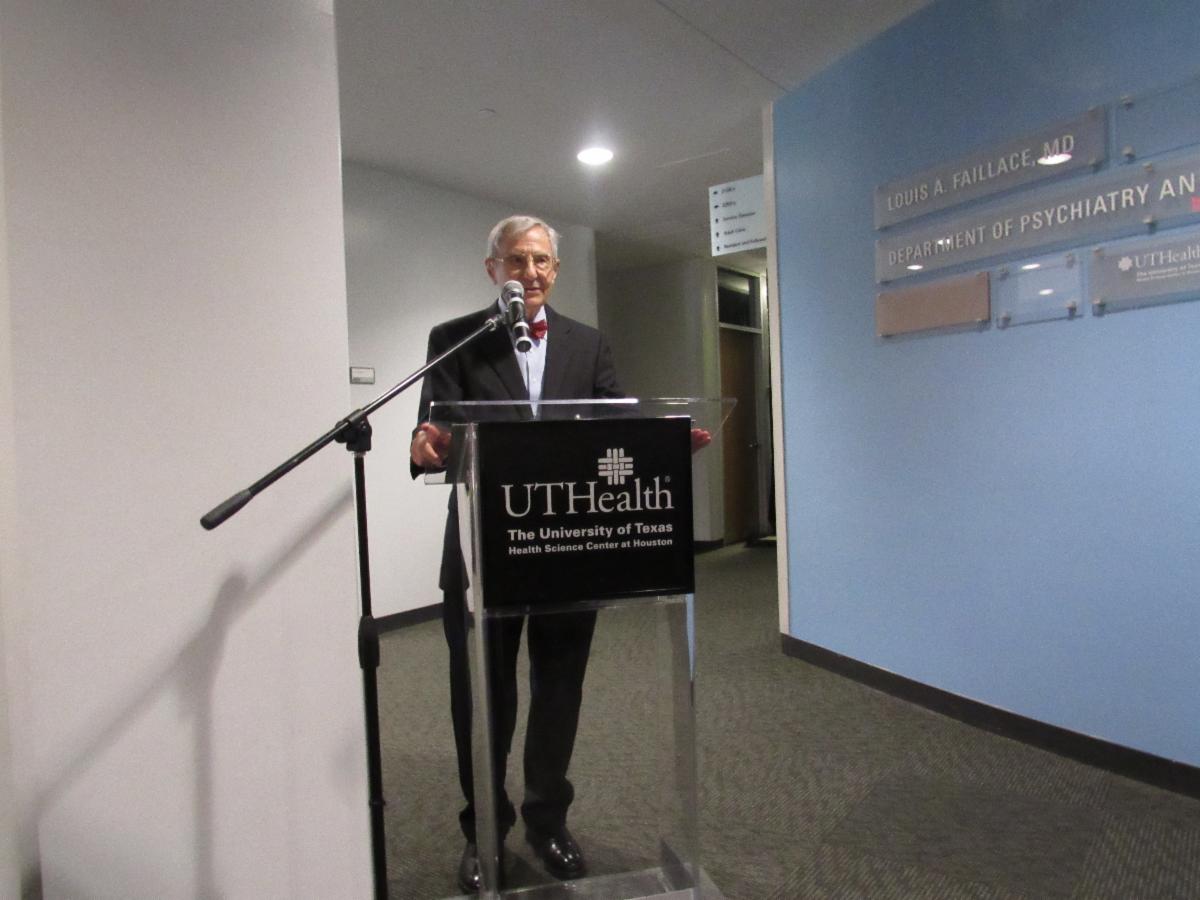
Louis A. Faillace, MD, speaking at the naming unveiling event for the department. (Photo by Aaron Zapata/UTHealth)
|
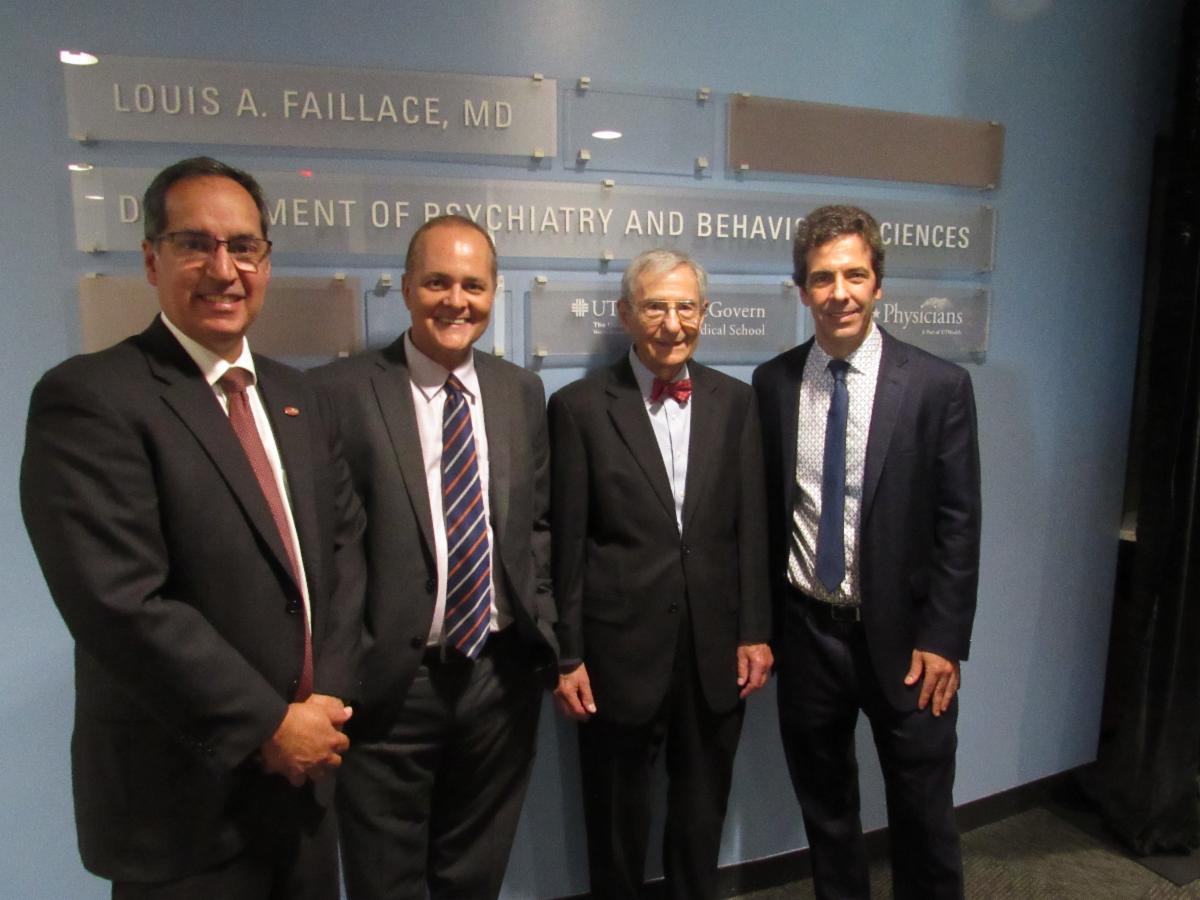
(Left to right) Michael R. Blackburn, Ph.D, Jair Soares, MD, PhD, Louis A. Faillace, MD, and Anthony Faillace in front of the new department sign at the naming unveiling event for the department. (Photo by Aaron Zapata/UTHealth)
|
|
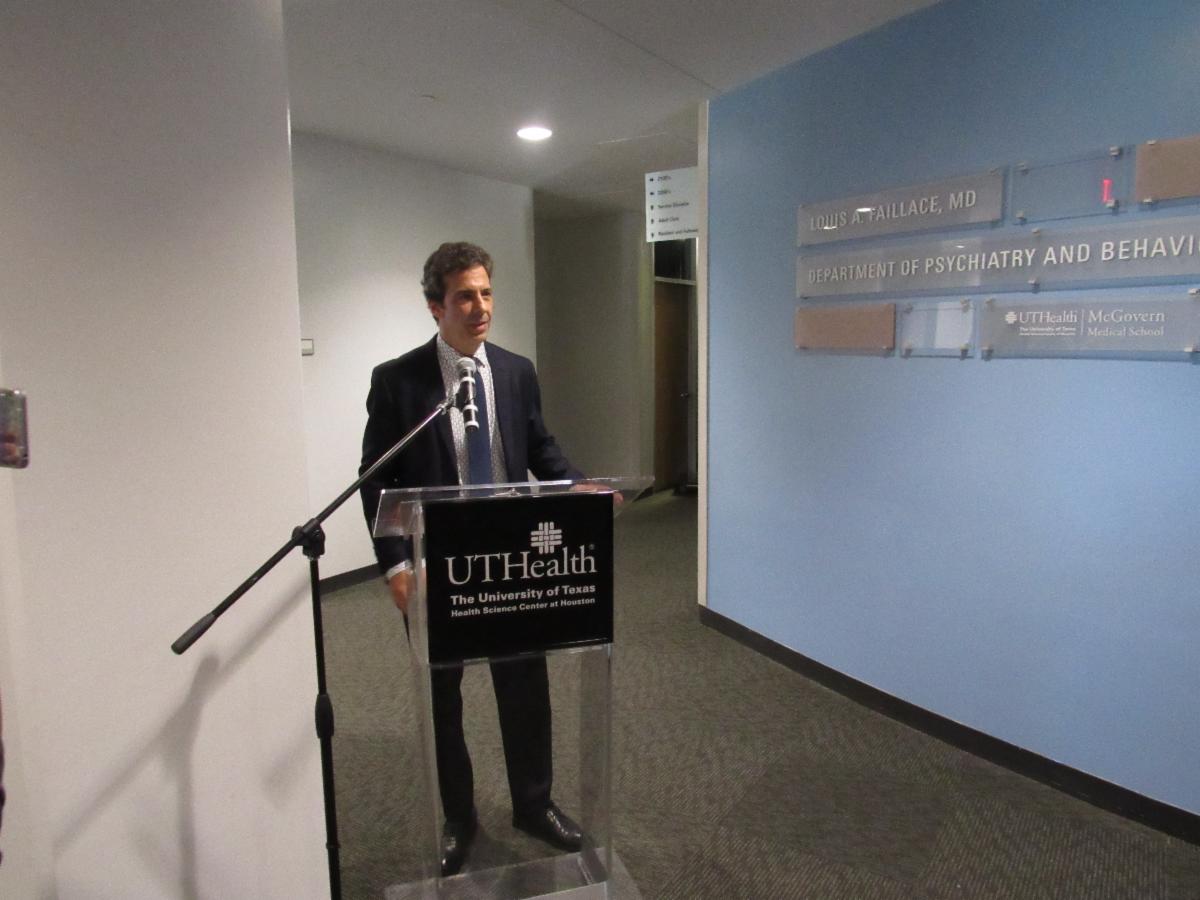
Anthony Faillace introducing his father at the naming unveiling event for the department. (Photo by Aaron Zapata/UTHealth)
|
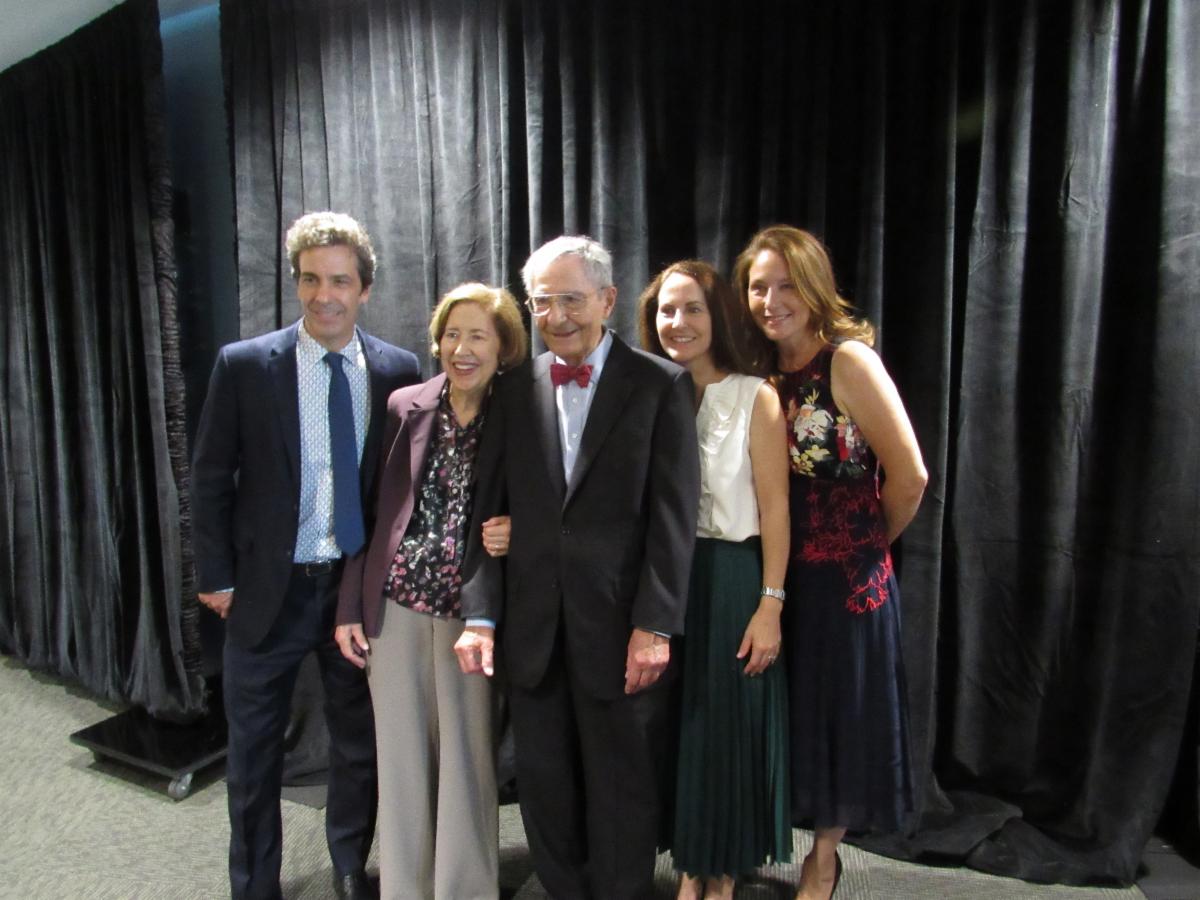
Louis A. Faillace, MD, with family members at the naming unveiling event for the department. (Photo by Aaron Zapata/UTHealth)
|
|
Inside the 2019 Houston Mood Disorders Conference
|
|
The 2019 Houston Mood Disorders Conference took place on Friday, September 20 and Saturday, September 21 at the
Memorial Hermann-Texas Medical Center Conference Room.
Depression is one of the most common mental health disorders in the United States, affecting more than 17 million American adults. This conference explored the greatest clinical challenges across the life-span and in complex clinical scenarios. Interdisciplinary clinicians and scientists offered new insights from the latest research on major depressive disorder and discussed the role of novel therapeutic approaches for treatment optimization.
More than 200 physicians, psychologists, scientists, nurses, residents and fellows, med students, and others traveled from all areas of the United States to listen to a wide variety of lectures on depression disorders.
In all, 17 lectures were given, ranging from depression to the latest ways to treat different types of mood disorders.
We look forward to next year's conference, which will be September 25 and 26, 2020.
|
|
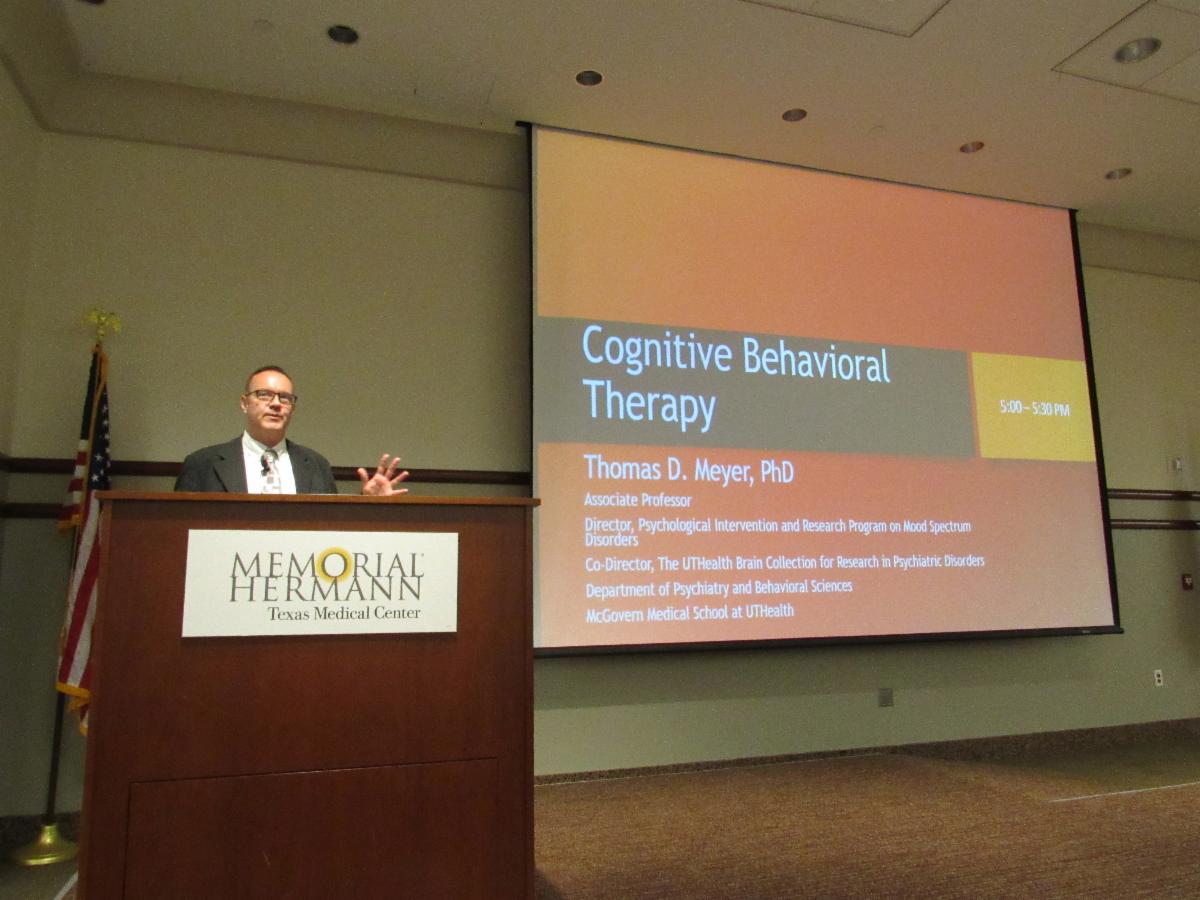
Thomas Meyer, MD, giving a lecture at the 2019 Houston Mood Disorders Conference. (Photo by Aaron Zapata/UTHealth)
|
|
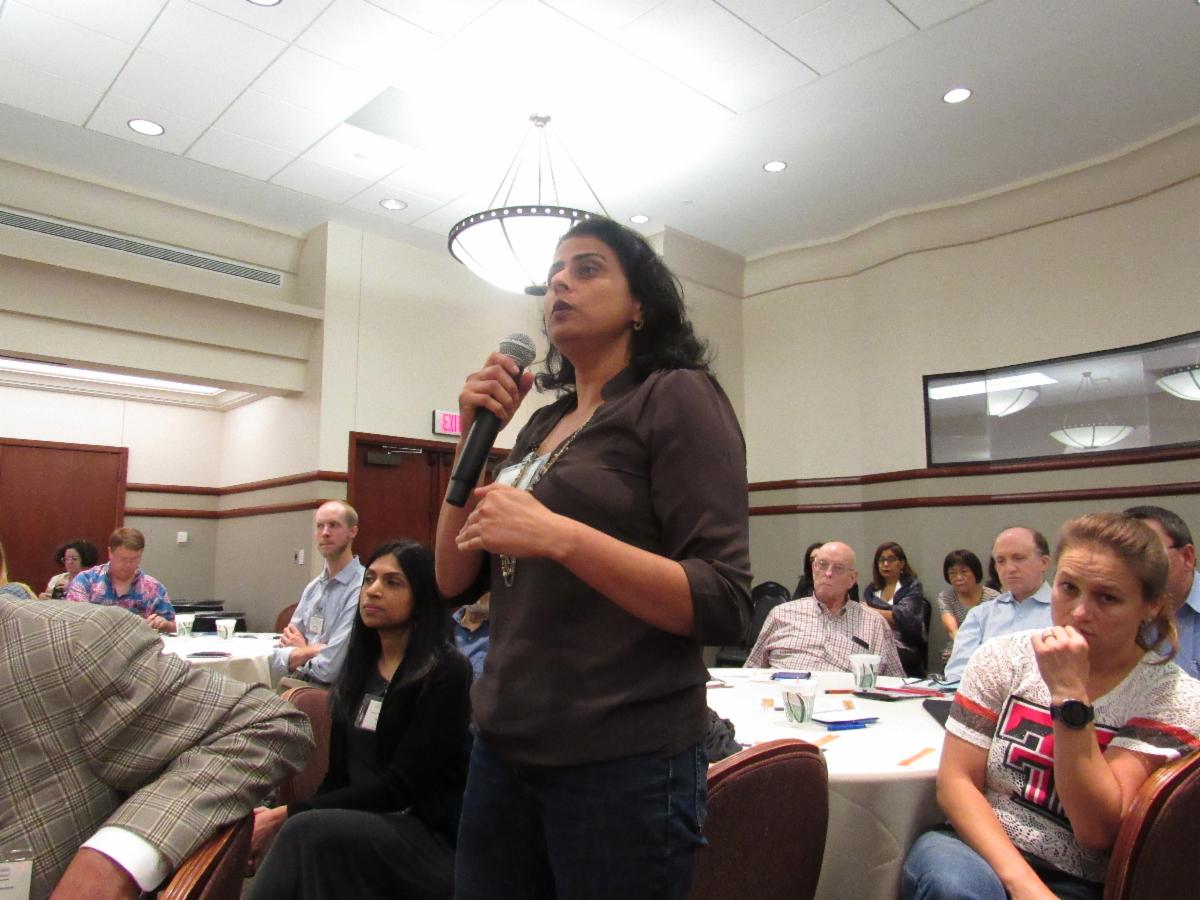
An attendee asking a question during the Q&A session at the 2019 Houston Mood Disorders Conference. (Photo by Aaron Zapata/UTHealth)
|
|
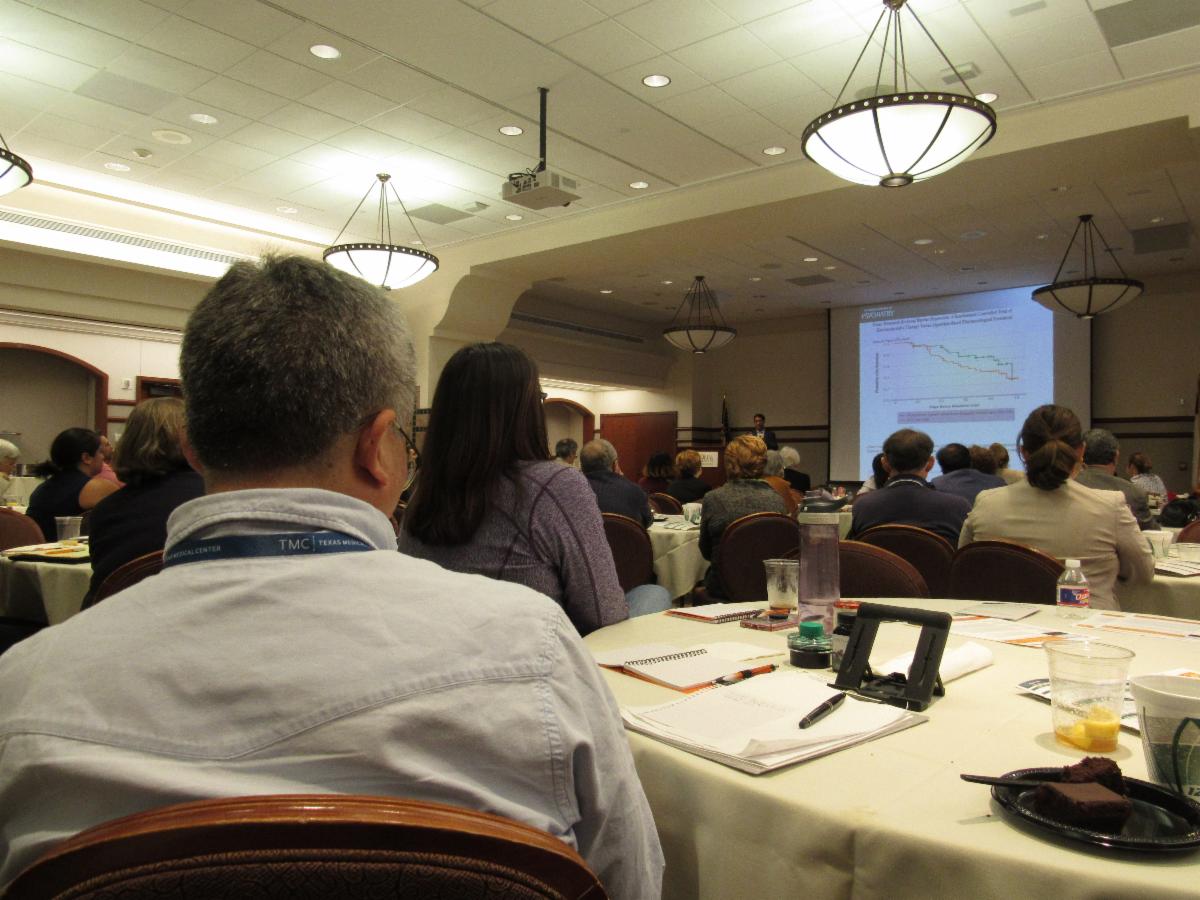
Attendees listening to a lecture at the 2019 Houston Mood Disorders Conference. (Photo by Aaron Zapata/UTHealth)
|
|
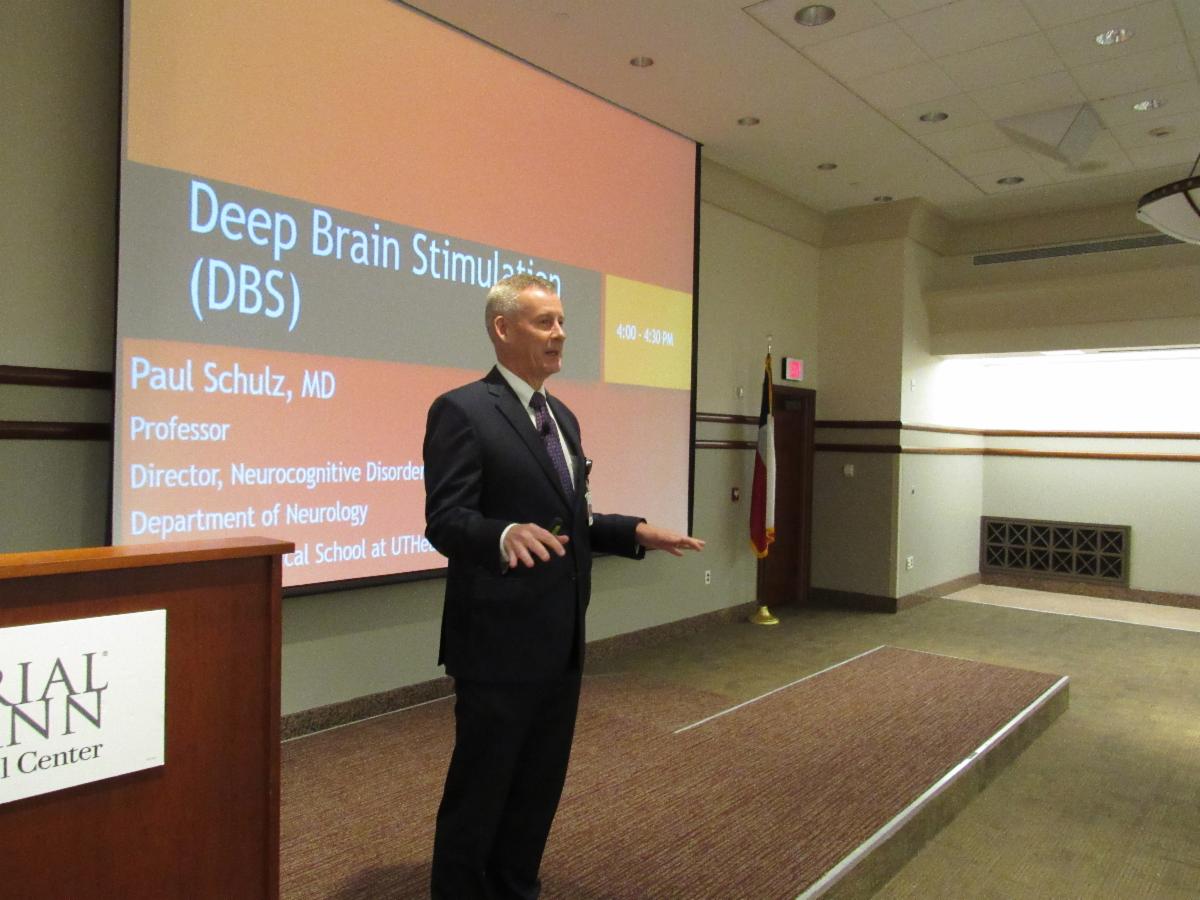
Paul Schultz, MD, giving a lecture on deep brain stimulation at the 2019 Houston Mood Disorders Conference. (Photo by Aaron Zapata/UTHealth)
|
|
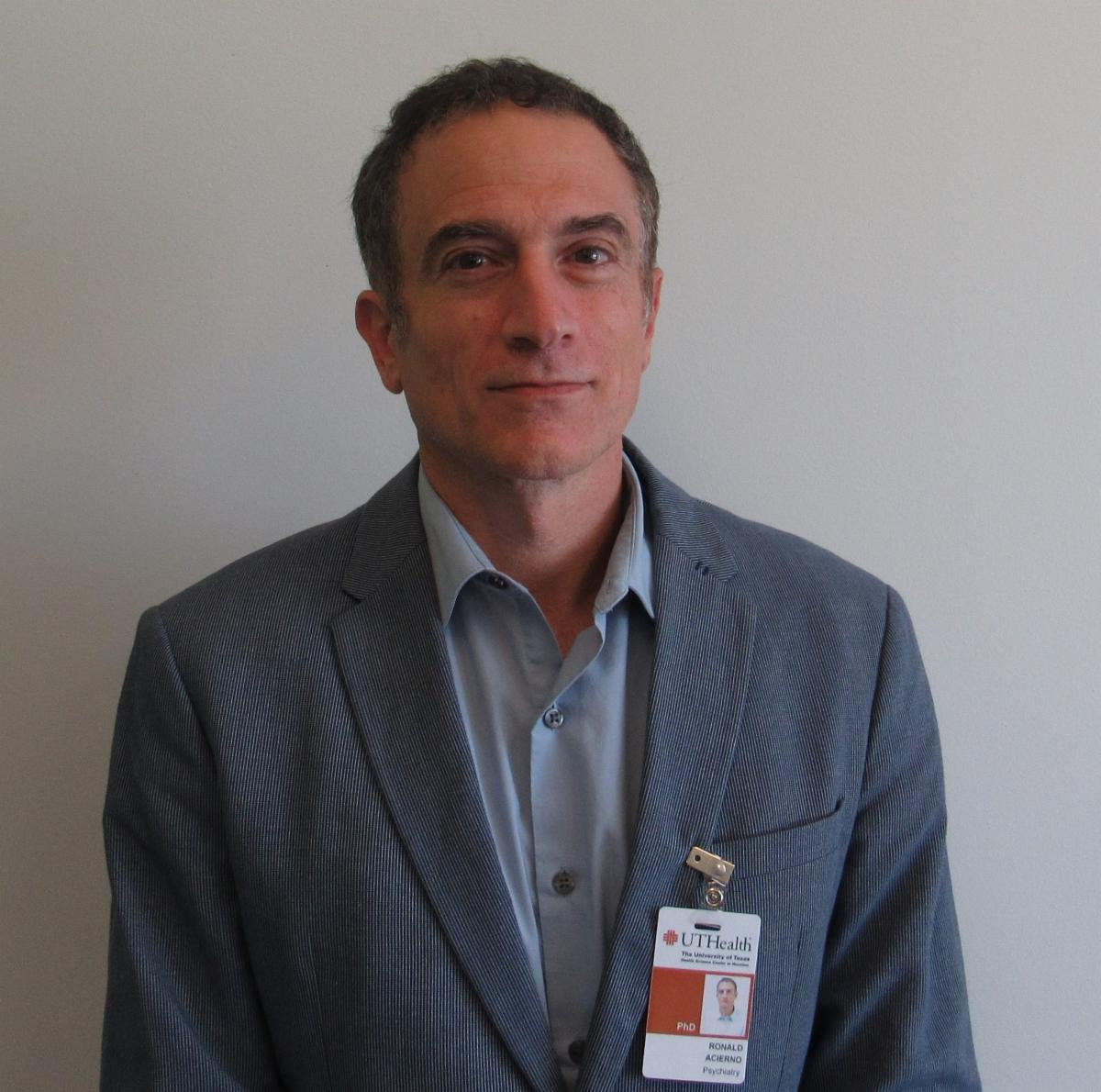
The Faillace Department of Psychiatry and Behavioral Sciences at McGovern Medical School at UTHealth recently recruited Ronald E. Acierno, PhD, as a professor and executive director of the UTHealth Trauma and Resilience Center, as well as vice chair for Veterans Affairs. He started with us on Sept. 1.
Acierno completed his master’s degree and doctorate in clinical psychology from Nova Southeastern University in Florida. He completed an internship at the Medical University of South Carolina (MUSC), then joined the MUSC Department of Psychiatry and Behavioral Sciences in 1996 as a research associate, progressing to professor in 2009. In 2014, he was promoted to professor and appointed as the associate dean for research in the MUSC College of Nursing.
Acierno mixes epidemiological research with treatment outcome research, and keeps close to the clinical world as a clinician-administrator for treatment programs serving both civilian and military traumatized populations.
In addition to his clinical work with older adult abuse victims and younger veterans, Acierno has two related but distinct research foci: epidemiological studies of elder mistreatment and treatment outcome studies, focusing on victims of trauma, disaster, combat, or loss.
He has served as principal investigator on grants from the National Institute on Aging, National Institute of Mental Health, National Institute of Justice, U.S. Department of Defense, U.S. Department of Veterans Affairs, South Carolina Department of Public Safety, Archstone Foundation, and Retirement Research Foundation.
|
|
Fries and Walss-Bass receive promotions
|
|
We would like to recognize two staff members who received promotions recently through their hard work and dedication to the department.
|
|
 |
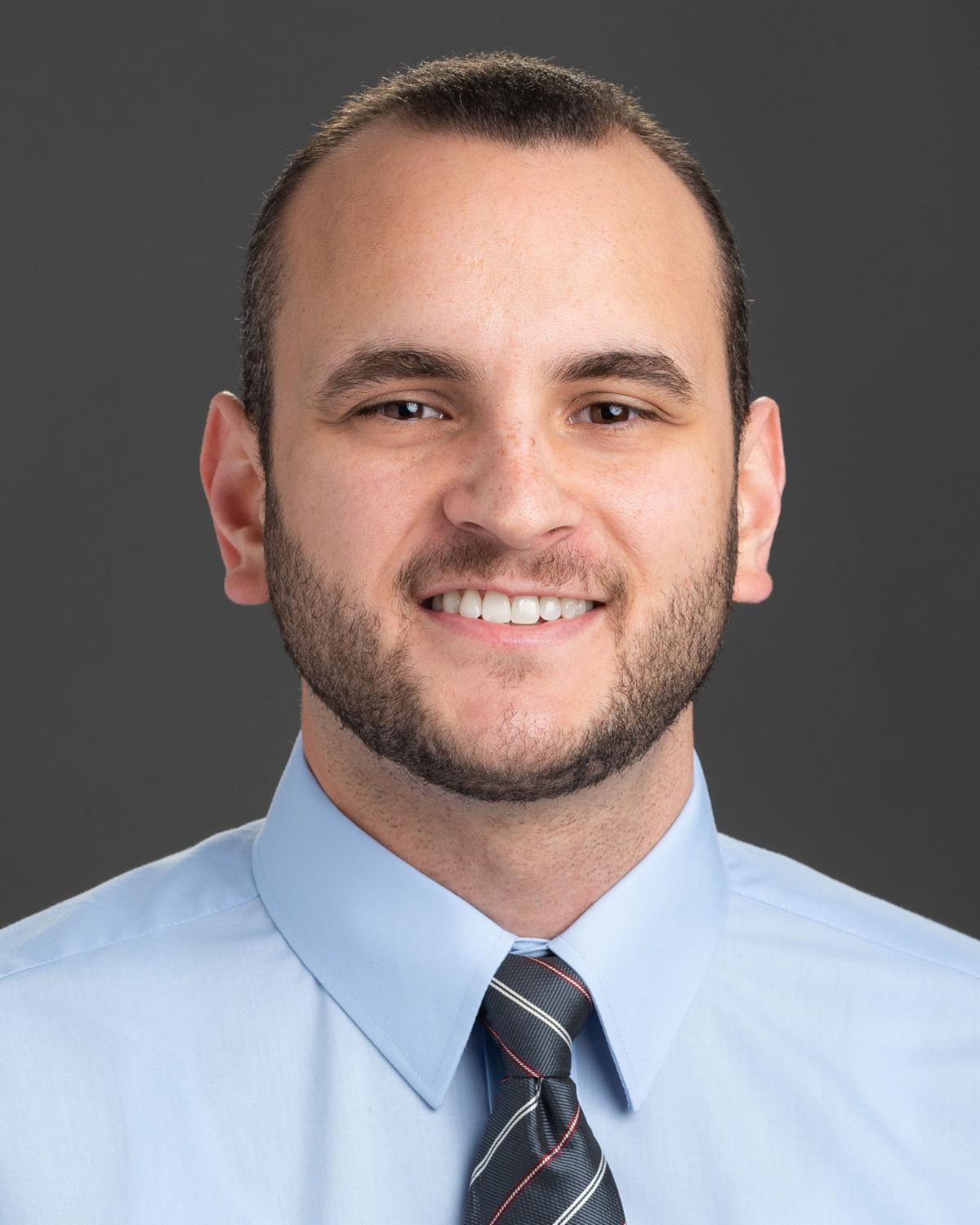
Gabriel Fries, PhD, moved up from instructor to assistant professor in the Faillace Department of Psychiatry and Behavioral Sciences.
Fries came to McGovern Medical School at UTHealth in April 2015 as a postdoctoral research fellow after finishing his doctorate in biochemistry at the Federal University of Rio Grande do Sul, Brazil.
His main area of focus is bipolar disorder and epigenetics. One of his first studies involved the assessment of molecular markers in children whose parents had bipolar disorder, as they are at higher risk to develop the disorder.
In October 2018, Fries was promoted to instructor, which allowed him to continue his research more independently. He received his first grant in April 2019 from the UTHealth Consortium on Aging to further his study on epigenetics in bipolar patients, studying accelerated epigenetic aging and biochemical mechanisms related to oxidative stress.
Currently, Fries is also utilizing a KL2 career development two-year grant from the UTHealth Center for Clinical and Translational Sciences to study the role of DNA methylation in controlling suicidal behavior in bipolar disorder patients.
|
|
|
|
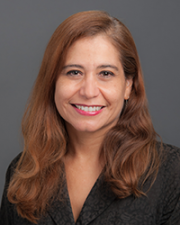
Consuelo Walss-Bass, PhD, has been promoted to professor in the Faillace Department of Psychiatry and Behavioral Health.
Walss-Bass came to McGovern Medical School at UTHealth in May 2014 from the psychiatry department at UT Health San Antonio where she received her doctorate in biochemistry and completed a postdoctoral fellowship in psychiatric genetics.
Walss-Bass’ research focuses on understanding mental health disorders at a molecular level, utilizing genomic and proteomic approaches in human and animal models.
While in the department, Walss-Bass established the UTHealth Brain Collection for Research in Psychiatric Disorders. Brain tissue provides an understanding of the biological causes of mental illness and other psychological challenges, such as substance abuse. She is also the director of the Psychiatric Genetics Program, where she oversees all genetic studies and assists clinical investigators in genotype-phenotype correlations to better understand the genetic underpinnings of mental health disorders.
Currently, Walss-Bass is working with Joy Schmitz, PhD, to study gene-environment interactions in cocaine addiction, investigating how early life stress influences epigenetic brain modifications that can lead to addiction.
|
|
|
|
Education: Sanches speaks on importance of residency research program
|
|
Marsal Sanches, MD, PhD, heads up the residency research track program in the Faillace Department of Psychiatry and Behavioral Sciences, aiming to ensure that are interested in engaging in research early in their training have the opportunity to do so. When students apply for residency, they can express their interest in going into the research track at that time.
Traditionally, for residents interested in a career in research or academics, they must complete their residency, sometimes even a postdoctoral position, then join a research group. This research track allows residents the chance to build their CV with curriculum knowledge and publications, and to receive early mentorship in research. Competition is very tight. Only two spots yearly are reserved for residents to go into the research track program. There are extra steps for residents applying for the research track, such as additional interviews and application processes. If a resident in the general psychiatry residency training program wishes to switch to the research track, Sanches says they can undergo the same selection process.
Sanches says he gets joy from running this program and seeing residents grow.
“It’s really rewarding,” Sanches said. “I feel like our residents have a lot of potential to have a really brilliant academic career. It’s really an honor and privilege to be involved in this process.”
|
|
Teaming up to treat PTSD patients
|
|
Jennifer Hughes, PhD, assistant professor in the Faillace Department of Psychiatry and Behavioral Sciences, works with the UTHealth Trauma and Resilience Center, whose mission is to help people experiencing psychological problems in the aftermath of traumatic life experiences.
In a recent presentation Hughes gave, she highlighted some of the statistics and recent trends towards treating trauma patients.
When admitted into hospital care, 40% of patients tested positive for post-traumatic stress disorder (PTSD) as well as other depression symptoms. After being released, nearly 30% of patients still experienced some form of PTSD a year later.
That prompted Hughes and the Trauma and Resilience Center team to partner up with the Memorial Hermann Trauma Center for specialized care, aimed at treating these patients with PTSD. A “stepped care” approach was adopted that includes an impatient process of a nurse screening, comprehensive screening, brief interventions, and referral to treatment.
But treatment doesn’t end with a patient’s release. The program is set up for follow-up after surgery including comprehensive assessments, collaborative care, short or long term therapy, and medication management advice.
The team also established a trauma survivor support group that meets every
Thursday, 2:30-3:30 p.m.
In the support group, patients can share their stories, receive survivor handbooks, and learn about online resources.
For more information, please contact the Trauma Resilience Center at 713-486-2630 or
TRC@uth.tmc.edu
.
|
|
Treatment study for methamphetamine use disorder
|
|
The Center for Neurobehavioral Research on Addiction in the Faillace Department of Psychiatry and Behavioral Sciences was chosen as one of eight sites for a national trial, sponsored by the National Institute on Drug Abuse, to test a medication combination for individuals diagnosed with a methamphetamine use disorder.
The center was a top enrolling site, with 55 participants. Over 12 weeks, consenting patients received treatment twice a week, testing a combination of the antidepressant bupropion and the opioid antagonist naltrexone versus a placebo.
The study’s goal is to find out if the two drugs used in combination can reduce methamphetamine use. Both medications are approved by the Federal Drug Administration for other disorders. The hope is that the active medication combination will be associated with higher rates of
compared to the placebo treatment.
Currently, there is no medication approved to treat or reduce methamphetamine use disorder. The only treatment method available is behavioral therapy. When therapy is utilized with medication, Schmitz believes the treatment will be that much more effective.
“It’s like other chronic medical conditions that we have,” Schmitz said. “If you have diabetes, you take medicine and monitor symptoms over your life. Without that medication piece for methamphetamine addiction, we’re missing an important component. Our behavioral therapies are effective but the more ways you can target a complex disease like addiction, the better.”
In all, around 400 patients were accepted into the study across eight locations. The data is currently being analyzed.
|
|
Valvassori SS, Dal-Pont GC, Resende WR, Varela RB, Lopes-Borges J, Cararo JH, Quevedo J.
Northrup TF, Stotts AL, Suchting R, Khan AM, Green C, Quintana PJE, Hoh E, Hovell MF, Matt GE. Tob Induc Dis. 2019 Apr 24;17:37. doi: 10.18332/tid/106116. eCollection 2019.
Khanna AS, Schneider JA, Collier N, Ozik J, Issema R, di Paola A, Skwara A, Ramachandran A, Webb J, Brewer R, Cunningham W, Hilliard C, Ramani S, Fujimoto K, Harawa N; BARS Study Group and Getting to Zero IL Research Evaluation and Data (RED) Committee.
Lima CNC, da Silva FER, Chaves Filho AJM, Queiroz AIG, Okamura AMNC, Fries GR, Quevedo J, de Sousa FCF, Vasconcelos SMM, de Lucena DF, Fonteles MMF, Macedo DS.
|
|
Joao de Quevedo, MD, PhD, and Albert Fenoy, MD, were interviewed for a
KHOU-TV Channel 11
story about a patient with severe depression who underwent deep brain stimulation treatment. The story also ran on the station’s
website
.
Elizabeth Newlin, MD, spoke with the
Houston Chronicle
following a discussion of Texas Senate Bill 20, which is set to provide $15 million in grants for helping child survivors of sex trafficking.
Sudhakar Selvaraj, MD, PhD, was interviewed by KHOU-TV Channel 11 for a story about a new clinical trial assessing psilocybin, a psychedelic drug, for treatment-resistant depression. The story ran in the
4
and
6
p.m. broadcasts yesterday and the
4 a.m.
news report this morning. It also ran on the station’s
website
.
Joy Schmitz, PhD, Louis A. Faillace professor and director of the Center for Neurobehavioral Research on Addiction (CNRA) in the Department of Psychiatry and Behavioral Sciences, sat down with
Houston Public Radio
to discuss why she believes meth is the “perfect storm” for southeast Texas.
|
|
Join us for the Grand Rounds in October on Wednesdays at noon at UTHealth Harris County Psychiatric Center:
October 2: Paolo Zanotti Fregonara, MD, PhD
October 9: Melissa Goldberg, PsyD
October 16: Christina Burrows, PhD
October 23: Gerard Sanacora, MD, PhD
|
|
Louis A. Faillace, MD, Department of Psychiatry and Behavioral Sciences at McGovern Medical School at UTHealth
713-486-2500
|
|
|
|
|
|
|
|