January 2026

News

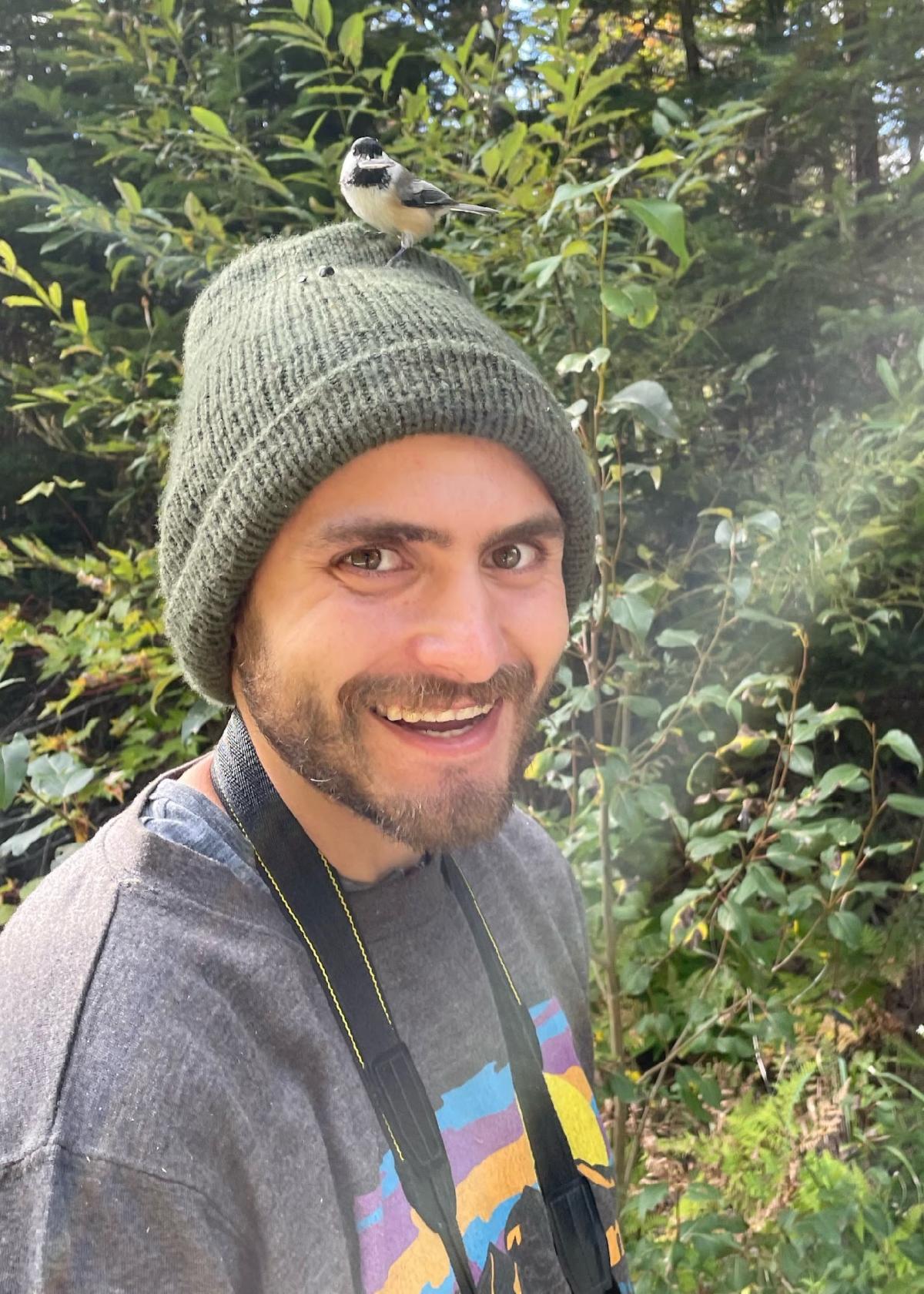
Welcome Chris Liazos!


Chris (he/him) is joining UVM as the new Extension Forestry Outreach Coordinator.


Chris is passionate about how forestry can steward both people and place. His work centers on forest management focused on bird and wildlife habitat, climate adaption practices, and landowner engagement. He enjoys learning and working with diverse forestry audiences to support stewardship that reflects a range of interests and values.


Chris recently completed his Master's in Conservation Biology from Antioch University in New England and holds an undergraduate degree in Wildlife Biology from the University of Vermont. Through his academic and professional experience, he has worked for a range of woodlots, land trusts, and universities throughout the Monadnock Region, Northeast Kingdom, and the broader northeast. In his free time, Chris is an avid birder in early mornings and runner in the evenings.

New Resources

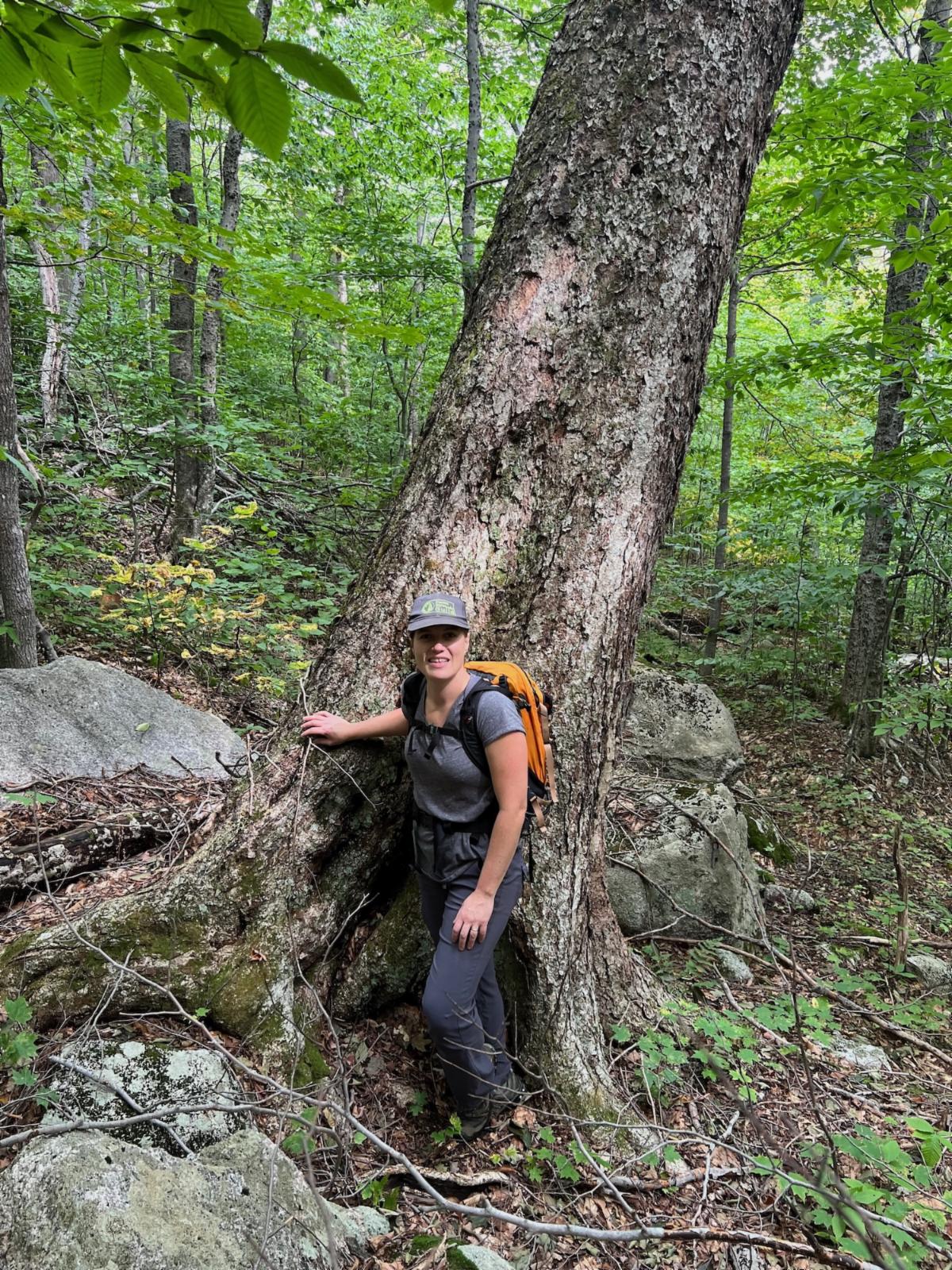
Old-Growth Forests


Curious about what makes a forest old growth and why these forests matter for ecology, habitat, and climate? In her latest Northern Woodlands Forests Insights column, Dr. Kosiba explores the defining characteristics of old-growth forests in the Northeast, how they develop over time, and why they are increasingly rare on today’s landscape, while also addressing the practical challenges of identifying, managing, and conserving these forests within working landscapes.

Now Available: Recordings from the Northeastern Old Growth Conference


All talks from this year's Northeastern Old Growth Conference were professionally recorded by the Media Factory and are available for free to watch on the UVM Extension Forestry YouTube channel.

Interested in Knowing More about how Vermont's Forest Cover Has Changed? Well, it's Complicated.


UVM Extension recently analyzed different forest cover datasets for Vermont, and its 14 counties, and the results are inconclusive. The different datasets show wildly different amounts of forest cover, as well as divergent trends over time. The take home message? We need improved ways to accurately understand where and at what rate permanent forest cover loss is occurring throughout the state. This is a challenge shared by the other states in the region as well.

New Reforestation Guide: Tree Planting to Enrich, Restore, and Adapt Northern Forests


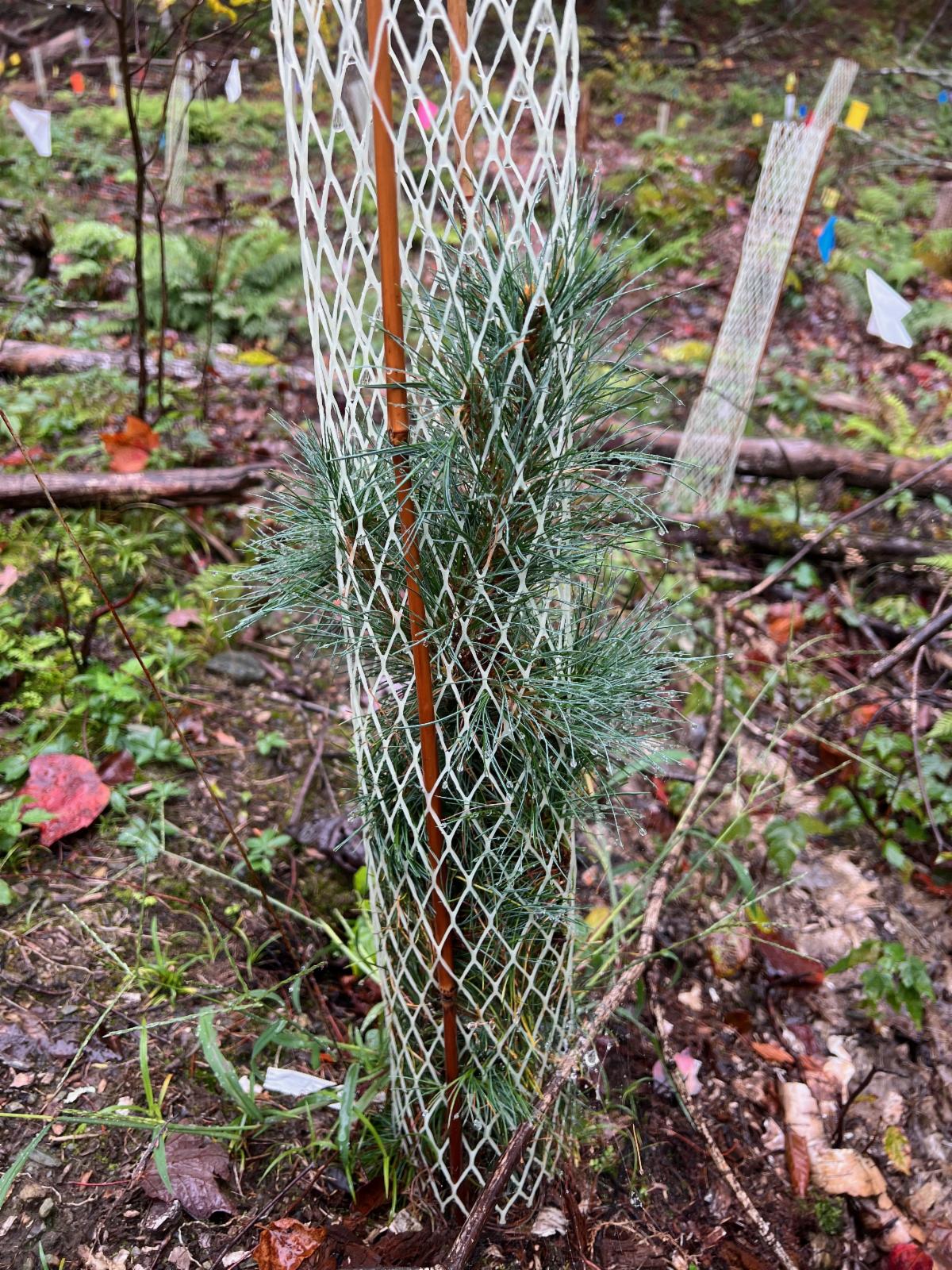
Designed for foresters, landowners, and managers in the Northeast interested in using tree planting as a forest management tool, this new guide by Dr. Pete Clark, Paul Catanzaro and Dr. Tony D'Amato, provides a clear, step-by-step process for planning, implementing, and stewarding reforestation projects. The guide features decision-support tools, project timelines, links to many resources, and highlights examples and case studies that can assist in the translation from guidance into practice.

Upcoming Events


Forest Hydrology: How Forests Cycle, Absorb, and Store Water


Tuesday, January 13, 2026

6:30 pm - 8:00 pm

North Branch Nature Center, Montpelier, VT

Hosted by the North Branch Nature Center


Forests play a critical role in the hydrological cycle. As intense rainstorms become more frequent and powerful across the Northeast, forests are increasingly important in absorbing water and reducing runoff. Dr. Ali Kosiba will explain how tree canopies, roots, and forest floors work together to slow, spread, and sink water—reducing soil erosion, downstream flooding, and infrastructure damage. She’ll highlight practical steps landowners, municipalities, and conservation groups can take to strengthen forests’ ability to buffer heavy rains and support climate-resilient landscapes. Learn more and register here.


Adaptation Planning and Practices Online Training


January 26 to March 16, 2026

Online

Hosted by the Northern Institute of Applied Climate Science and USDA Northern Forests Climate Hub


This interactive 8-week training is geared for forest and natural resource managers working in New England (CT, MA, ME, NH, RI, VT) and New York. You'll learn about climate change impacts relevant to the region, and learn to identify customized adaptation action and develop robust project-specific climate adaptation plans using the Adaptation Workbook. You'll also receive coaching and feedback from NIACS staff in structured weekly web-based lectures and group discussion meetings. The free 8-week online training begins January 26 and finishes March 16, 2026. Learn more and register here.


Managing Forests with Climate Change in Mind


Saturday January 31, 2026

10 am - noon

Town Hall, Sandgate, VT

Hosted by the Sandgate Community Table


The climate is changing and bringing more uncertainty to the future conditions of forests and the many benefits they provide. But we can make decisions to help to advance the resilience of the woods we care for. Join Dr. Ali Kosiba for an engaging talk about practical ways we can include climate change into forest stewardship.

No registration required. For more information, contact: sandgate.community.table@gmail.com


2026 Vermont Coverts Cooperator Trainings


April 24 - 26, 2026 in Marlboro, VT or August 28 - 30, 2026 in Castleton, VT


Hosted by Vermont Coverts, a peer-to-peer community of landowners, professionals and others learning from and supporting each other to enhance wildlife habitats through sound forest management, Coverts Cooperators are forest landowners and/or community members who are interested in having an impact on their own land and in their communities. This program connects you with resource professionals, landowners and others while learning how you can improve your woodlands. Register for the Coverts Cooperator training here.


We have a growing number of resources available for landowners, foresters, conservation groups and other folks interested in learning about forests and how to steward them.  Visit our website to check them out.

Facebook  Instagram  YouTube