|
There have been times when I did not get the big reaction during a performance. No loud applause. No standing ovation. No explosive energy in the room. And for a moment, I questioned it. I wondered if I missed the mark. But then, after the show, people came up to me one by one. Quiet. Honest. Sometimes emotional. They told me how deeply my words touched them. How my story hit something they had never heard said out loud. That is when I realized something powerful.
It was not that they were not feeling it. They were just feeling it in real time. They were listening. They were processing. They were sitting with what I said. And by the time I finished, they were not sure if they were supposed to clap for the performance or reflect on the weight of what I shared.
That taught me not to confuse silence with disconnection. Some pieces are not meant to be clapped through. They are meant to be felt. And when people are really feeling it, they are not thinking about making noise. They are thinking about their own life. Their own pain. Their own truth.
I used to chase the reaction. Now I look for the impact. And trust me, they are not the same.
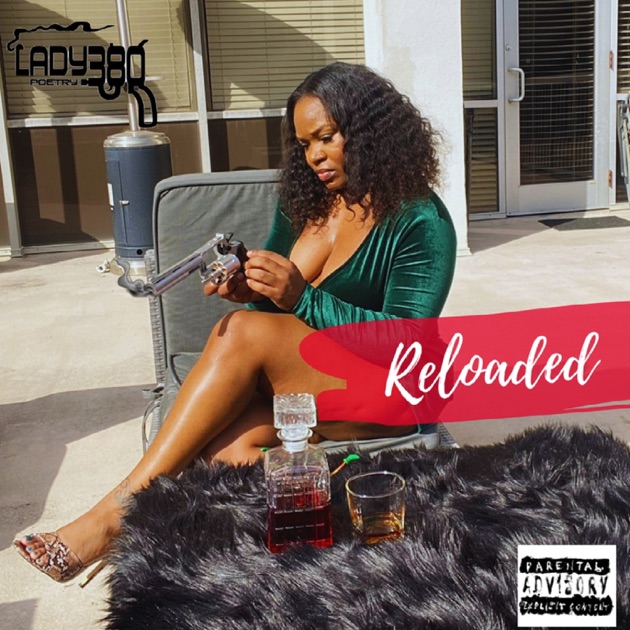
Your poetry album Reloaded showcases your depth beyond the mic. What was the process of turning spoken word into a studio project like for you?
It feels familiar. I started as a rapper. I always wrote poetry, but the performance came from rapping on stage and recording in the booth. That is where I found my voice. That is where I learned how to own the mic, how to control a room, and how to make words move people.
So when I started performing poetry, getting into the studio with it was already second nature. I knew how to bring presence into a recording. I knew how to sit with the words and still let them hit. The rhythm changed, but the purpose stayed the same. Make people feel something. Make them listen. Make it real.
Poetry gave me more space to breathe. With rap, I was focused on flow and delivery. With poetry, I could stretch. I could lean into the silence. I could speak from a place that did not need a beat, just truth. But everything I learned from music still lives in my voice. The confidence. The tone. The ability to command a moment.
It all works together. Every version of me helped shape the artist I am today.
You often refer to yourself as a Spoken Word Assassin. What does that title represent to you, and how do you embody that every time you step on stage?
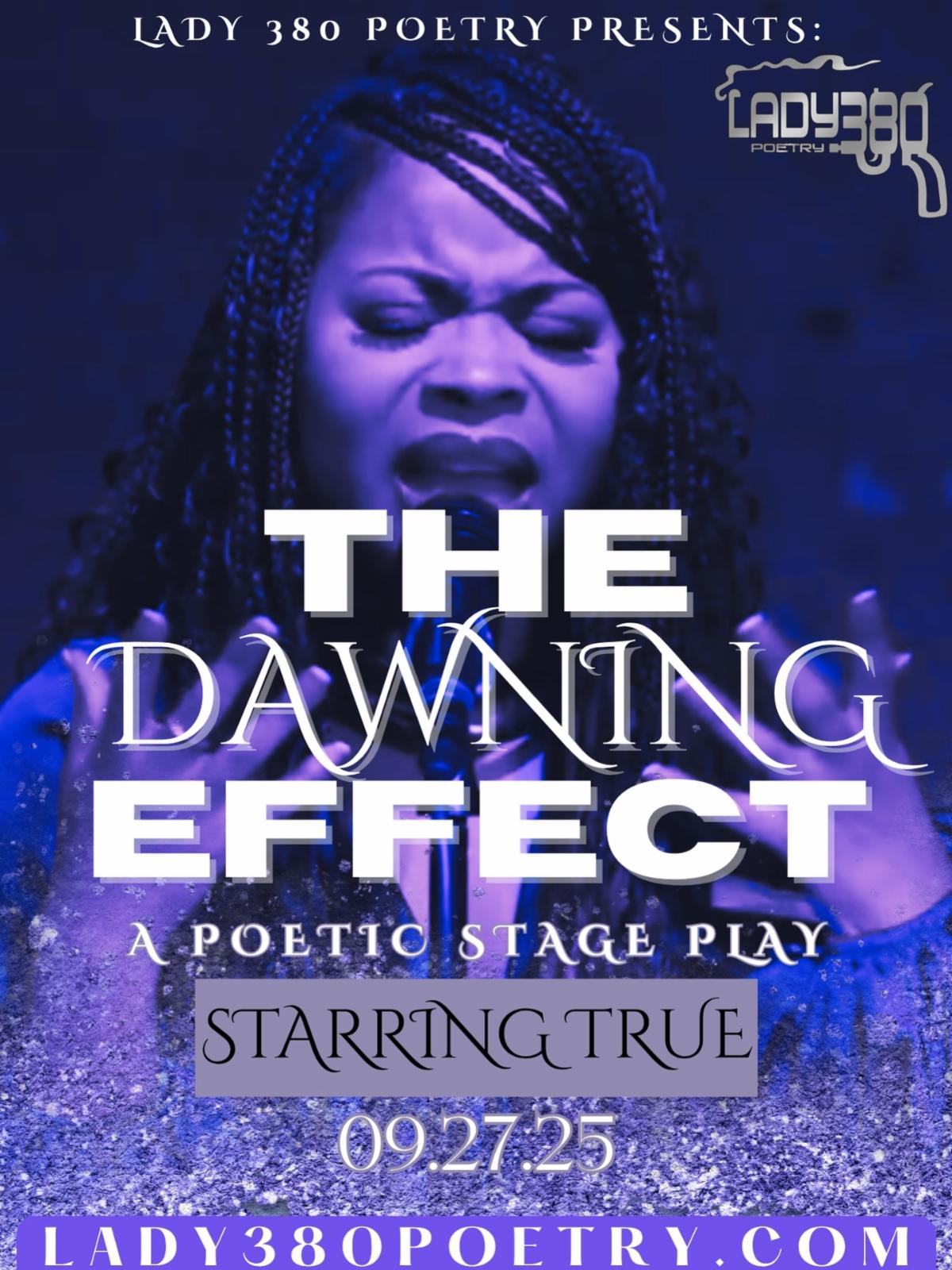
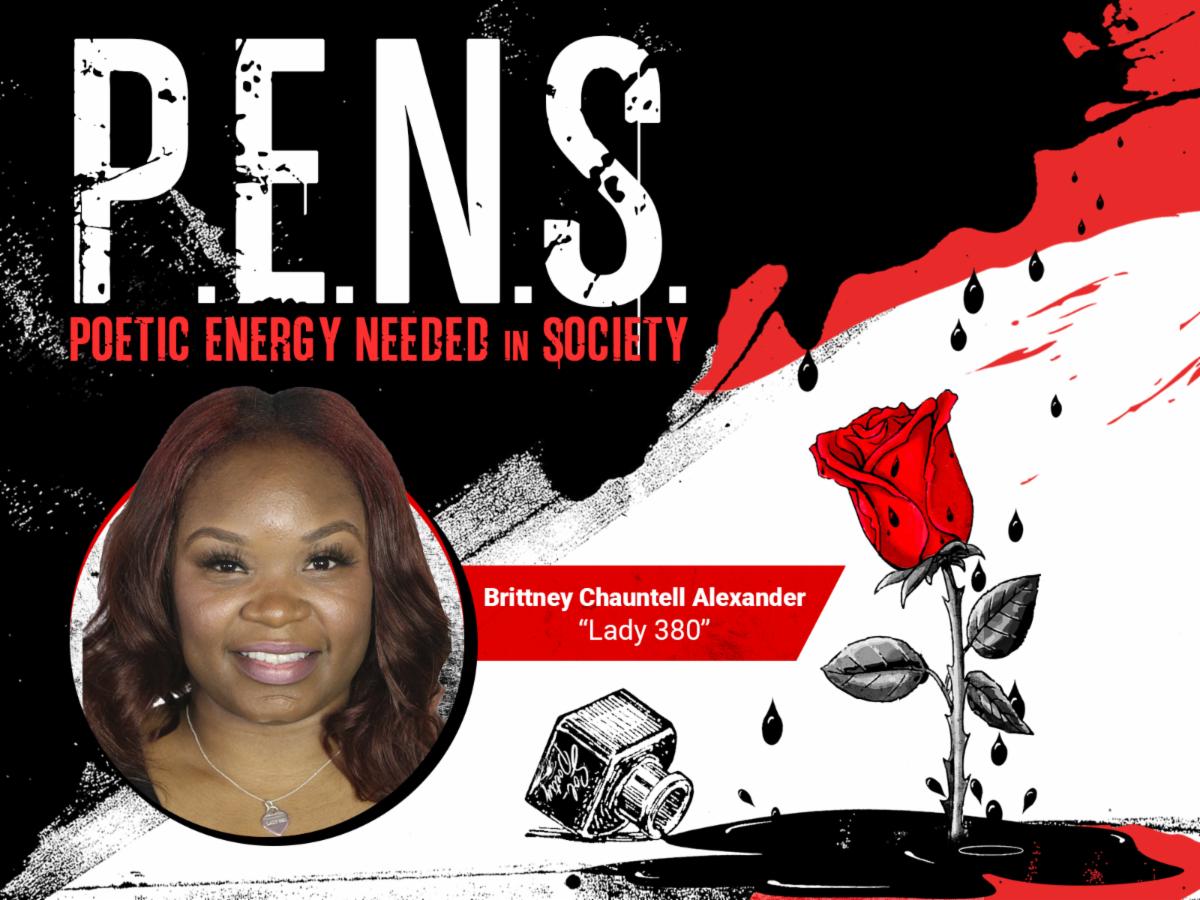
It is part of my brand. As Lady 380, a gun, I have to let people know that I am not just shooting, speaking, aimlessly. I am the marksman, the hired assassin in this spoken word industry.
With No Smoke Productions, you are not just performing. You are building platforms. What do you hope other poets and artists gain from seeing you produce your own work?
I hope they gain a sense of pride, elevation, and inspiration. That is always the goal. I want people to walk away feeling like they can stand a little taller. Like they can do something with what they just felt. We can all do it. Every single one of us. It really just comes down to whether or not you want to. That is the truth.
For the ones who do want to, I hope they see in real time that it is possible. Not in theory. Not someday. Right now. I want them to see that the power is already in them. That nothing I am doing is out of reach. I am just choosing to use my gift. I am choosing to show up. And so can they.
If my presence helps someone unlock something in themselves, then I have done my job. That is what matters most to me. Seeing that spark light up in somebody's eyes. Knowing they felt it. That is why I do this.
Artist Access has become a respected platform for emerging voices. What has that journey taught you about community and storytelling?
I believe everyone has a story to tell, something within them that is meant to be shared in this creative space we all occupy. Artist Access is a platform for artists to share their experiences and journeys, inspiring others to tap into their creativity.
Houston is your hometown and your stage. How has the city shaped your voice as an artist, and what do you hope to give back to it?
The city helped shape me. It gave me my sense of pride, my connection to culture, and most of all, my core experiences. Everything I am and everything I create started right here. The way I speak, the way I move, the way I carry my story all comes from this place.
That is why giving back is not just something I think about. It is something I feel deeply. I want to create real opportunities. I want to bring jobs to the community. I want to support our youth and help them see what they are capable of. I want them to know they do not have to leave to grow. They can build right here.
Through the art form, I want to offer more than just a performance. I want to create a space that feels like therapy. A space where people can breathe. A space where they can feel without being judged. I know what it means to carry pain in silence. I know what it means to look for healing and not know where to find it.
If I can use my voice to create healing, to spark growth, to build pride in where we come from, then I know I am giving the city back what it gave me. That is what matters most. That is the mission.
|